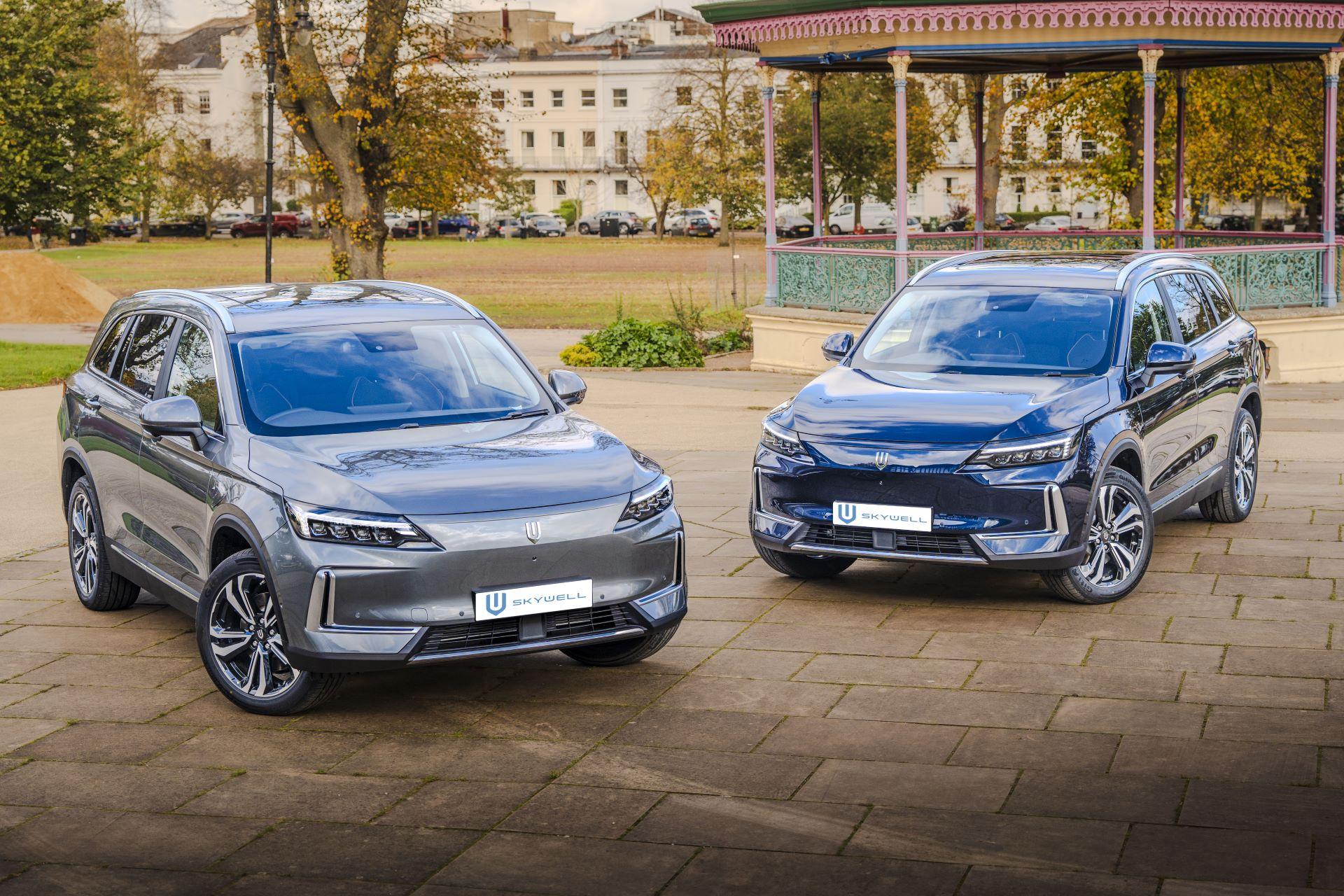



South Africa’s electric vehicle market is no longer a distant forecast or niche curiosity; it is accelerating into a defining shift in the country’s automotive landscape. In 2024, new energy vehicle sales surged by 60% year-on-year, marking one of the most significant jumps in local automotive adoption in recent memory. According to Naamsa, the first quarter alone accounted for nearly 40% of the total NEV sales recorded throughout 2023, signalling not just growth, but momentum that refuses to plateau.
That momentum has carried decisively into 2025. NEV sales continued their upward trajectory with a further 14% increase in the first quarter compared to the same period in 2024. Plug-in hybrid electric vehicles have emerged as standout performers, recording growth of over 70% year-on-year in Q1 2025, while full-year figures across the category show explosive expansion. Plug-in hybrids have risen by more than 280%, and battery electric vehicles have increased by 65% year-on-year, reinforcing the fact that South African consumers are rapidly broadening their acceptance of electrified mobility.
Yet behind these impressive statistics lies a less discussed reality: the driving experience itself is fundamentally different. As MasterDrive CEO Eugene Herbert explains, electric vehicles cannot simply be treated as interchangeable with internal combustion engine vehicles. The shift is not only mechanical, but behavioural. Power delivery, braking response, and vehicle dynamics all operate under a different logic, and drivers who fail to adapt risk misunderstanding how their vehicle behaves in critical moments.
One of the most immediate differences is the absence of the delayed throttle response familiar in petrol and diesel vehicles. Electric vehicles deliver torque almost instantly, which creates a sense of seamless acceleration but also introduces the risk of overcorrection in emergency manoeuvres. Quick overtakes or sudden steering inputs can become more unpredictable if a driver relies on muscle memory built in traditional vehicles. The result is a driving environment where precision and restraint matter more than ever, especially in fast-changing traffic conditions.
Another defining characteristic is the near-silent operation of many EVs, particularly at low speeds. While some manufacturers introduce artificial sound to improve awareness, many electric vehicles remain whisper-quiet in urban environments. This creates a unique safety challenge for pedestrians, cyclists, and other road users who may not anticipate an approaching vehicle. In a South African context, where public familiarity with EVs is still developing, this lack of auditory presence demands heightened vigilance from drivers who must actively assume that they are not being noticed.
Acceleration also requires a recalibration of instinct. The immediate torque delivery of electric motors can be deceptive in wet or low-grip conditions, where sudden power application may lead to traction loss. Smooth, deliberate inputs become essential, particularly when navigating intersections, merging into traffic, or operating in pedestrian-heavy environments. The ease of acceleration in EVs is part of their appeal, but it also places greater responsibility on the driver to modulate that power thoughtfully.
Regenerative braking introduces yet another layer of adjustment. Unlike traditional braking systems, regenerative systems begin slowing the vehicle the moment the accelerator is released, converting kinetic energy back into stored battery power. This creates a noticeably different deceleration pattern, one that can surprise drivers behind an EV who may not anticipate the sudden reduction in speed. It changes not only how the vehicle is driven, but how it interacts with the flow of surrounding traffic.
Weight distribution further shapes the driving experience. EVs are generally heavier than their internal combustion counterparts due to battery packs integrated into the chassis. While this design lowers the centre of gravity and improves stability, it also influences braking distances and tyre wear. Drivers must account for this added mass, particularly when vehicles are fully loaded, ensuring sufficient stopping distance and maintaining tyre condition and inflation at optimal levels.
Ultimately, transitioning to electric mobility is as much about mindset as it is about technology. Familiarising oneself with an EV in a controlled environment allows drivers to understand its unique responses before entering complex traffic situations. Training programmes, such as those offered by specialist providers like MasterDrive, can help bridge the gap between conventional driving habits and the demands of electric performance. As adoption continues to rise, the ability to adapt driving behaviour will become just as important as the decision to go electric in the first place.
South Africa’s EV boom is not simply a story of rising sales figures. It is the beginning of a new driving culture, one that rewards awareness, adaptability, and a deeper understanding of how modern vehicles interact with the world around them. Tags alone will not define this shift; driving behaviour will.