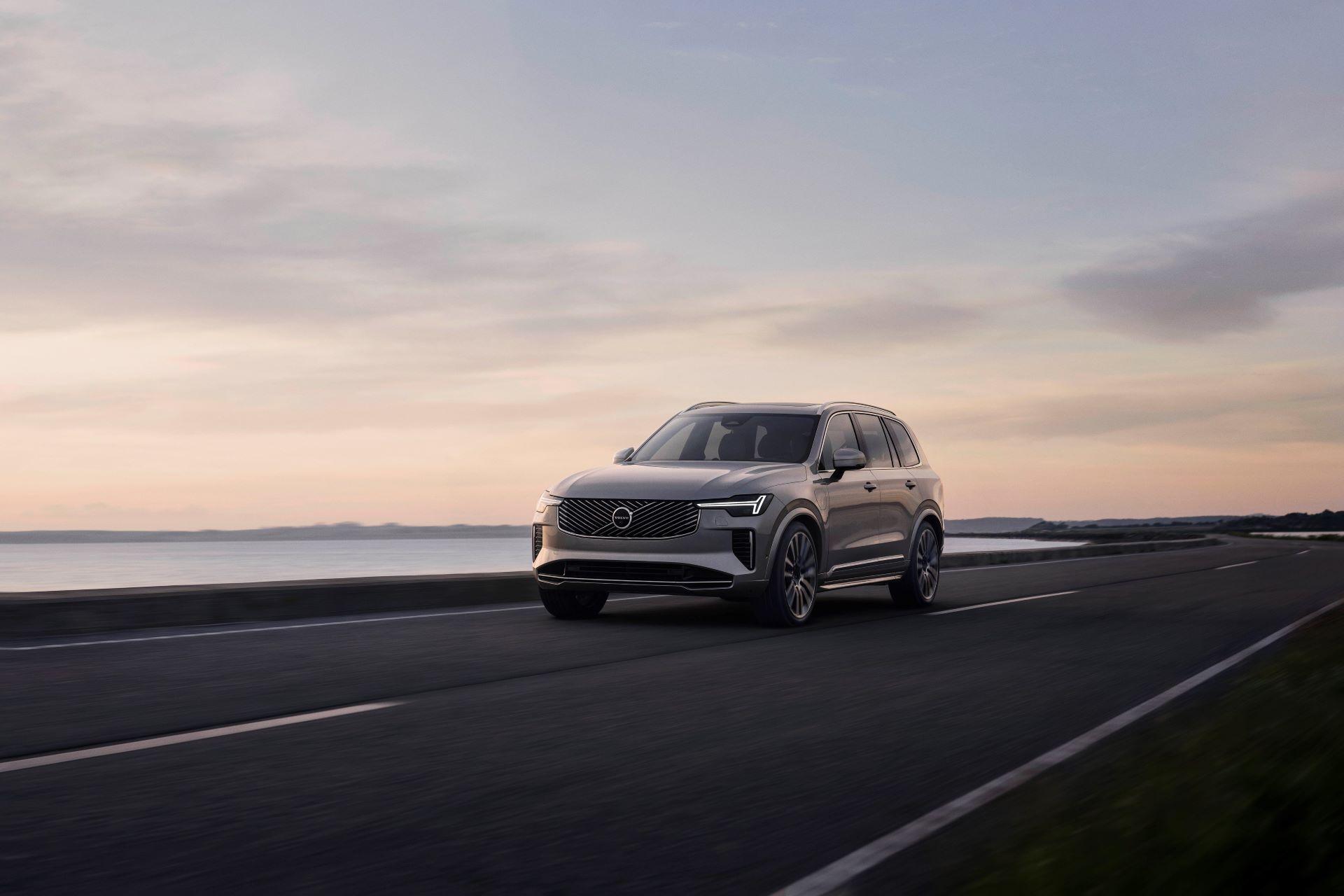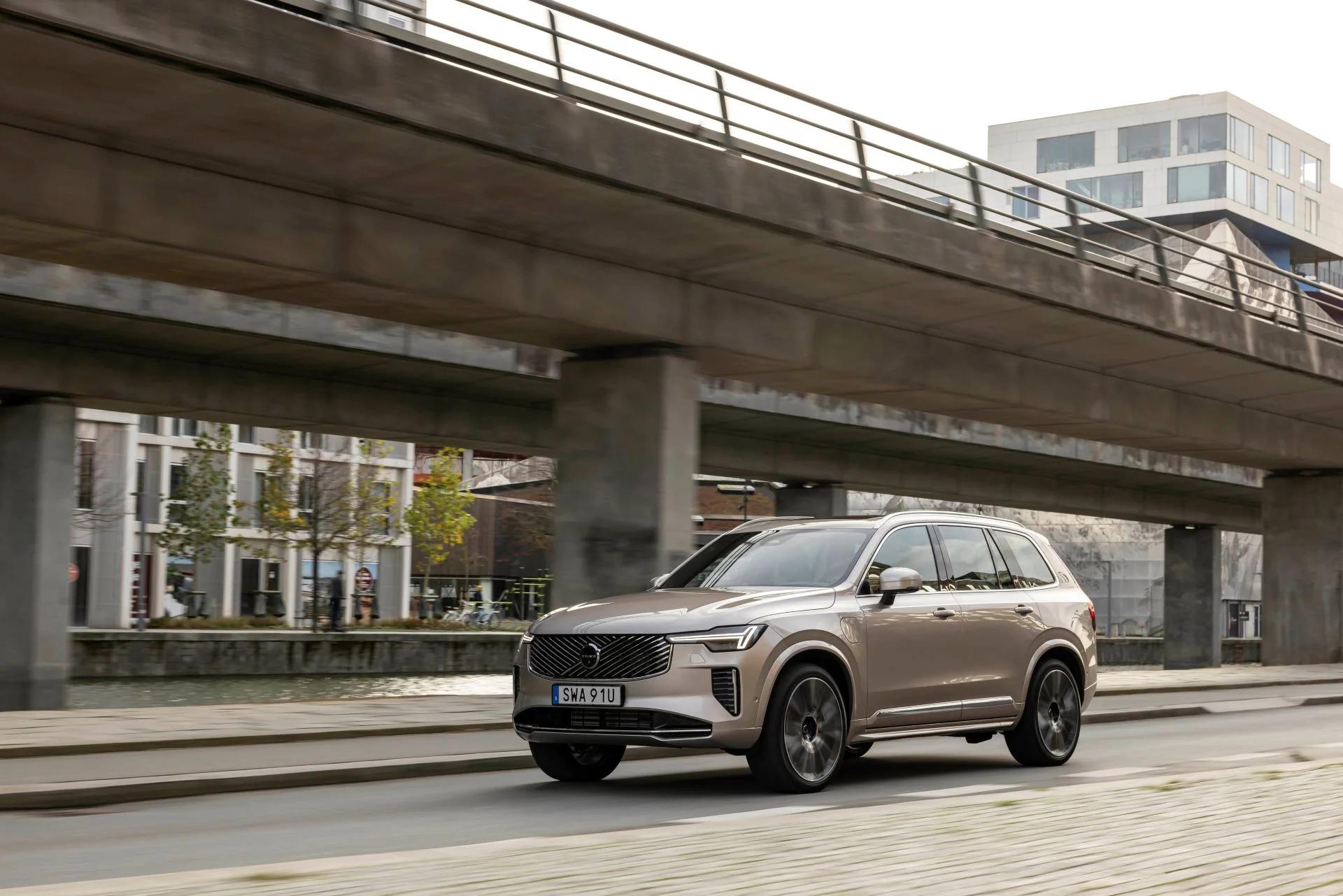



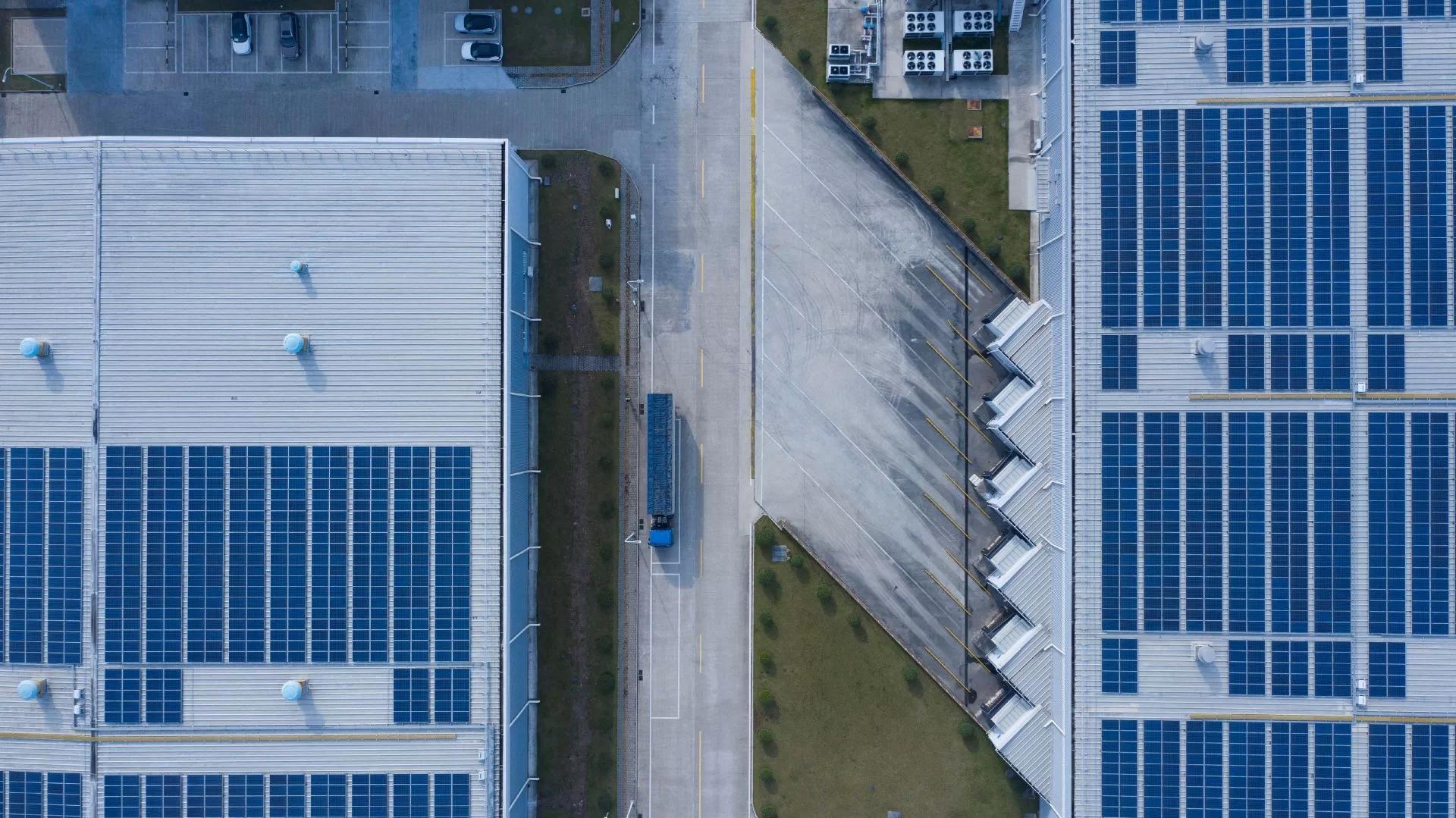
Volvo Cars has marked a significant milestone at its Taizhou manufacturing facility, which is now operating entirely on biogas, making it the first of the company’s plants in China to achieve climate-neutral status. The transition from natural gas to biogas at the Taizhou plant is expected to reduce carbon dioxide emissions by over 7,000 tonnes annually.
Though this represents just a small fraction of Volvo’s total annual emissions of 43 million tonnes across all scopes, the achievement at Taizhou is a critical step forward in the company’s commitment to climate-neutral manufacturing by 2025 and its broader strategy to reduce emissions globally. This initiative aligns with Volvo’s ultimate goal of achieving net-zero greenhouse gas emissions by 2040.
The Taizhou facility had already been utilizing climate-neutral electricity, consistent with Volvo’s global manufacturing standards. With the recent shift to biogas for heating, the plant joins the Torslanda facility in Gothenburg, Sweden, as the second Volvo car manufacturing site to reach full climate neutrality.

Javier Varela, Chief Operating Officer and Deputy CEO at Volvo Cars, emphasized the company’s proactive approach to adopting viable climate-neutral energy solutions. “The switch to biogas at our Taizhou plant is a testament to our commitment to developing a tailored, sustainable energy mix for each of our locations, based on regional availability,” Varela stated.
The energy profile of the Taizhou plant includes both electricity and heating. Approximately 40 percent of its electricity is generated through on-site solar panels, a figure that is expected to increase. The remaining 60 percent, sourced from the grid, also comprises climate-neutral solar electricity. With the recent conversion to biogas, the plant now meets all its heating requirements through climate-neutral sources.
In addition to these operational changes, Volvo Cars has recently updated its sustainability strategy, setting more stringent goals for the future. The updated strategy enhances the company’s 2040 goal to include not only achieving climate neutrality but also prioritizing the reduction of actual emissions before considering carbon removal techniques for addressing residual emissions. Volvo is also urging its suppliers to adopt similar sustainability practices.
Since unveiling its initial sustainability strategy in 2019, Volvo has significantly advanced towards its climate action goals, using 74 percent climate-neutral energy across its operations and making substantial progress towards its comprehensive CO2 reduction targets.