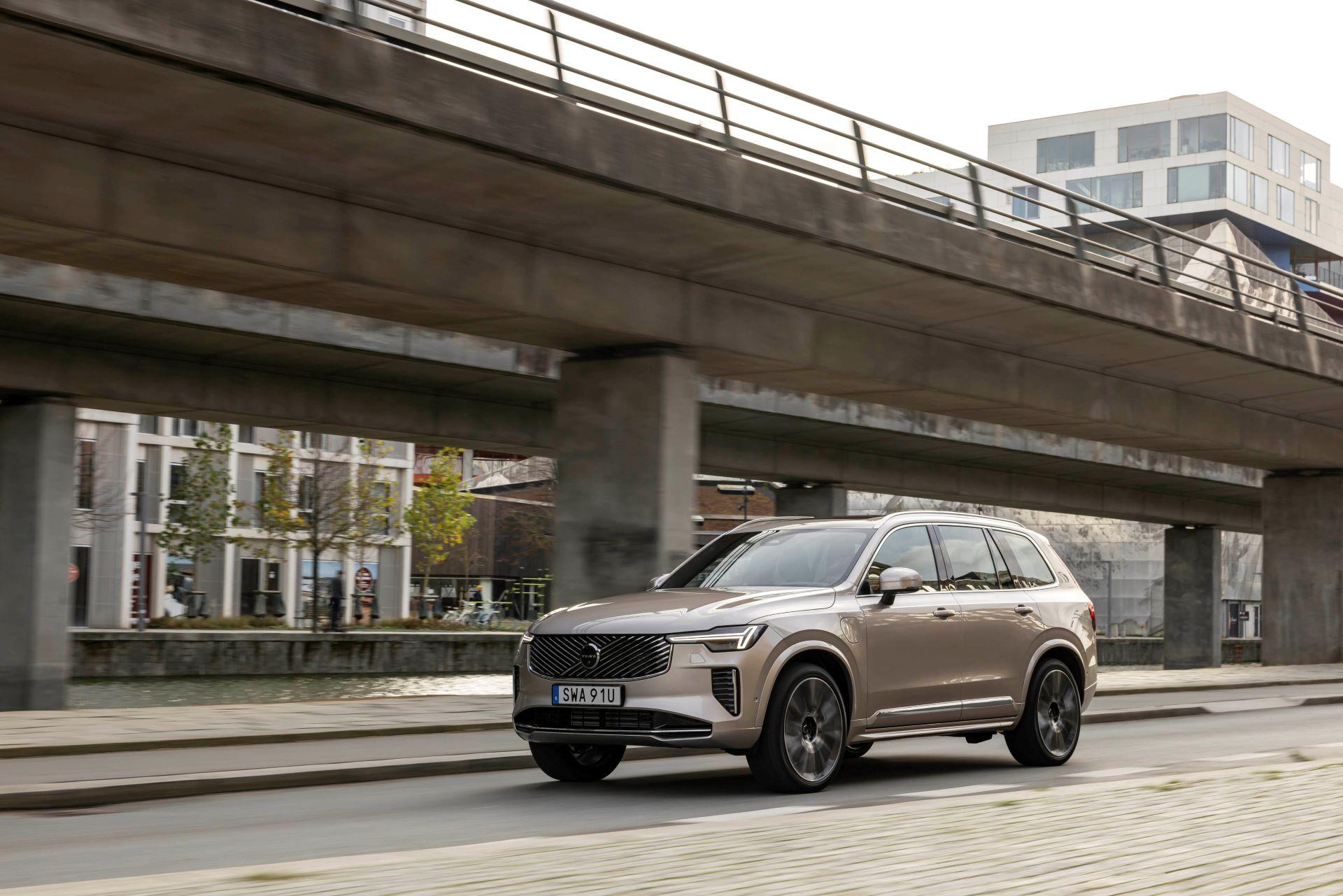




As South Africa gears up for the festive season, Volvo Cars, the pioneer behind the iconic three-point safety seatbelt, is urging drivers and passengers alike to buckle up. Known not only for their premium electric vehicles but also for their unwavering commitment to safety, Volvo Car South Africa recently conducted a study to understand the behaviours and attitudes of South African motorists towards wearing seatbelts.
The Reality of Non-Compliance Among Youth
Alarmingly, the study revealed that a significant 52% of South Africans aged 18-24 admit they “sometimes or never” wear a seatbelt. This same demographic also exhibited the lowest awareness of the legal requirement to wear one. Compounding this issue, these young adults expressed the highest levels of confidence in their driving skills—a confidence not always aligned with their experience or safety practices.
“More young drivers are taking to the roads due to accessible financing options and changing consumer preferences,” explains Felipe Yagi, Head of Marketing & Communications at Volvo Car South Africa. “It’s critical that we educate this age group on the life-saving benefits of wearing a seatbelt.”
The Proven Power of the Seatbelt
Wearing a seatbelt can improve the odds of surviving a collision by 50%. A testament to its importance is the legacy of the three-point safety belt, invented by Volvo in 1959 and made freely available to all car manufacturers. “It’s a little bit of Volvo in every car today,” Yagi adds, “protecting human lives for over six decades.”
Despite its proven effectiveness, social perceptions often hinder seatbelt use. Fourteen percent of respondents in the survey stated that wearing a seatbelt isn’t “cool,” especially when driving short distances or in familiar areas. This sentiment was more pronounced among men, with 19% of male respondents dismissing seatbelt use as uncool, compared to just 8% of women. Peer pressure and local driving habits also play a role, with many choosing to forgo the seatbelt in so-called “safe areas.”
A False Sense of Security Close to Home
Volvo’s research highlights a dangerous misconception: low-speed collisions are less harmful. In reality, a crash at just 50 km/h exerts a force equivalent to falling from a third-floor window. Yagi points out, “Being closer to home and driving at slower speeds does not mean you’re safer or that your seatbelt becomes optional.”
The study also found that passengers in townships and informal settlements were the least likely to buckle up, with 59% admitting they “sometimes or never” wear a seatbelt. Interestingly, in some areas, wearing a seatbelt can be seen as a marker of being an outsider, leading individuals to improperly position the belt behind their back—a practice that entirely negates its safety benefits.
Festive Season Risks and Realities
Road traffic data from the 2023/2024 festive season paints a stark picture. Individuals aged 25-39 accounted for 41% of road fatalities, the largest demographic among road accident victims. While 75% of this age group reported always wearing a seatbelt while driving, compliance sharply dropped near home, with 29% admitting to removing their seatbelt as they approached their destination.
The reasons for buckling up also revealed some troubling trends. Forty percent of respondents admitted they only wear a seatbelt to avoid legal repercussions, such as traffic checkpoints, rather than prioritizing their own safety.
A Legacy of Advocacy
Volvo’s efforts to promote seatbelt use date back to its introduction in 1959 when skepticism was rampant. Some claimed the safety belt violated personal freedoms, while others argued it was better to be ejected from a car than trapped inside. Decades of data have debunked these myths, proving that seatbelts significantly reduce injuries and fatalities.
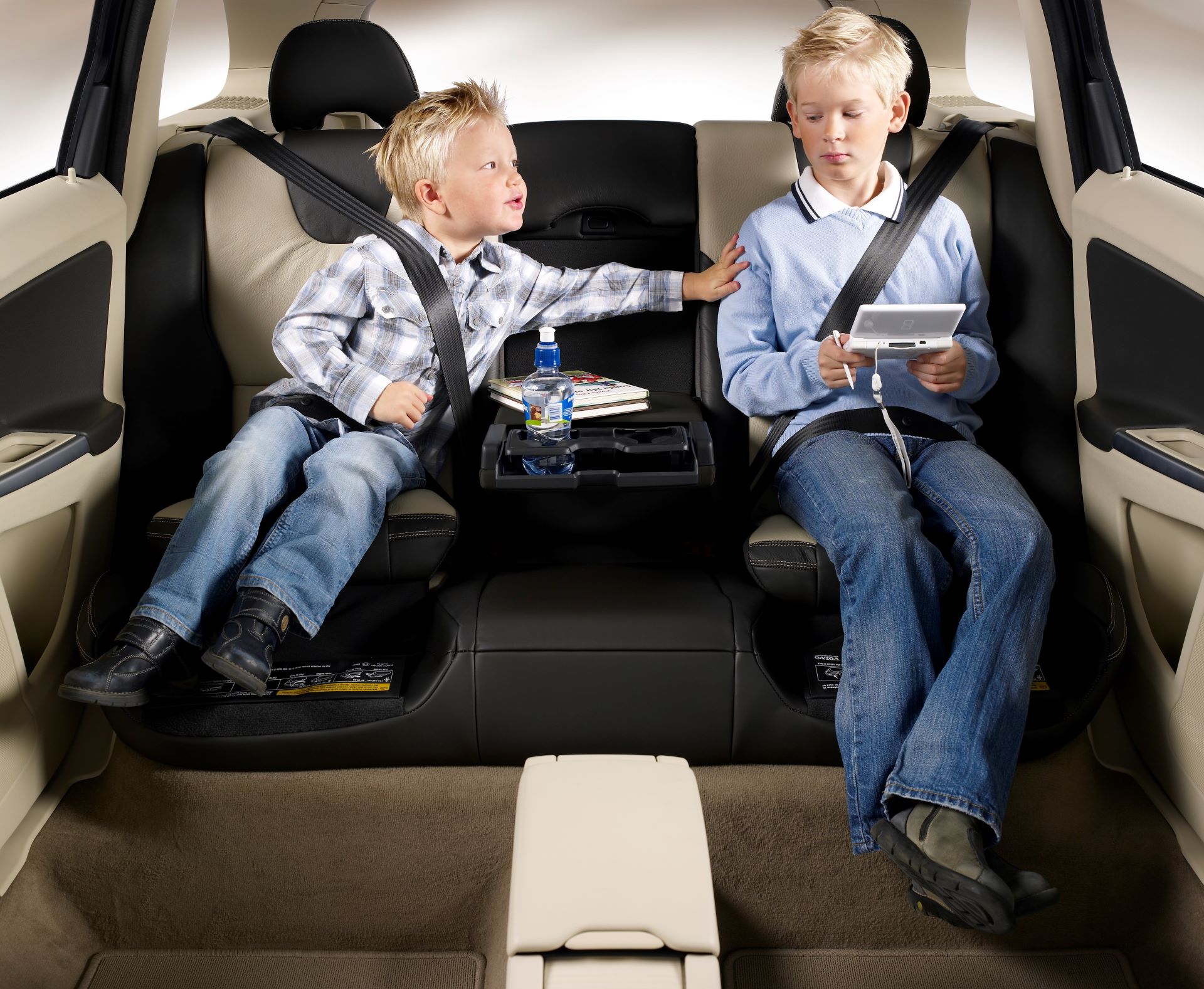
Yagi underscores the importance of rear seatbelt use, noting that unbelted passengers can become projectiles, endangering everyone in the vehicle. “A 27 kg child in a 48 km/h collision can exert the force of 1.2 tons—the weight of an elephant—in the back seat,” he explains.
Looking Ahead: A Safer Festive Season
With over 1.4 million vehicles stopped during law enforcement operations last festive season and nearly 8,000 arrests for serious traffic violations, the need for safer driving practices is urgent. Volvo’s message is clear: buckling up is a small action with life-saving potential.
“If we can convince drivers and passengers to buckle up this festive season,” concludes Yagi, “we have a simple yet powerful way to reduce road fatalities and make our roads safer for everyone.”
Volvo Cars’ advocacy for seatbelt use serves as a poignant reminder that innovation is only as effective as its adoption. This festive season, make safety your top priority—buckle up and drive responsibly.