


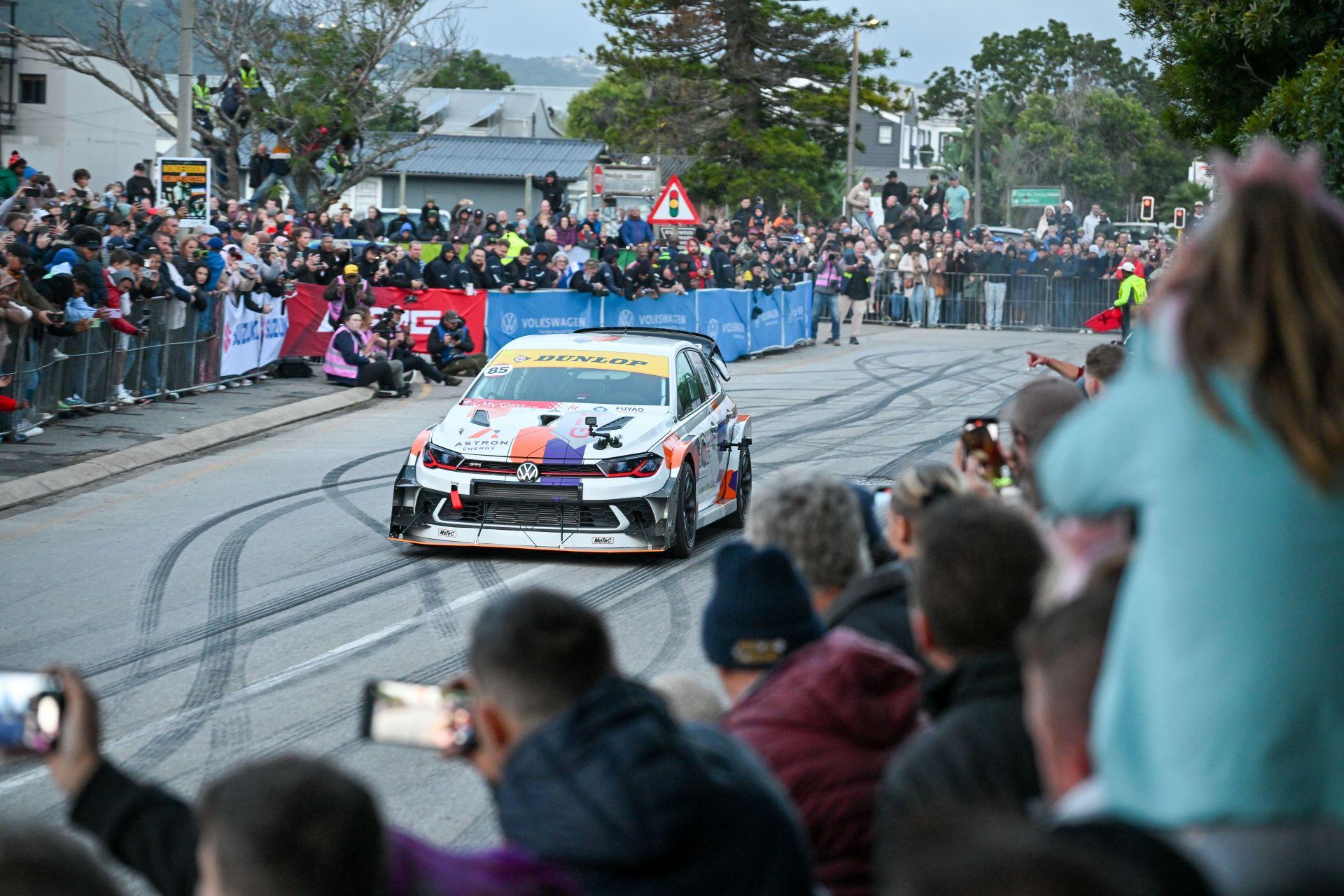
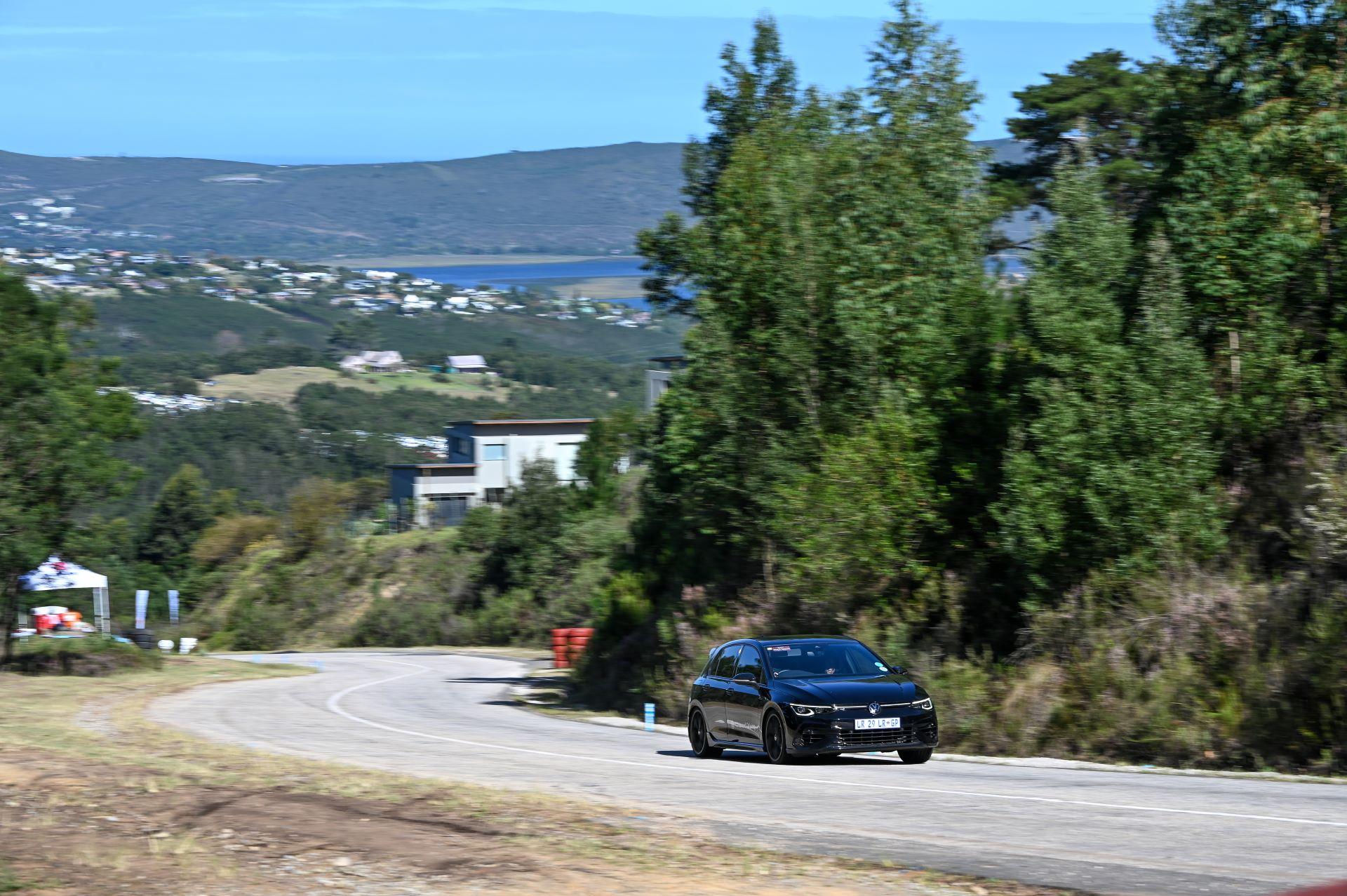
In the coastal theatre of Knysna, where forests lean toward the sea and engines echo off the hills, Volkswagen Group Africa is preparing to turn heritage into horsepower. As the brand celebrates 75 years of manufacturing in South Africa, its return to the Simola Hillclimb for the fifth consecutive year as a Tier 2 Manufacturer feels less like participation and more like a statement of intent.
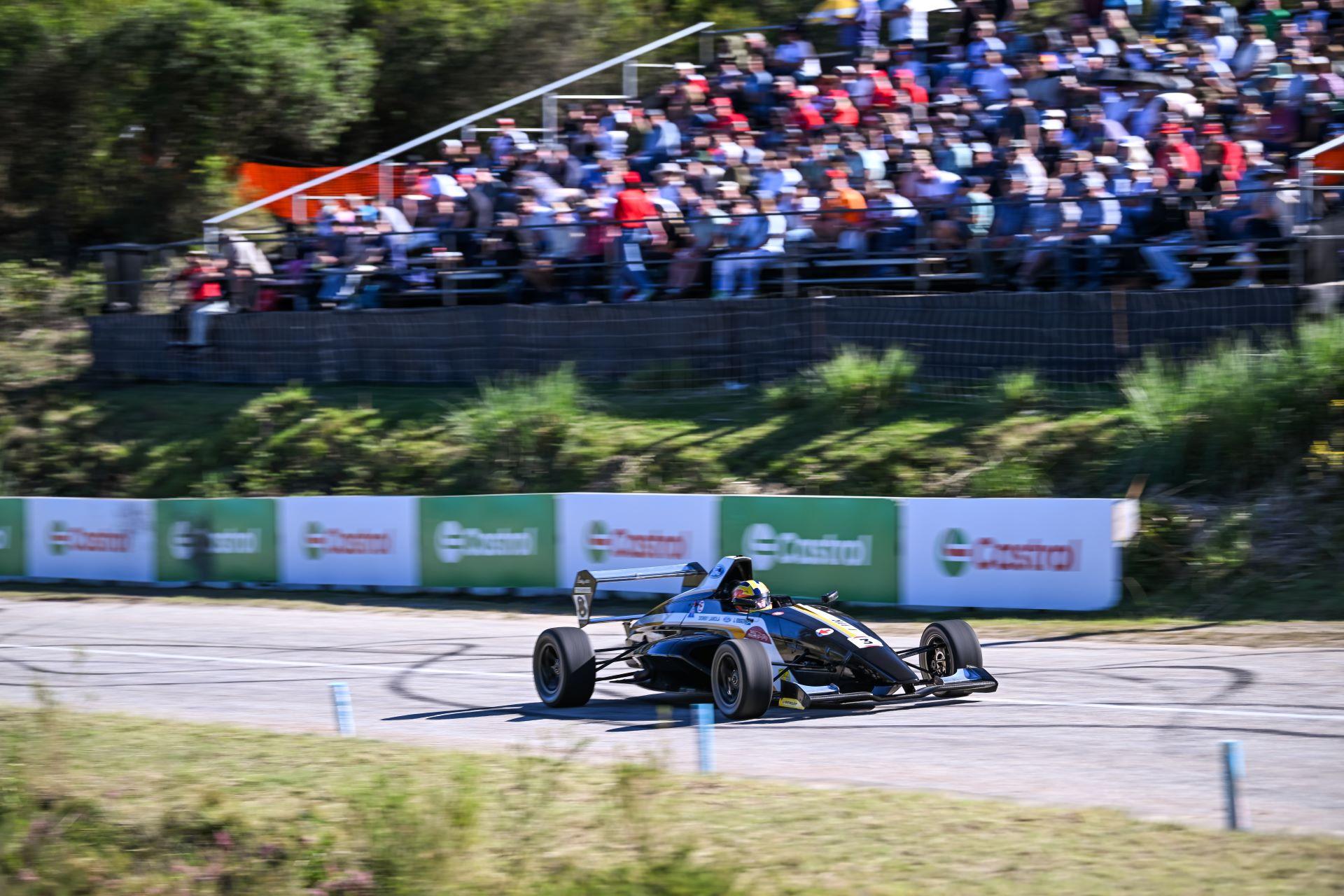
Few motorsport events in the country carry the same theatrical tension as Simola. It is not a circuit carved for racing, but a ribbon of public road transformed into a high-stakes sprint against gravity and nerve. For Volkswagen, it’s the perfect stage to celebrate a legacy built not just on mobility, but on momentum.
Mike Rowe, head of the Volkswagen Driving Experience, frames the event as something rare in the motorsport calendar. The absence of a permanent racing facility gives it a certain rawness, a sense that the machines are briefly borrowing the mountain rather than conquering it. That rawness is matched by a fanbase that arrives hungry for spectacle, making Simola as much about emotion as it is about engineering.
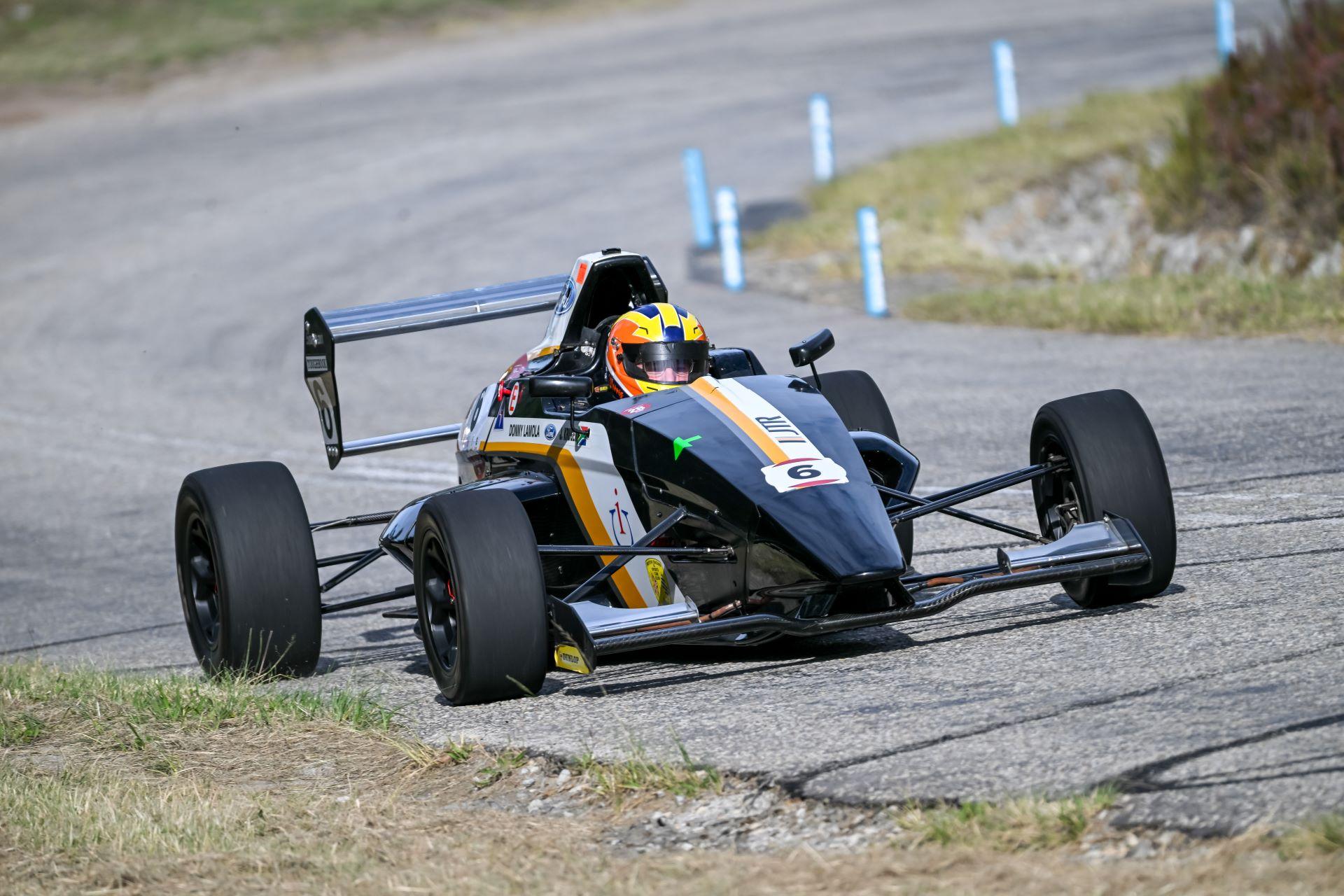
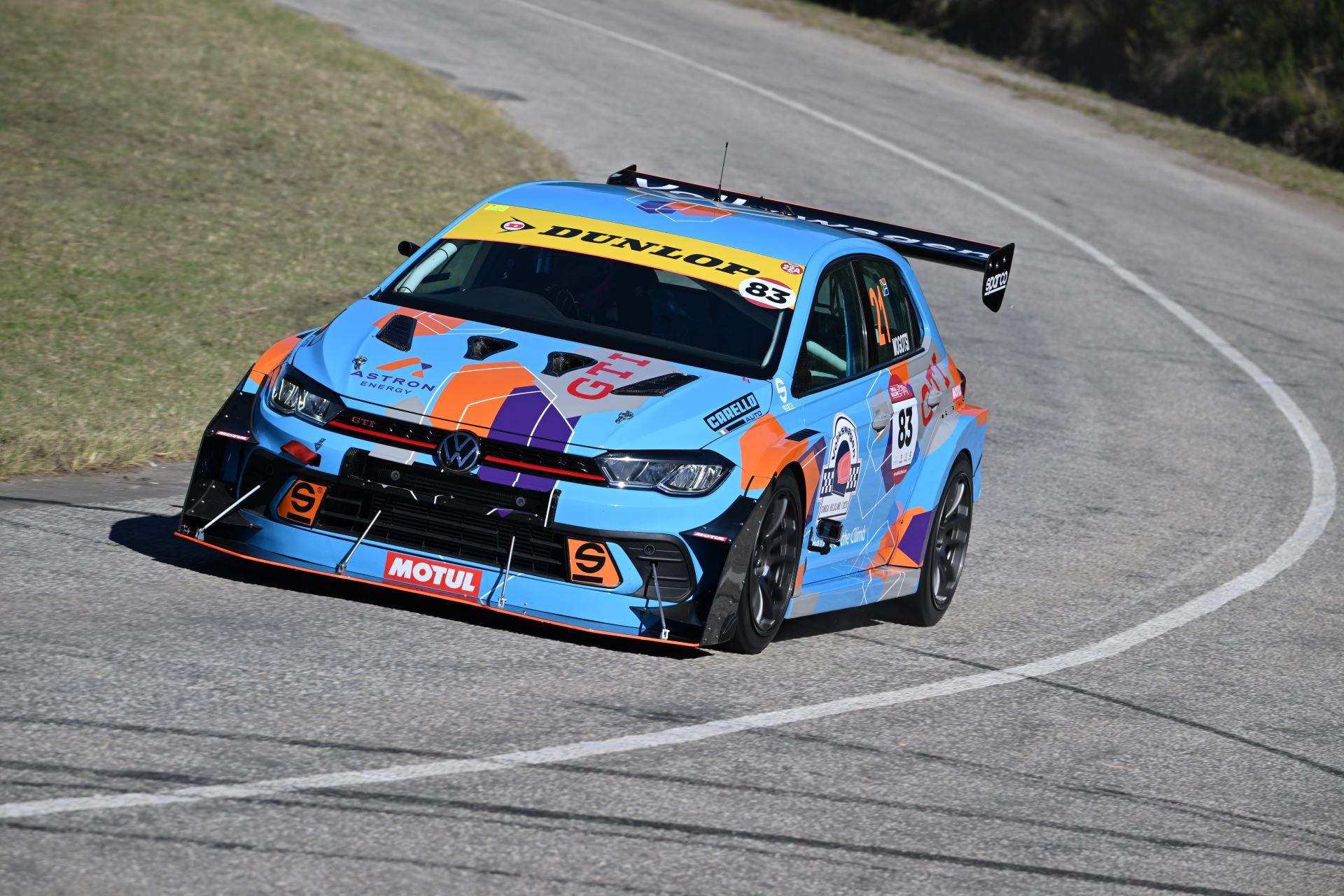
This year, the brand’s presence leans into a proudly local heartbeat. Instead of importing global rallycross icons as it did with Petter Solberg and Johan Kristoffersson in previous years, Volkswagen is crafting something closer to home. A purpose-built contender, designed and produced in South Africa, will take on King of the Hill duties. Behind the wheel is Jonathan Mogotsi, a driver whose trajectory is accelerating fast, with his upcoming appearance at the Nürburgring 24 Hour adding a layer of narrative tension to his Simola campaign.
There is something quietly poetic about that shift. A global brand, rooted in local soil, choosing to back homegrown talent on homegrown tarmac. It’s less about spectacle imported from afar and more about confidence in what’s being built within its own borders.
Alongside this new challenger, Volkswagen is giving one of its most significant machines a proper farewell. The SupaCup Polo ‘Chassis 01’, the original concept that laid the groundwork for a championship-winning formula in South Africa and beyond, will make its final competitive appearance. Graeme Nathan, who played a hands-on role in its creation, returns to guide it up the hill one last time before it transitions from racer to relic, destined for preservation rather than competition.
The modern era is well represented too. Two Golf GTI 8.5 models will compete in the standard production vehicle category, piloted by Rory Atkinson and Matt Merton. Their runs will offer a different kind of thrill, one rooted in accessibility, where performance feels just within reach rather than locked behind exclusivity. Meanwhile, Golf R models will carry VIP passengers up the hill, turning the climb into a visceral brand experience rather than just a spectator sport.
Volkswagen’s involvement stretches beyond the cars themselves. A dealer incentive programme will bring selected partners into the fold, transforming the event into a shared celebration rather than a distant showcase. It’s a subtle but effective reminder that milestones are best marked collectively.
For Ian Shrosbree of the Knysna Speed Festival, Volkswagen’s continued commitment has helped elevate the event’s stature both locally and internationally. The combination of world-class machinery, ambitious local engineering, and a setting that refuses to behave like a traditional racetrack creates a unique gravitational pull for fans and competitors alike.
Seventy-five years after its first local assembly lines began humming, Volkswagen is not simply looking back. At Simola, it’s compressing past, present and future into a few explosive seconds up a hill, where legacy is measured not just in years, but in the courage to keep climbing.