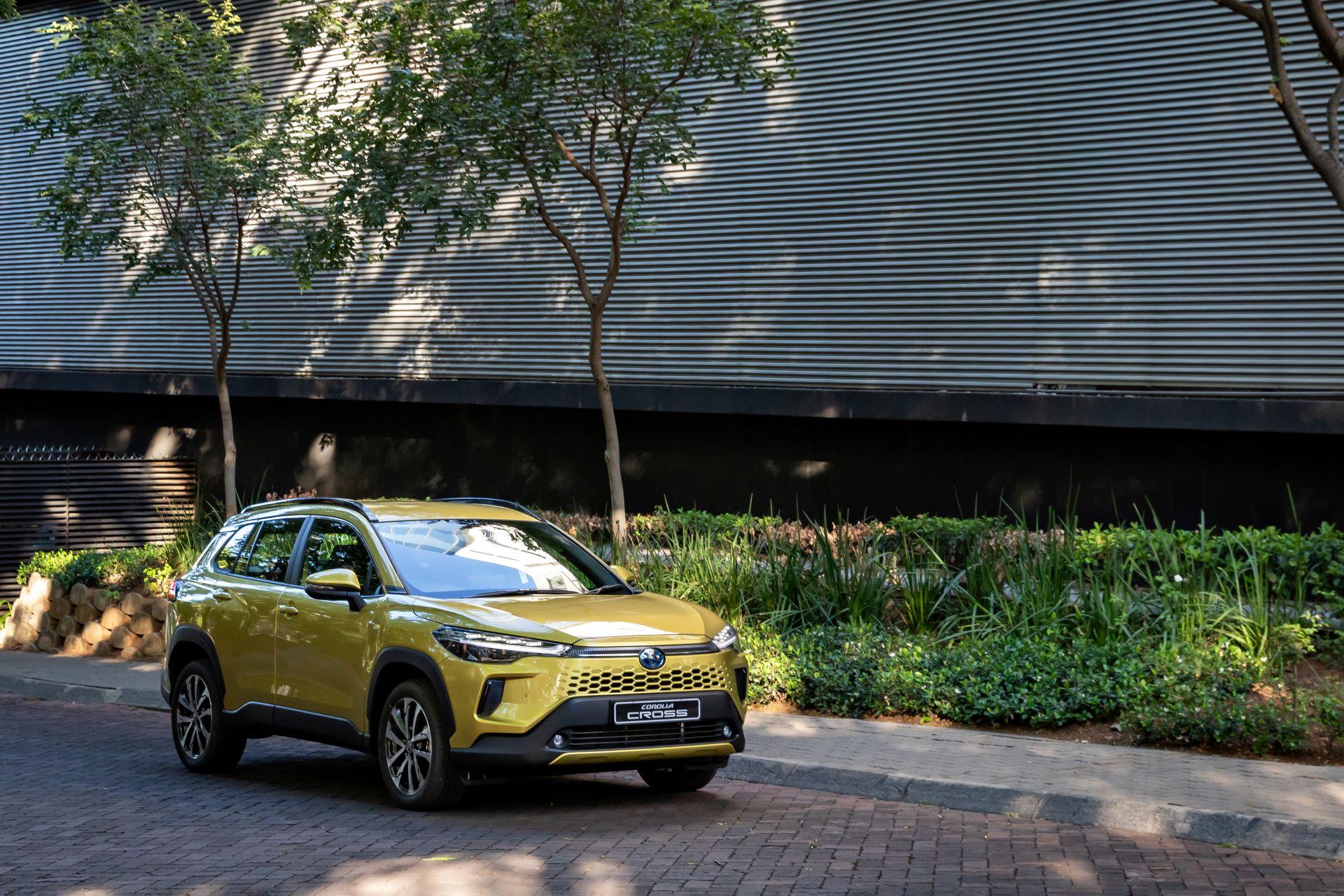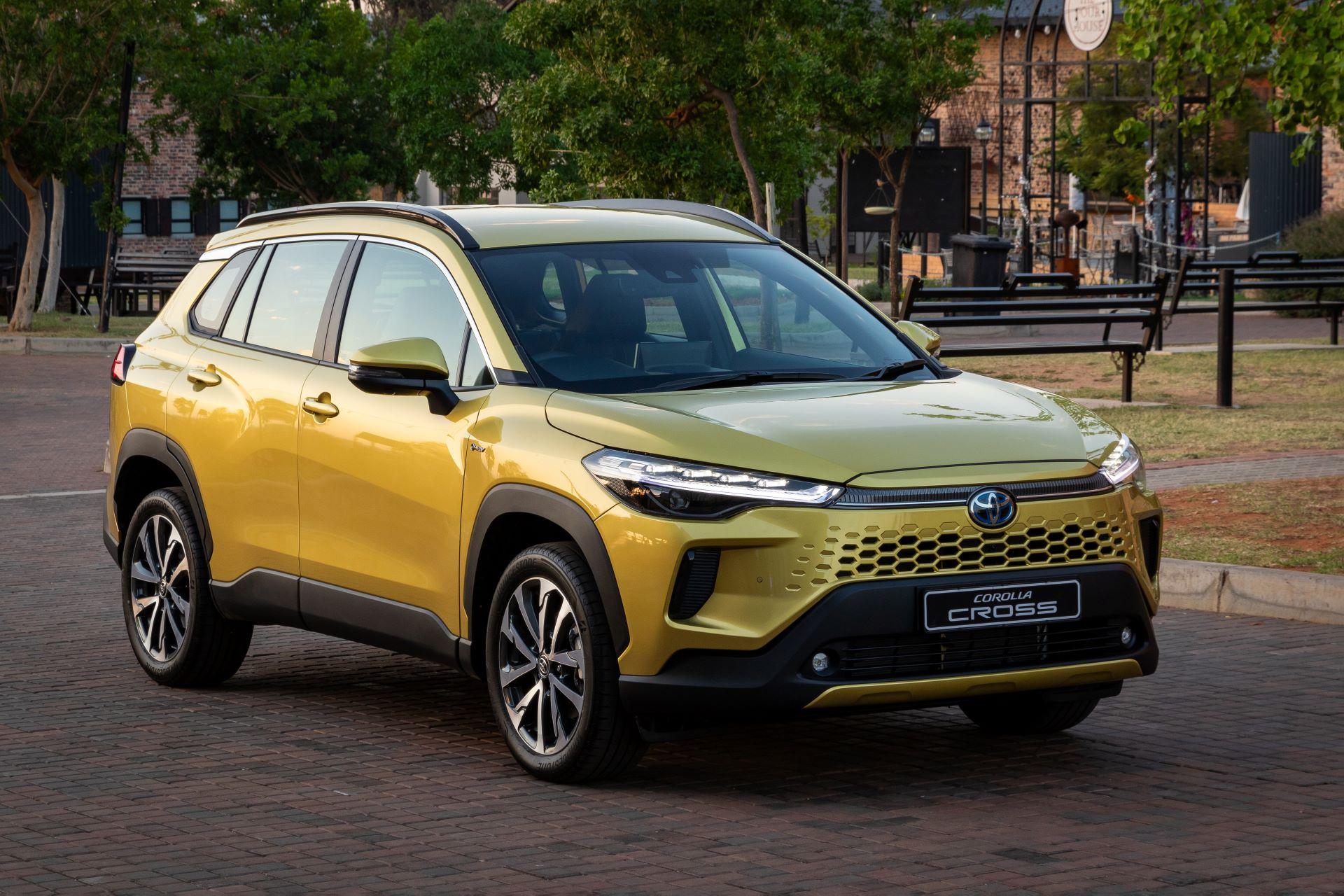




The Automobile Association (AA) has raised serious concerns following the latest #SaferCarsForAfrica campaign crash test results from Global NCAP, which revealed that the Toyota Corolla Cross received a two-star rating for adult occupant protection. While the vehicle achieved three stars for child safety, the assessment highlighted significant safety shortcomings for adults in the version sold across African markets, including South Africa.
Adult Protection Falls Short
The locally manufactured Toyota Corolla Cross comes equipped with driver and passenger frontal airbags, side body airbags, a driver knee airbag, and Electronic Stability Control (ESC). Despite these features, the vehicle lacks standard side head protection for both front and rear occupants—a critical safety component recognised globally as essential for modern vehicle safety.
Global NCAP’s testing exposed several worrying deficiencies: the footwell area was unstable and incapable of withstanding further loading, while the side pole impact test could not be conducted due to the absence of side head protection. This omission leaves occupants’ heads exposed to severe injury risks, even in low-speed side collisions with objects such as poles or trees. Side impact results were more encouraging, showing good protection for the abdomen and pelvis, and adequate protection for the chest.
Child protection testing earned three stars, yet concerns remain. The lack of passenger airbag disconnection and the exposure of a three-year-old dummy’s head during both side and frontal impacts highlight ongoing gaps in child safety.

AA Calls for Equal Safety Standards
The AA is advocating strongly for African consumers to receive the same safety protections as those available in other international markets. Bobby Ramagwede, CEO of the AA, emphasised the urgency of the matter:
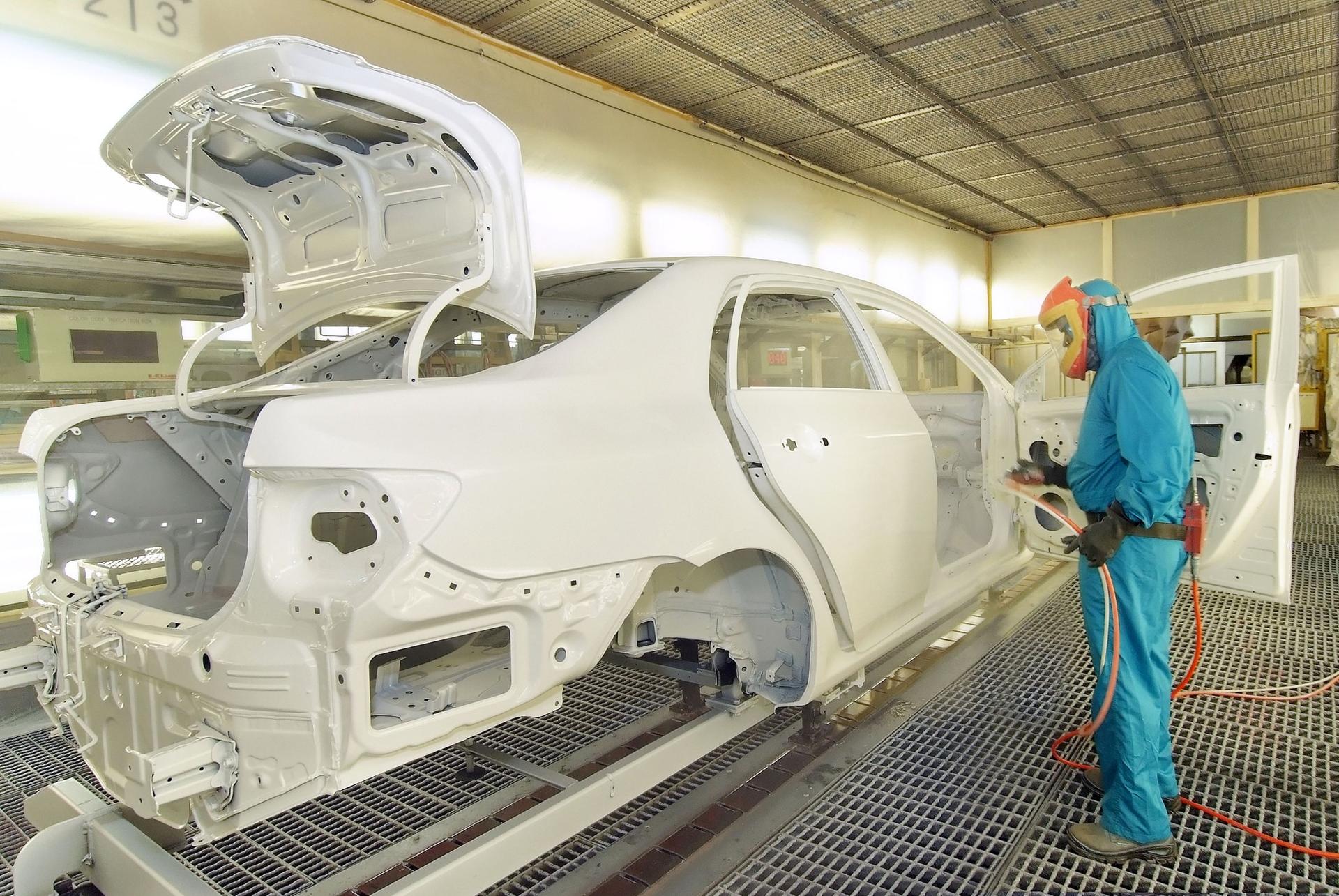
“These results are deeply concerning. There really is no excuse for the lack of side head protection in the popular Toyota Corolla Cross. South African motorists deserve better, especially as this vehicle is locally built for local consumption at Toyota’s Prospecton plant in KwaZulu-Natal. Safety should never be an optional extra.”
Ramagwede added that the two-star rating reinforces the need for stronger regulatory standards and increased manufacturer accountability. The AA is calling for side head protection to become standard for all vehicles sold in Africa, arguing that no vehicle should be sold without it.
Global NCAP Supports Safety Equity
Global NCAP CEO Richard Woods echoed these sentiments, stating:
“Manufacturers like Toyota know how to build safer vehicles, and consumers in Africa deserve the same levels of safety performance fitted standard in other parts of the world. Highlighting this disparity and democratising vehicle safety in Africa is a Global NCAP priority.”
The AA fully backs this position and continues to press for stronger safety regulations, greater transparency from vehicle manufacturers, and corrective actions in response to NCAP findings. This may include modifications on the production line or recalls to address safety gaps.
Towards a Safer Africa
The AA is also advocating for the establishment of a dedicated Africa NCAP programme. Such a programme would enable more rigorous testing, provide greater transparency, and ensure that vehicles sold across the continent meet global safety standards.
About Global NCAP
The Toyota Corolla Cross was tested under the #SaferCarsForAfrica initiative, led by Global NCAP, a UK-registered charity working internationally to promote vehicle safety. Since 2014, Global NCAP has completed more than 100 safety assessments, driving improvements in vehicle safety in Africa and India. The organisation also produces IMPACT, a newsletter covering global road safety developments.
The AA’s position is clear: vehicle safety must be universal, not selective. African consumers deserve vehicles that meet the same standards as those sold elsewhere, and the call for action is now louder than ever.