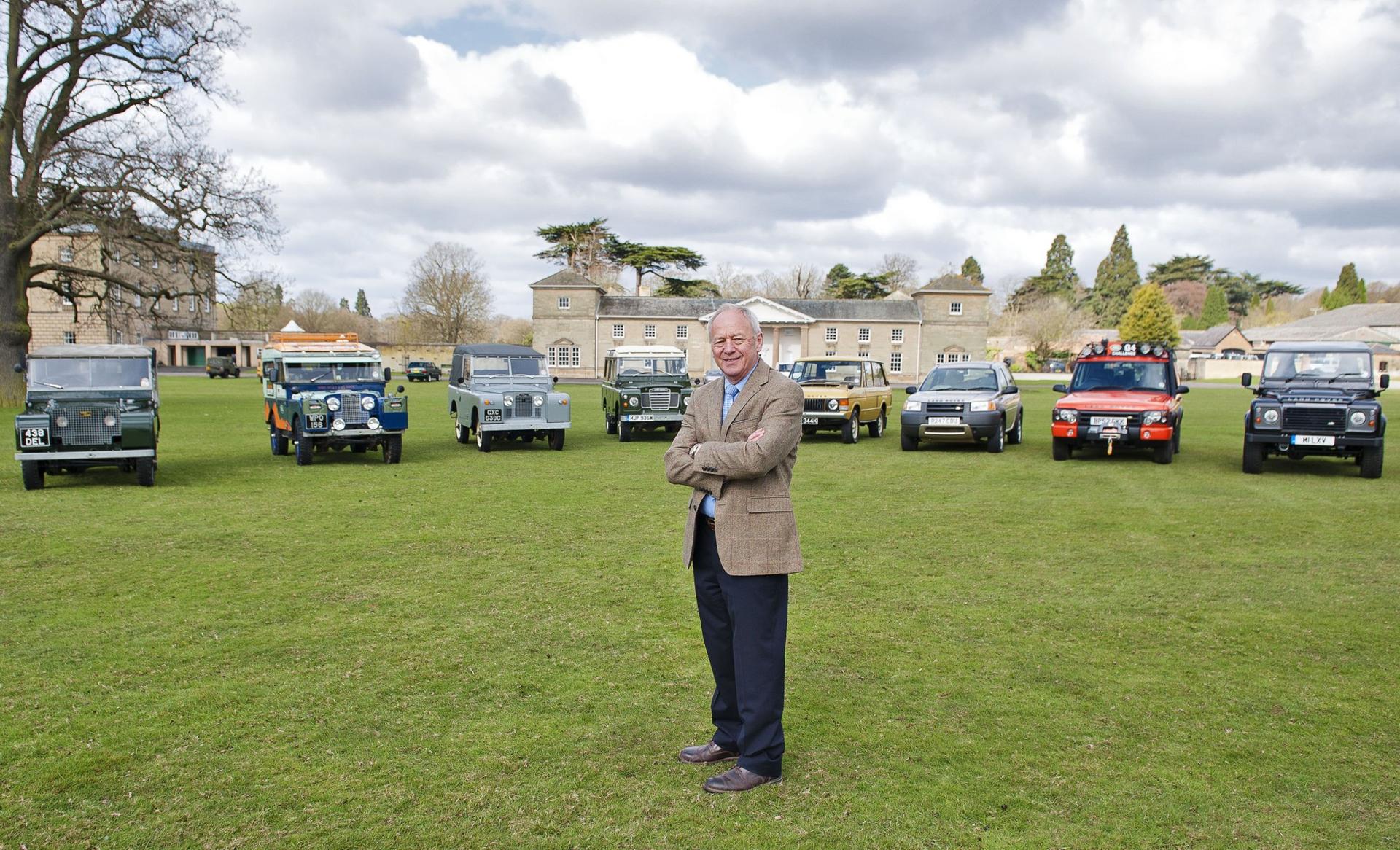
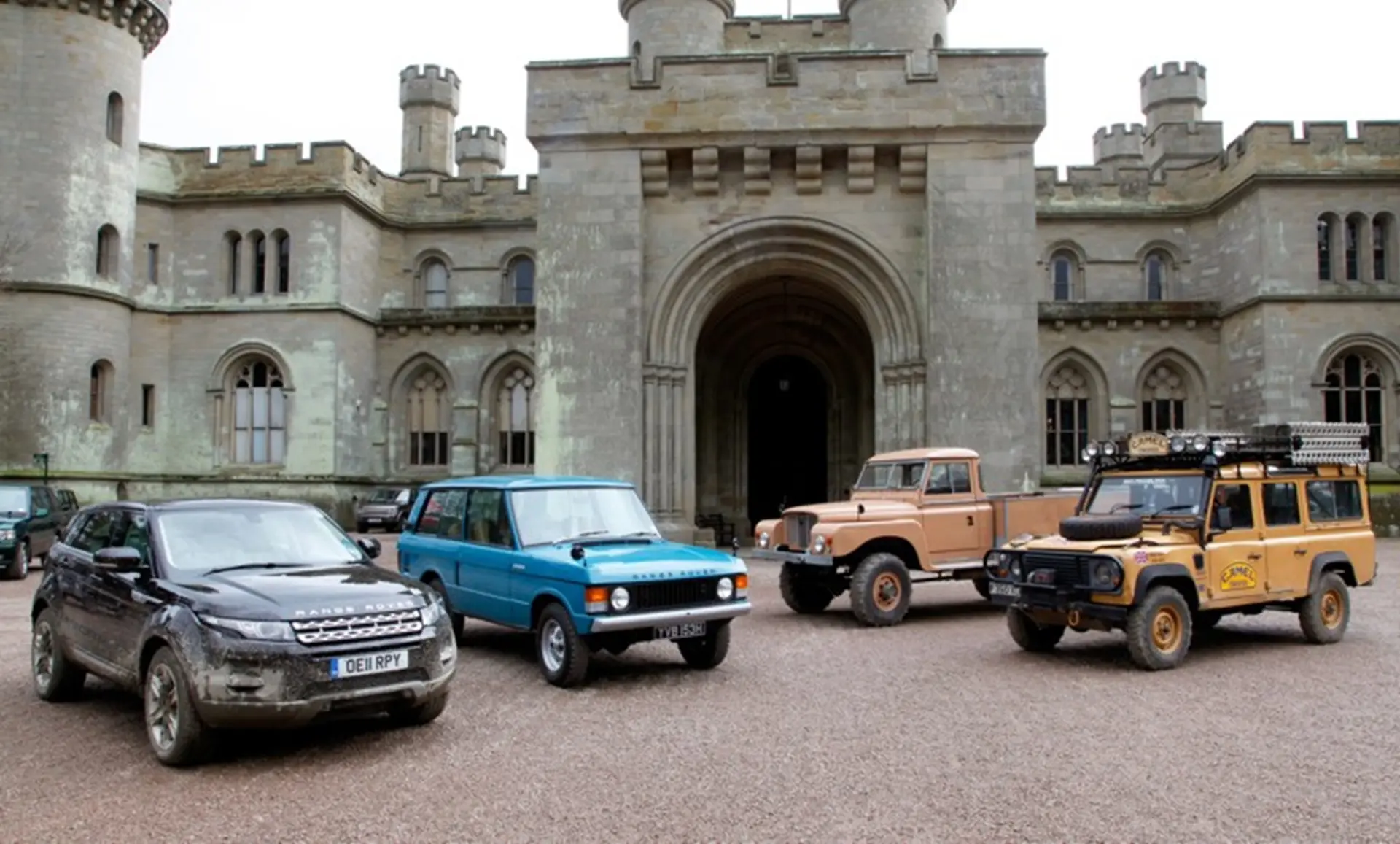
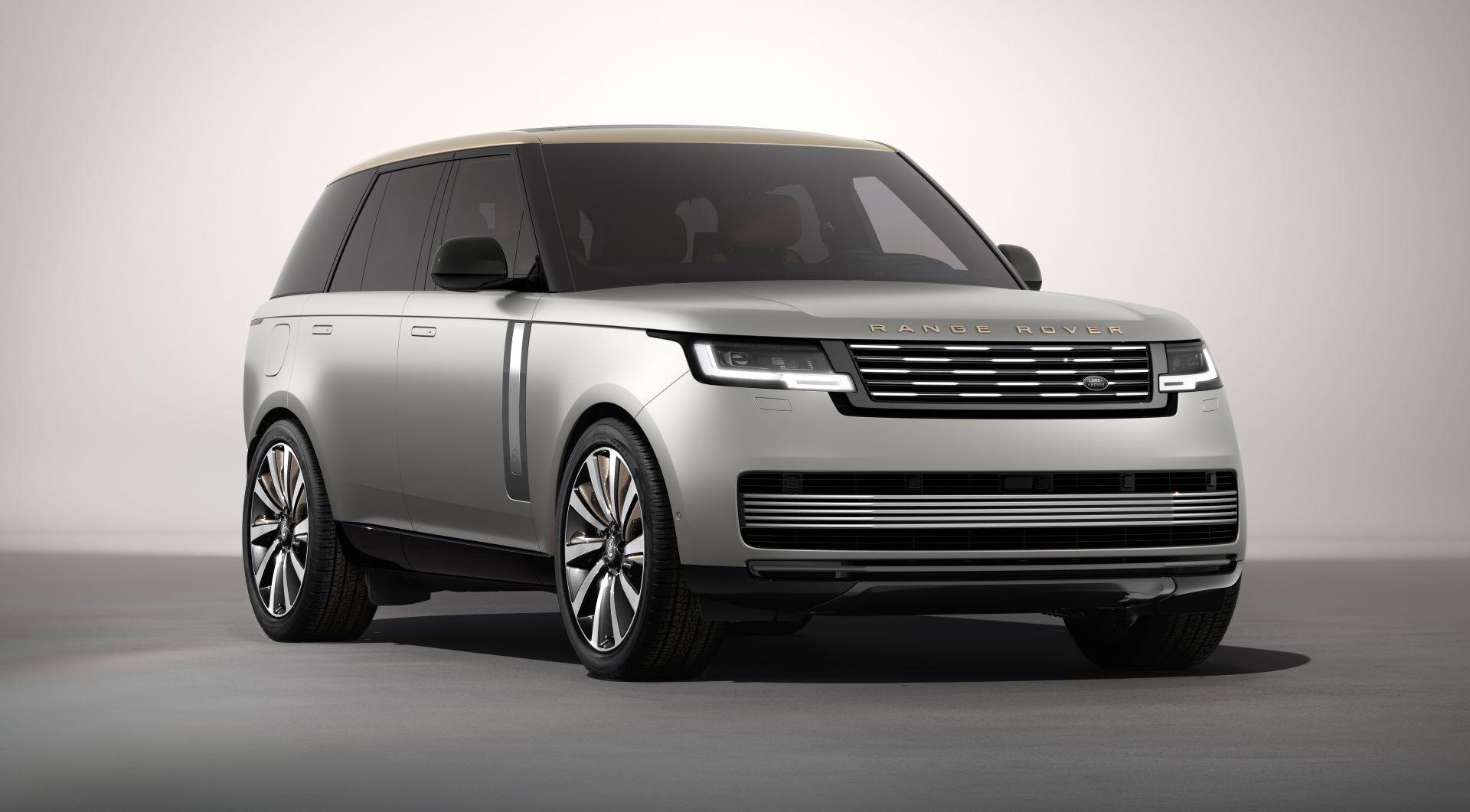
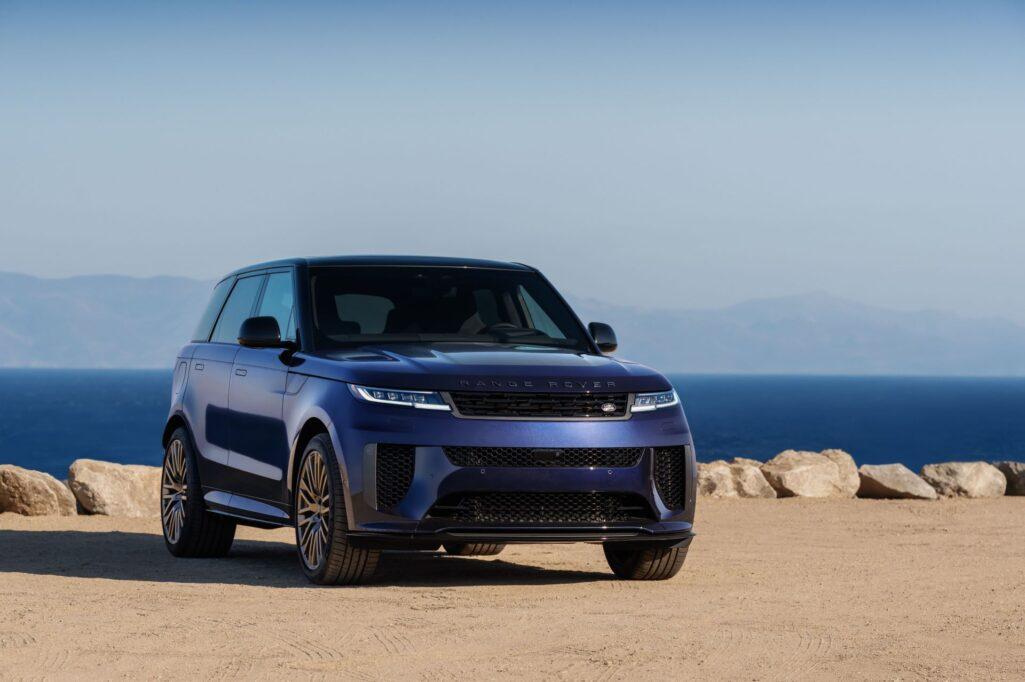
In looking around for something to build that would both keep the workface busy and tide the company over until a new Range Rover saloon could be put into production, the Wilks brothers – Spencer (managing director) and Maurice (engineering director) – hit on the idea of a lightweight four-wheel drive along the lines of the American army Jeep.
Maurice had a war surplus Jeep that he used on his Welsh Estate in Anglesey. When asked what he would do when it wore out, he replied: “Buy another one, I suppose.” This remark led directly to the development of the Land Rover, as the newcomer was to be called.
The original Land Rover was conceived as a workhorse for agricultural and industrial purposes and had simple aluminium bodywork to get around the steel shortage. It was only intended as a stopgap until saloon car production could begin again in earnest. But that plan was quickly reviewed.
As soon as it went on sale in 1948, demand was so strong that by 1951 it was outselling Rover’s saloons by two to one. As the Land Rover was a basic working vehicle, the Wilks brothers believed there was a market for a more civilised hard top version and in late 1948 unveiled a Station Wagon.
Partly because it was more than twice the price of the Land Rover (thanks to the addition of Purchase Tax) and partly because it was so cramped inside – it was built on the original Land Rover’s 80-inch wheelbase after all – the original station wagon was not a sales hit. But Rover continued with the idea and, through into the late 1950’s a series of “Road Rover” estate prototypes appeared. None, however, made it into serious production.
In the mid 1960’s, Rovers newly formed New Vehicle Projects division came back from a visit to America with reams of research data suggesting there was a growing market in four-wheel drive leisure vehicles. Rover sales had never been strong in America – the world’s biggest car market – and this was too good an opportunity to miss.
The research was timely. The suspension system developed for the company’s latest road car, the avant-garde Rover 2000, had proven to give an excellent ride over rough ground thanks to its long wheel travel while development rights had been secured for a lightweight 3.5-litre V8 from General Motors. Combine the two in a more civilised Land Rover ‘estate’ and the Road Rover idea might finally work.
In July 1966, New Vehicle Projects (NVP) started working on a vehicle that was to have saloon car levels of performance, handling, ride comfort and refinement but with all the ruggedness and ability of a Land Rover, including its four-wheel drive capability.
Initial sketches and layout options devised by the NVP team led by Spen King, head of Rover’s research and development, and backed by engineer Gordon Bashford and stylist David Bache, came up with a handsome three-door estate car built on a 100-inch wheelbase. The project was known internally as the 100-inch Station Wagon.
Although the new vehicle was to have a tough box-section chassis with a rigid body mounted on top, the new project differed considerably from the Land Rover in having long travel suspension with low-rate coil springs, rather than the traditional leaf springs.
It was also to have more power, thanks to the new V8, and was to have permanent four-wheel drive both to allow on-road handling in slippery conditions and also to ensure the V8’s torque could be split equally between front and rear axles rather than having to have a tougher, and therefore heavier, rear axle which would have spoilt ride comfort.
The body itself was designed with upcoming American safety regulations in mind and, as a result, unusually strong. It was created using a rigid steel shell onto which aluminium panels were hung. Another unusual feature of those early designs – and one which has stayed with the vehicle ever since – was the horizontally split rear tailgate.
Despite work having started only the previous July, a full-size mock-up of the 100-inch Station Wagon was shown to senior management in January 1967. And it wasn’t only Rover Management who saw the proposal. It was also seen by Donald Stokes, chief executive of Leyland Motors, the architect of the merger of the two companies that formed British Leyland later that year. Stokes was enthusiastic about the vehicle and the project – unlike some others on drawing boards at the same time – was given the go-ahead.
Now under the Concept Oyster code-name, the project was extensively market researched and prototypes developed. The first running vehicle was ready in September 1967 and to confuse anyone who might see the machine, it was badged not as a Rover but as a Velar, and acronym for Vee Eight Land Rover.
At around this time the subject of a name for the vehicle was debated. Road Rover again surfaced but at the suggestion of a member of the Styling Department, the name of Range Rover was finally chosen.
Originally the plan was to launch the vehicle at the 1970 Geneva Motor Show and to enter a team of three Range Rovers in the London-Mexico World cup Rally of April that year. That went by the board as the programme slipped behind schedule – Austin Maxis and Triumph 2.5Pls were used instead.
The vehicle was eventually unveiled to the media on June 17. The launch site was Falmouth in Cornwall. As well as some fine roads, journalists had the opportunity to try the vehicle on a disused airfield and on a steep off-road section near St Agnes. At launch it was described as the Car For All Reasons.
Those early Range Rovers might have had a mechanical sophistication for surpassing the Land Rover of the day, but it was still seen as working machine. The ‘hose-out’ interior had vinyl seats and moulded plastic floor covering despite the price tag.
Range Rover was an instant critical success and was regarded as the first genuinely multi-purpose vehicle: a practical load carrier with remarkable on-road agility that could also double as a long-distance express. The commanding driving position was among the many features given high praise.
The 1970’s were a bleak time for manufacturing in the UK. Strikes, the three-day week and general political unrest dogged the British motor industry. A lack of cash for investment at British Leyland (BL) meant that the 1970’s saw little development of the Range Rover. With the vehicle selling well, indeed, BL management argued that there was no need to change a winning formula, especially as it had already exceeded its expected lifespan.
By the end of the 1970’s, the situation changed dramatically. Land Rover became part of Jaguar Rover Triumph, which took it away from the fund sapping demands of the mainstream Austin Morris end of the business and that meant more money was available to develop the trendsetter.
The first half of the 1980’s saw many changes and improvements to this world-leading vehicle. Gradually this utilitarian nature of the Range Rover gave way to a more luxurious approach. Velour seats were introduced, replacing the original vinyl and later brushed nylon coverings, and factory fitted air-conditioning was finally available, vital for the expanding Middle East Market.
More luxury came in a limited edition of Range Rovers converted for the factory by specialists Wood and Pickett. Initially called IN Vogue, the run of 1000 Range Rovers had a far more upmarket feel with wood fittings, a carpeted boot area, air conditioning and special interior paint finishes. The name came about after the vehicle was featured as a prop in a fashion shoot for the magazine Vogue – the Range Rover Vogue was born.
And with it came the upmarket luxury Range Rover as we know today. Soon a four-door body was added to the line-up (which quickly became the Range Rover of choice around the world) and later came automatic transmission, a smoother five-speed manual and revised suspension for even greater ride comfort.
Diesel engines followed – there was even an aborted diesel version of the V8 developed – as did anti-lock brakes. The Range Rover became the world’s first SUV to get anti-lock brakes as standard. And, in 1987, the Range Rover finally went on sale in North America.
Perhaps the biggest change in Range Rover’s final years was the arrival of sophisticated, computer-controlled height-adjustable air suspension. Introduced on the most luxurious Range Rover yet – the Vogue LSE – the air suspension provided a taste of the future, as it was to be a major feature of the second generation Range Rover, codenamed P38A and introduced in the market in 1994.
The second generation Range Rover was designed to be just as effective off-road as the original – or Range Rover Classic as it became known – but even better to drive on-road. A new body combined essential styling cues from the original but in a more contemporary shape, while mechanical changes embraced new, more powerful versions of the faithful V8. A 4.0-litre version developed 190 bhp (brake horse power) while the range topping 4.6-litre version promised a healthy 225 bhp. A new intercooled and turbocharged 2.5-litrre straight six diesel from BMW was available from the outset.
Further refinements of the air suspension system helped provide the vehicle with a limousine-like ride and the vehicle was instantly popular in North America, being voted the Millionaire’s Choice Sport Utility by readers of the Robb Report. Sales of the second-generation vehicle have consistently outstripped those of the Classic at its peak.
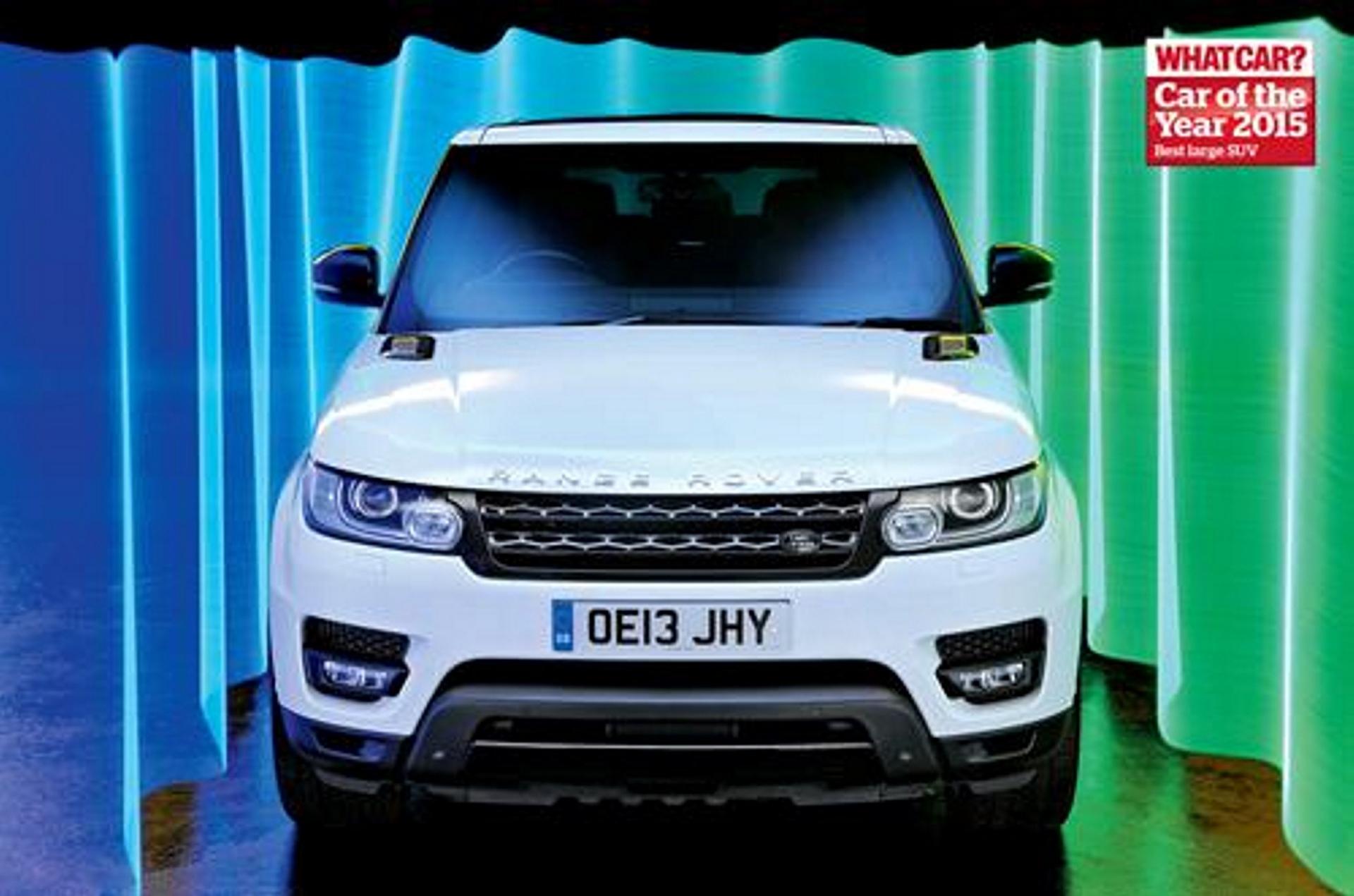
The third generation Range Rover, like its predecessor, was designed to provide even greater on-road driving sophistication and comfort as well as improving its already legendary off-road ability. The new chassis, new suspension, new drivetrain and new styling – again, putting a contemporary slant on traditional Range Rover features meant the continuation of the remarkable story of a remarkable vehicle.
While the Classic lasted an exceptional 26 years – it was finally retired in 1996 after 317,615 units had been built – the market segment it created has grown so rapidly world-wide that such longevity will possibly never be seen again. The second generation was a top seller for seven years.