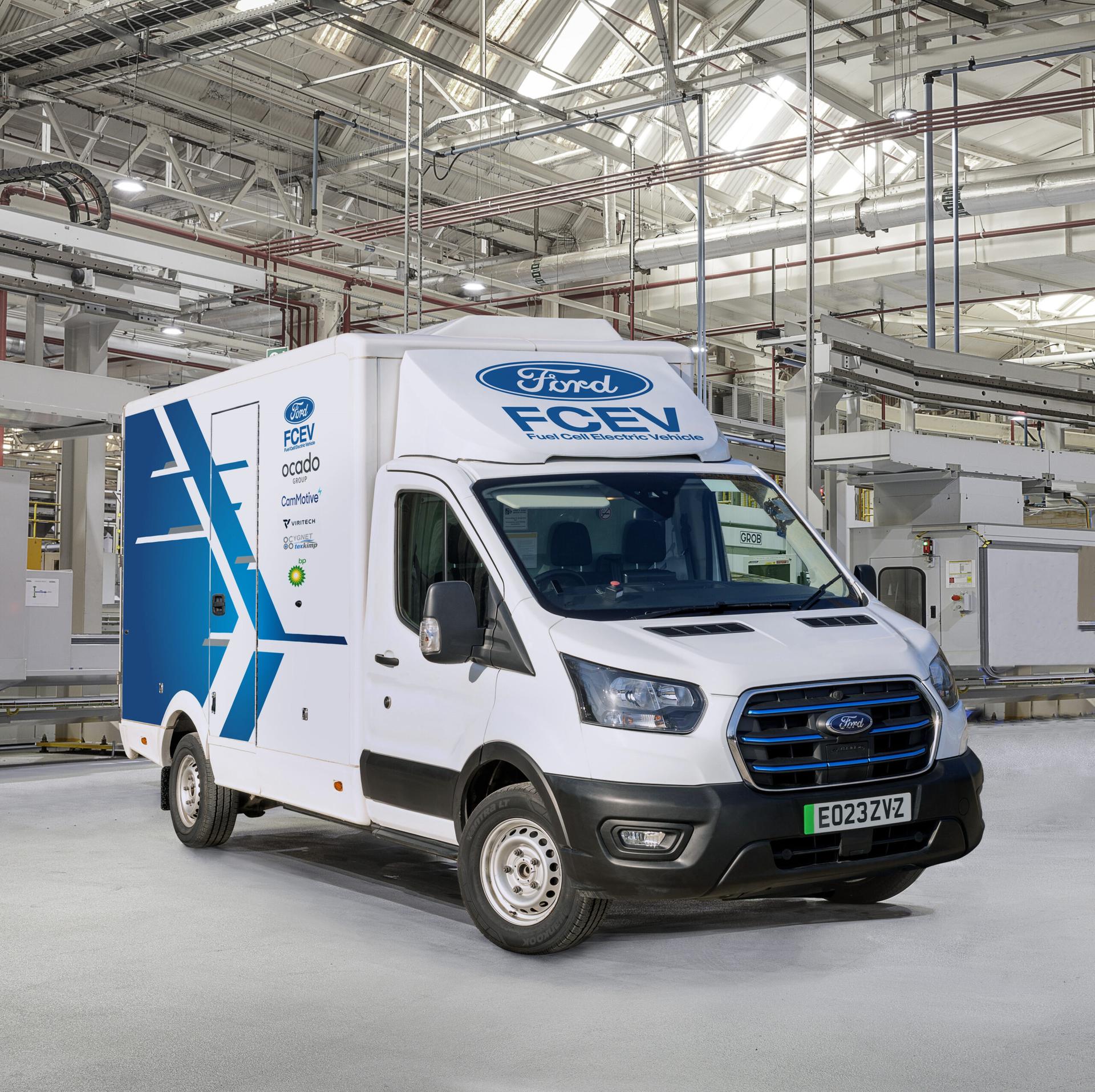



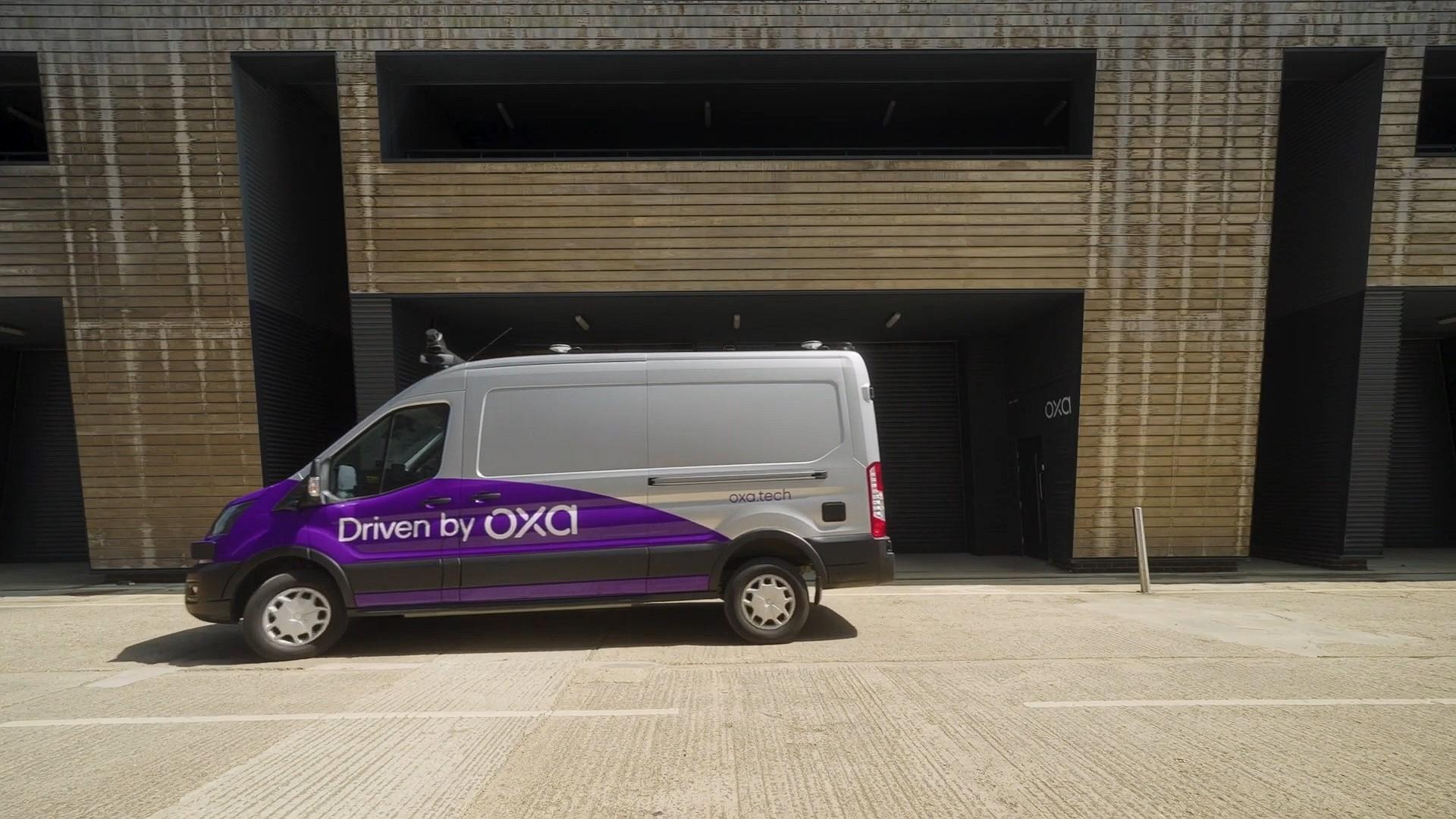
Oxford, UK – 29th October 2024 – In a breakthrough for autonomous vehicle technology, Oxa has launched autonomous versions of Ford’s E-Transit van and minibus, now operational on both UK and US roads. Equipped with Oxa Driver software, this marks a significant milestone toward the commercial deployment of self-driving vehicles, merging Ford’s best-selling large electric van with cutting-edge autonomy to revolutionize passenger and goods transport.
The Ford E-Transit, already a cornerstone in Europe’s electric commercial vehicle market, is now bolstered by Oxa’s autonomous driving capabilities, expanding its role as a cost-effective, flexible platform for logistics and passenger transport worldwide. “Making the Ford E-Transit available for autonomous operations is the next step on our journey to deliver safe, scalable, and sustainable autonomous solutions,” said Gavin Jackson, CEO of Oxa. “This vehicle represents an important milestone in our mission to reshape the future of passenger transportation and logistics.”
Oxa’s integration of its Reference Autonomy Designs (RADs) in the Ford E-Transit enables these vehicles to operate without a driver. RADs are foundational design blueprints, allowing rapid autonomy integration onto a host vehicle using Oxa’s software, sensors, and drive-by-wire systems. This methodology allows both vehicle OEMs and approved upfitters to efficiently manufacture AVs with flexible distribution and licensing, providing a model for scaling autonomous solutions across various commercial applications.
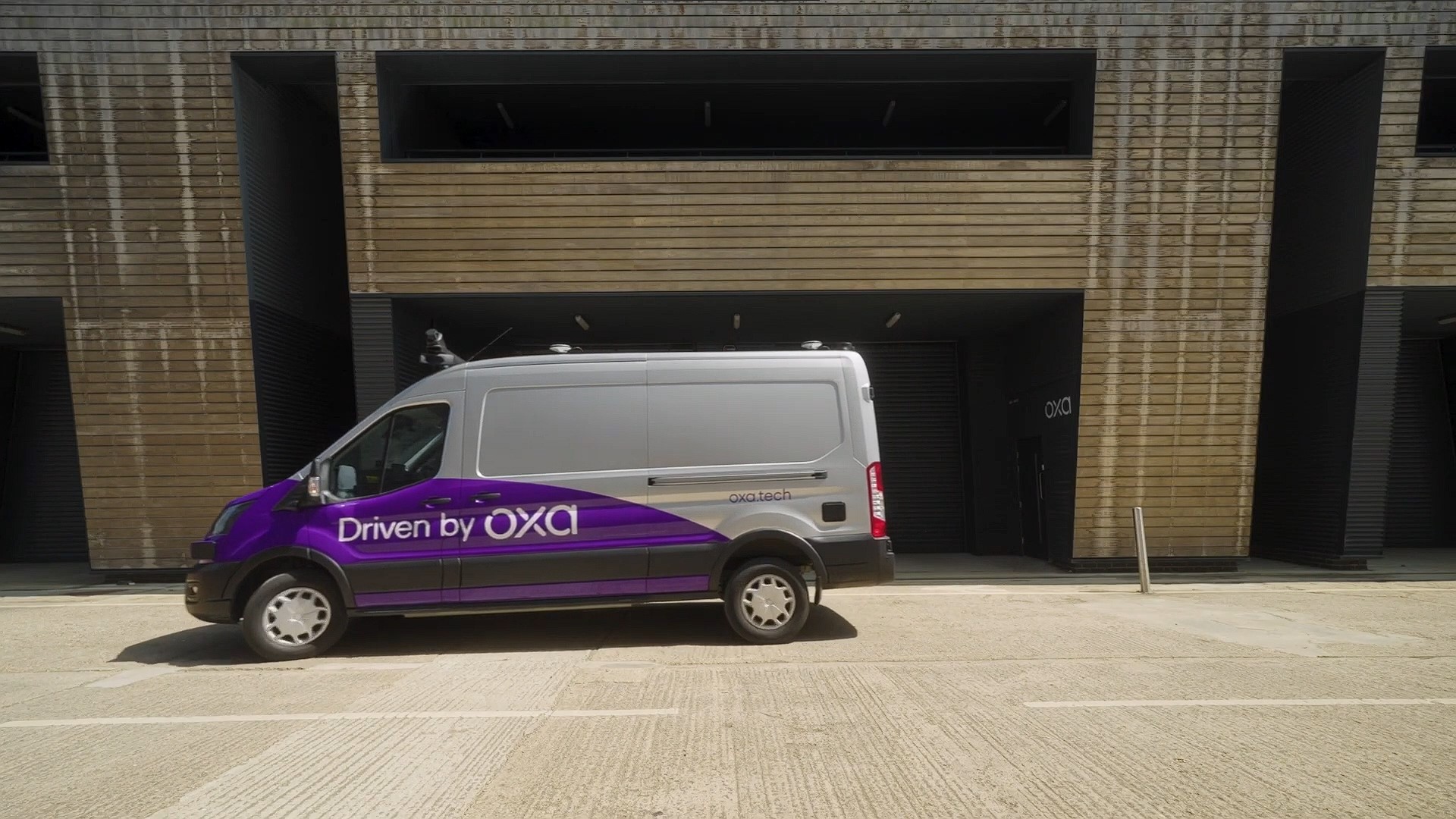
In both van and minibus configurations, the autonomous Ford E-Transit is equipped to integrate seamlessly into existing fleets, thanks to adaptable hardware and software that require no interior space compromises. The minibus configuration seats up to ten passengers, while the van variant caters to a range of logistics requirements. Oxa Driver software enhances vehicle longevity through optimized energy efficiency, while sophisticated sensors, including cameras, lidar, and radar, offer 360-degree perception and long-range detection. This enables reliable autonomous operation at speeds of up to 35 mph in mixed-traffic settings.
Safety and reliability remain paramount as these vehicles transition to real-world use. To guarantee this, Oxa employs an extensive testing protocol that includes controlled environments, live road testing, and virtual simulations powered by Spatial AI. Oxa’s digital twin simulations and generative AI facilitate accelerated training and deployment, enabling swift adaptation to customer-specific operational demands.
Ford E-Transit vans and minibuses, powered by Oxa’s self-driving software, are now commercially available for fleet integration, setting a new standard for autonomy in the commercial transportation industry. This partnership between Oxa and Ford demonstrates a promising step toward a safer, more sustainable, and more versatile autonomous future on the roads.