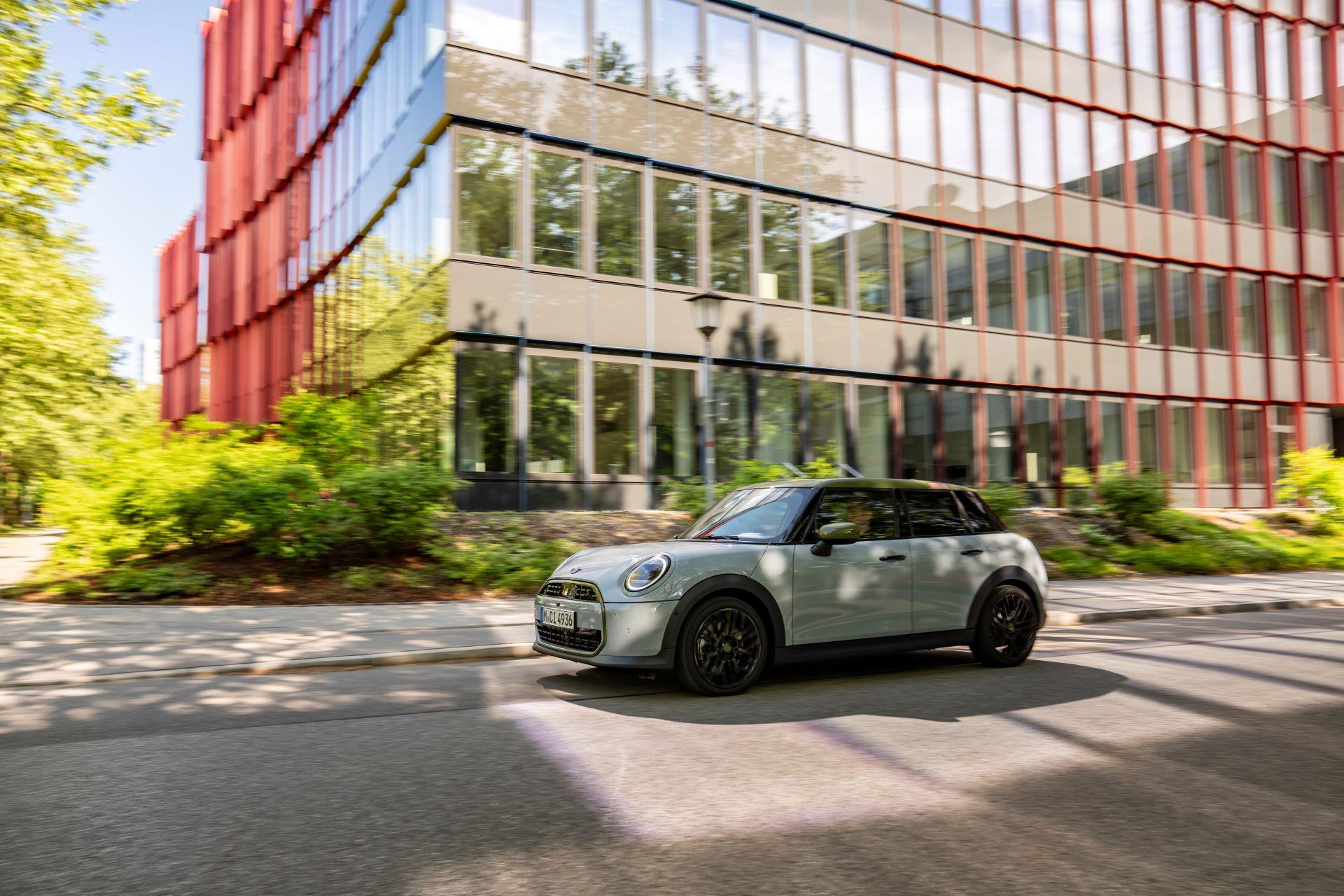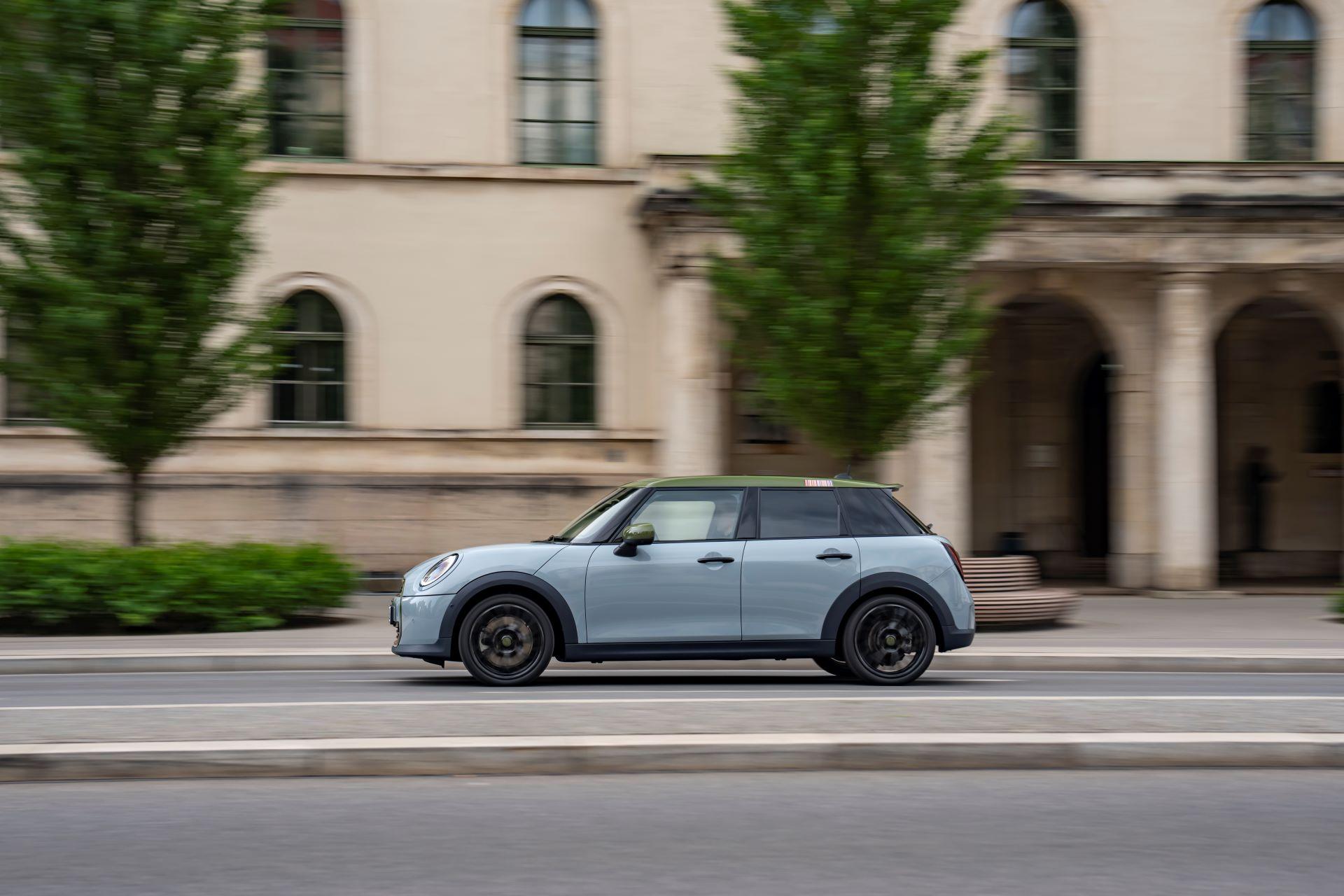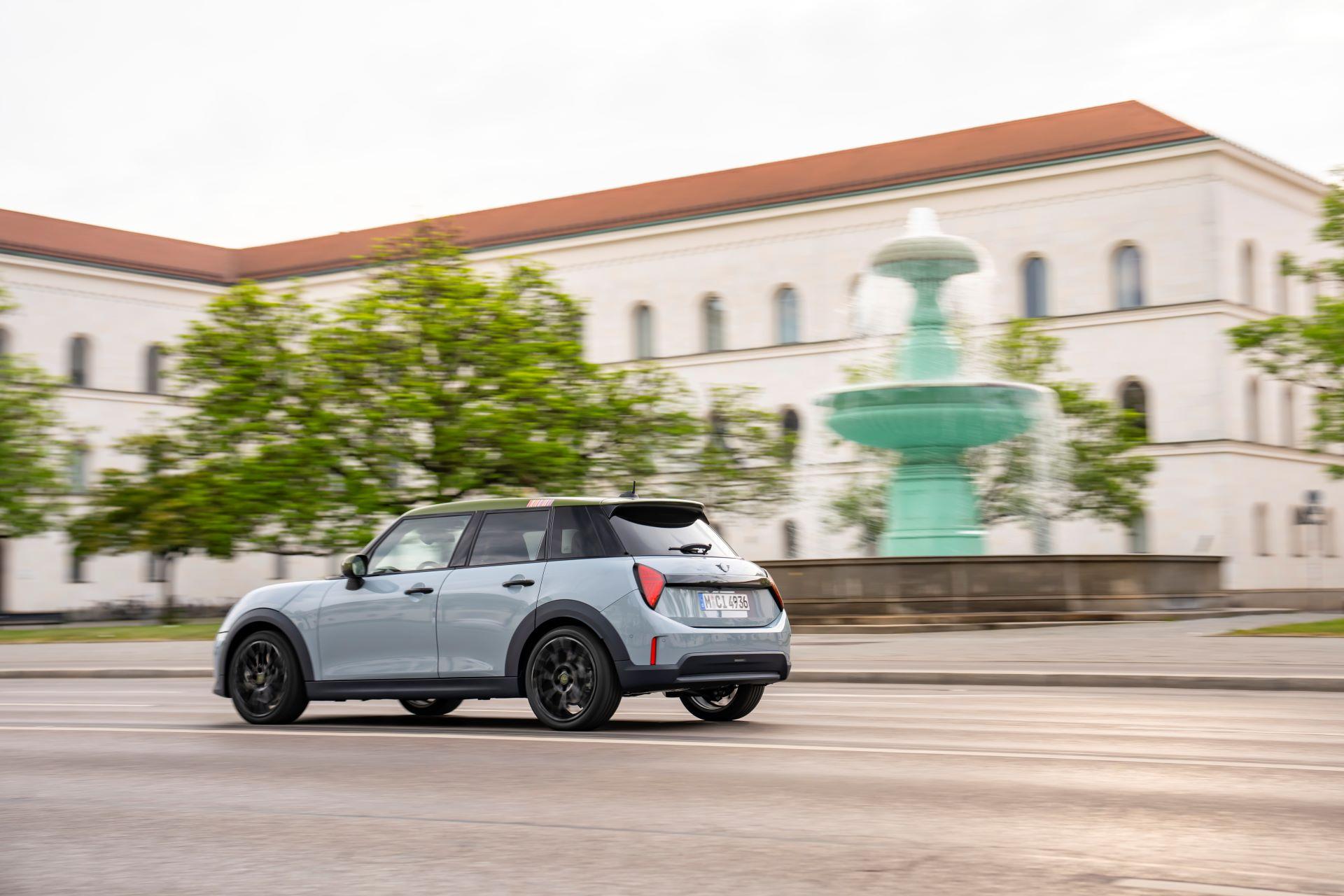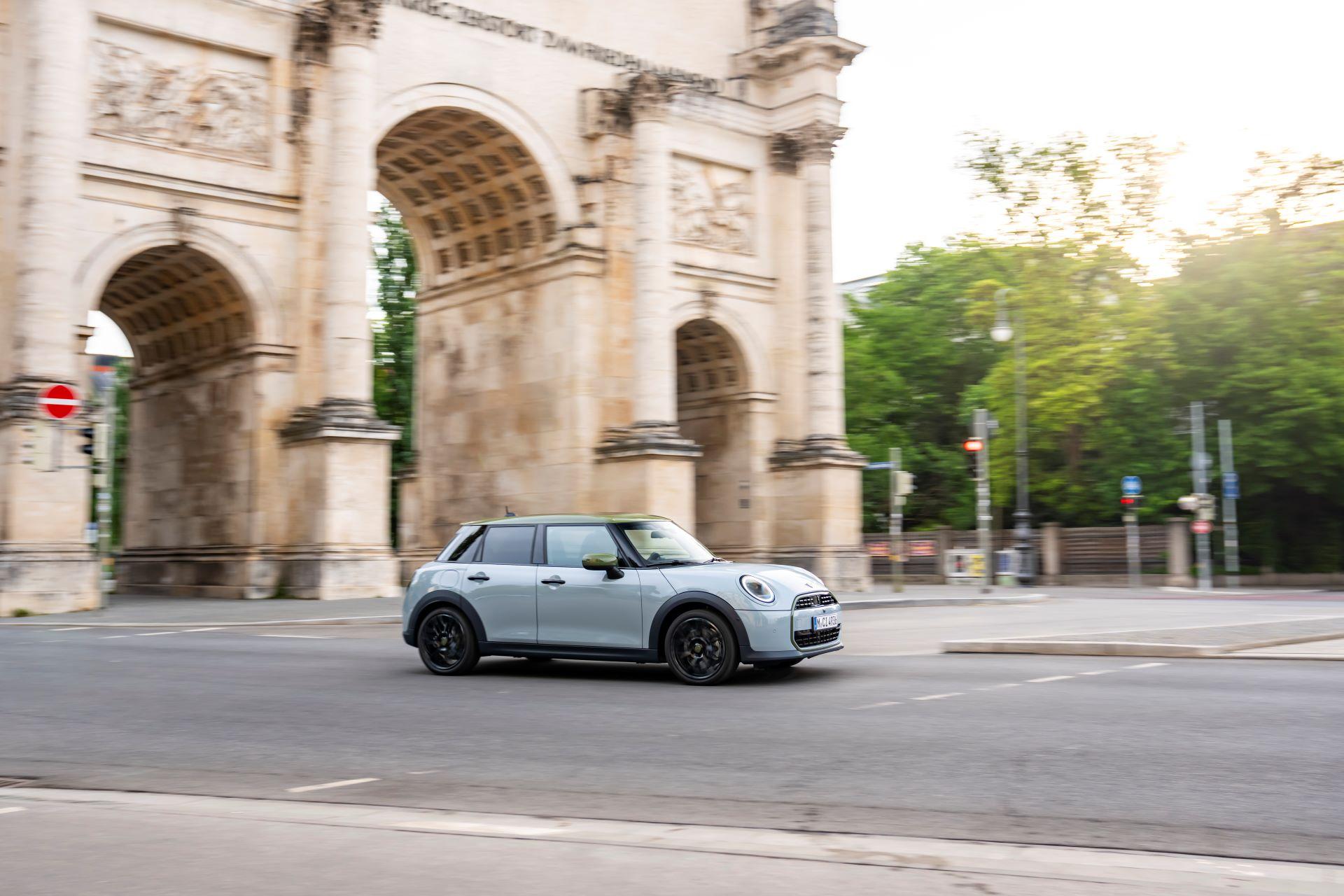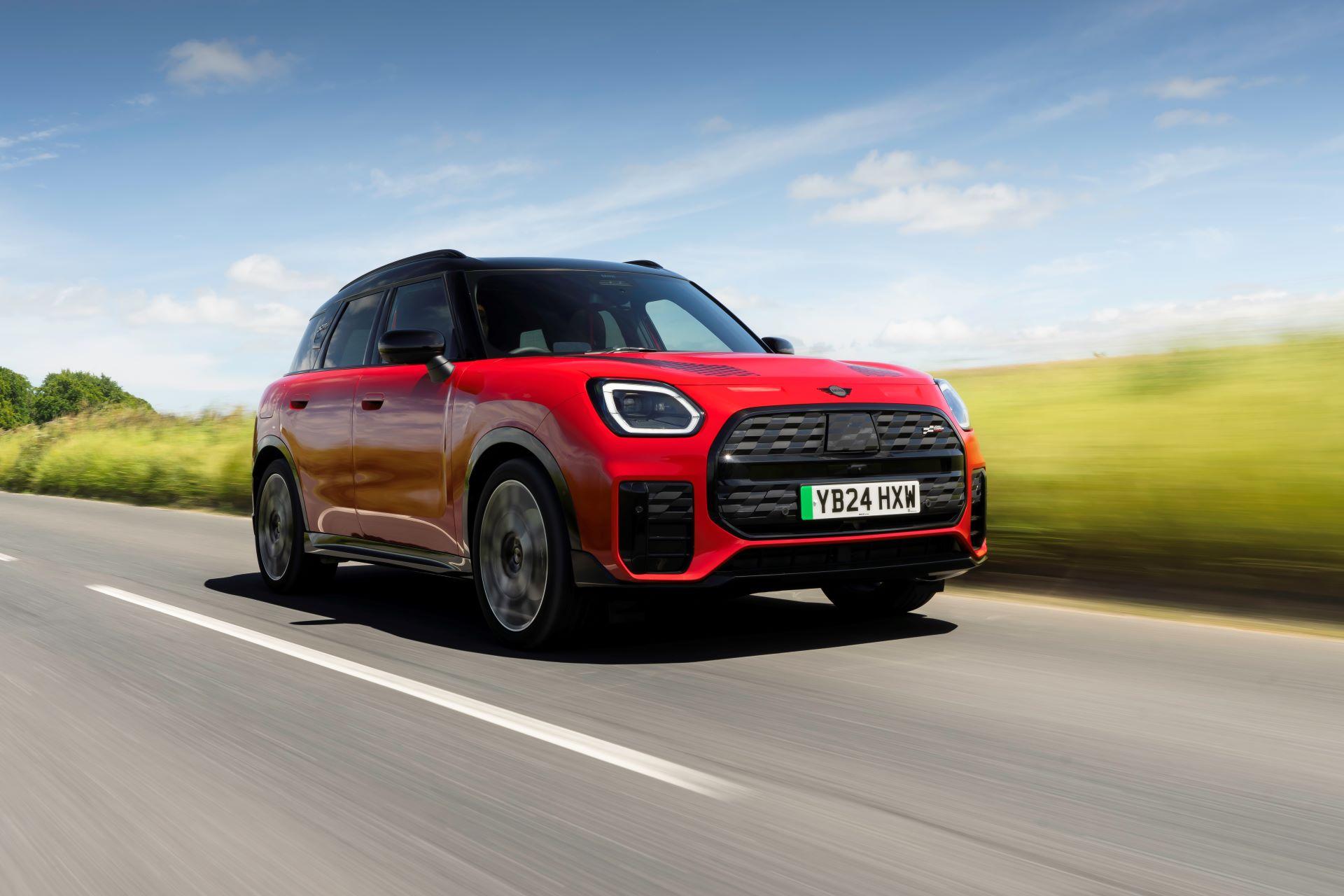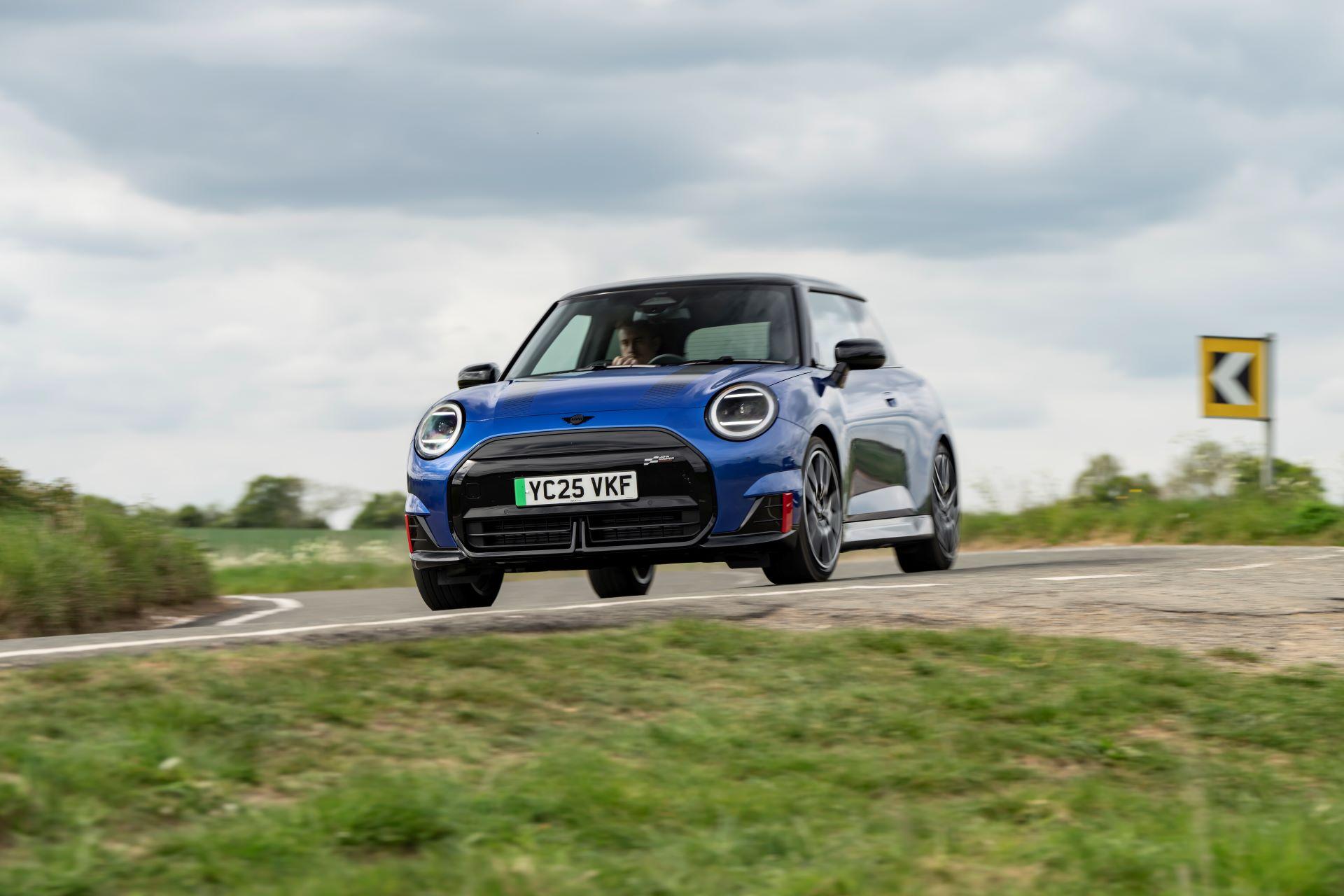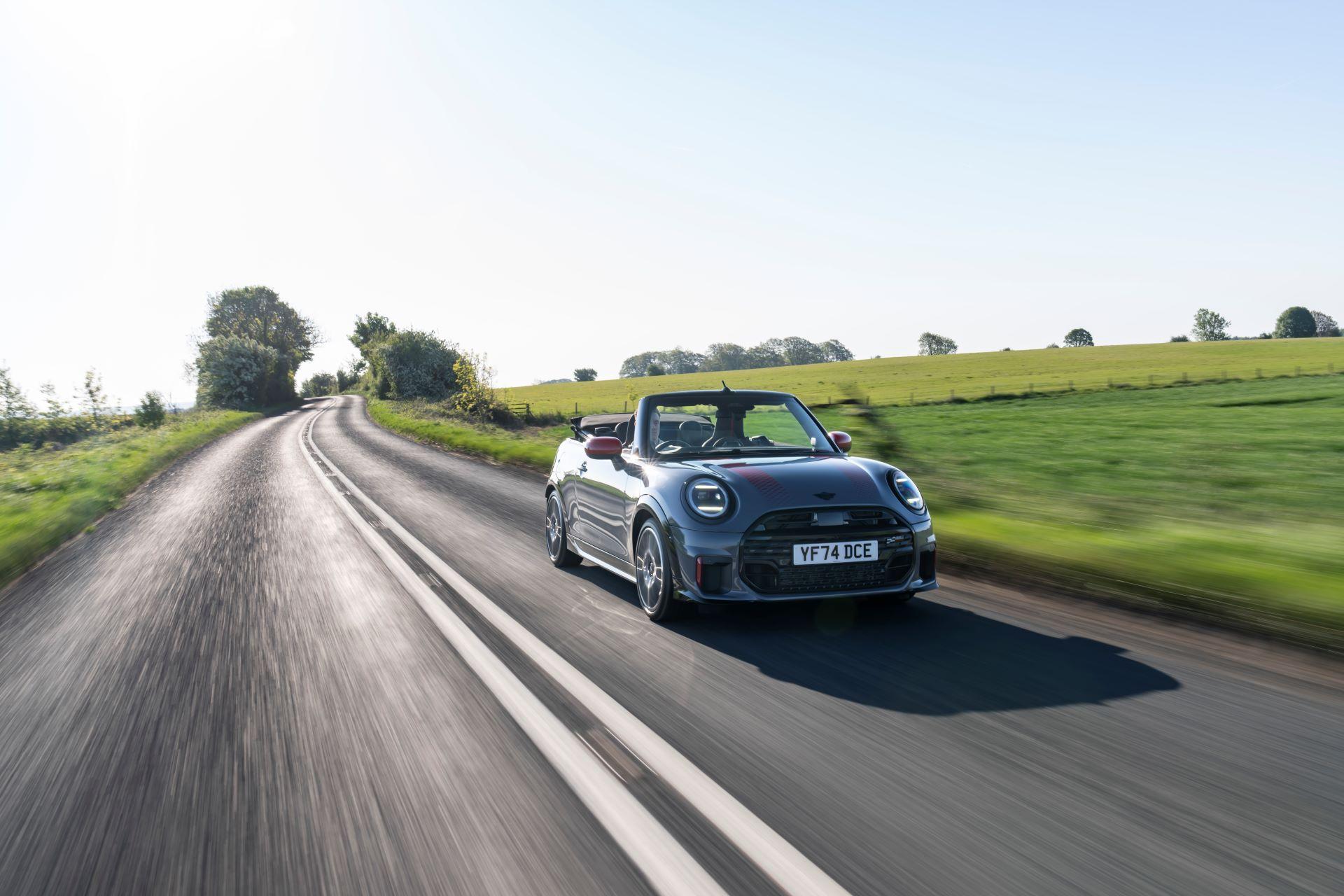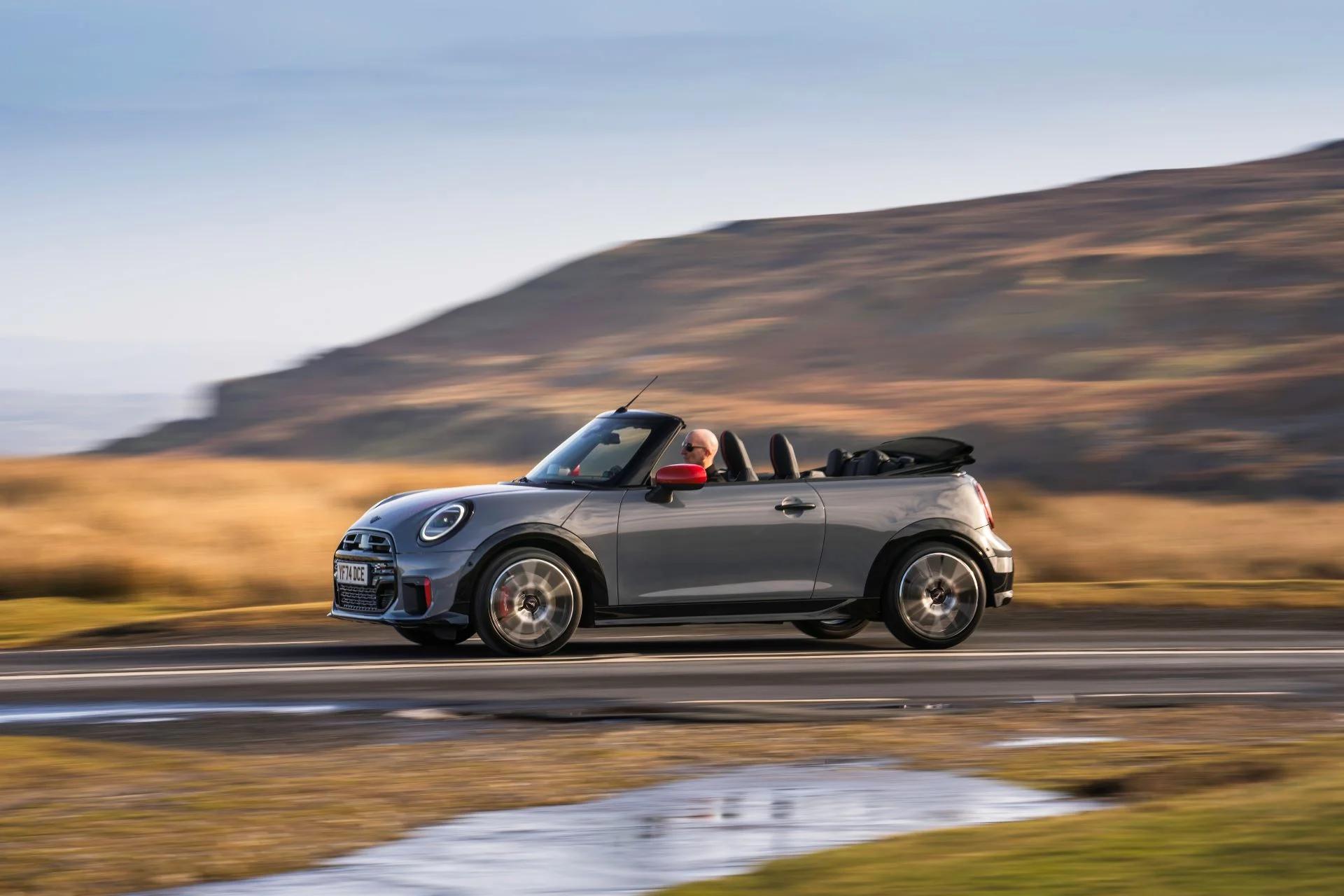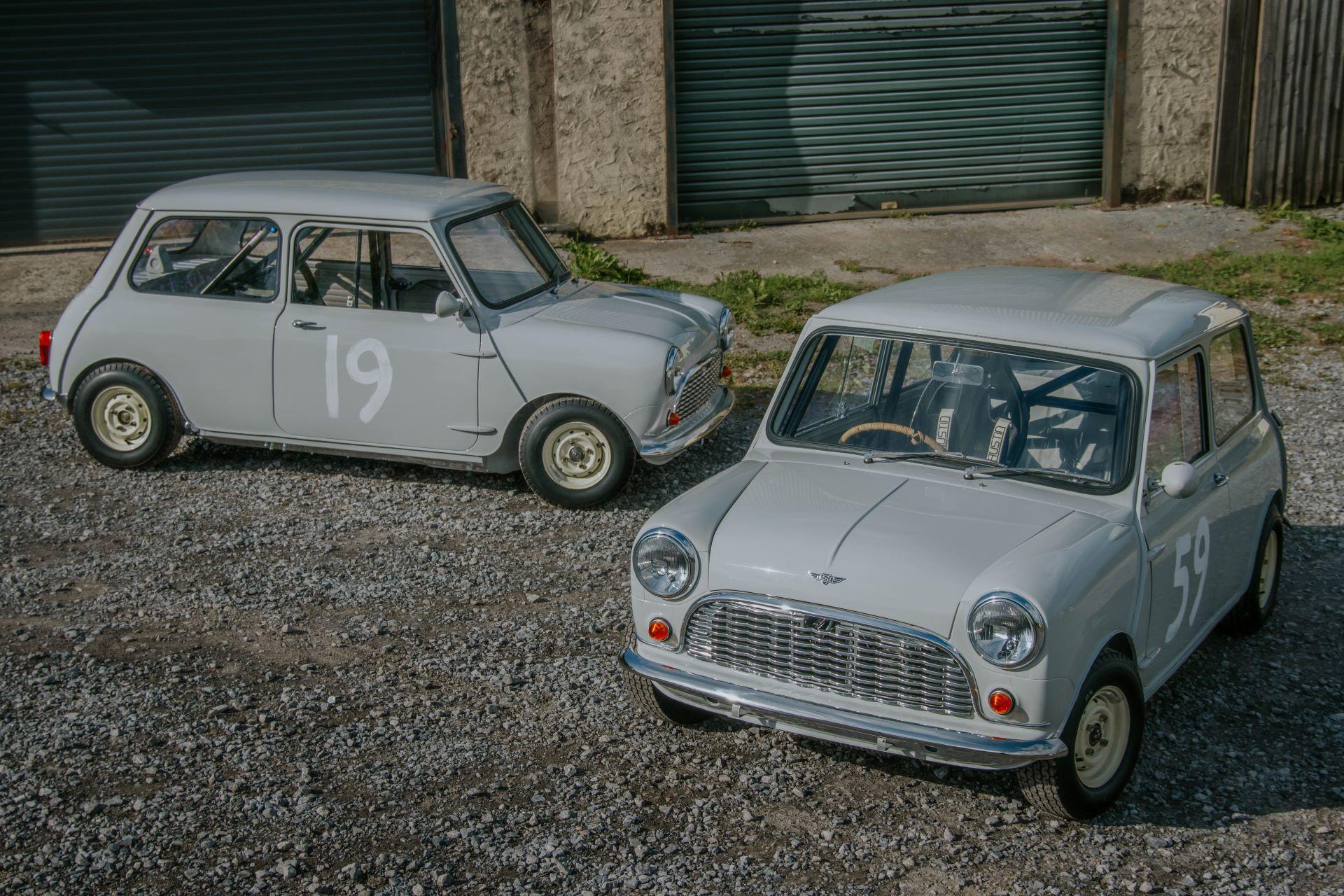





A quarter century ago, a small car with a very big personality rolled back into the spotlight. When MINI restarted production under the stewardship of BMW Group in April 2001, it wasn’t simply a relaunch, it was a reinvention. Twenty five years later, that reinvention has become a case study in how to honour heritage without being trapped by it.
The first modern MINI drove off the line at Oxford on 26 April 2001, just weeks after body production had begun in Swindon. Those two sites would go on to form the industrial backbone of the brand’s resurgence, turning out cars that blend unmistakable British character with contemporary engineering. What followed was not a nostalgic footnote, but a sustained global success story.
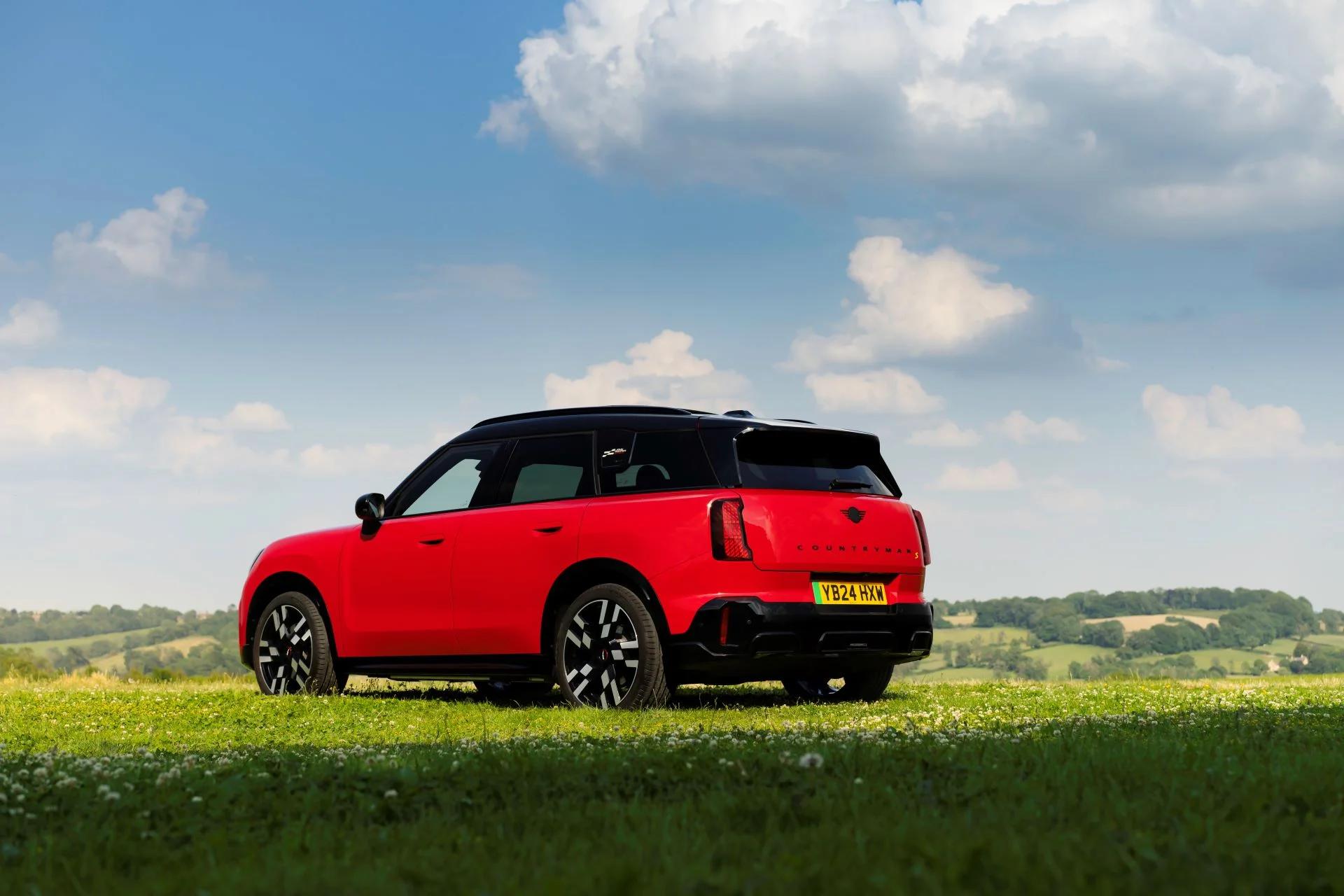
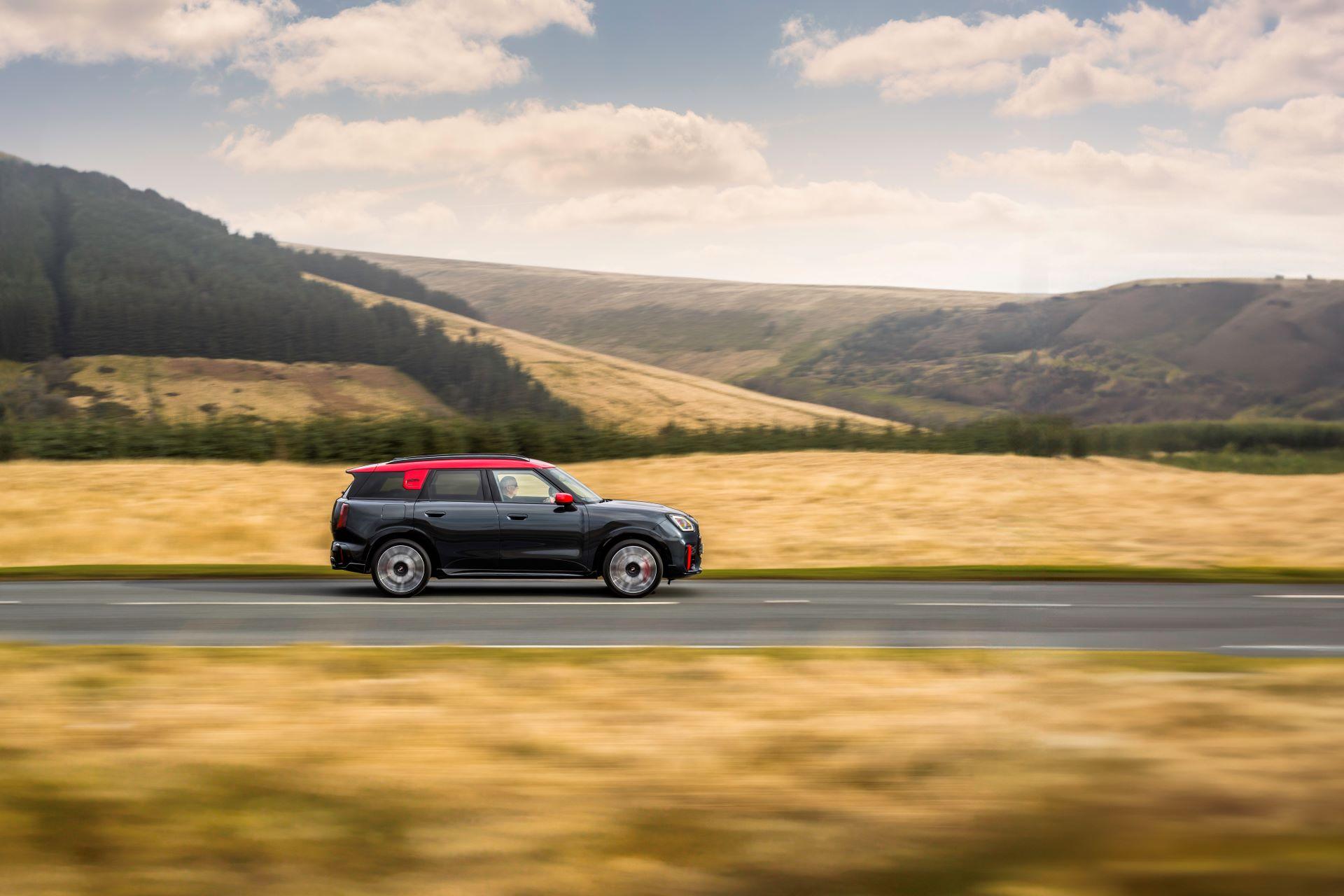
Since that moment, more than 4.6 million MINIs have been built in Britain, each one carrying forward the brand’s signature mix of compact proportions, playful design and engaging driving dynamics. Across four generations, the lineup has expanded well beyond the original three door hatch, branching into convertibles, estates and niche body styles that stretch the definition of what a MINI can be, without ever losing its core identity.
What makes this story particularly compelling is where it happens. Oxford and Swindon are not just production sites, they are living ecosystems of craftsmanship and continuity. Together, they employ more than 3,000 people representing dozens of nationalities, with some families spanning multiple generations on the factory floor. There is a quiet poetry in that kind of legacy, where a car known for its individuality is built by communities bound together over decades.
The rhythm of production itself feels almost cinematic. At Oxford, a finished MINI rolls off the line every 78 seconds, a steady mechanical heartbeat that has been pulsing for 25 years. Each day, around 800 vehicles begin their journey from these British plants to more than 100 markets worldwide, proof that a car rooted in local identity can still resonate on a global stage.
Behind the scenes, the scale of this operation reveals itself in extraordinary ways. Over 18 million doors have been fitted, nearly 20 million seats installed and enough tyre rubber used to almost circle the Earth. Even the colour palette tells a story, with 95 shades offered over the years, from the enduring charm of British Racing Green to brighter, more expressive hues that reflect changing tastes and personalities.
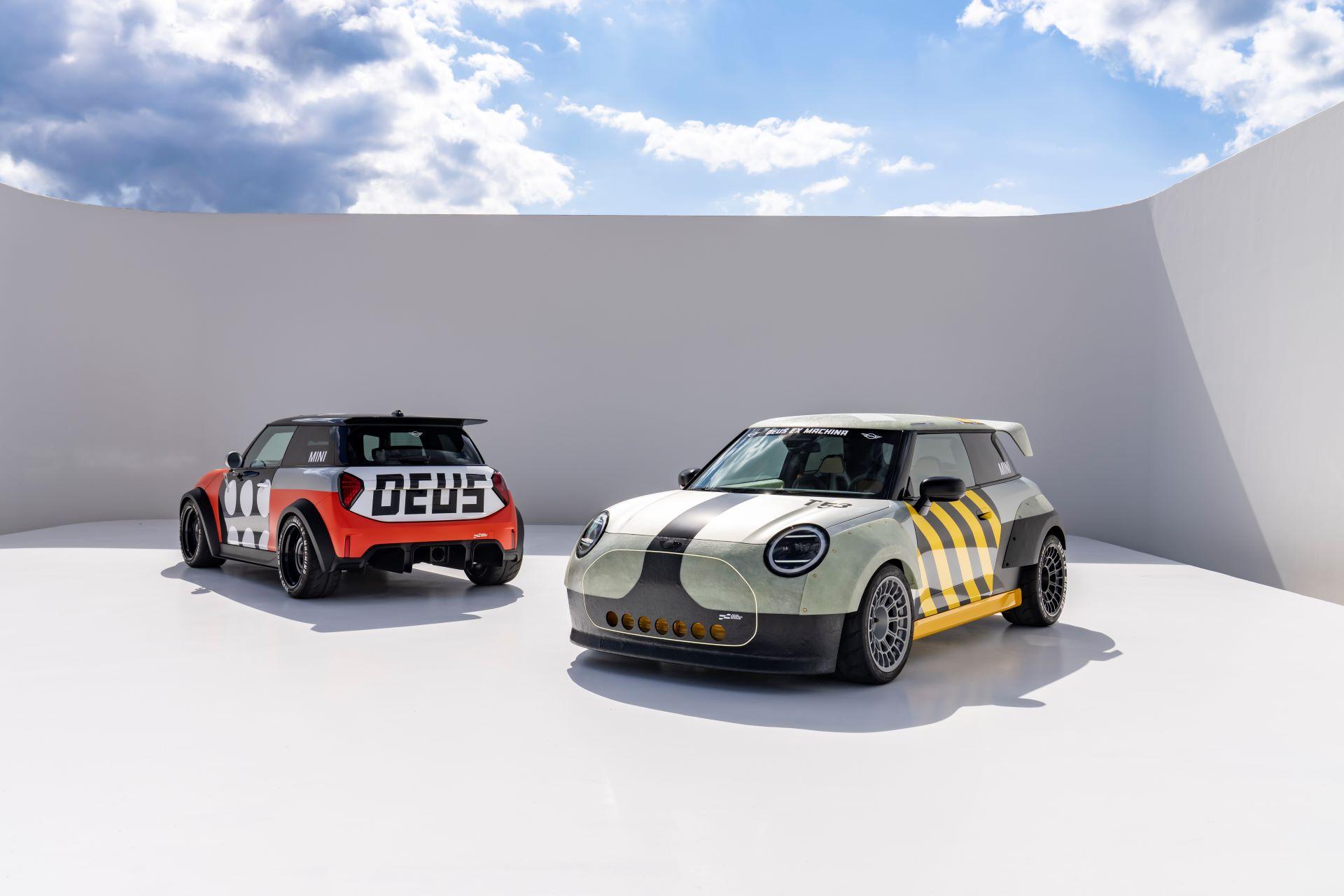
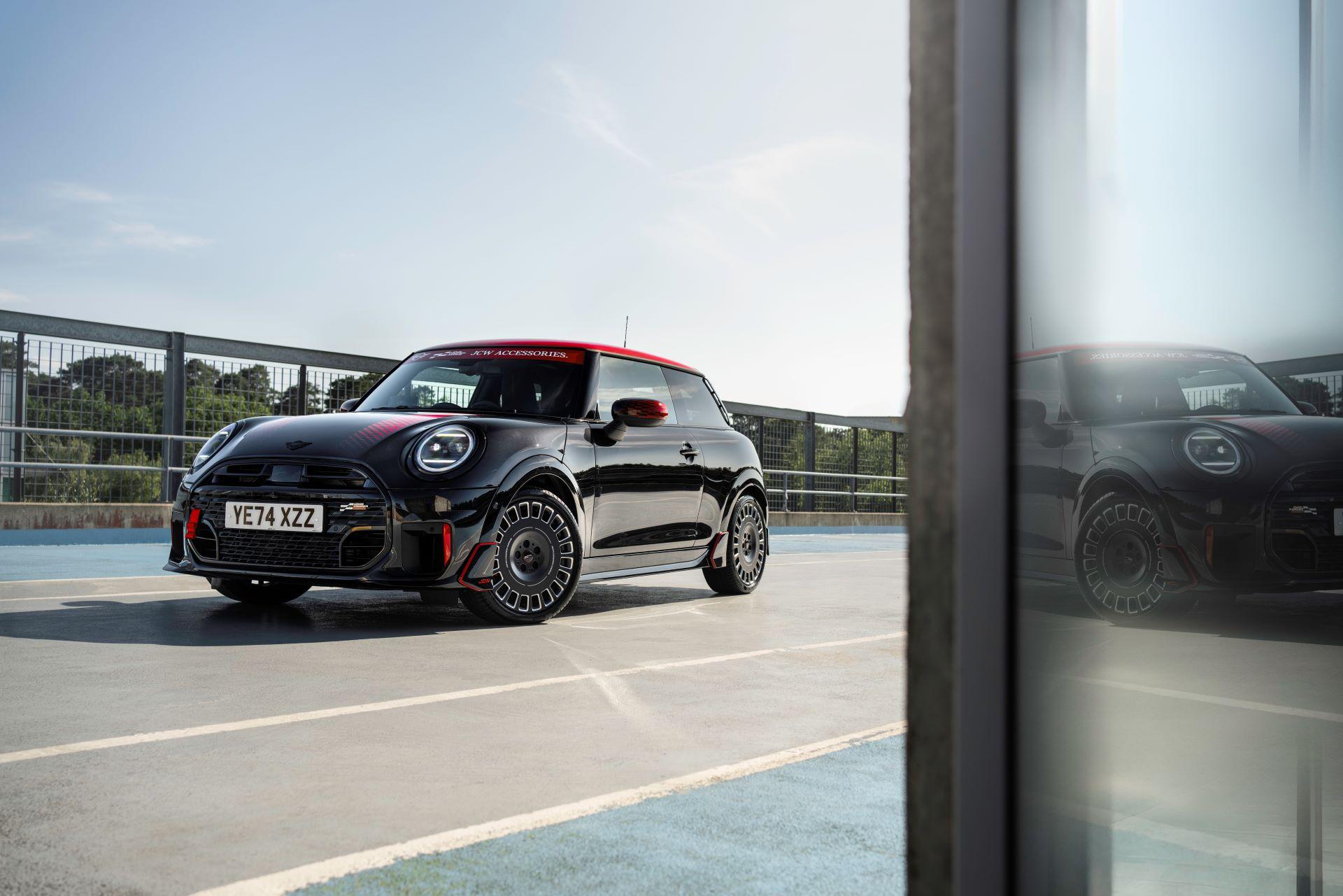
Performance, too, has had its moments in the spotlight. The MINI John Cooper Works GP of 2020 stands as the fastest factory produced model, reaching a top speed of 164mph, a reminder that beneath the cheeky styling lies serious engineering intent. Yet, just as important as speed is the brand’s commitment to individuality, with thousands of customisation combinations allowing owners to shape their cars into something distinctly their own.
The wider production network has also evolved along the way. Since 2006, BMW Group’s Hams Hall plant has supplied millions of engines, reinforcing the UK’s role as the beating heart of MINI manufacturing. This integrated approach has ensured that innovation is not confined to design studios, but embedded throughout the production process.
For Markus Grüneisl, CEO of BMW UK Manufacturing, the milestone is as much about people as it is about product. The creativity, expertise and pride of the workforce have been central to MINI’s enduring appeal, turning each vehicle into something more than the sum of its parts.
Twenty five years on, MINI stands as one of the clearest examples of how an automotive icon can evolve without losing its soul. It has navigated changing technologies, shifting consumer expectations and an increasingly complex global market, all while staying true to the spirit that made it famous in the first place.
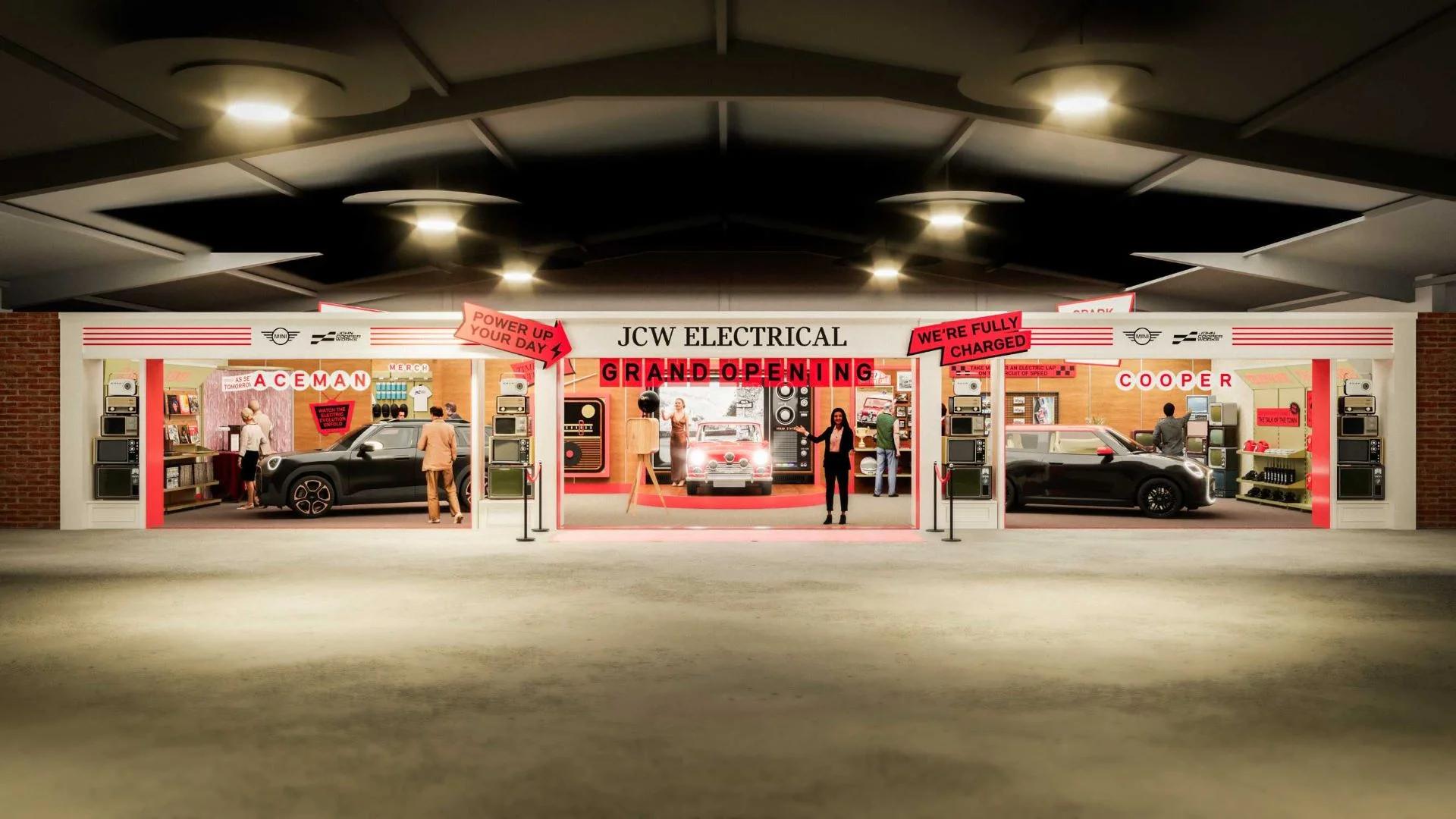
And as the brand looks ahead to its next chapter, including an electrified future, the foundations laid in Oxford and Swindon suggest that the story is far from over. If anything, it feels like the opening act has simply given way to something even more ambitious.