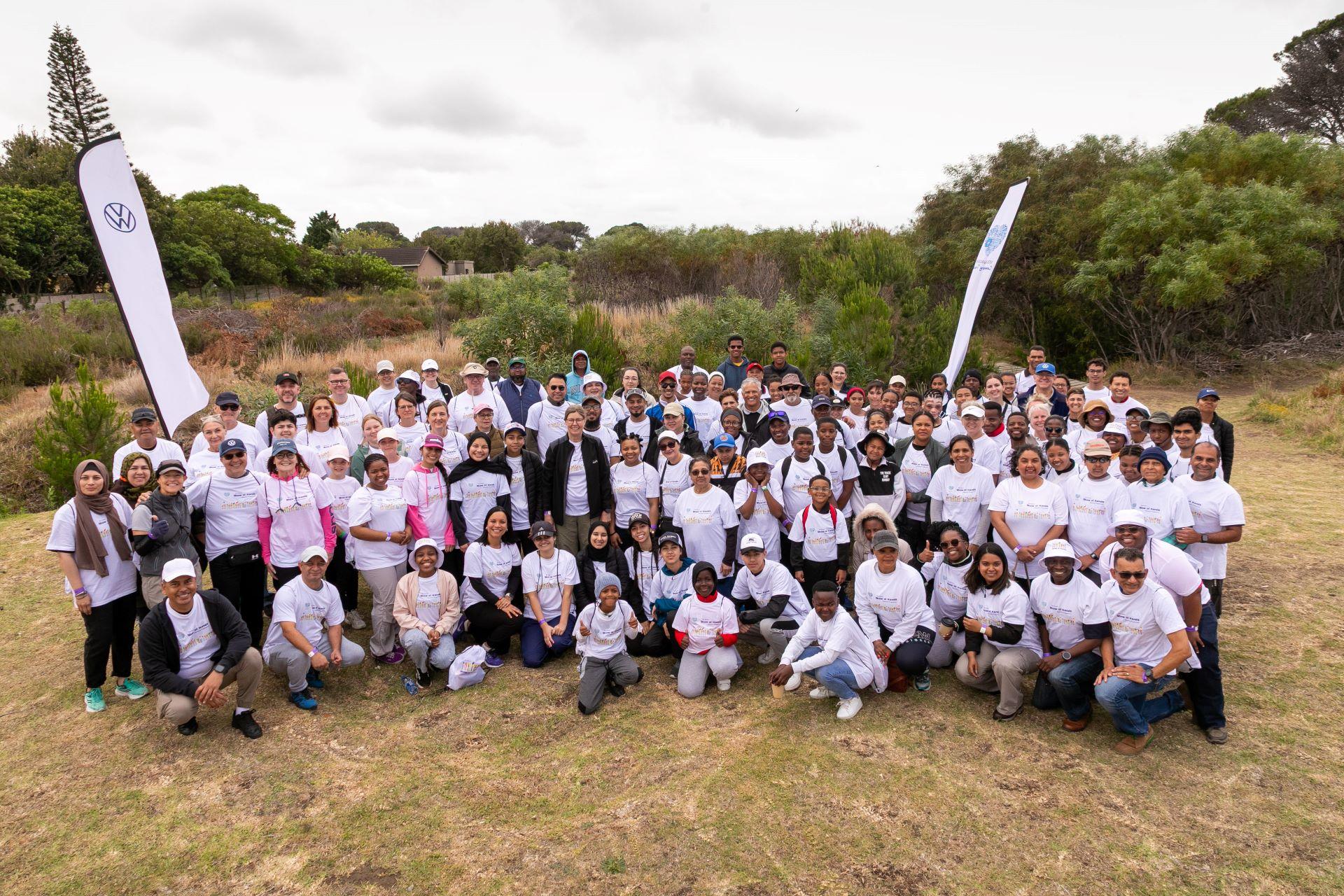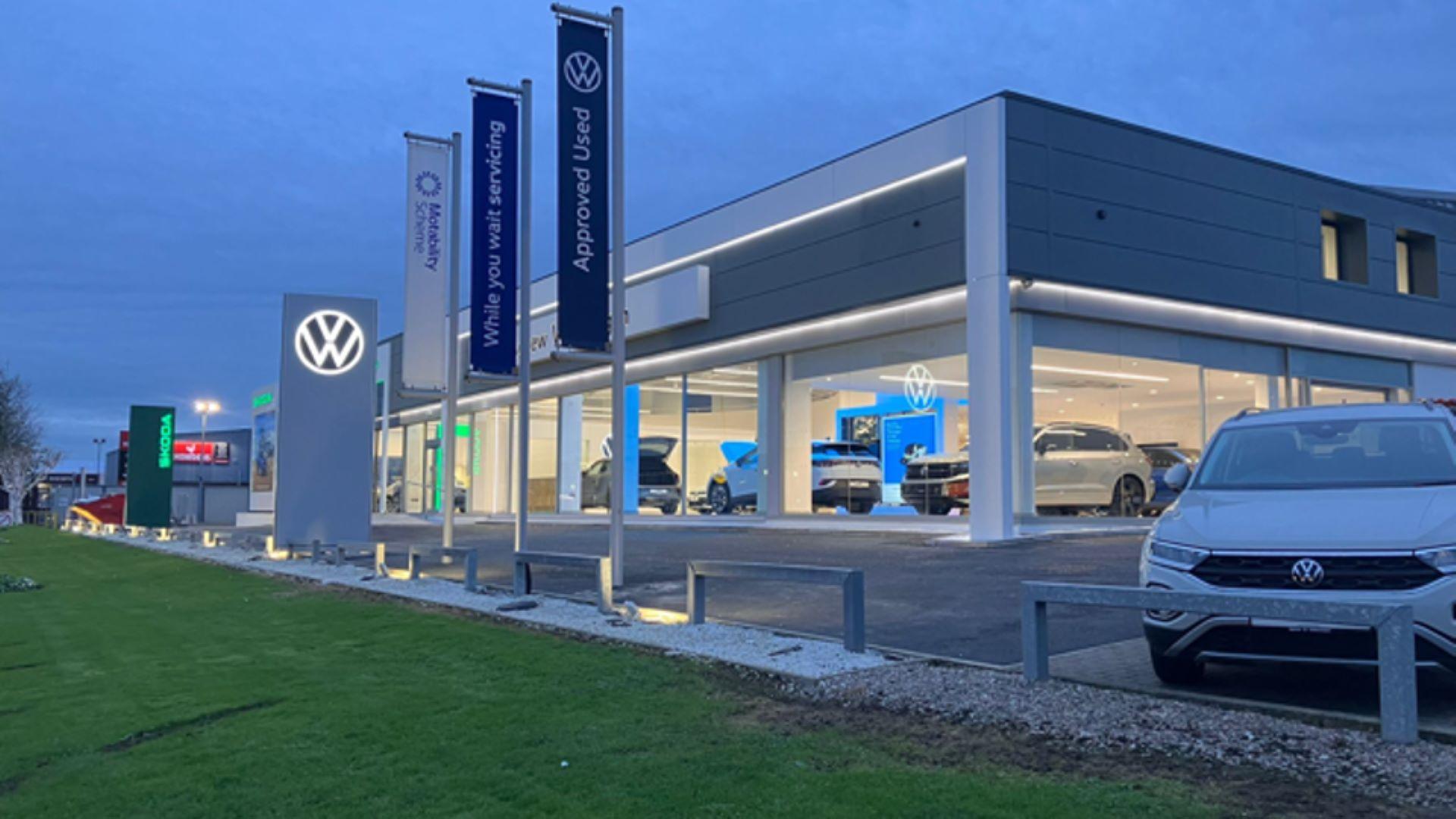



In the heart of the South African automotive industry, Volkswagen Group Africa is steering a course towards a more sustainable future with a resolute focus on water conservation. As the world observes World Water Week, Volkswagen Group Africa is spotlighting its impressive strides in reducing water usage within its production processes, setting a benchmark for environmental responsibility in the automotive sector.
South Africa, one of the world’s driest nations with an average annual rainfall of just 460mm, faces significant water scarcity challenges. The Council for Scientific and Industrial Research (CSIR) underscores that South Africans use an average of 237 litres of water per day, well above the global average of 173 litres. In response to this pressing issue, Volkswagen Group Africa has emerged as a leader in addressing water conservation through innovative practices and a commitment to sustainability.
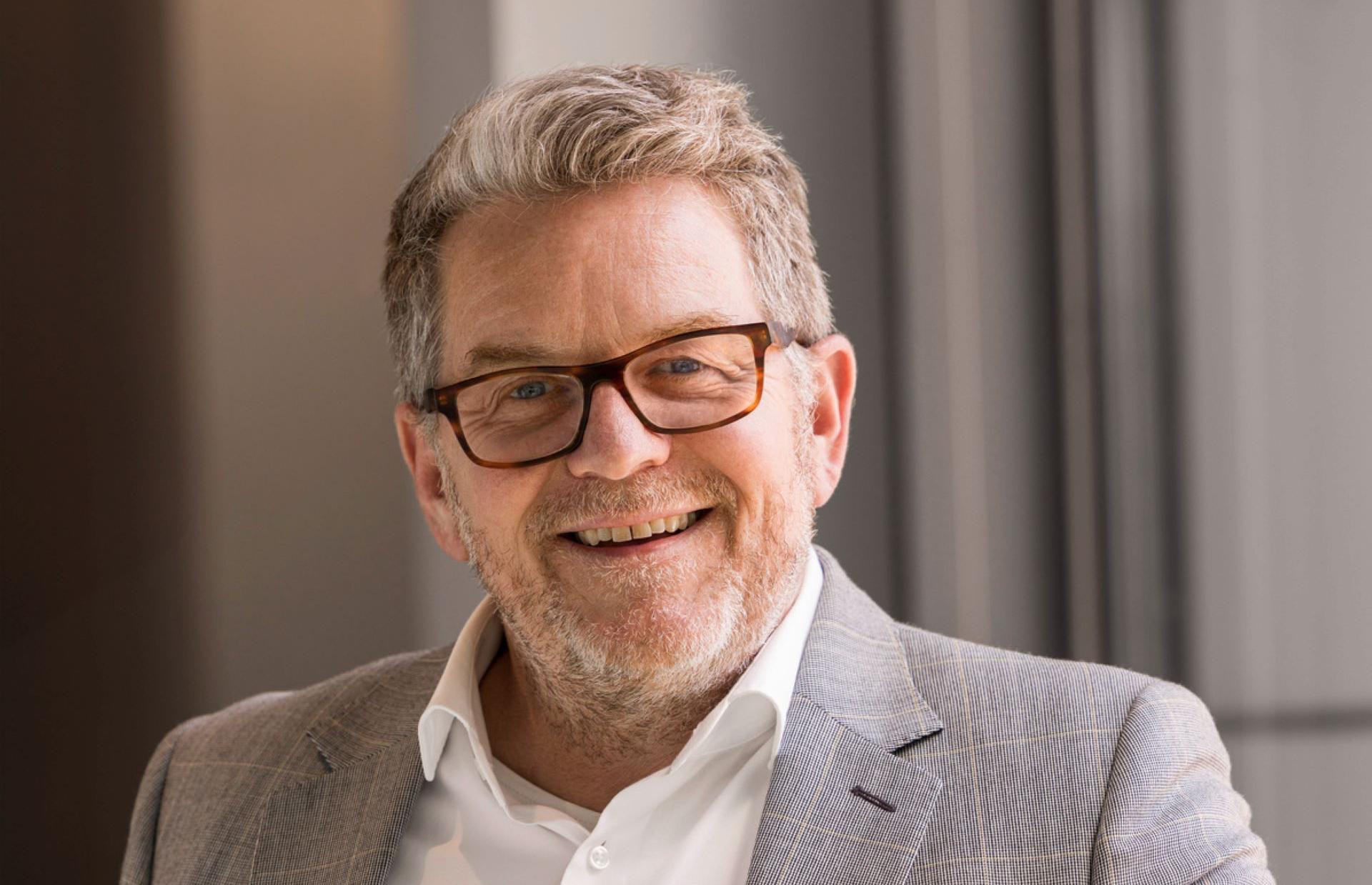
Since 2010, Volkswagen Group Africa has achieved a remarkable 73% reduction in water consumption across its production facilities. This accomplishment reflects the company’s dedication to minimizing its environmental footprint and advancing towards its goal of a zero-impact factory. Ulrich Schwabe, the Production Director at Volkswagen Group Africa, highlights the company’s ongoing efforts to push the boundaries of water efficiency.
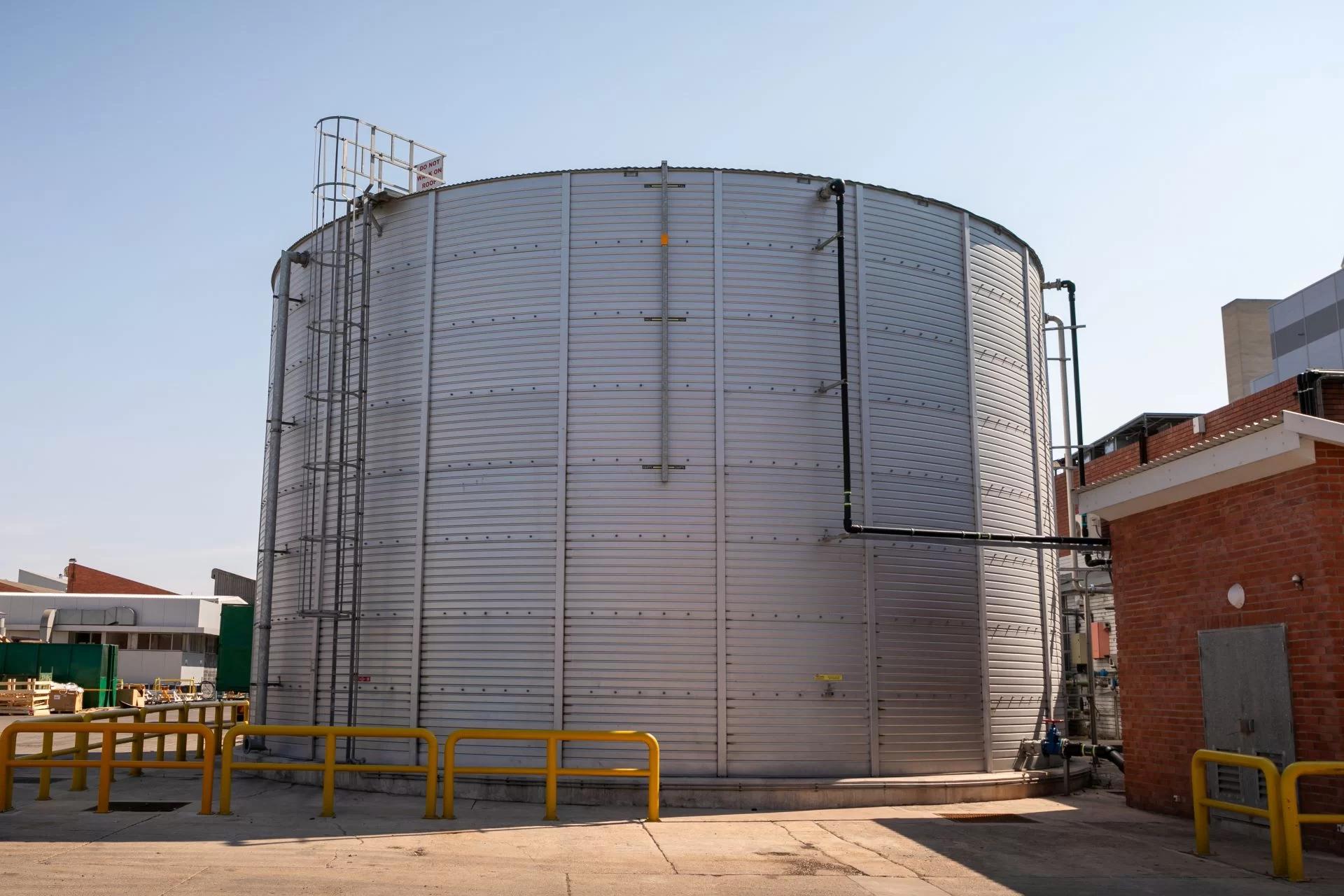
One of the pivotal measures in this journey has been the implementation of rainwater harvesting systems at the engine and component plants. These systems, operational since last year, have collectively saved around 5,000 kilolitres of fresh water in 2023 alone. This year, Volkswagen has further enhanced its water management strategy by converting old paint shop tanks into additional water storage reservoirs. This innovative repurposing ensures that valuable rainwater, which would otherwise be lost to stormwater drains, is captured and utilized effectively.
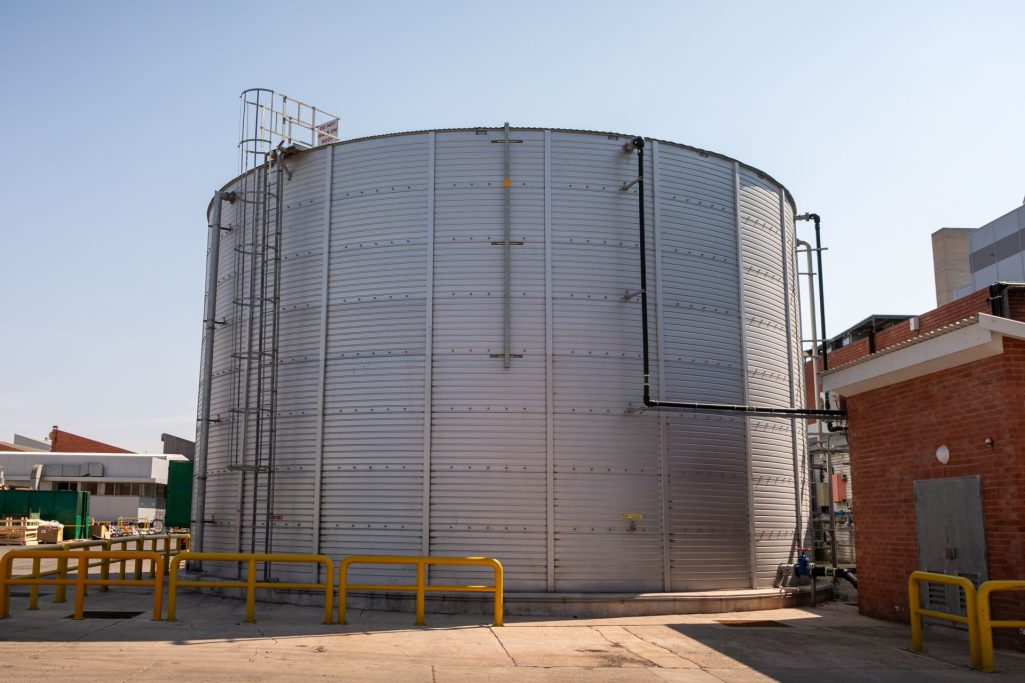
The company’s commitment extends to wastewater management as well. Volkswagen Group Africa’s wastewater recycling plant has the capacity to treat and recycle approximately 200 kilolitres of water per day. This process ensures that clean water is reserved for high-priority applications, while treated effluent is repurposed for less critical uses such as ablution facilities.
Beyond technical advancements, Volkswagen Group Africa is also championing a cultural shift towards individual responsibility in water conservation. Schwabe underscores the importance of instilling mindful water usage habits among employees and their families. Despite systemic challenges like infrastructure shortcomings, Schwabe emphasizes that personal accountability is crucial in addressing the broader issue of water wastage.
Volkswagen Group Africa’s holistic approach to water conservation reflects its broader commitment to environmental stewardship. As the company continues to innovate and refine its practices, it sets a compelling example for the automotive industry and beyond, demonstrating that significant environmental impacts can be mitigated through dedicated efforts and progressive strategies.
In summary, Volkswagen Group Africa is not just driving vehicles; it is driving change. Through its comprehensive water conservation initiatives and unwavering commitment to sustainability, the company is paving the way for a greener future, proving that responsible manufacturing can indeed go hand in hand with environmental stewardship.