


The latest Carblah Customer Experience Index has quietly upended long-held assumptions about who leads in automotive retail satisfaction in the United Kingdom. Built on nearly a quarter of a million customer reviews across sales, service and ownership touchpoints, the Index evaluates 54 car manufacturers’ retailer networks and reveals a market increasingly shaped by emerging brands rather than established prestige.
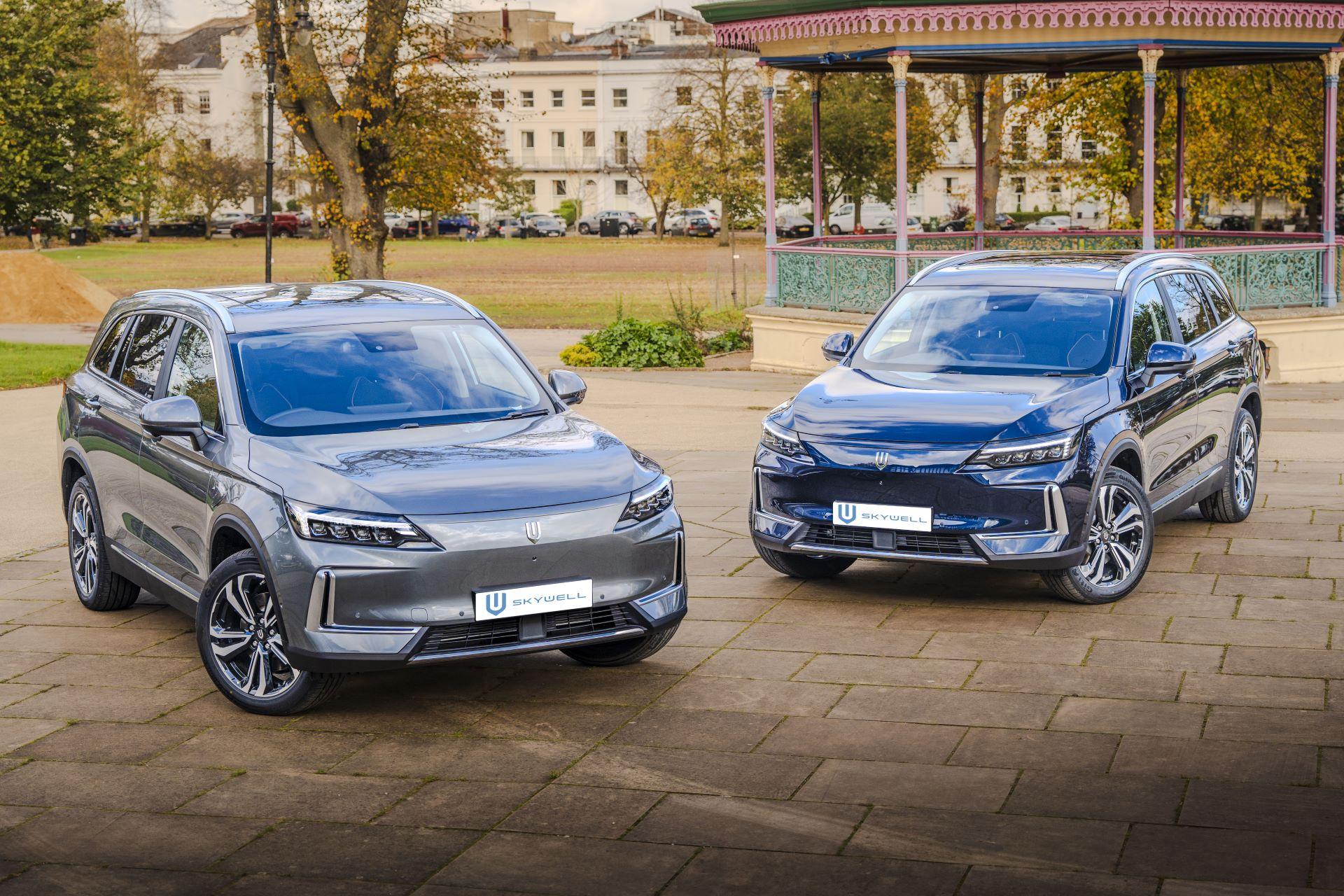
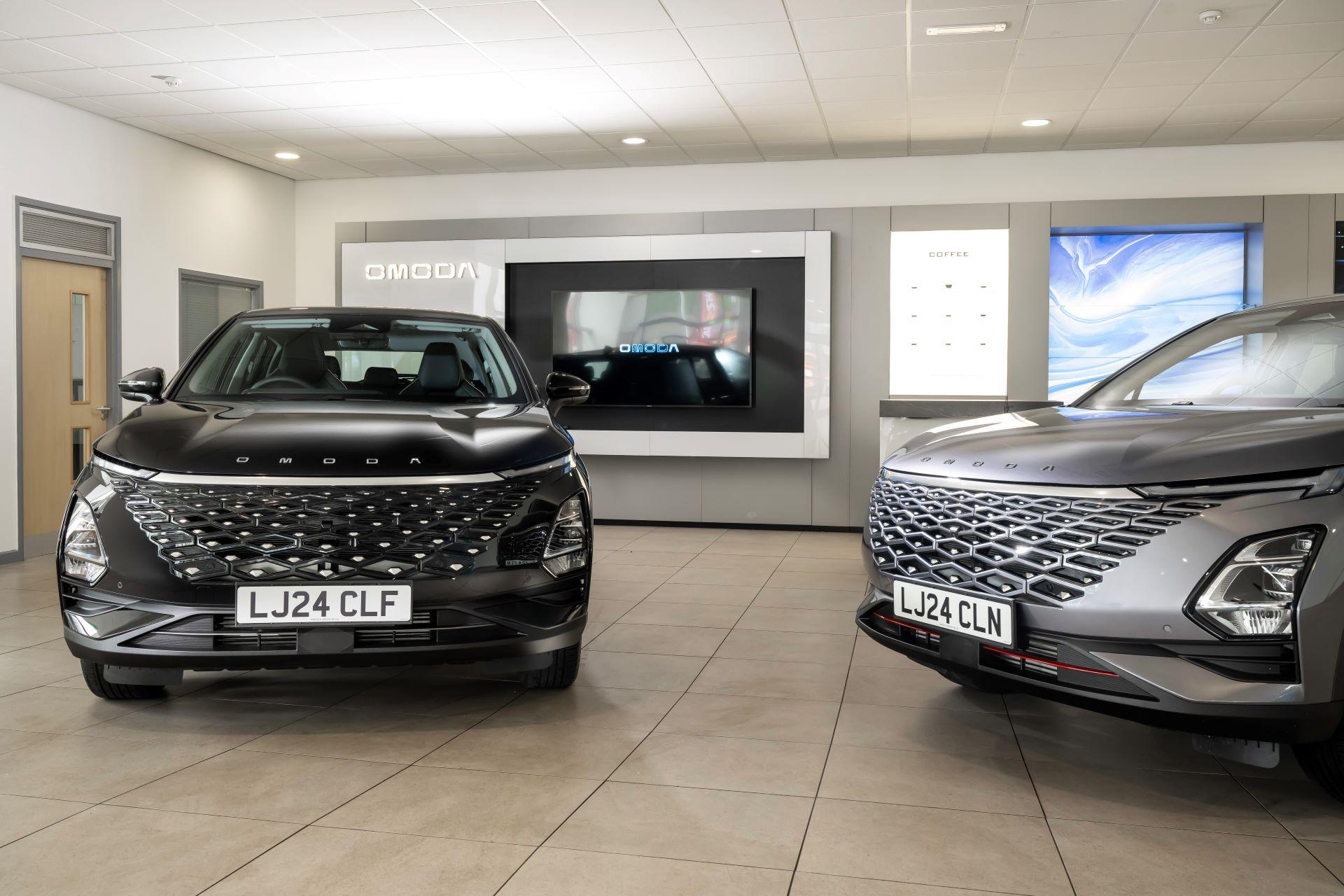
At the very top sits Omoda, which has surged ahead of its rivals to become the highest-rated brand for customer experience. It is closely followed by its sister brands Chery and Jaecoo, forming a dominant trio that reflects the momentum of new Chinese entrants in the UK market. Leapmotor and GWM also secure places in the top five, reinforcing a broader pattern: newer value-driven brands are setting the benchmark for customer satisfaction rather than following it.
This shift is not isolated. Across the broader mainstream category, brands such as Dacia, Abarth, Cupra, Renault and Hyundai form a tightly packed competitive group, suggesting consistency but limited differentiation in customer sentiment. While these established names continue to perform steadily, none match the satisfaction levels now being achieved by the leading Chinese brands.
The contrast becomes even more striking when viewed against the premium segment. Lexus stands alone as the only premium brand to break into the overall top ten, significantly outperforming its traditional rivals. Other well-known premium manufacturers, including BMW, Mercedes-Benz, Audi, Jaguar and Land Rover, sit further down the rankings, with some even trailing mainstream competitors. The data points to a widening gap between brand perception and the actual retail experience being delivered.
Luxury and performance brands remain in a category of their own, with Rolls-Royce leading the segment and maintaining its reputation for exceptional customer experience. Aston Martin, Ferrari, Bentley, McLaren, Lamborghini and Porsche continue to deliver high-consistency, high-touch interactions, but the Index suggests that even this rarefied segment is not immune to shifting expectations.
What emerges from the data is a structural change in how customers evaluate automotive brands. Price is no longer a proxy for experience. Instead, clarity, simplicity and consistency are becoming the defining drivers of satisfaction. New entrants, particularly from China, appear to have built their retail approach around reducing friction and making the purchase journey more transparent and predictable.
The implications for legacy manufacturers are significant. Customer experience is increasingly being judged at the retailer level rather than at the OEM level, meaning brand reputation alone can no longer guarantee positive sentiment. Some established manufacturers may find that their dealer networks are not matching the expectations set by newer competitors, even when the product itself remains strong.
As Carblah co-founder Steve Fowler explains, customers are rewarding brands that treat them well, with challengers succeeding because they make the buying process clearer and easier. When newer entrants outperform long-established premium marques, it signals a shift where consumer experience is finally taking precedence over heritage.
Carblah Managing Director Michael Yeates adds that customer experience directly drives trust, and trust in turn drives financial performance. Brands that remove friction and simplify the customer journey are outperforming those that rely on legacy positioning. The strongest performers in the Index are demonstrating that trust not only retains customers but also increases spending over time.
Taken together, the findings point to a market in transition. Established hierarchies are no longer fixed, and customer expectations are evolving faster than many traditional brands can adapt. The result is a UK automotive landscape where experience, not badge, is becoming the decisive measure of success.