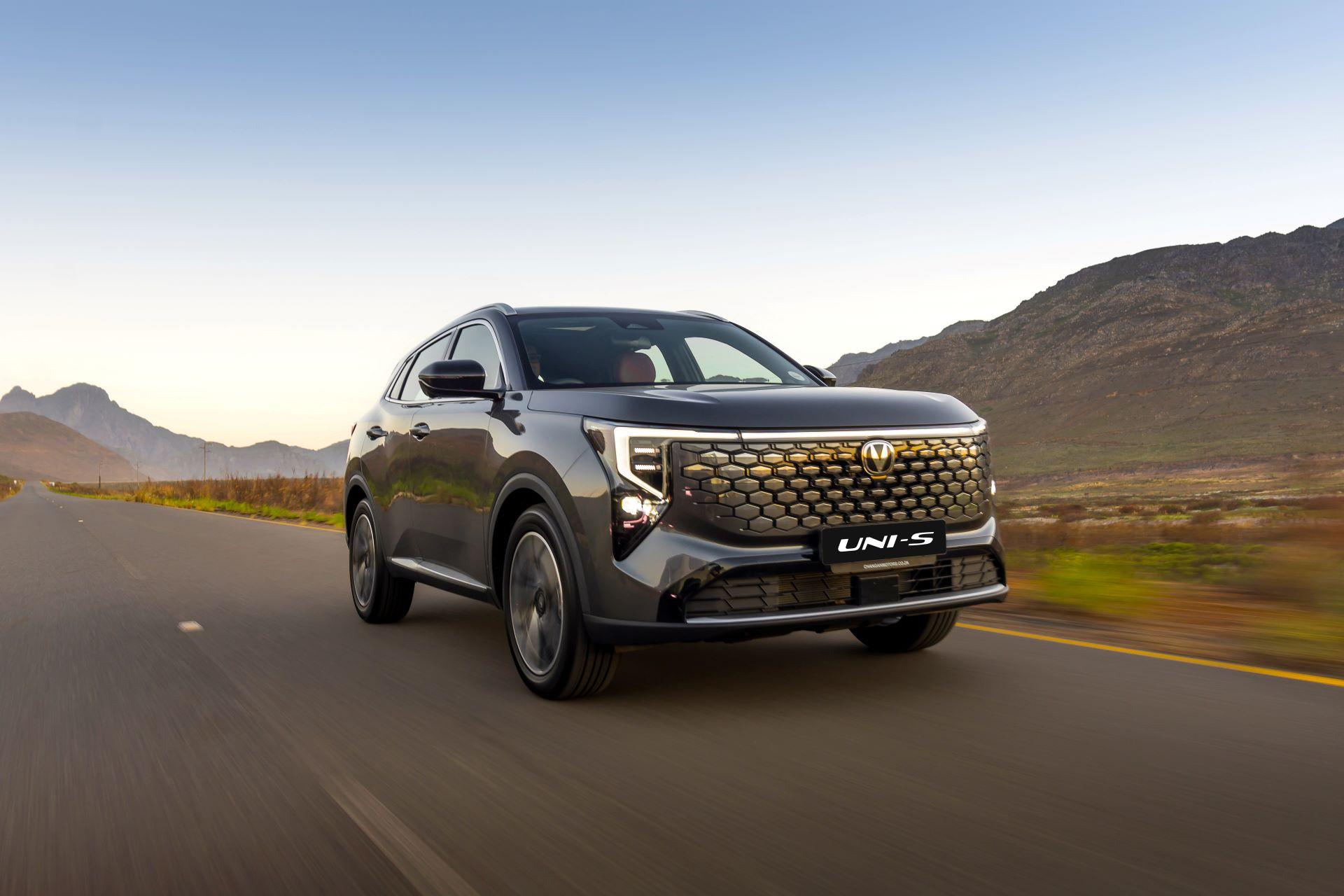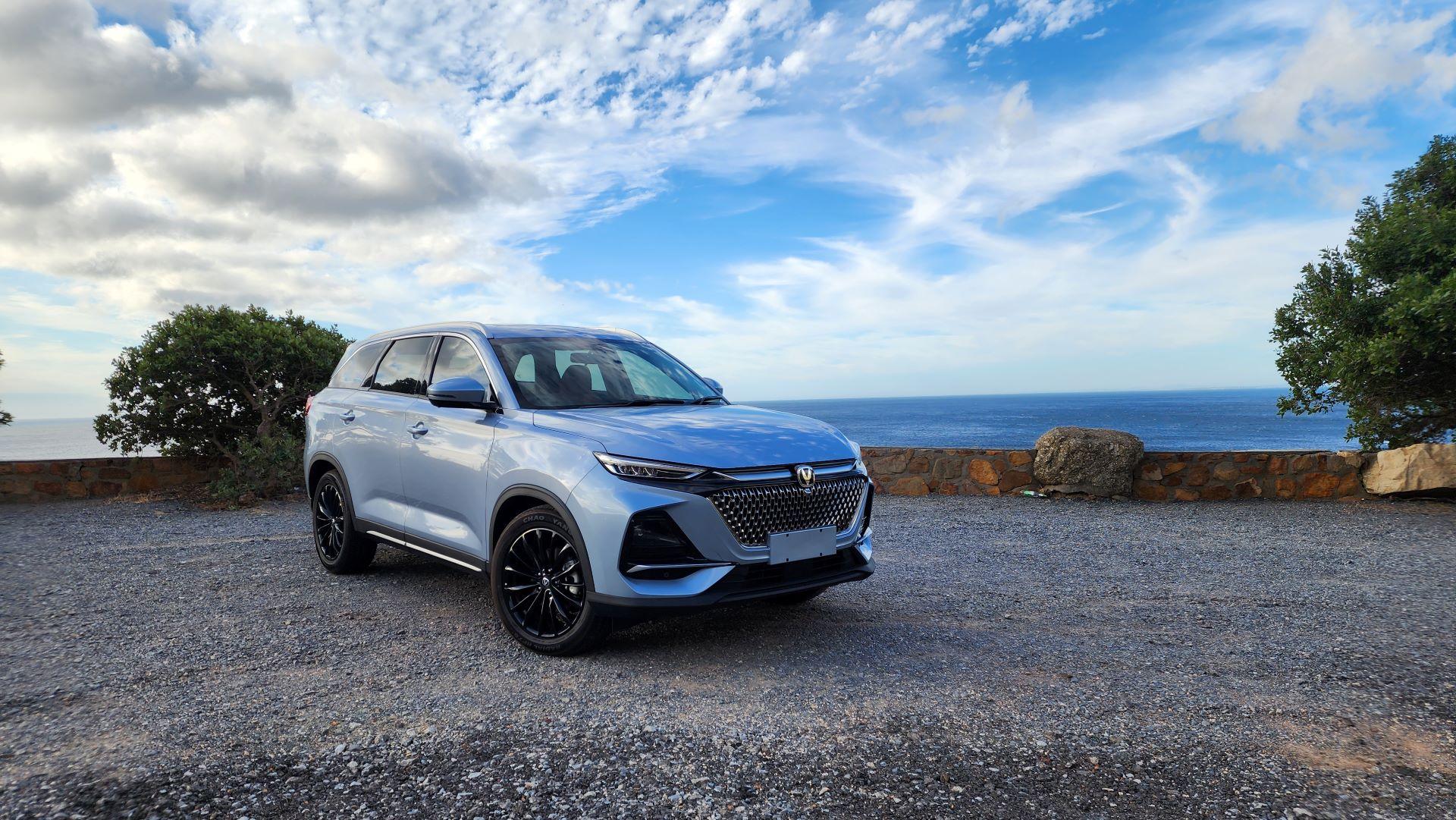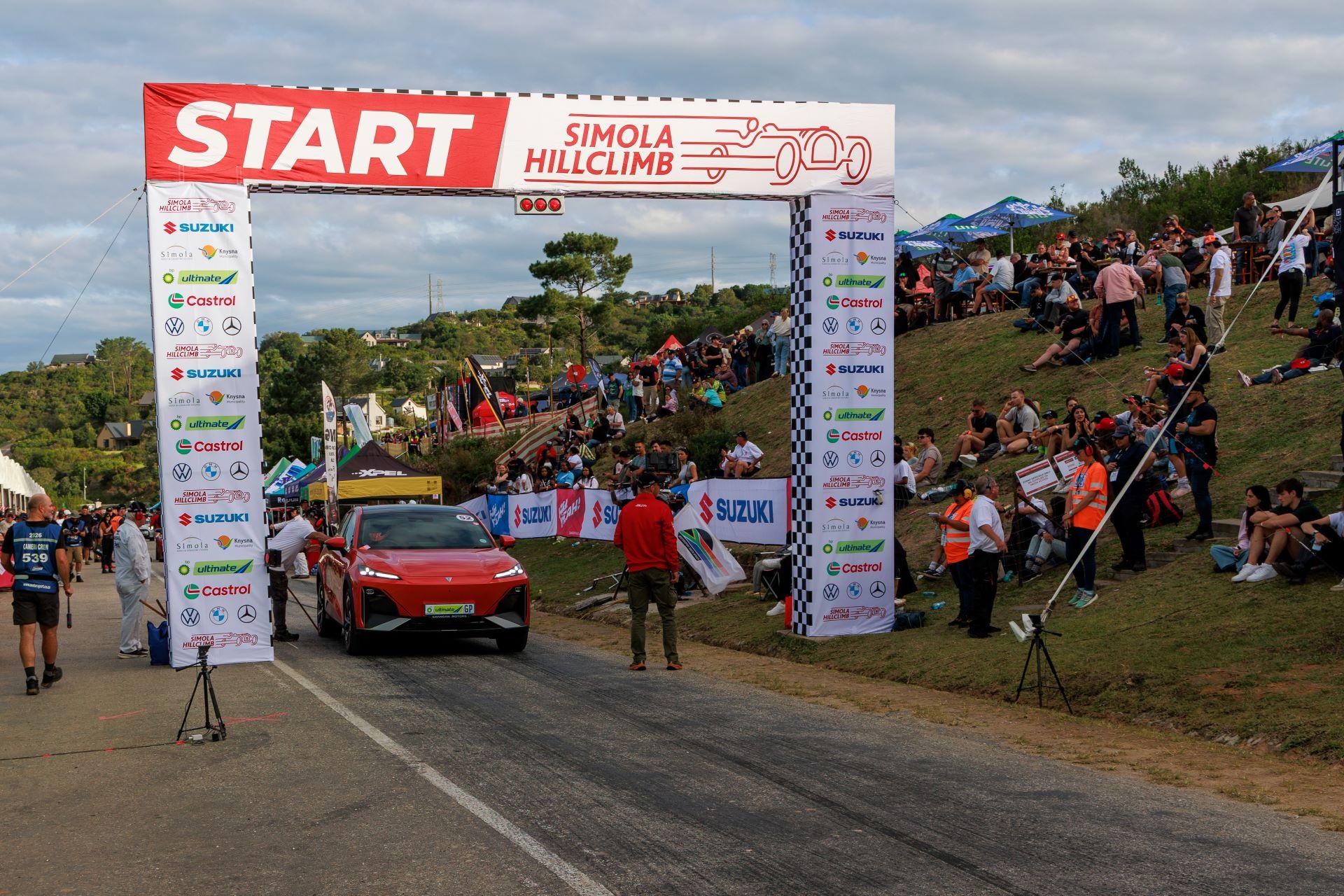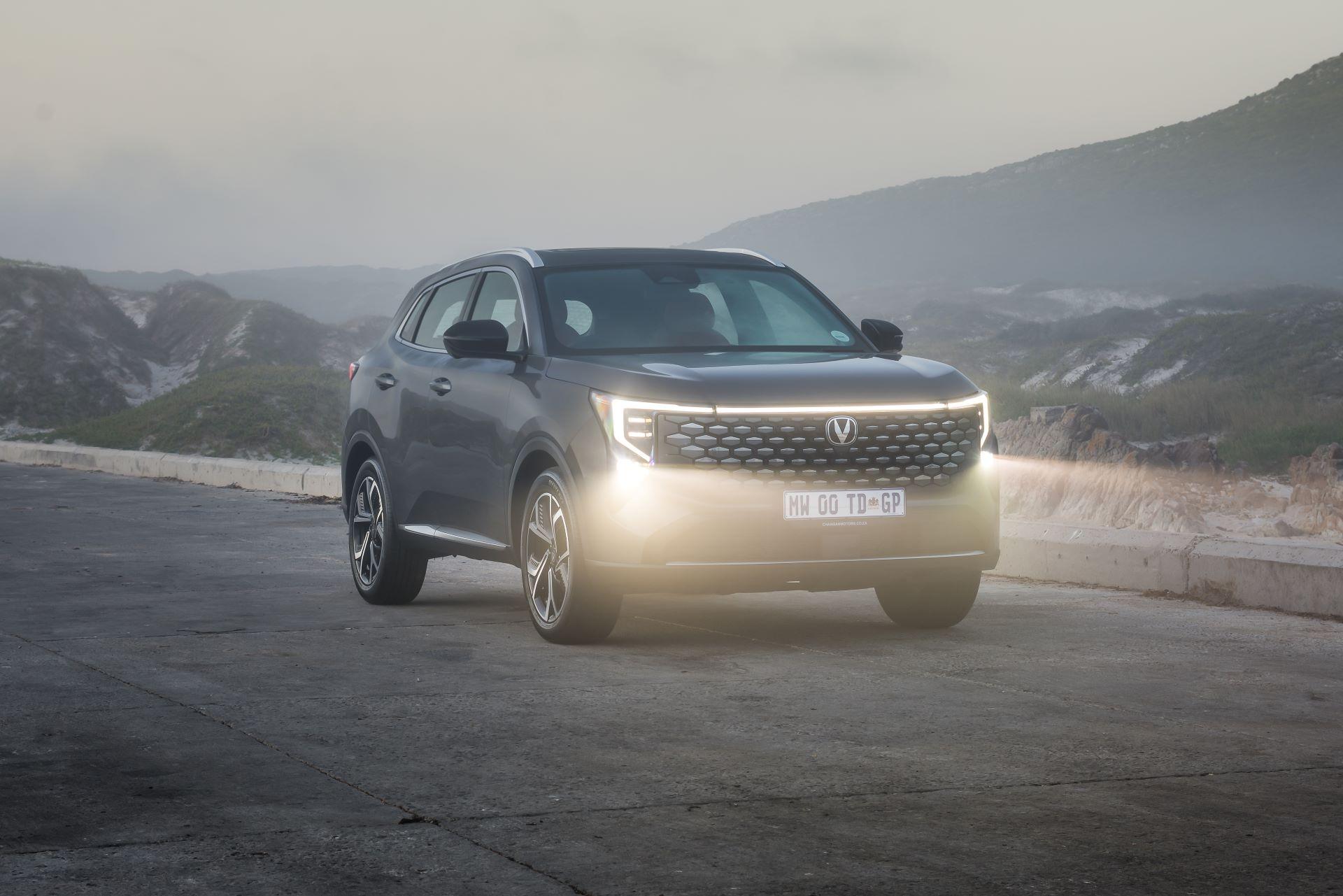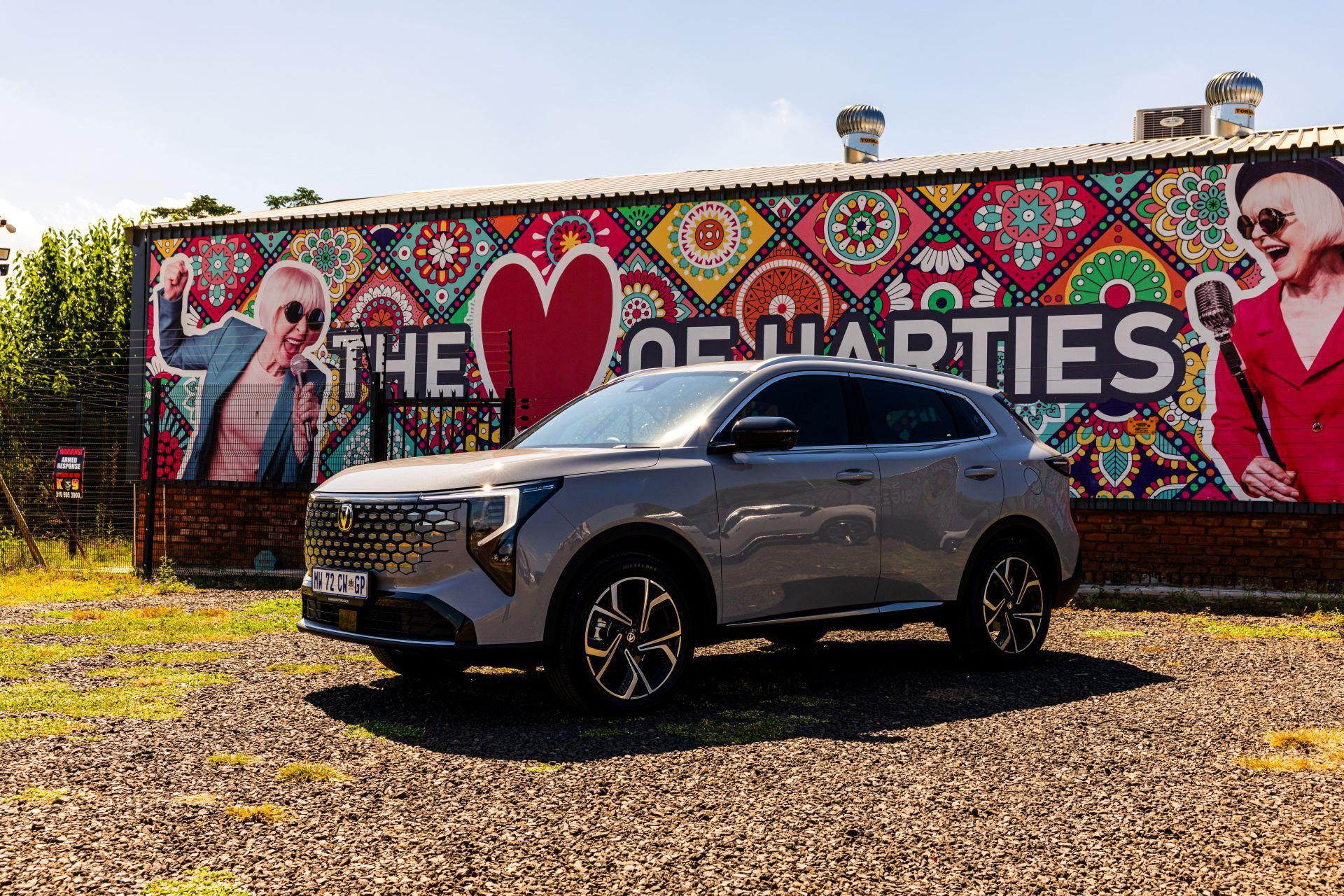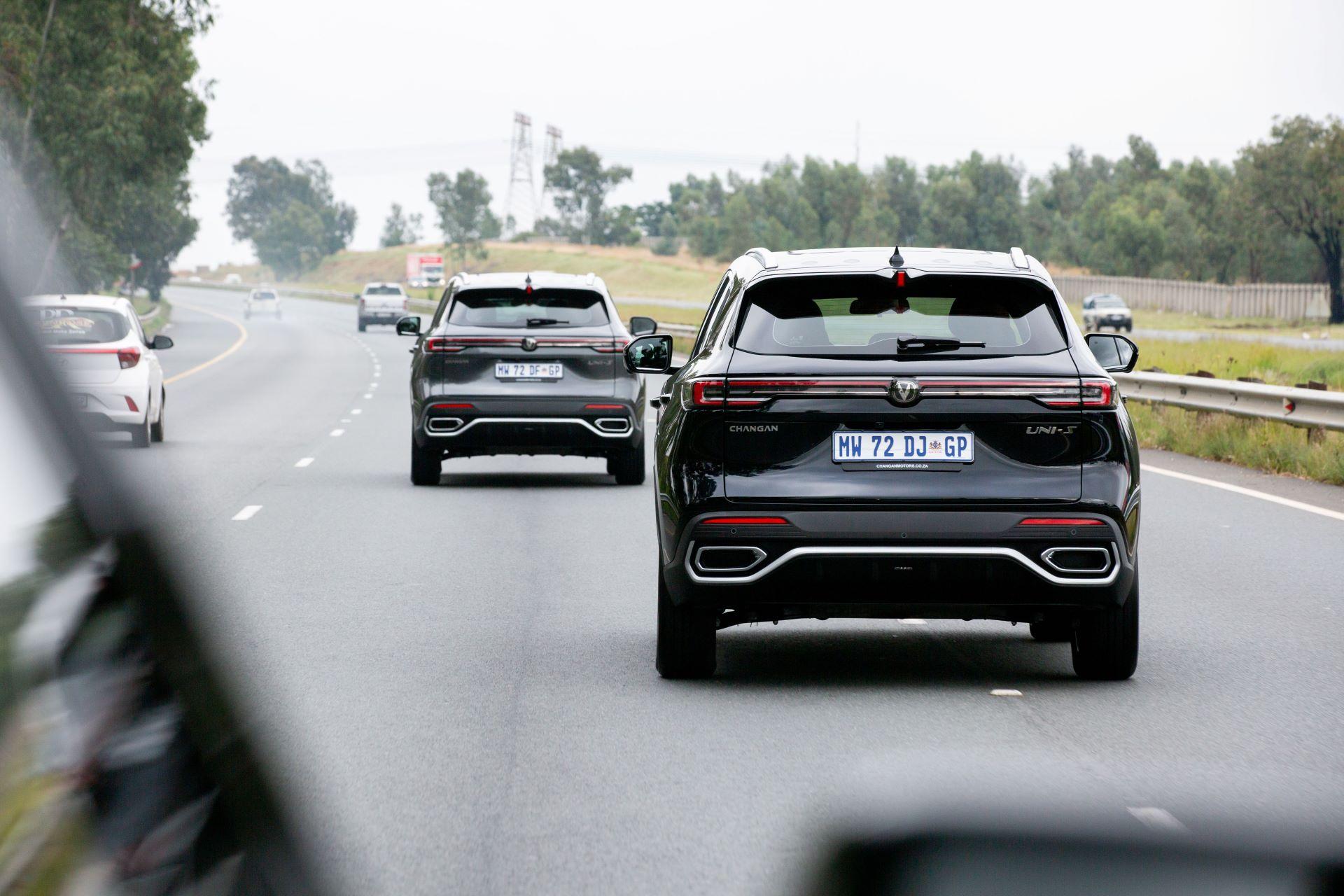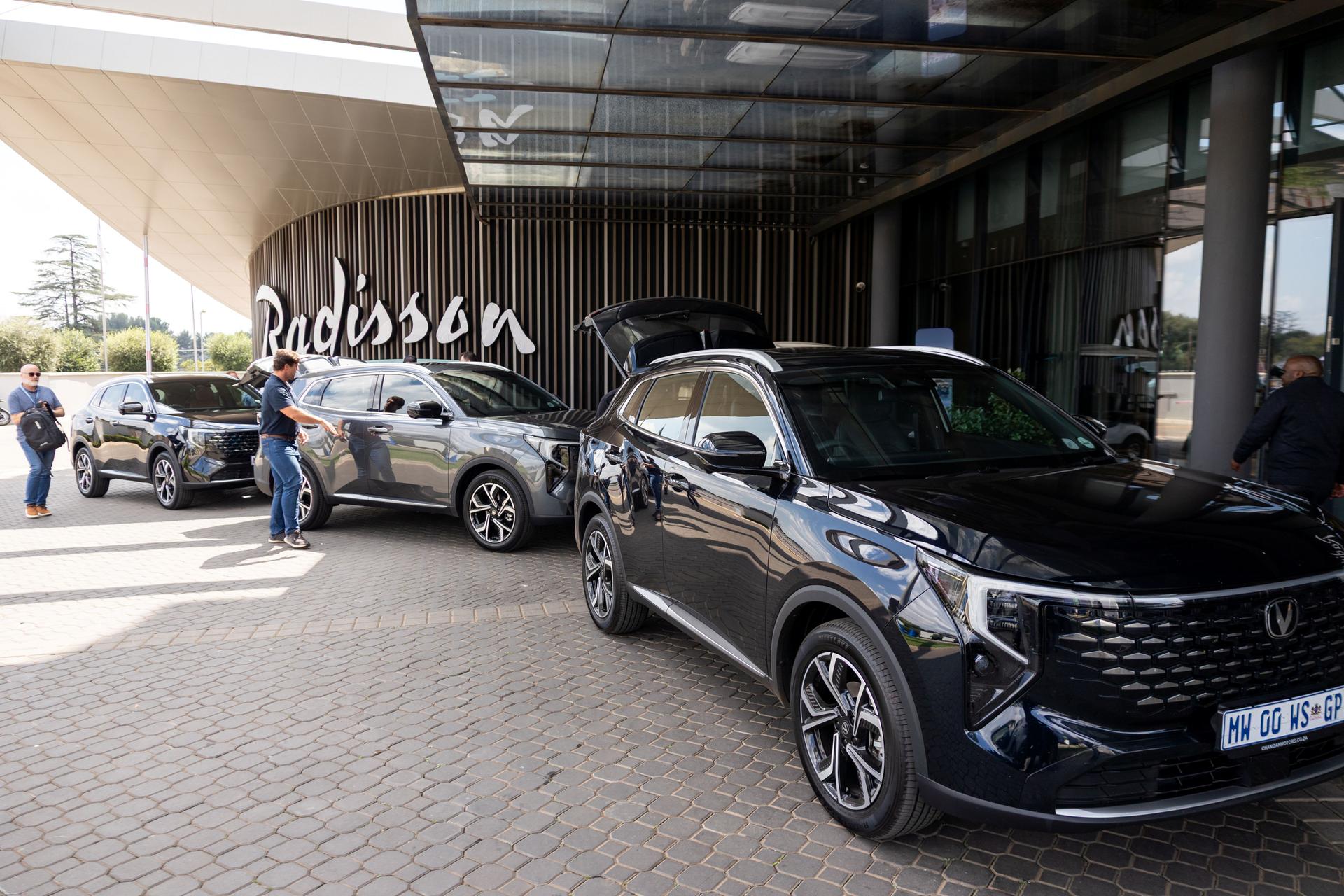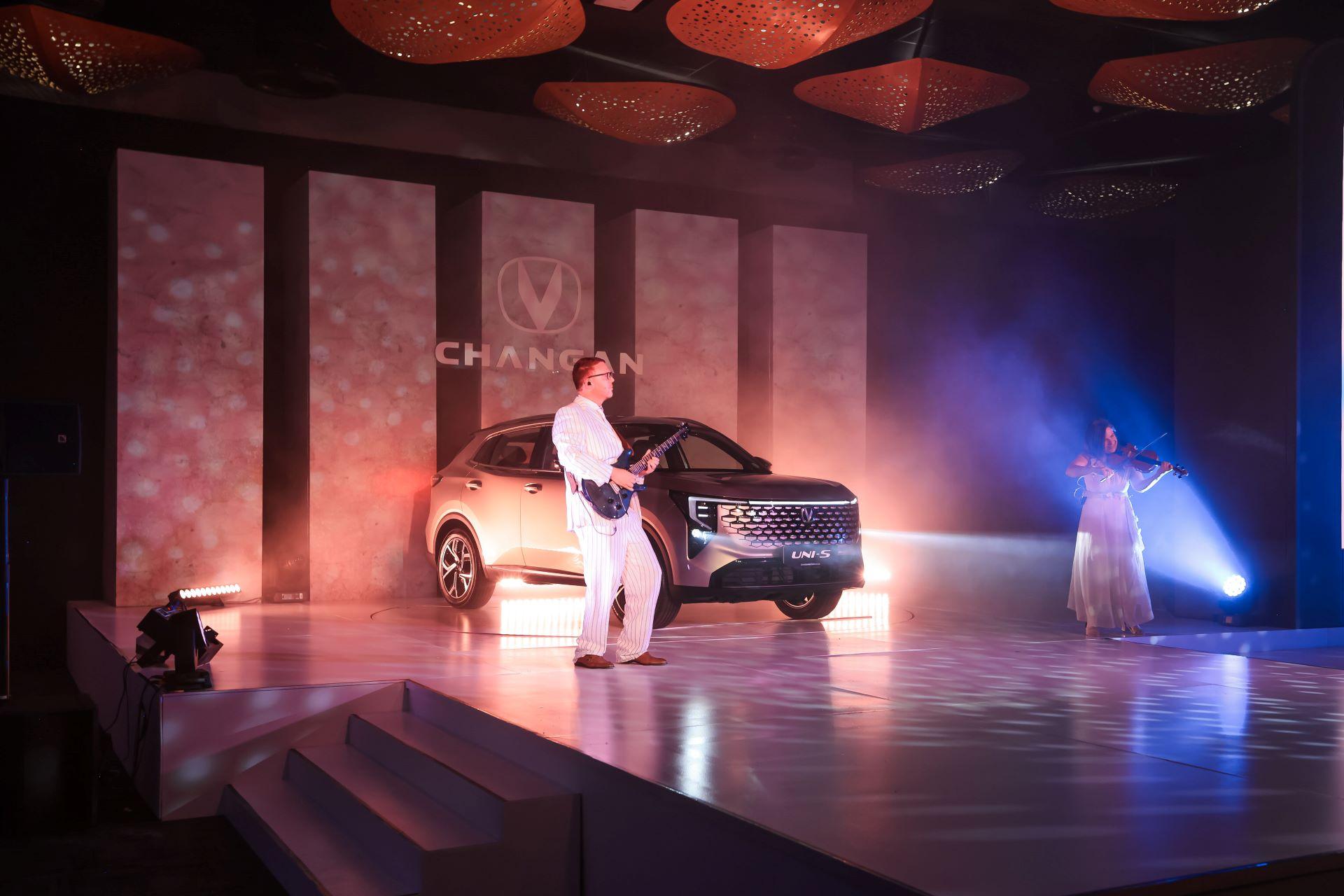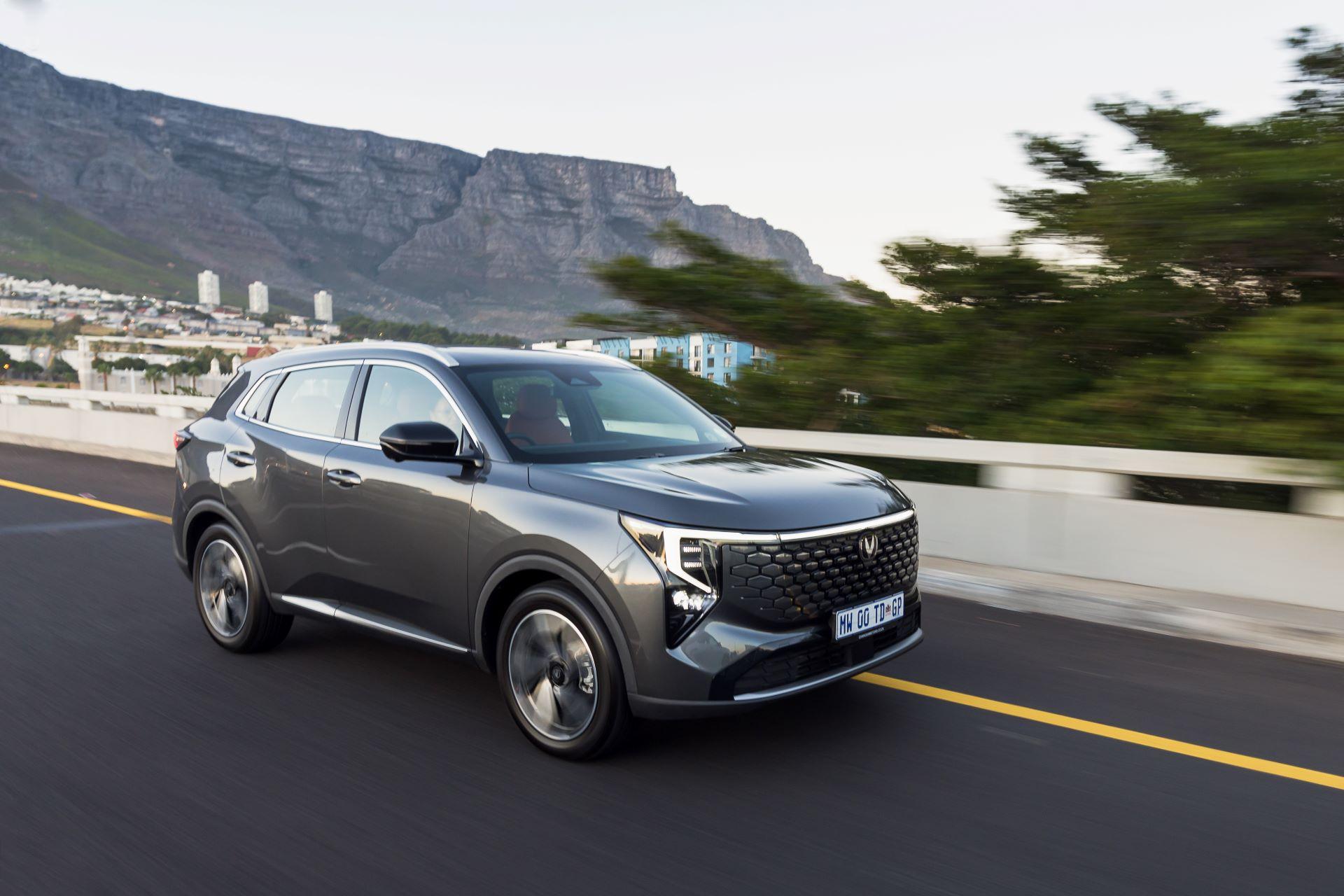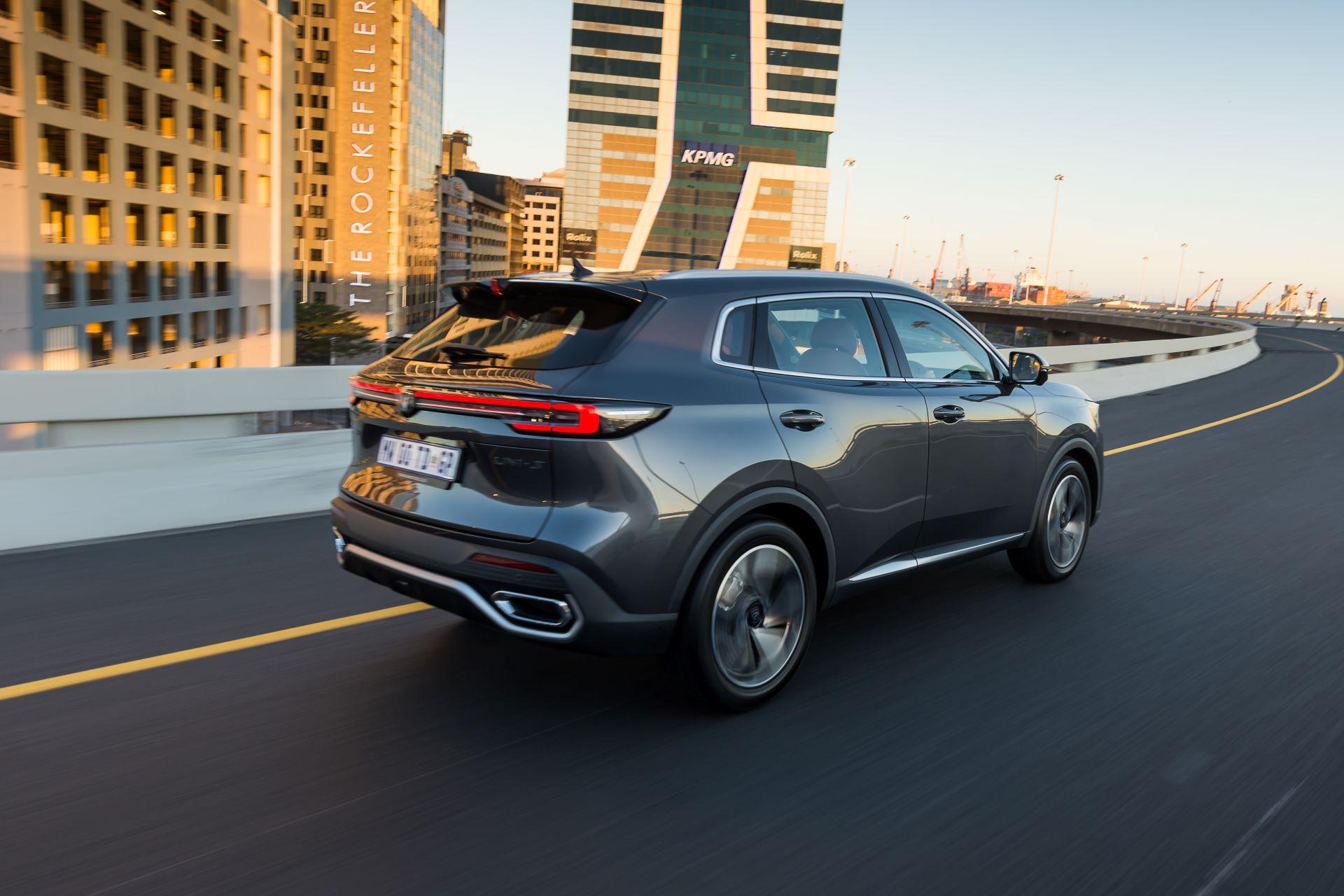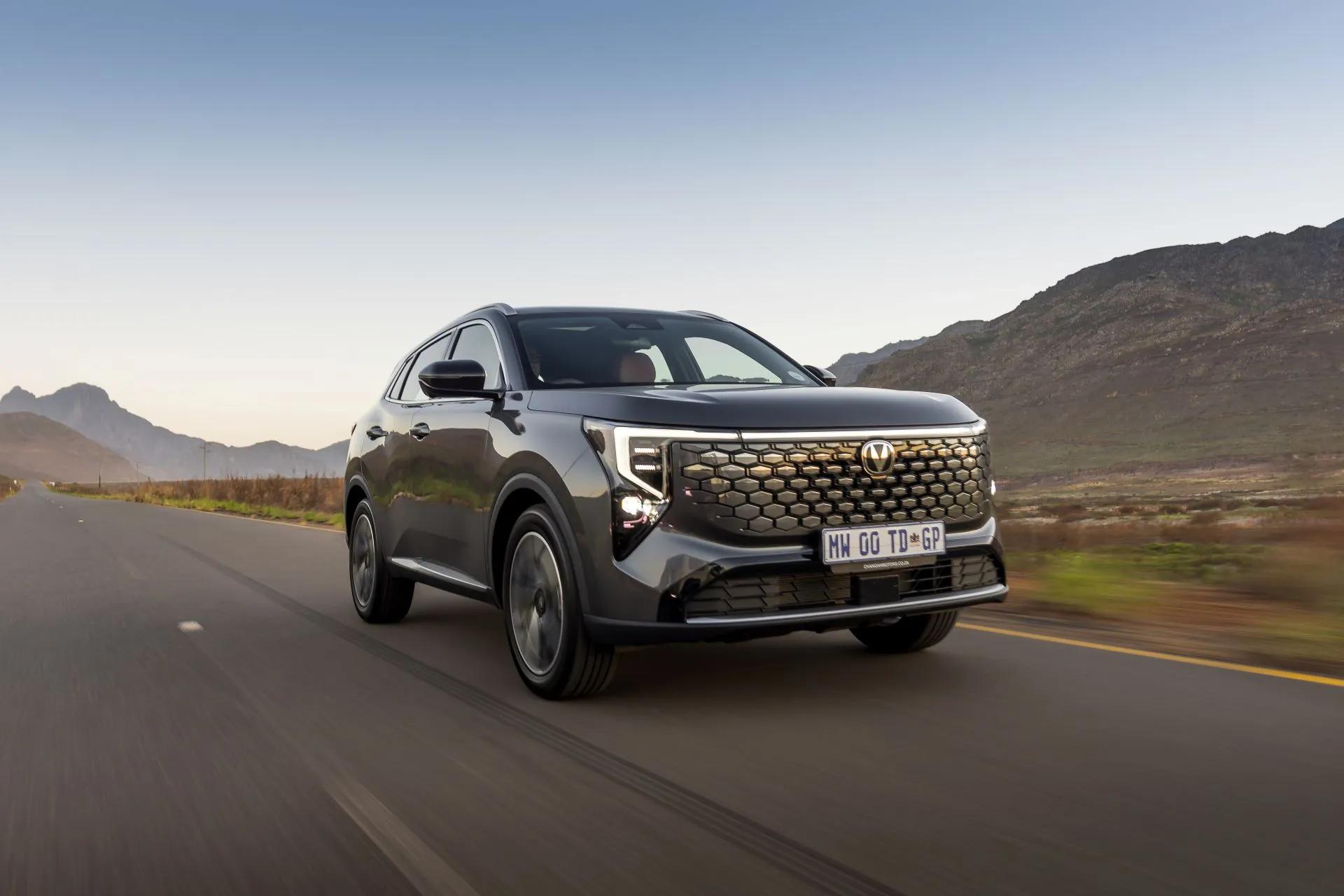



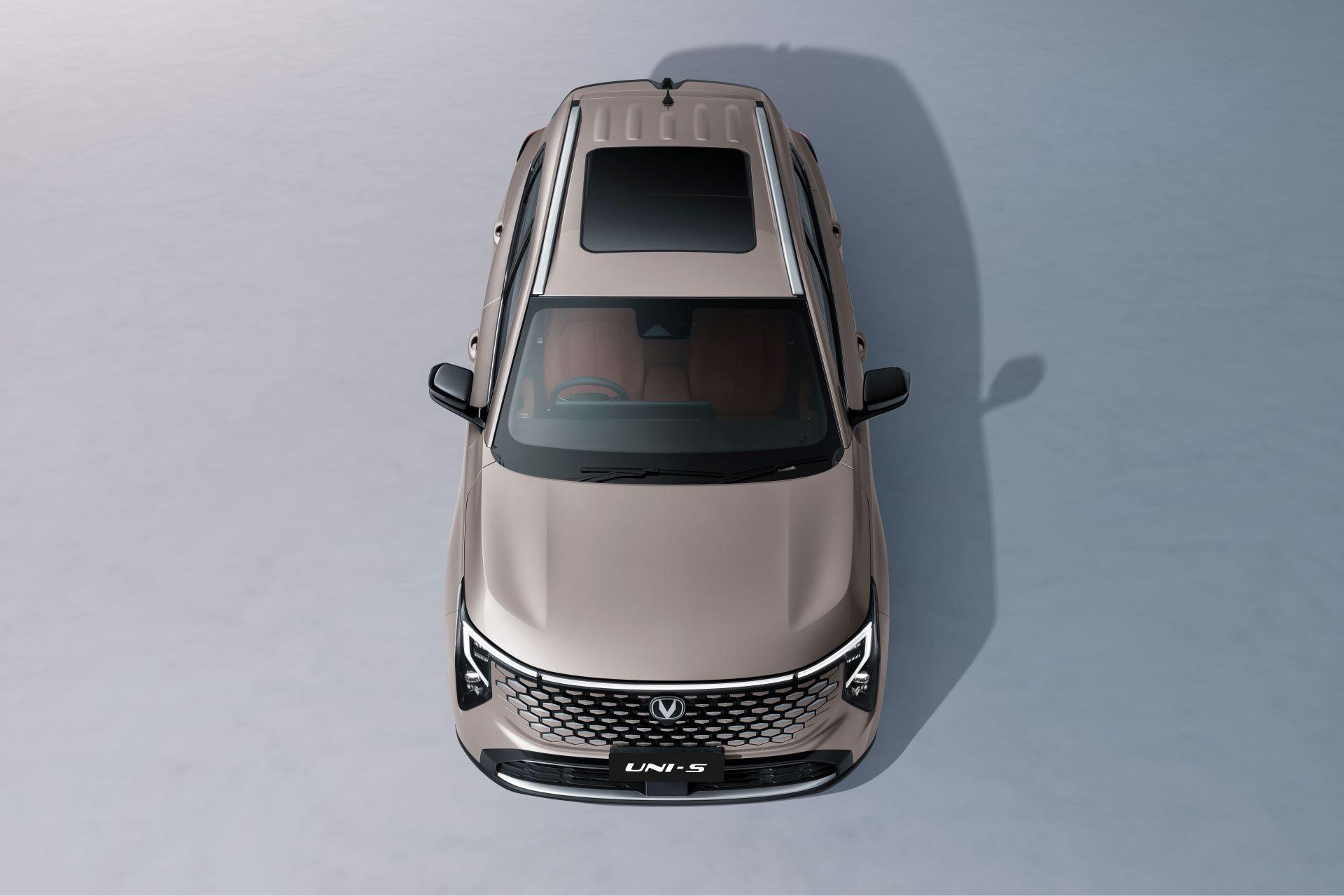
South Africa’s mid-size SUV segment is less a marketplace and more a proving ground. It’s where reputations are forged under pressure, where buyers arrive armed with spreadsheets, expectations and a healthy dose of scepticism. Every contender is measured, compared and quietly judged long before a test drive even begins. Into this arena steps the Changan UNI-S, not with a whisper, but with the kind of confidence that suggests it knows exactly what it’s doing.
There’s something deliberate about this entry. Many newcomers test the waters with aggressive pricing, hoping affordability will compensate for unfamiliarity. The UNI-S rejects that script entirely. It doesn’t position itself as a budget-friendly alternative trying to sneak into consideration. Instead, it plants itself firmly among the segment’s heavyweights and invites comparison without hesitation. That alone signals intent, but intent without substance rarely survives in this category.
The substance here begins with performance. With 138kW of power and 300Nm of torque, the UNI-S doesn’t merely meet expectations, it edges into territory typically associated with more established players. This is not an SUV that treats performance as a secondary concern. It builds from it. The power delivery, supported by Changan’s “Blue Whale” powertrain, sets the tone for a driving experience that feels engineered rather than assembled. There’s a sense that every mechanical decision has been made with purpose, not compromise.
That philosophy becomes even clearer beneath the surface. The inclusion of a multi-link independent rear suspension is not a marketing flourish. It’s a structural commitment to ride quality and stability, particularly on the varied and often unpredictable road conditions South African drivers know all too well. Whether navigating urban commutes or stretching out on long-distance routes, the mechanical setup suggests a vehicle designed to remain composed, responsive and reassuringly planted.
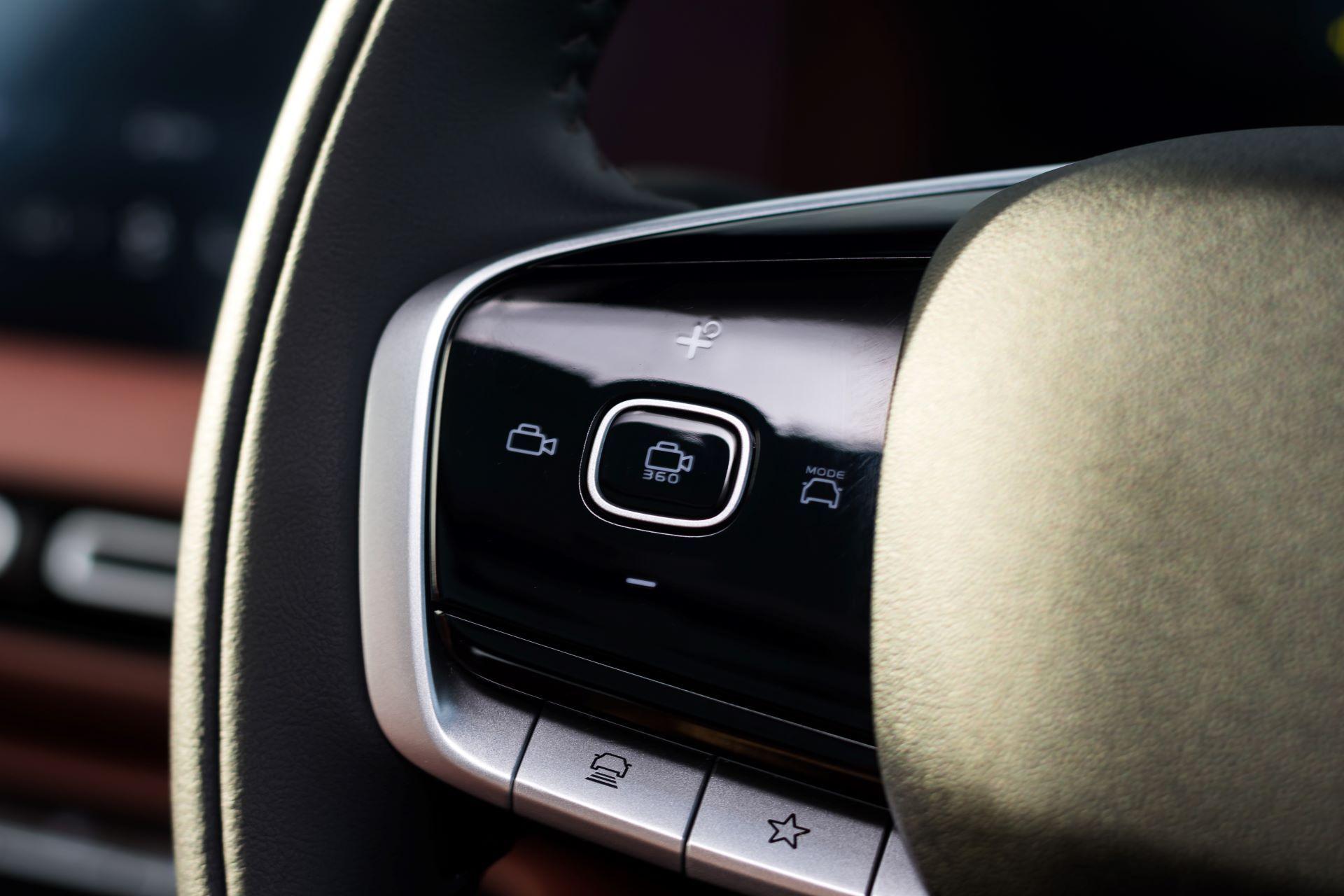
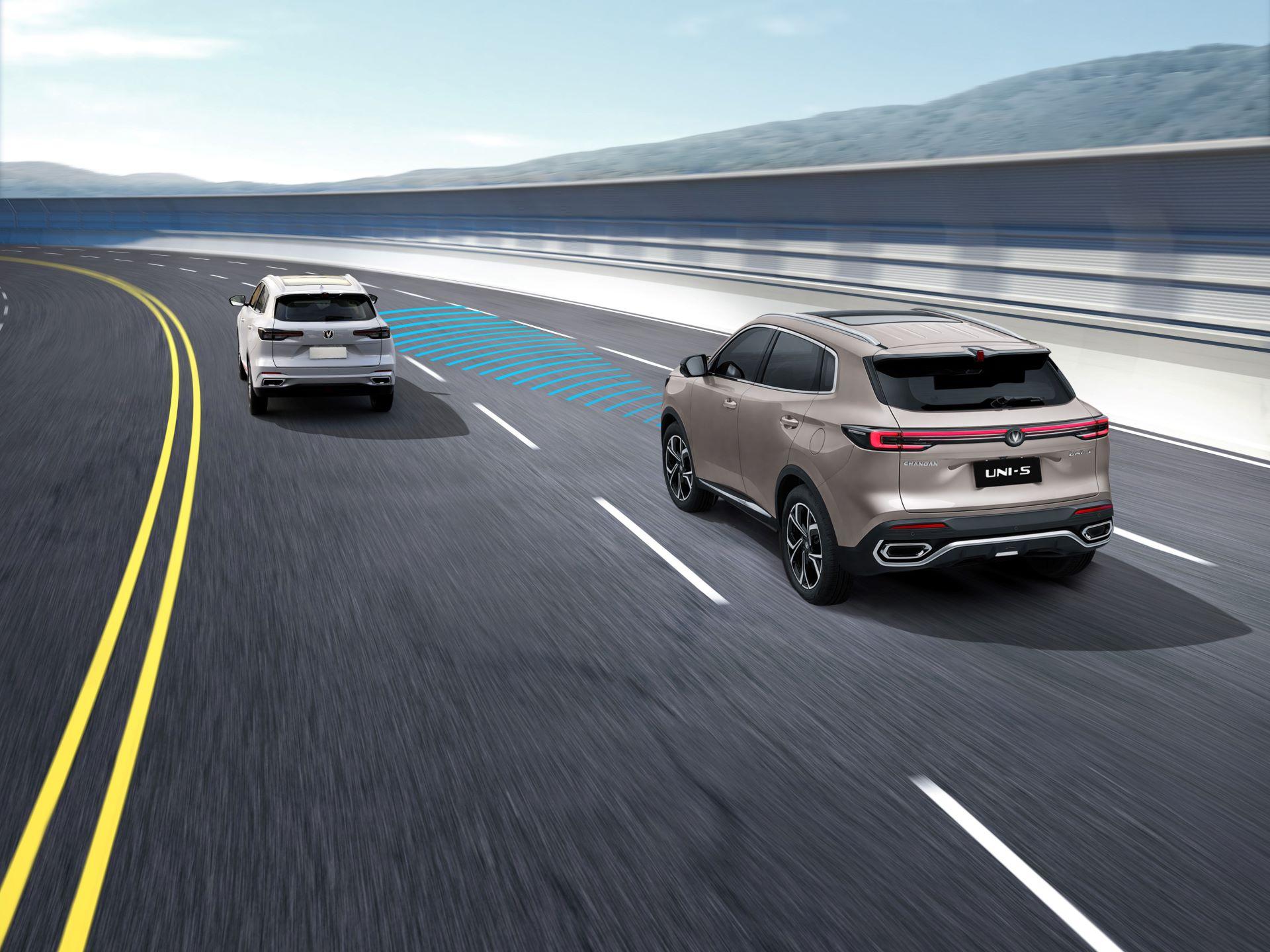
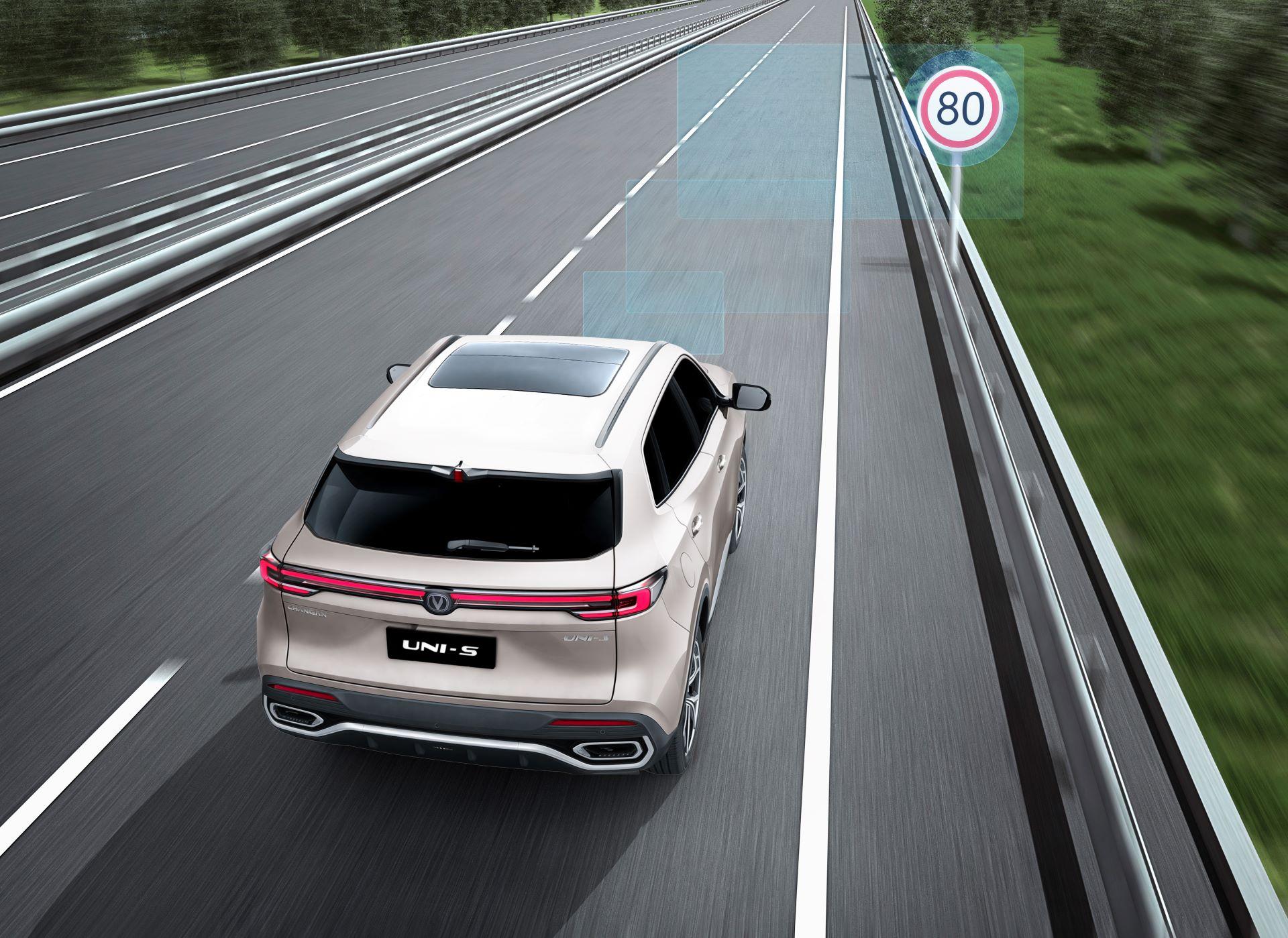
Then comes the technology, and this is where the UNI-S begins to reshape expectations. Advanced Driver Assistance Systems are no longer optional extras in this segment, but the breadth of what’s offered here pushes beyond the norm. Intelligent adaptive cruise control with stop-and-go functionality, collision warnings at both ends, blind spot monitoring, rear cross-traffic alert, automated parking and a 540-degree panoramic camera system collectively form a safety ecosystem that feels unusually comprehensive. This is not a scattergun approach to features. It’s a cohesive system designed to reduce driver strain and elevate confidence behind the wheel.
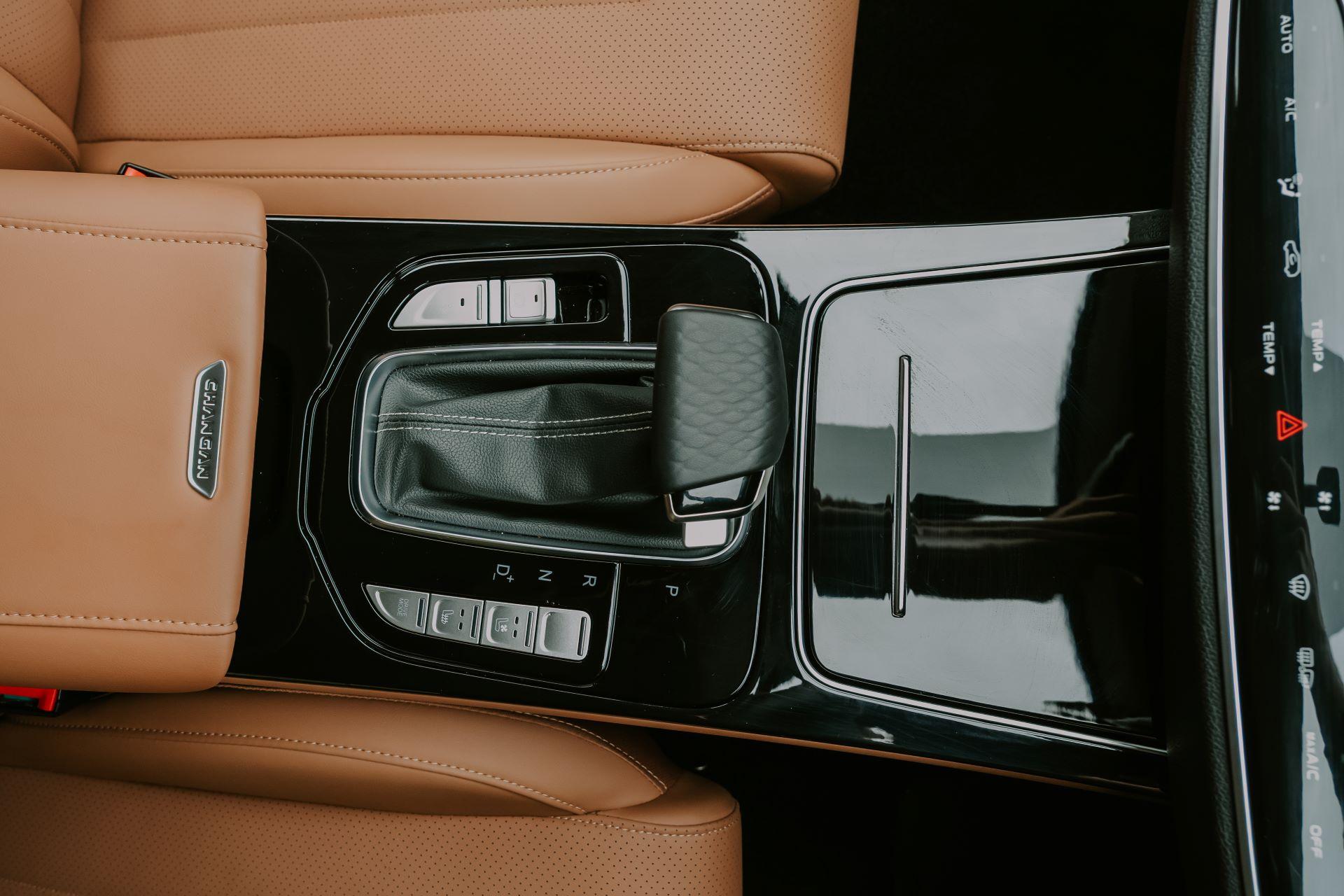
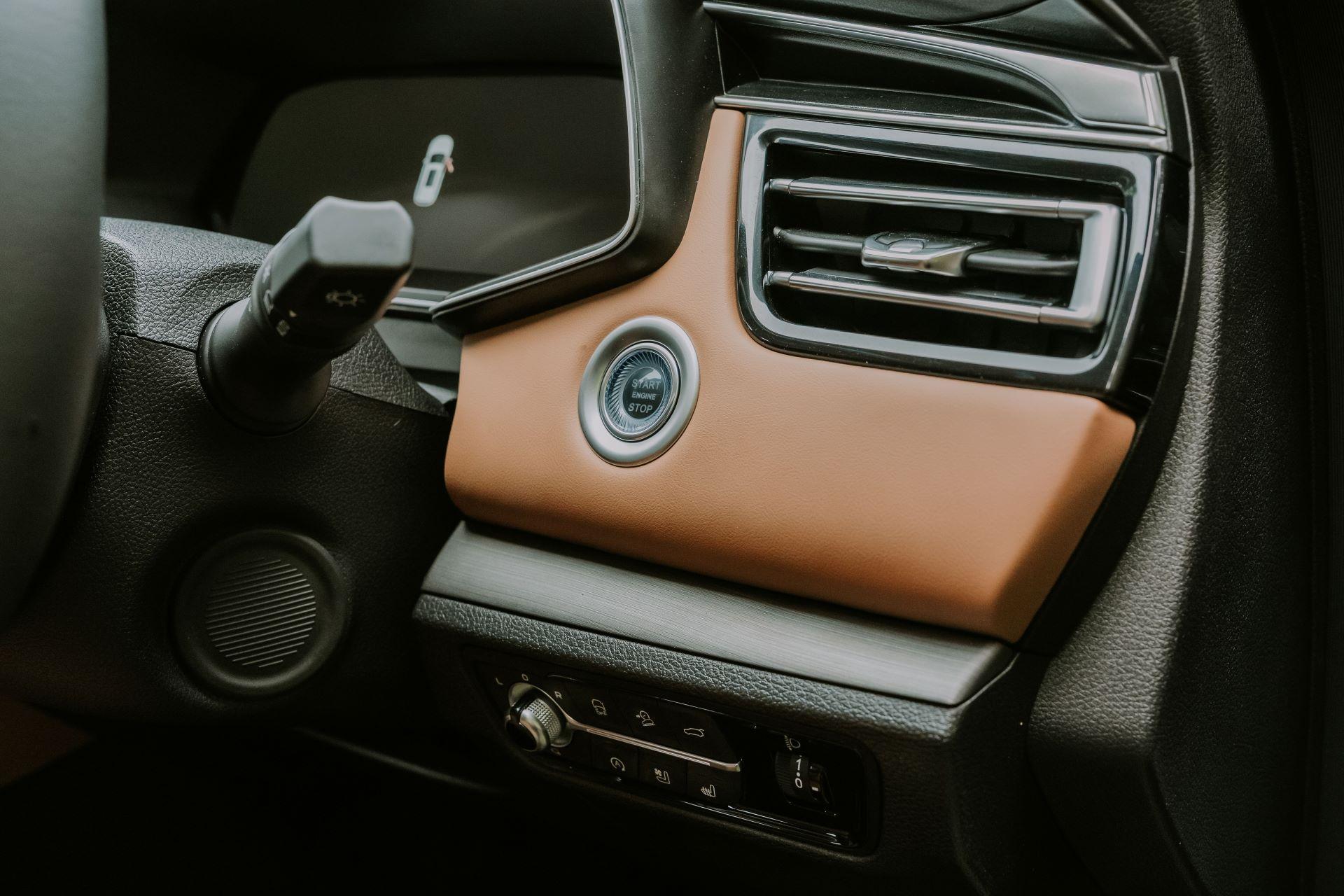
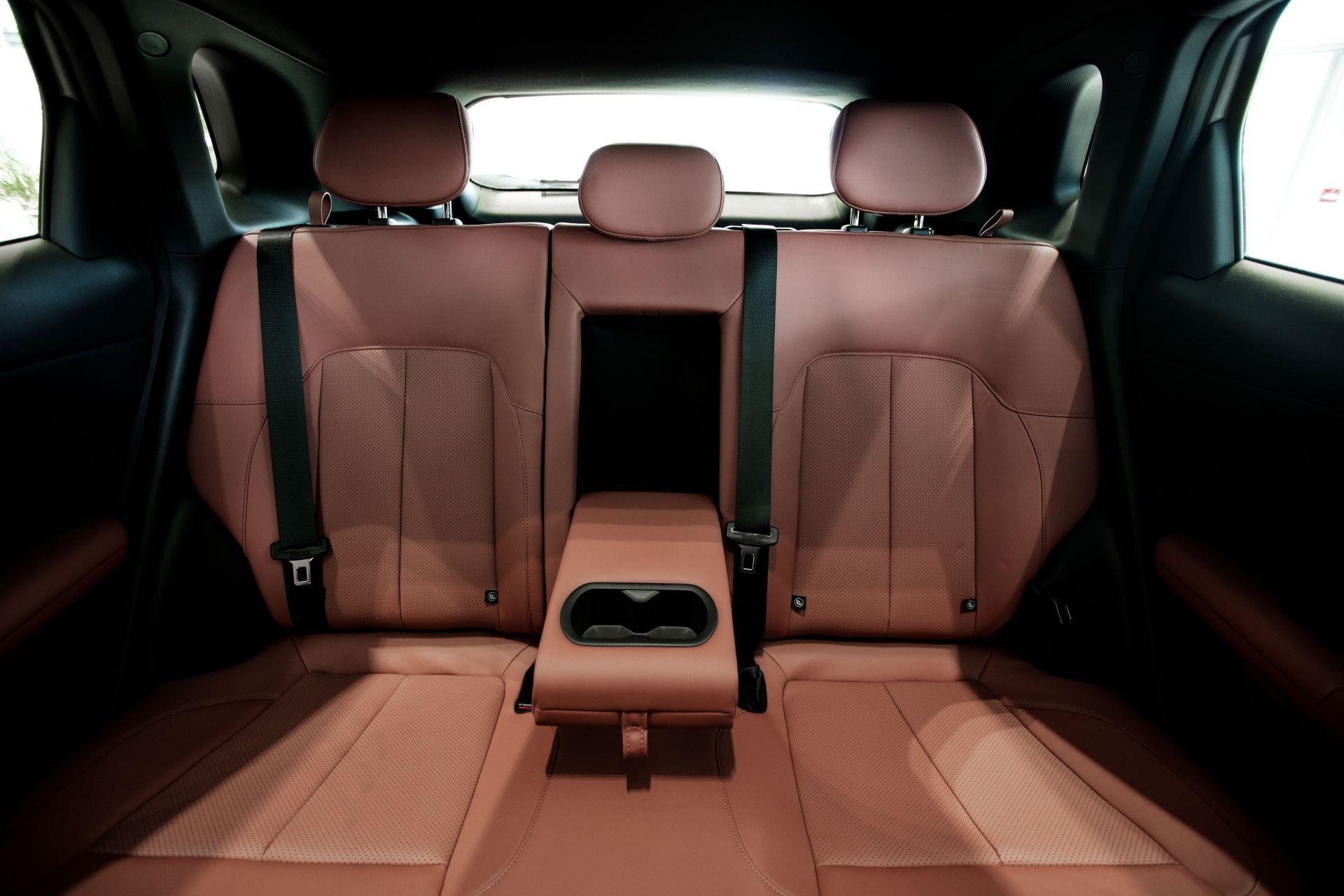
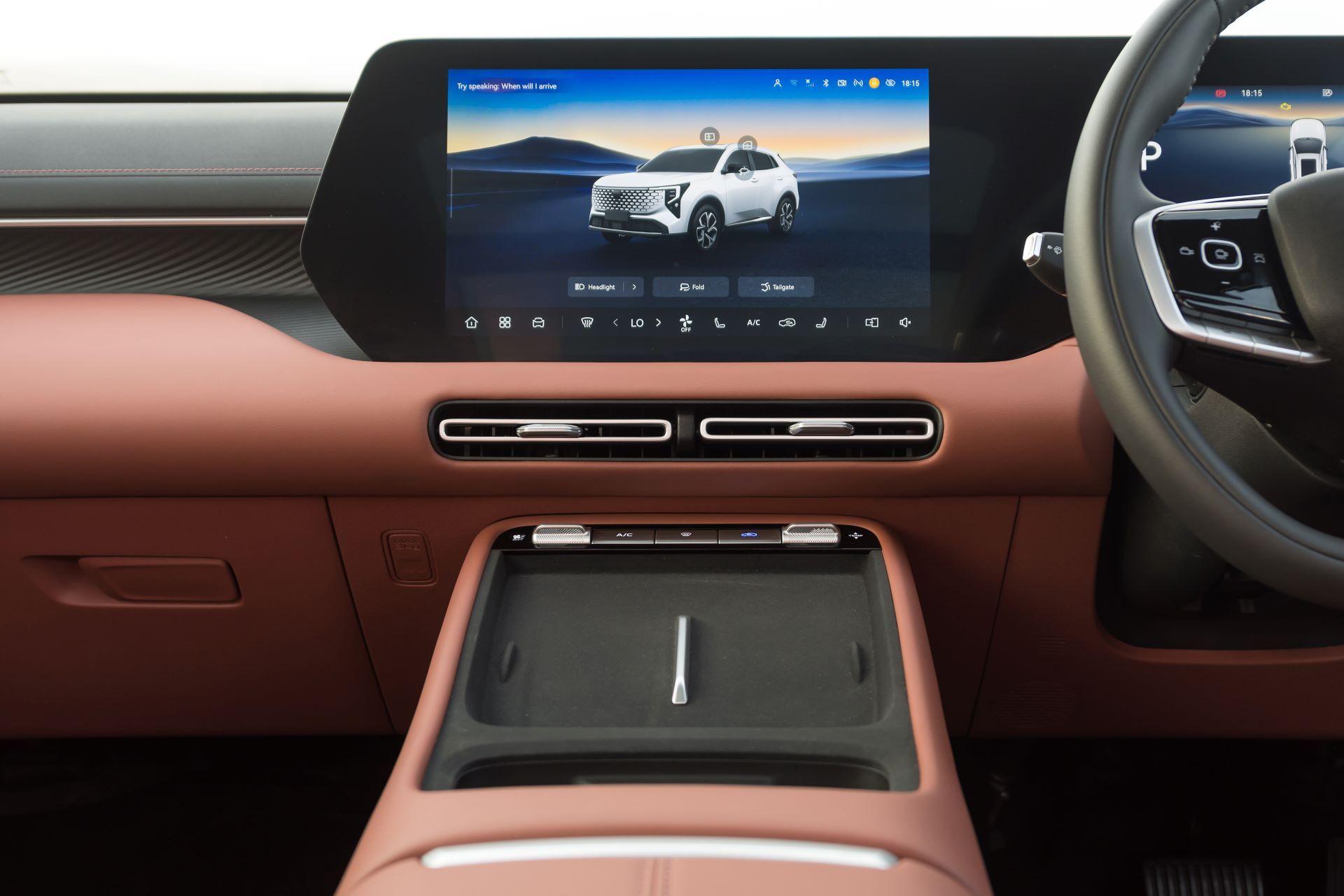
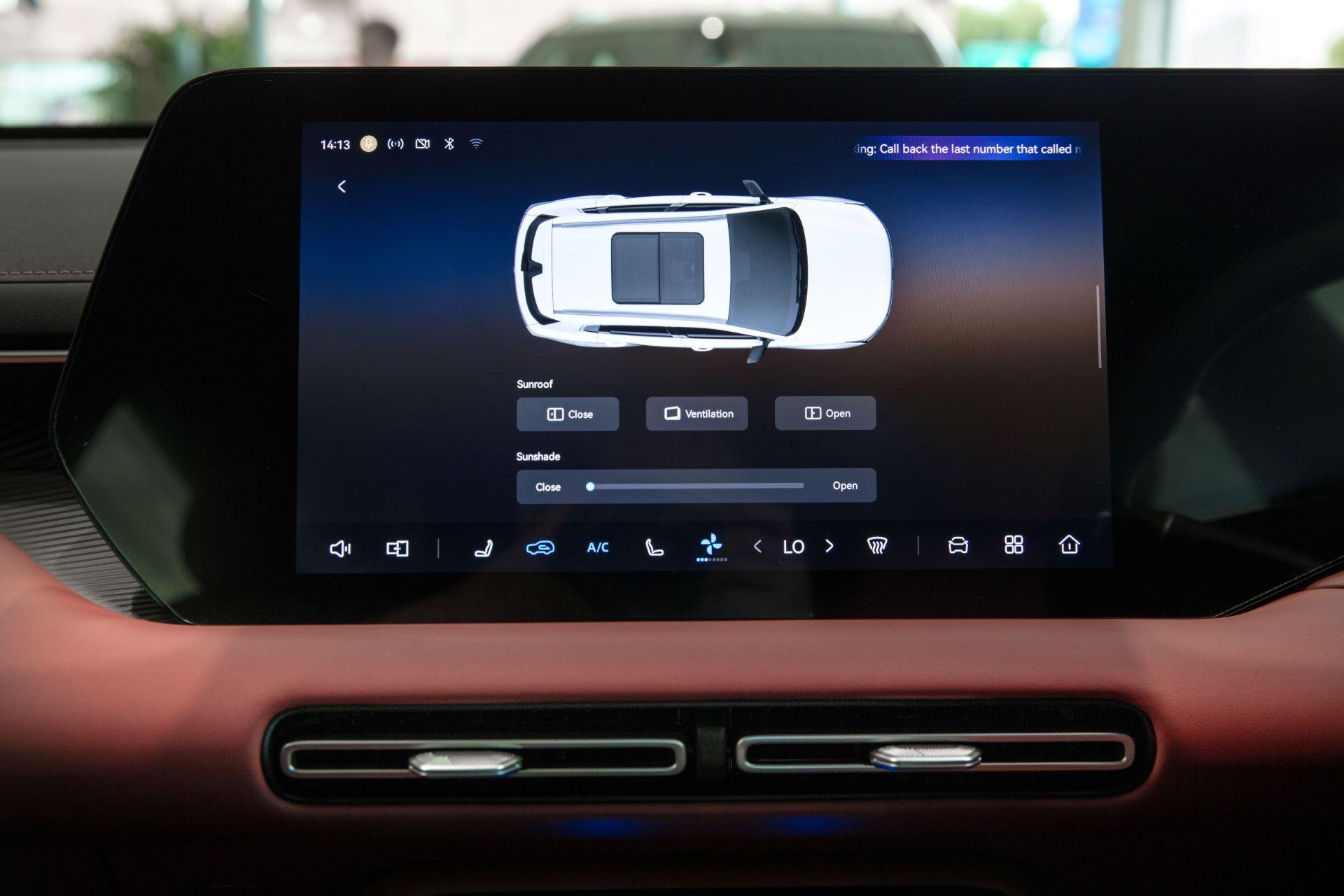
Inside, the UNI-S leans into a quiet kind of luxury that avoids shouting for attention but steadily reveals itself through detail. A panoramic sunroof that responds to rain, side mirrors that adjust themselves during reverse manoeuvres and an electric tailgate all contribute to a sense of intuitive convenience. The inclusion of a Bluetooth-enabled mobile key adds a layer of modern functionality that aligns neatly with increasingly digital lifestyles. At the centre of it all sits a 12.8-inch infotainment display paired with an eight-speaker audio system, anchoring the cabin in a space that feels both contemporary and considered.
What stands out is not any single feature, but the way they accumulate into something more persuasive. The UNI-S doesn’t rely on one headline specification to carry its value proposition. Instead, it builds a layered experience where engineering, technology and comfort intersect. For buyers accustomed to making trade-offs in this segment, that balance may prove particularly compelling.
This matters because the mid-size SUV category is not just another segment. It represents the core of the South African automotive market. It’s where practicality meets aspiration, where families, professionals and upwardly mobile buyers converge. Success here is rarely accidental. It demands a product that can withstand scrutiny from every angle, from performance figures to perceived value and long-term ownership considerations.
By choosing to enter this space so directly, Changan is making a broader statement about its ambitions in South Africa. The UNI-S is not just a new model. It’s a signal of intent, a marker of the brand’s transition from emerging participant to credible contender. It suggests a long-term commitment to competing where it matters most, rather than building presence on the periphery.
The real test, of course, will come from the market itself. South African buyers are not easily swayed by promises. They respond to tangible value, to vehicles that deliver consistently across the metrics that matter. In that sense, the UNI-S faces the same scrutiny as every other entrant. But it also arrives with something many competitors lack: the willingness to challenge the established order rather than adapt to it.
True disruption in this segment does not come from incremental improvements. It comes from shifting the baseline, from forcing buyers to reconsider what should be standard and what should be exceptional. The UNI-S appears engineered with exactly that goal in mind. It doesn’t just participate in the conversation. It attempts to rewrite parts of it.
With its South African launch set for April 2026, the UNI-S enters the market at a moment where expectations are already high and competition is relentless. That makes the timing as bold as the product itself. Whether it ultimately reshapes the segment or simply raises the bar within it, one thing is clear: it has no intention of blending in.