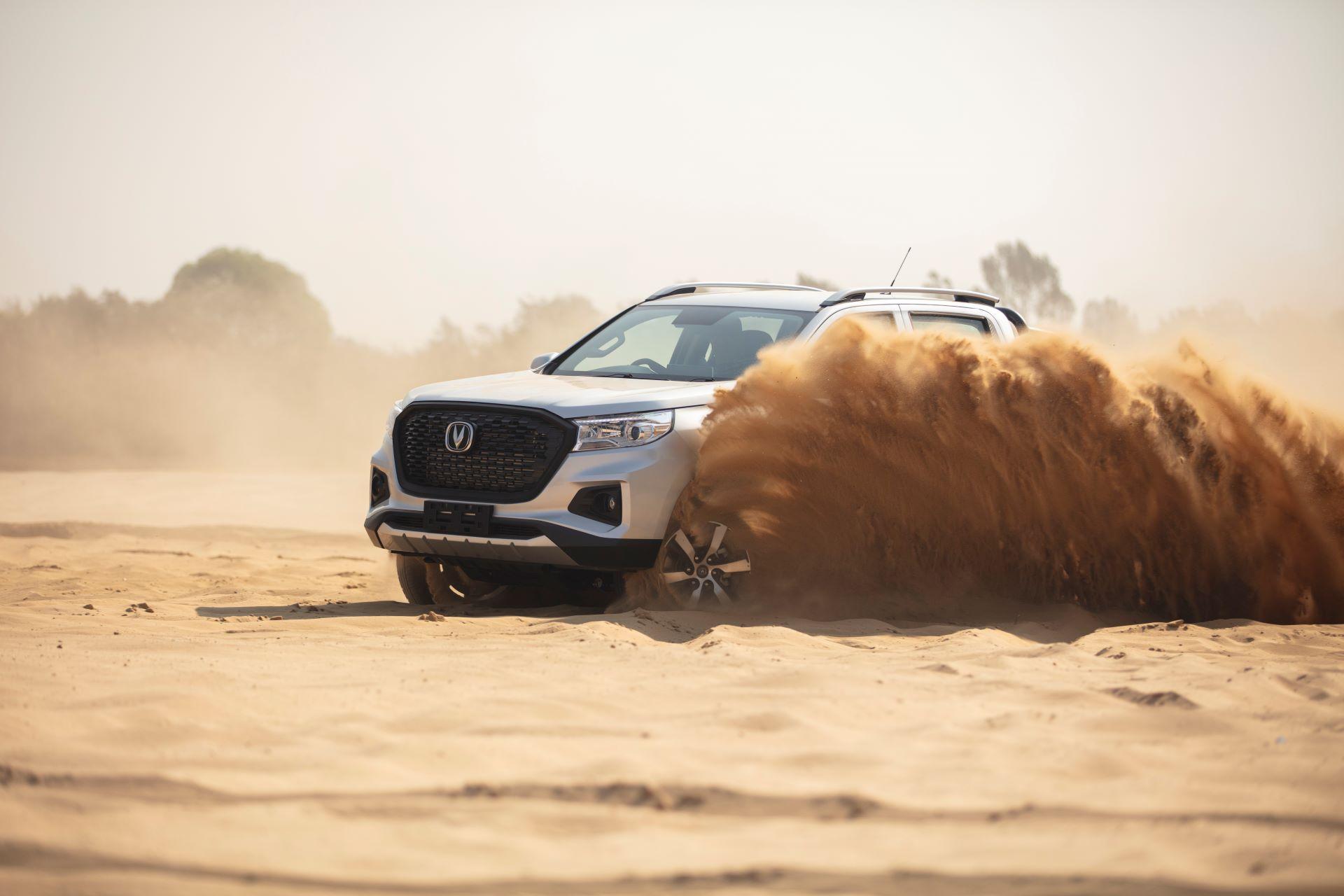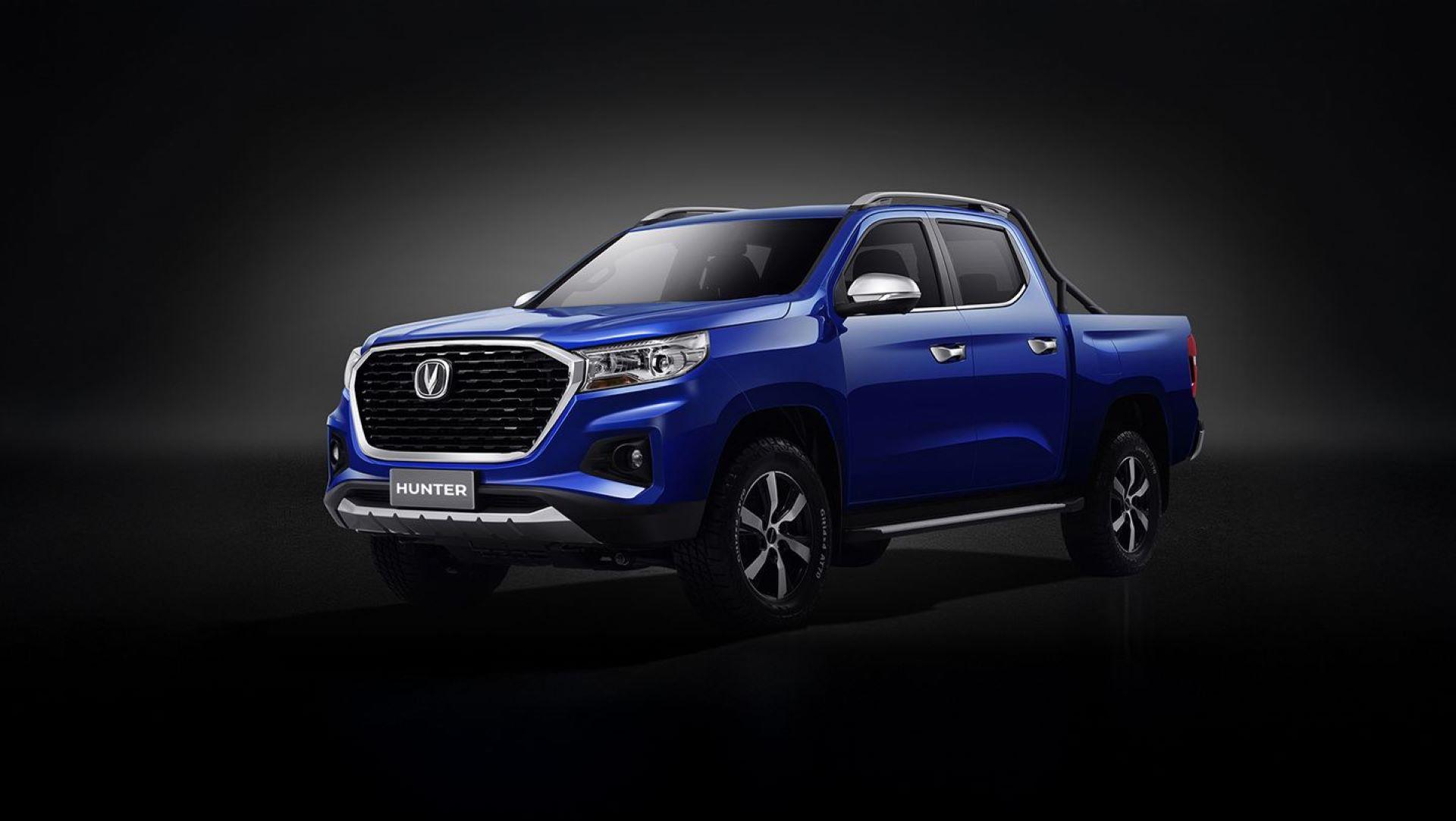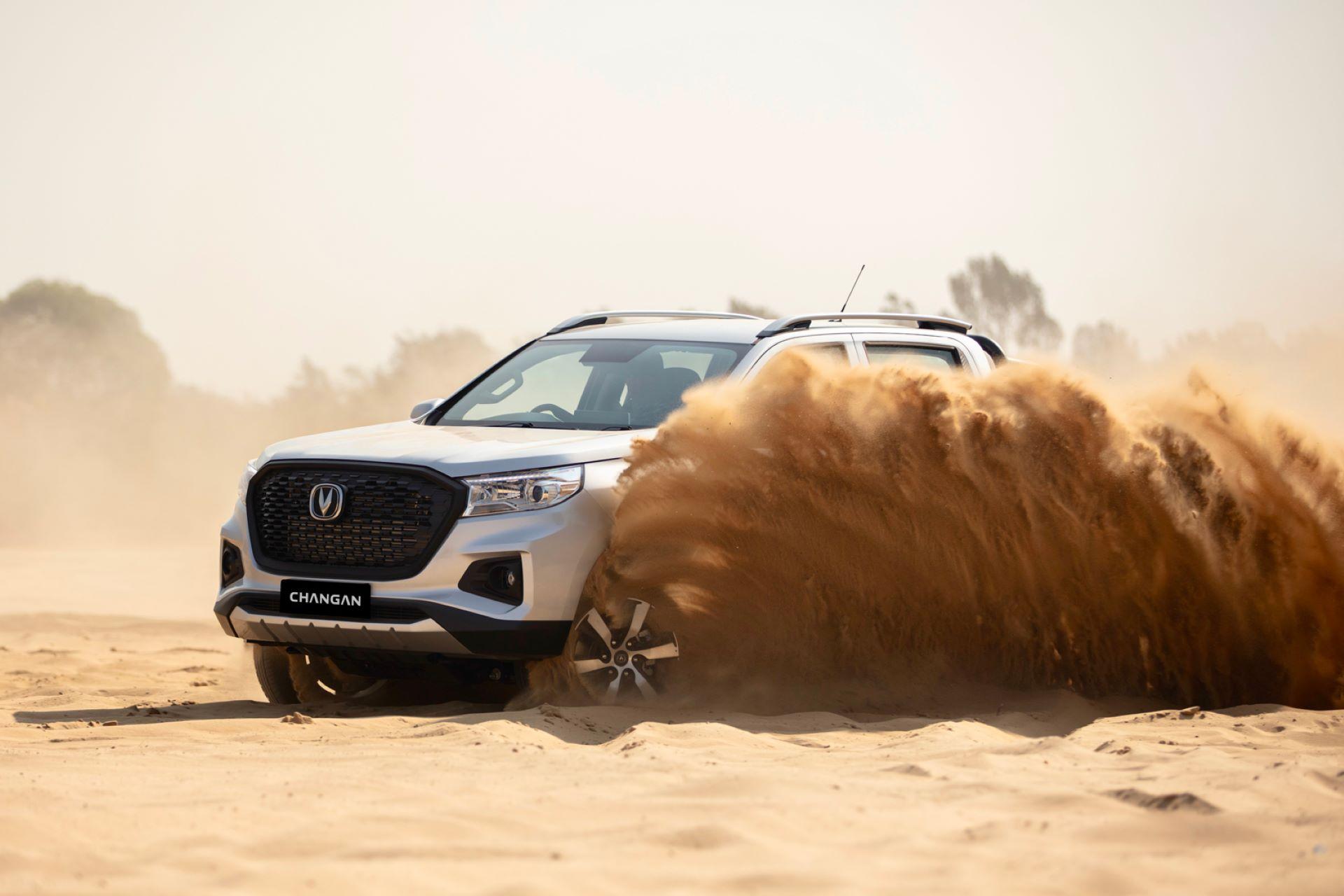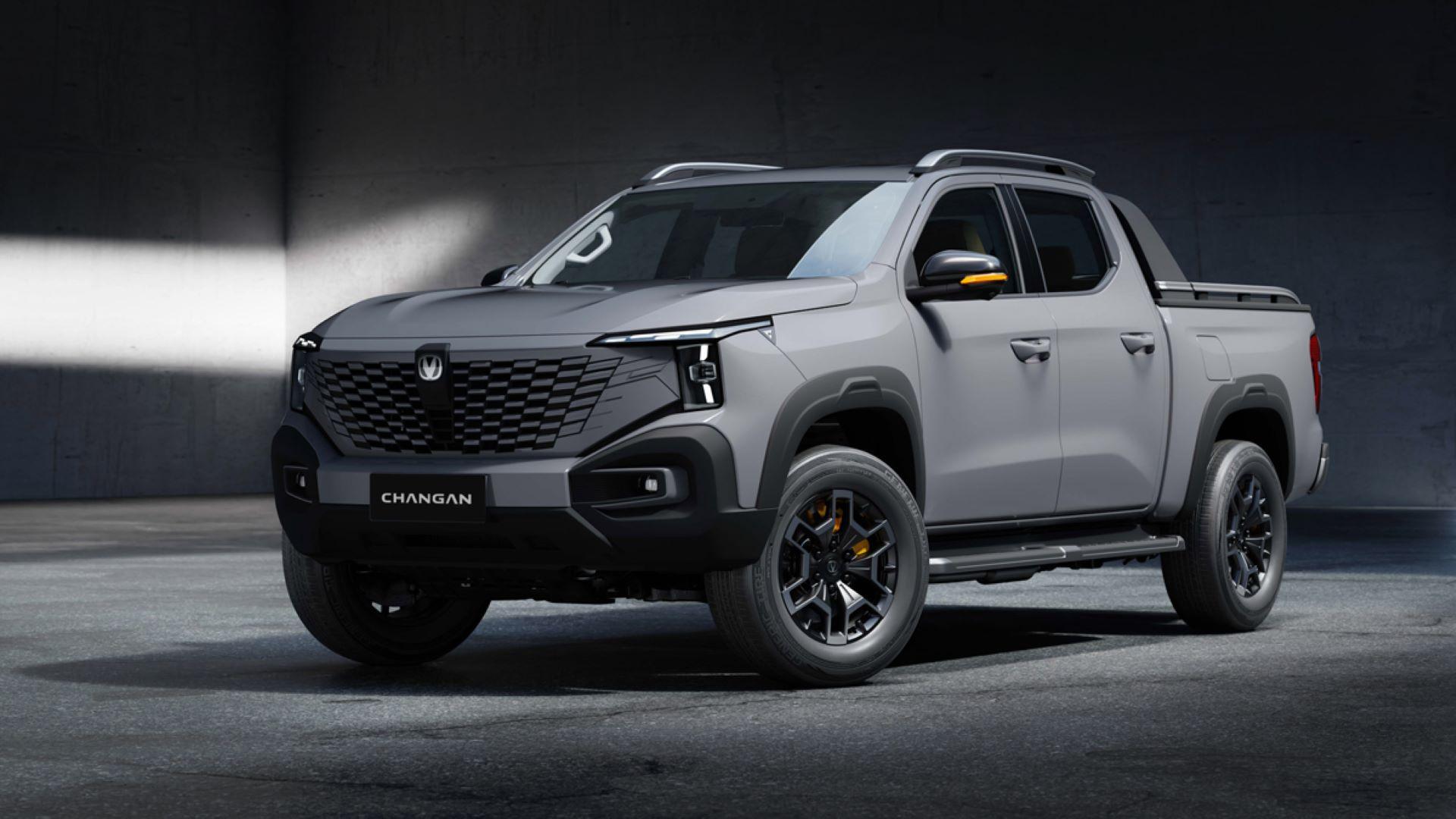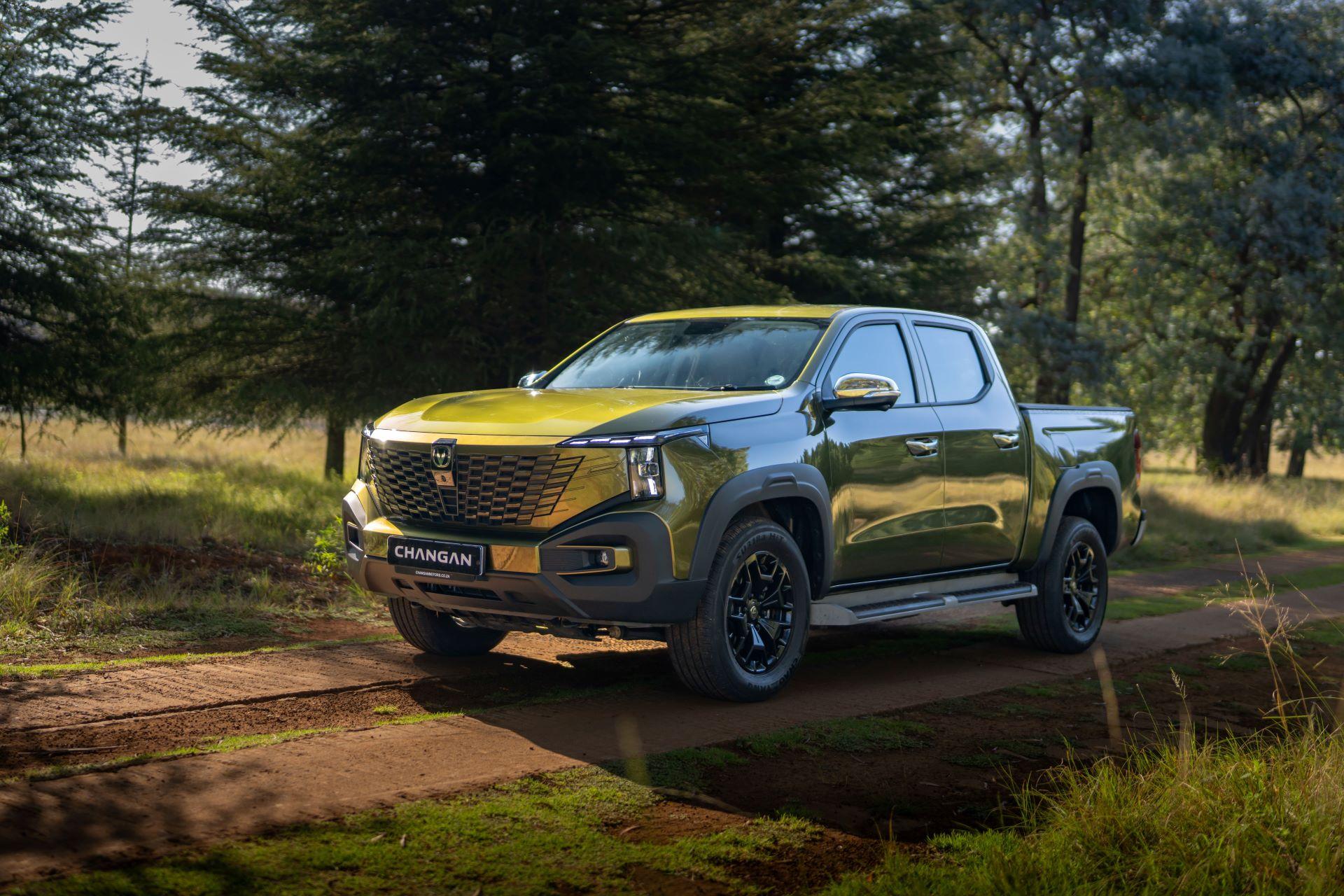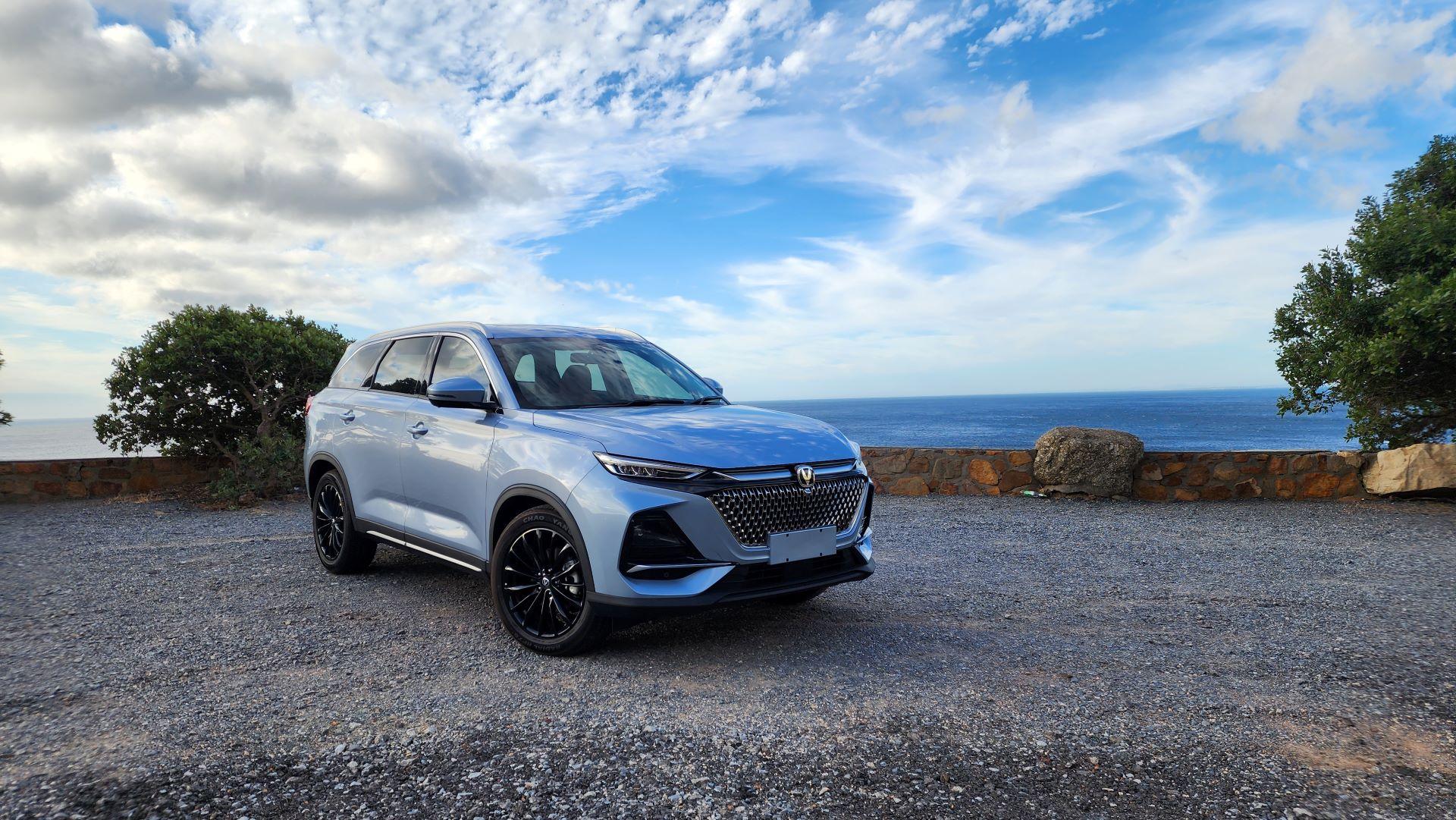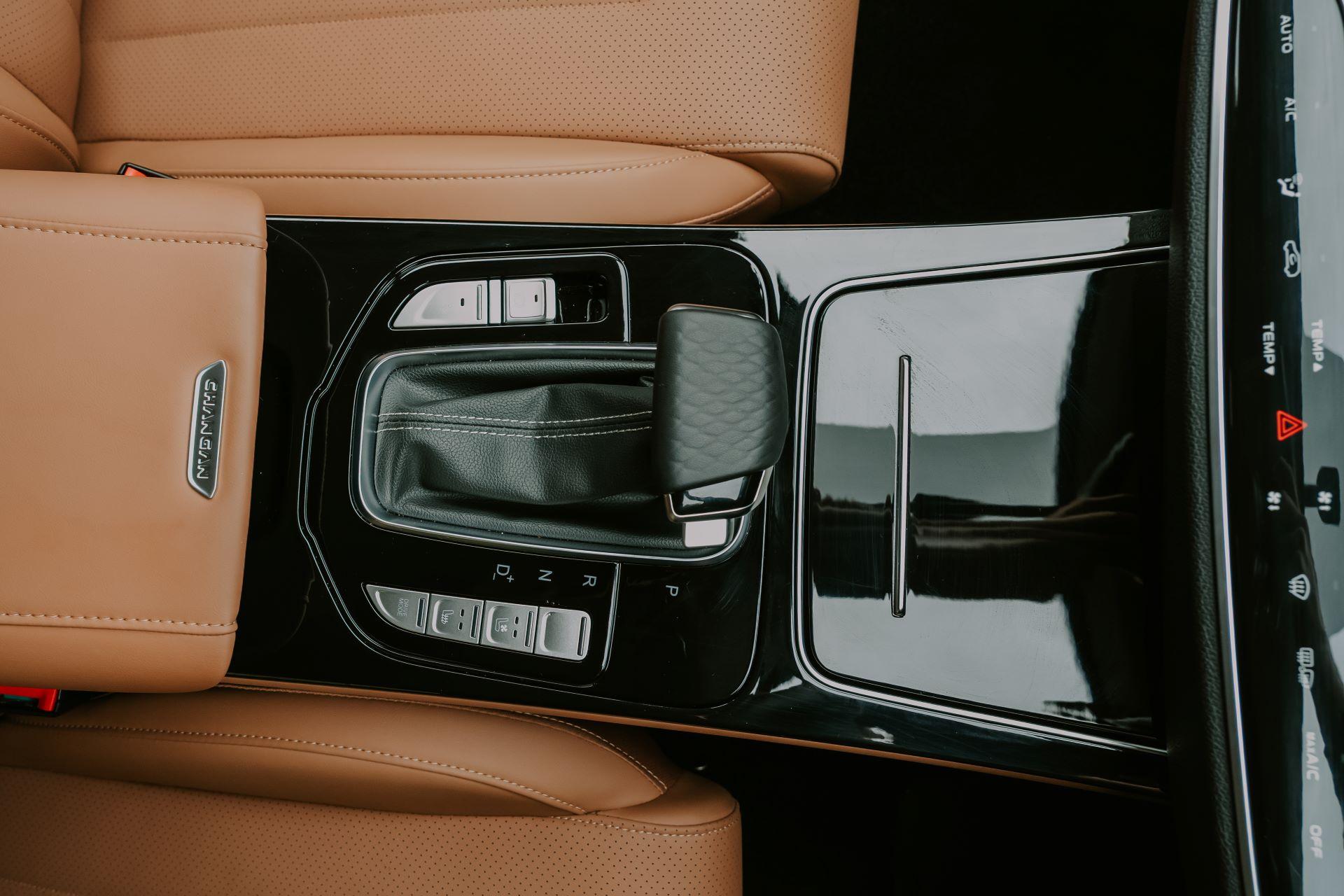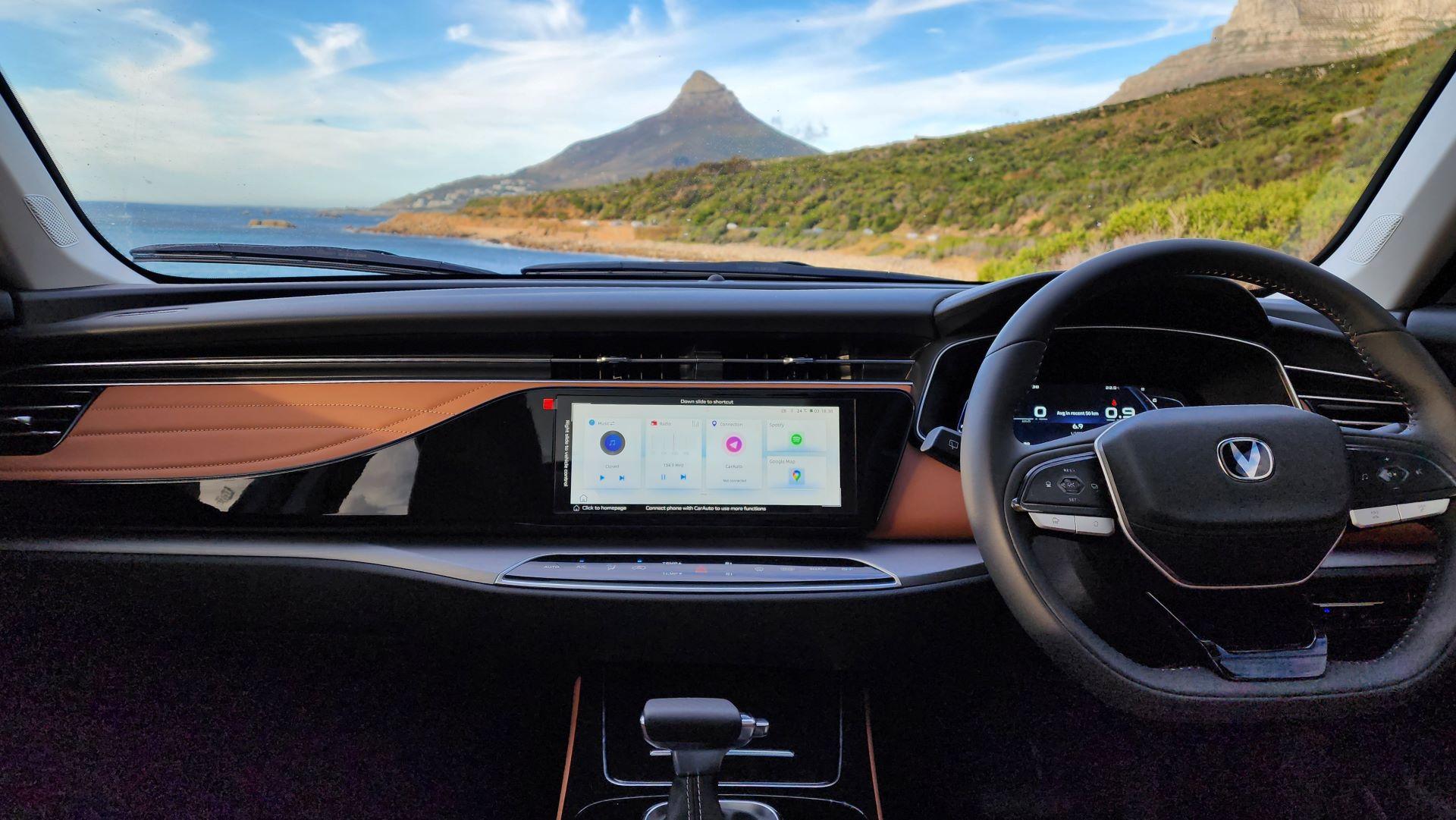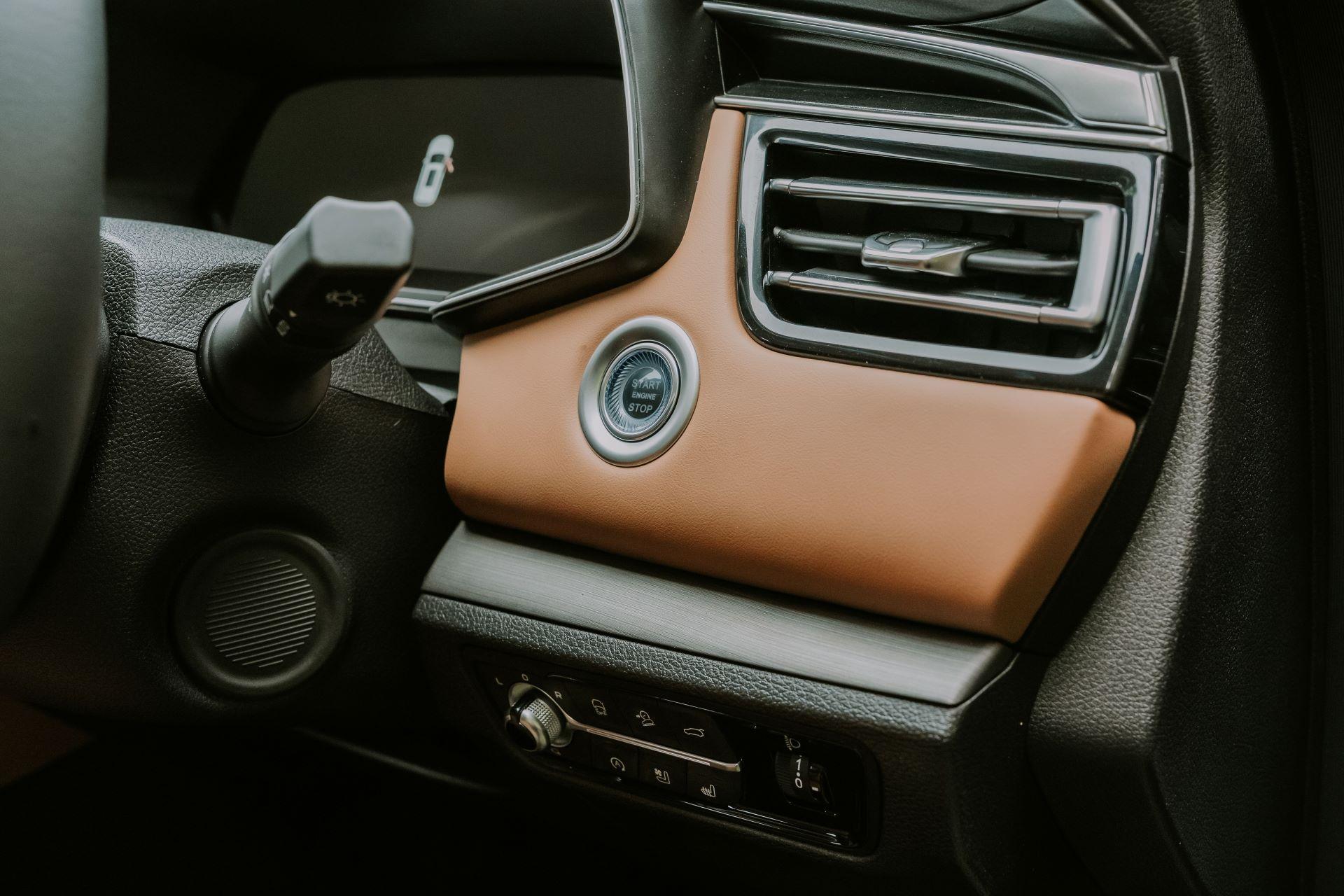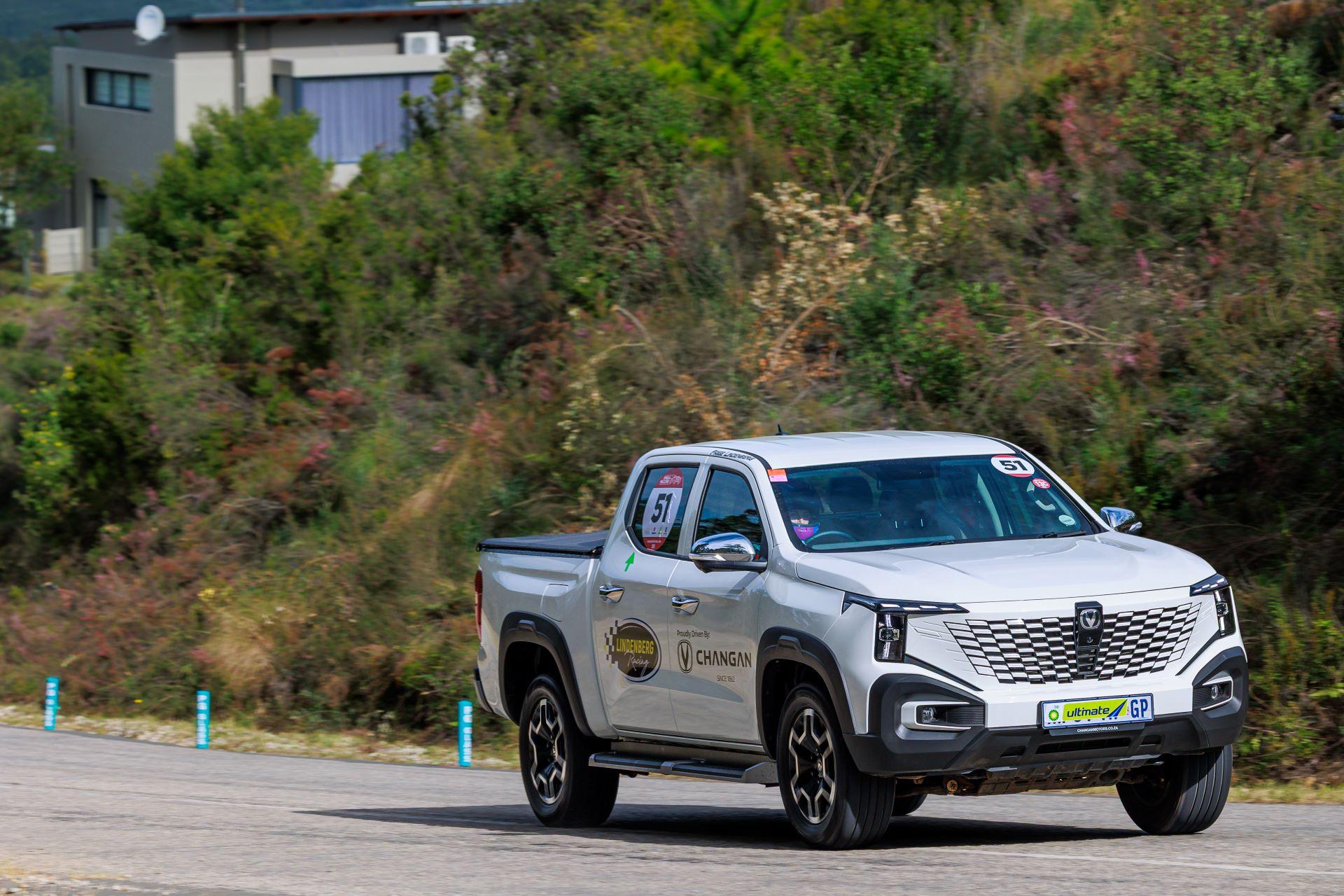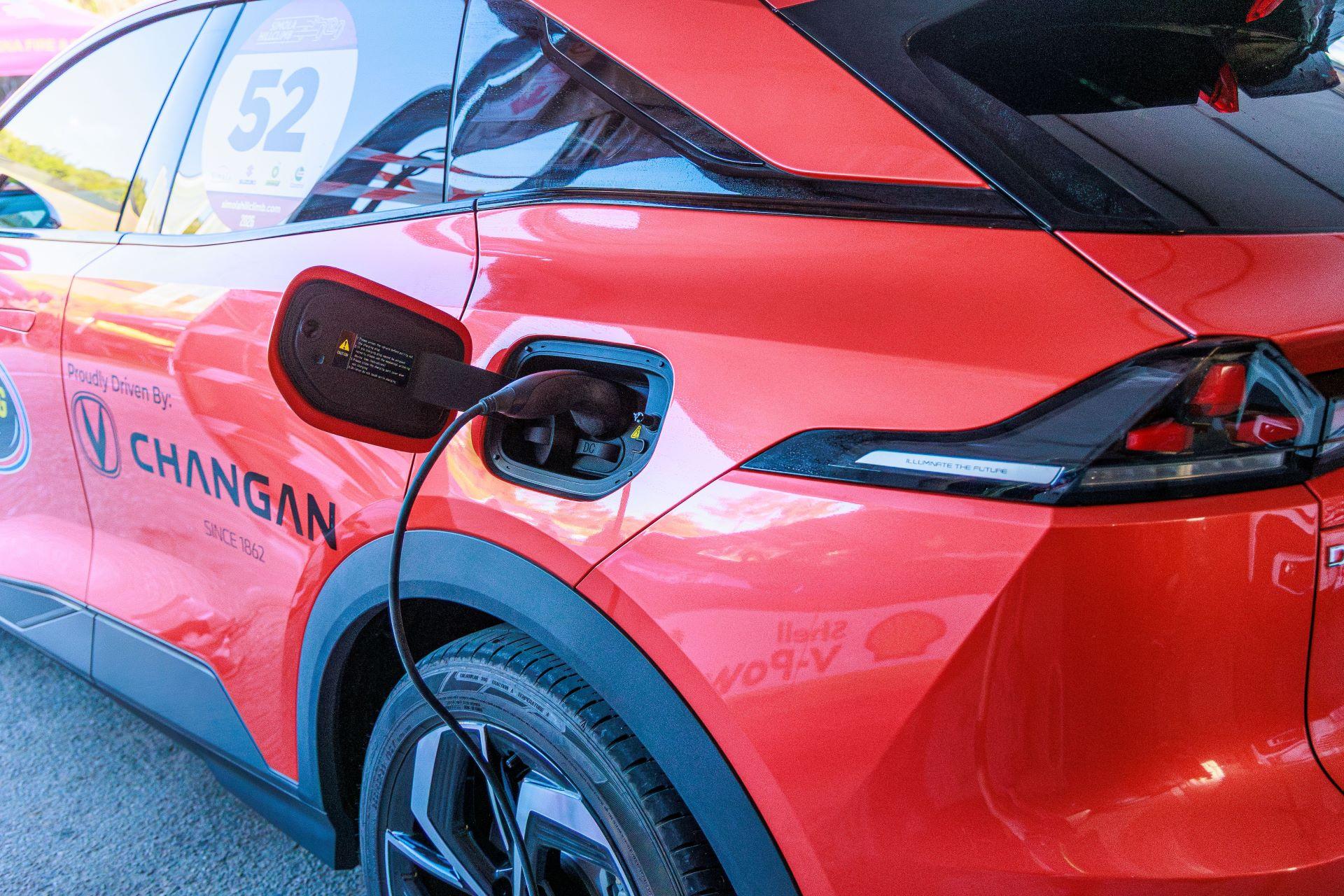





When South Africans choose a bakkie, they are not simply buying a vehicle, they are buying a working companion expected to shoulder heavy loads, long distances and unpredictable conditions day after day. The purchase price may open the door, but it is the long road afterwards that defines true value. In that long game of kilometres, maintenance cycles and parts replacements, the Changan Hunter Diesel is quietly reshaping expectations around what affordable ownership really looks like.
Independent comparative benchmarking within the Light Commercial Vehicle segment places the Changan Hunter Diesel 2.0TD D/C 4WD 6AT firmly among the most cost-efficient performers in its class. Evaluated against a range of mainstream rivals, including both established global nameplates and a competitive Chinese entrant, the Hunter consistently demonstrates lower-than-average ownership costs across multiple real-world usage scenarios.
The most striking advantage emerges in the everyday reality of wear-and-tear. Components such as brakes, suspension elements, engine-related parts and clutch systems were assessed as part of a Top 150 parts basket analysis. Across this broad evaluation, the Hunter Diesel recorded a nett cost position approximately 16% below the segment mean, positioning it as one of the most affordable bakkies to maintain over time. For operators who depend on predictable expenses, that difference compounds meaningfully with every service interval and every kilometre driven.
Servicing milestones further reinforce this advantage. At the 60 000 km mark, scheduled maintenance costs were shown to be roughly 31% more affordable compared to the segment average. As mileage increases and vehicles move deeper into their working life, the trend does not reverse. At 120 000 km, servicing costs remained approximately 31% lower, and at 150 000 km, the gap widened further to around 32% below the comparative benchmark. Rather than escalating sharply with age, the Hunter maintains a steady cost profile that supports long-term planning and reduces financial uncertainty for owners and fleet operators.
Beyond scheduled maintenance, the broader cost of replacement parts paints an equally compelling picture. In high-frequency replacement scenarios, the Hunter Diesel continues to outperform the market average, particularly in commonly replaced components that directly affect operational uptime. In practical terms, this means fewer financial shocks when parts inevitably need attention and a more controlled cost environment across the lifespan of the vehicle.
Crash and body repair economics add another layer to the equation. Benchmark data shows that impact-related components for the Hunter Diesel are priced significantly below segment norms, an important factor in both insurance considerations and out-of-pocket repair exposure. Key exterior elements such as bonnet panels and hinges were found to be approximately 100% and 62% more affordable respectively, while bumper rear skins, front fenders and grille assemblies recorded savings of around 60%, 30% and 100% when compared to mainstream rivals. In real-world terms, this translates into reduced downtime and lower repair friction when the unexpected inevitably occurs.
For South African businesses operating in agriculture, logistics, construction and trade services, these figures are more than technical data points. They represent operational stability. A bakkie is not just transport, it is a revenue tool, and any reduction in downtime or repair cost has a direct impact on productivity and profitability.
This affordability advantage is underpinned by a supply chain designed for responsiveness. All genuine Changan replacement parts are distributed through a dedicated 7 500 m² Parts Warehouse in Pomona, Johannesburg, ensuring national availability and rapid turnaround times. Operated in partnership with DP World, the facility benefits from global logistics expertise, enabling streamlined distribution to an expanding dealership and service network across South Africa. The result is a support ecosystem built to minimise waiting time and maximise vehicle uptime.
What makes the Hunter Diesel’s positioning particularly notable is that its cost advantages are not achieved through compromise. Instead, they reflect a deliberate engineering and lifecycle strategy focused on durability, predictable maintenance and efficient parts provisioning. In a market increasingly sensitive to total cost of mobility, this approach aligns directly with the needs of real working environments where reliability and affordability must coexist.
Ultimately, the Changan Hunter Diesel is not trying to win the ownership conversation on purchase price alone. It is building its case where it matters most, in the accumulated reality of ownership over years of hard work. From servicing cycles to parts replacement and unexpected repairs, it consistently demonstrates that long-term value is measured not in showroom appeal, but in every productive kilometre it helps deliver.