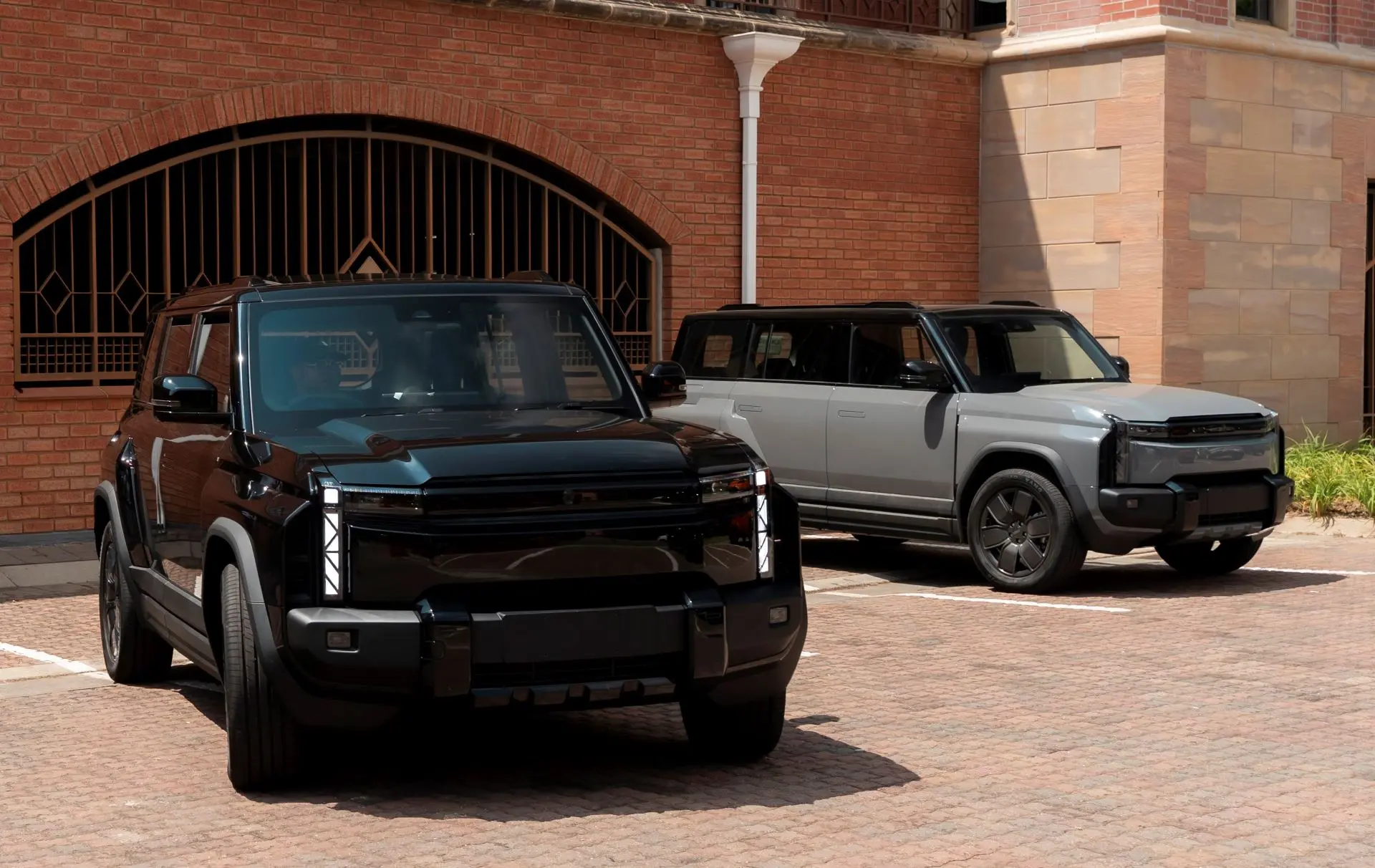
As new-energy vehicles edge deeper into serious off-road territory, the conversation is shifting. It is no longer only about battery range or torque figures. It is about metallurgy. About weld seams measured in fractions of a millimetre. About factories that think in data and breathe in sunlight.
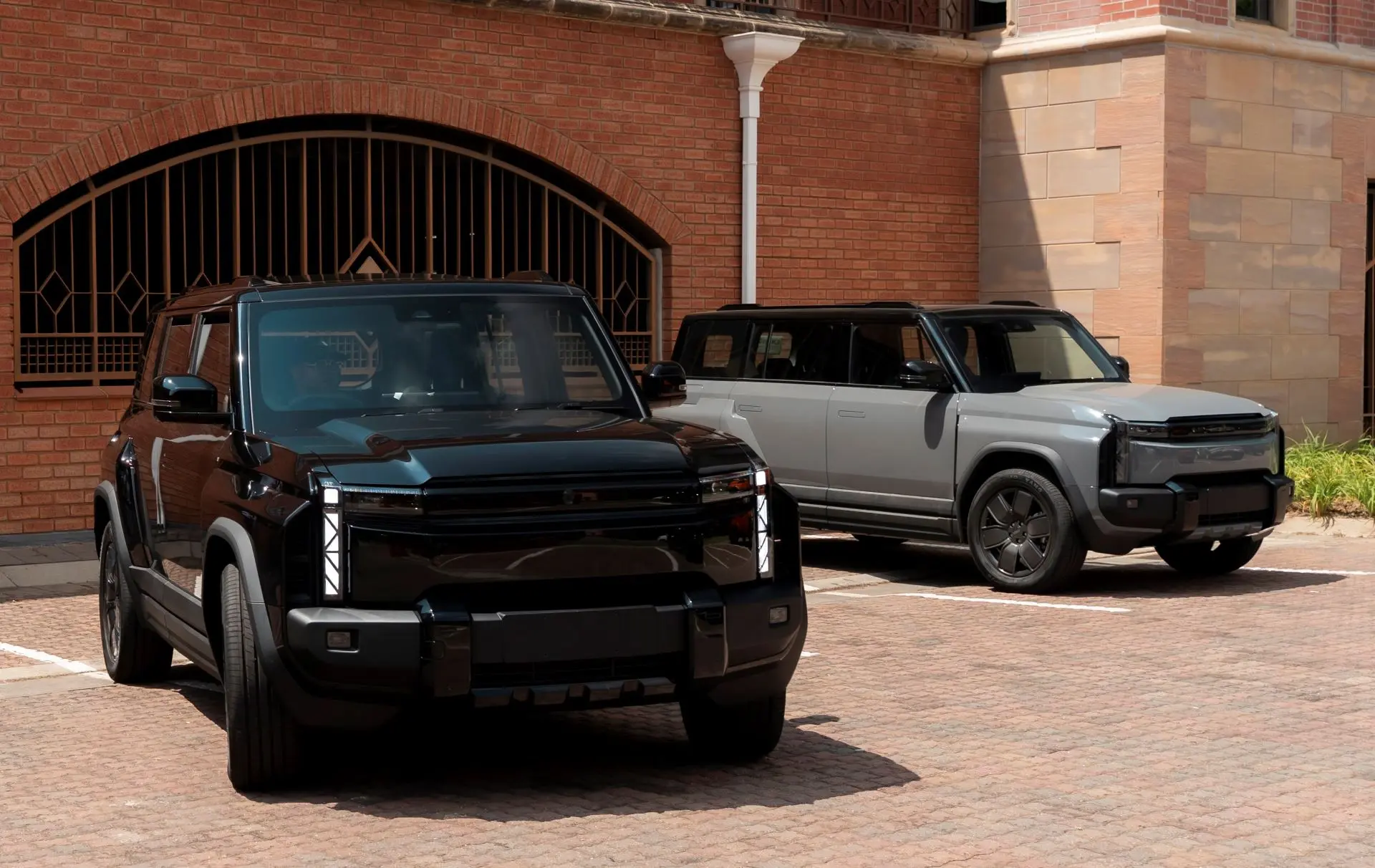
Ahead of its South African arrival in 2026, iCAUR, the new-energy marque from the Chery Group, has lifted the curtain on the engineering and manufacturing discipline behind its electrified off-roader, the iCAUR 03T. And what emerges is a picture of precision that feels closer to aerospace than agriculture.
Engineering for extremes
Before a vehicle can earn the right to explore remote trails or endure punishing urban commutes, it must survive a laboratory of extremes. The 03T is subjected to an extensive durability and validation programme that simulates environmental stress across global markets.
Engineers cycle the vehicle through extreme heat and sub-zero cold, soaking it in humidity, blasting it with dust, and subjecting it to uneven terrain that mimics real-world abuse. These tests evaluate corrosion resistance, sealing integrity, structural rigidity and long-term material stability. They probe power system performance under thermal stress. They examine how components expand, contract, flex and recover over time.
In practical terms, this means the 03T is engineered not just for showroom appeal, but for gravel roads in Limpopo, coastal air along the Garden Route and the daily start-stop grind of city traffic. Durability is treated as a system-wide discipline, not a single benchmark.
An aluminium architecture with aerospace intent
At the core of the 03T lies a full aluminium body structure. Not decorative panels, not hybrid sections, but a comprehensive aluminium architecture formed from 6-series aviation-grade material chosen for its strength-to-weight ratio and inherent corrosion resistance.
The joining technologies used read like a masterclass in advanced manufacturing. MIG arc welding forms part of the process, but it is the combination with self-piercing riveting, flow-drill screw fastening and laser deep fusion welding that defines the structure’s integrity.
All 237 critical structural connection points rely on self-piercing riveting, a non-thermal process that bonds aluminium and high-strength steel without heat distortion. By eliminating thermal stress at these joints, long-term durability is enhanced and the risk of corrosion is reduced compared with conventional spot welding.
In key areas such as the roof structure, flow-drill screw fastening ensures precise assembly with tolerances as tight as 0.2 millimetres. That margin is thinner than a fingernail. Laser deep fusion welding, deployed at multiple automated stations, bonds aluminium profiles to sheet metal components with the kind of consistency more commonly associated with premium vehicle production.
The result is a body shell engineered for rigidity, dimensional accuracy and longevity, while maintaining the mass efficiency essential to an electrified drivetrain.
Manufactured in a smart factory ecosystem
The 03T is produced at Chery’s South Smart Factory, one of a limited number of facilities in China equipped for full aluminium body manufacturing. This is not a conventional production line; it is a data-driven ecosystem.
Key processes operate with 100 percent automation. AI-based visual inspection systems scrutinise 105 critical welding points and 436 dimensional measurement points on every single body. Each vehicle becomes a dataset as much as a physical product.
Quality oversight extends beyond visual checks. An in-house IoT platform tracks more than 100,000 data points across the production line in real time. From raw material intake through to final assembly, the system provides end-to-end traceability.
During chassis assembly, smart torque tools record both the angle and torque applied to 26 critical fasteners on every vehicle. Each fastening event is logged, verified and stored. In this environment, quality is not a periodic audit. It is a continuous stream of measurable evidence.
Sustainable production without compromise
The South Smart Factory also reflects a deliberate move towards lower-impact manufacturing. The aluminium body structure eliminates the need for a conventional paint shop, reducing energy consumption by 82.9 percent compared with traditional facilities.
A photovoltaic power system enables 100 percent daytime operation on renewable electricity. Production energy is harvested from sunlight, reducing dependence on grid-based power and aligning the vehicle’s electrified identity with its manufacturing footprint.
This convergence of advanced materials, automated precision and renewable energy production positions the 03T as more than a new model. It signals a structural shift in how off-road capable electric vehicles are conceived and built.
A global durability mandate
As iCAUR prepares for its formal market introduction in 2026, the processes outlined for the 03T illustrate a clear intent. Build quality is treated as a global constant, not a regional variable. Whether the vehicle is destined for urban Europe, humid coastal regions or the rugged terrain of southern Africa, the engineering baseline remains uncompromised.
For South Africa in particular, where temperature swings, dust exposure and road surface variability are part of daily motoring life, this matters. Aluminium architecture, advanced joining technologies and real-time production monitoring are not abstract engineering achievements. They are practical safeguards against long-term wear.
In a segment where electrification is accelerating and consumer scrutiny is intensifying, the 03T enters the conversation with a foundation forged in aerospace-grade materials, laser precision and renewable-powered production. It is a reminder that in modern vehicle development, strength is measured not only in torque figures, but in microns, data points and disciplined manufacturing intent.