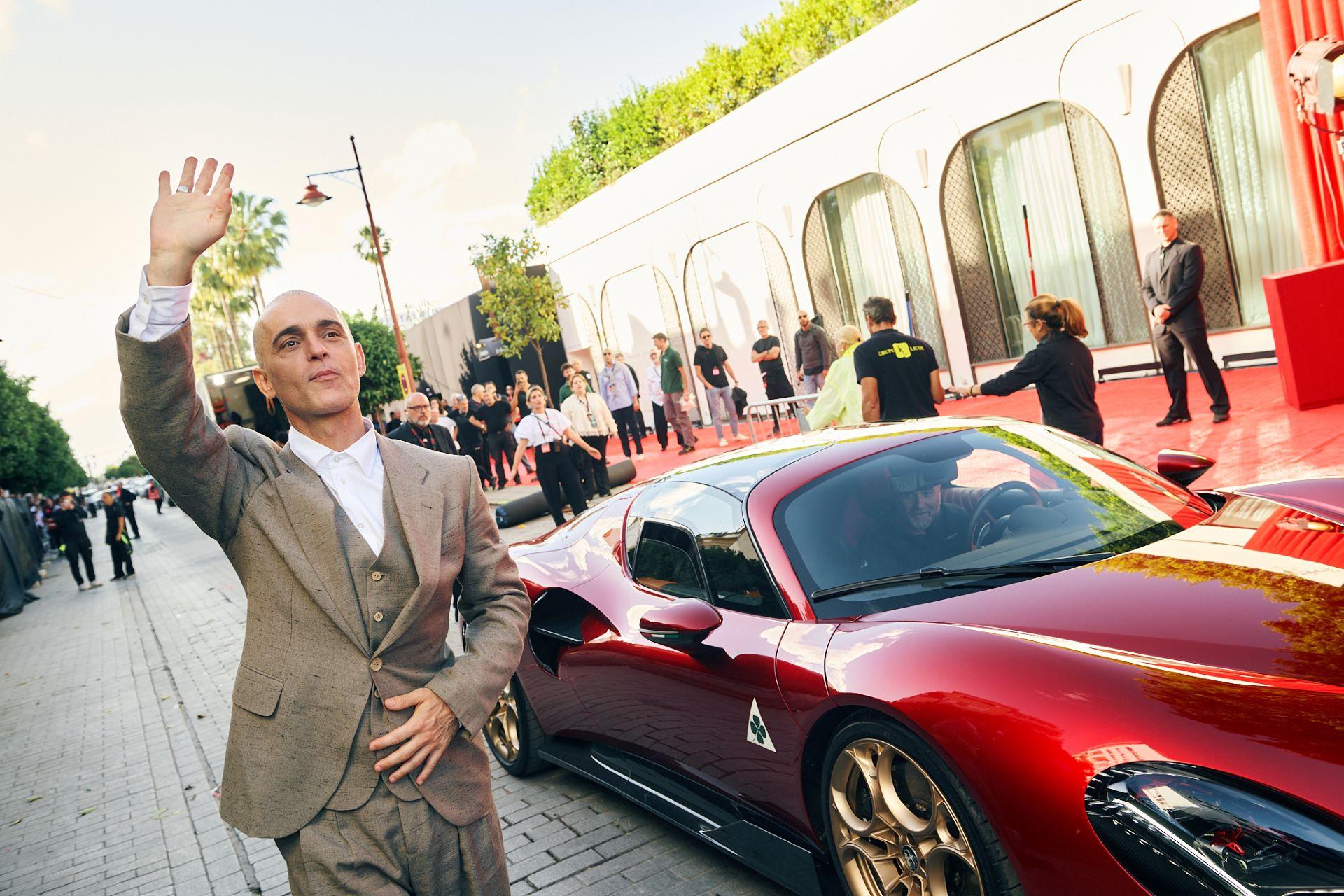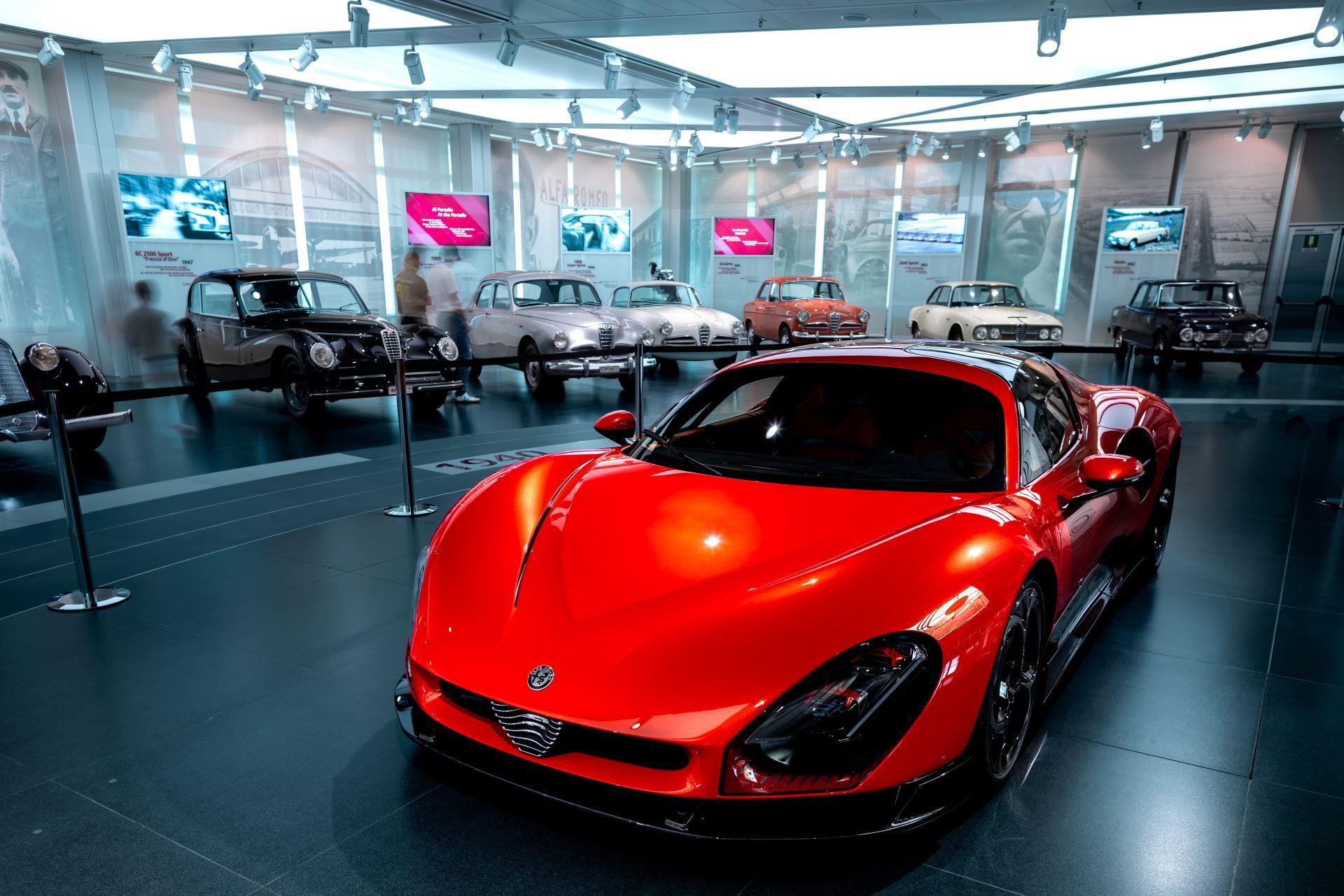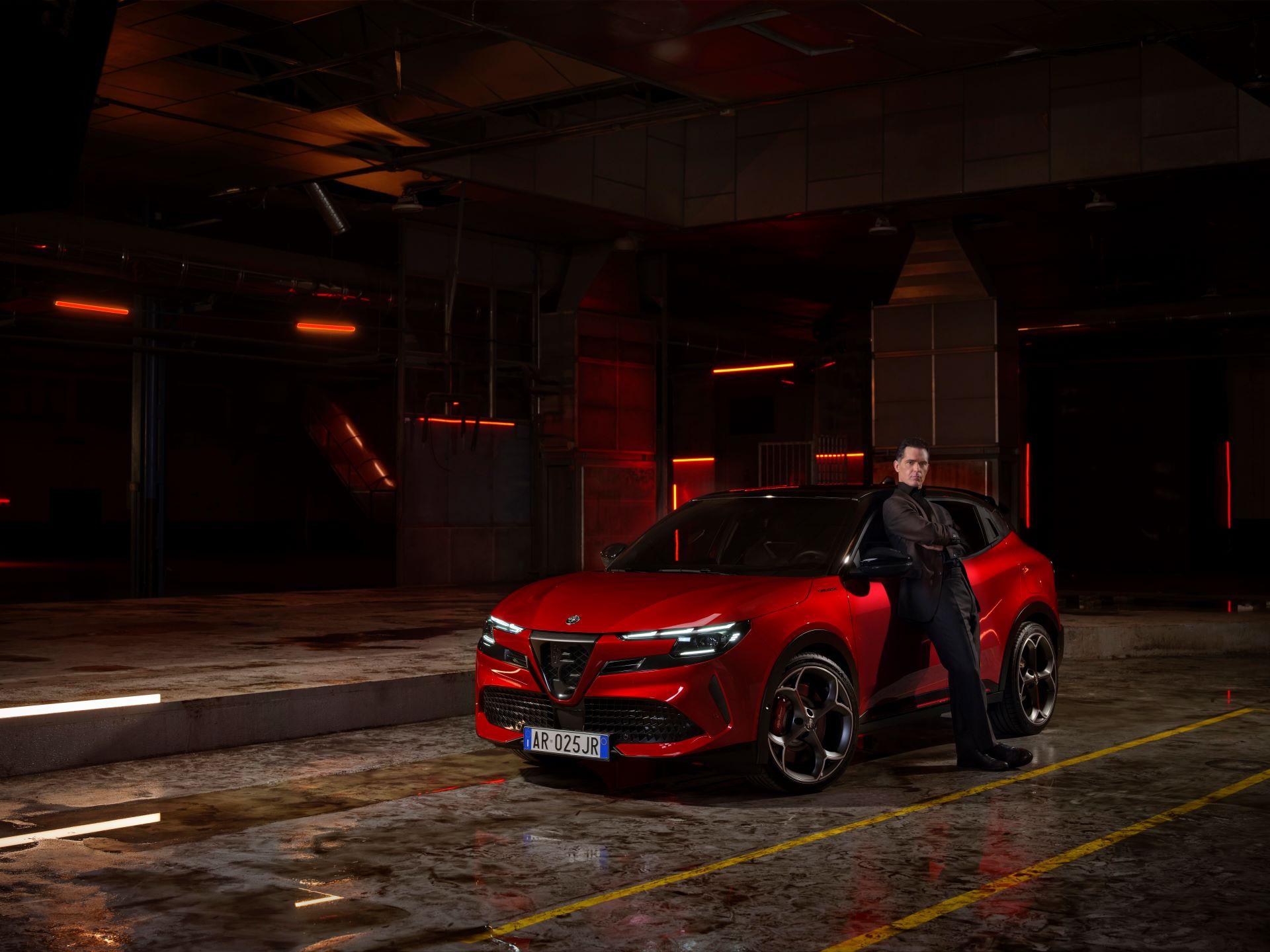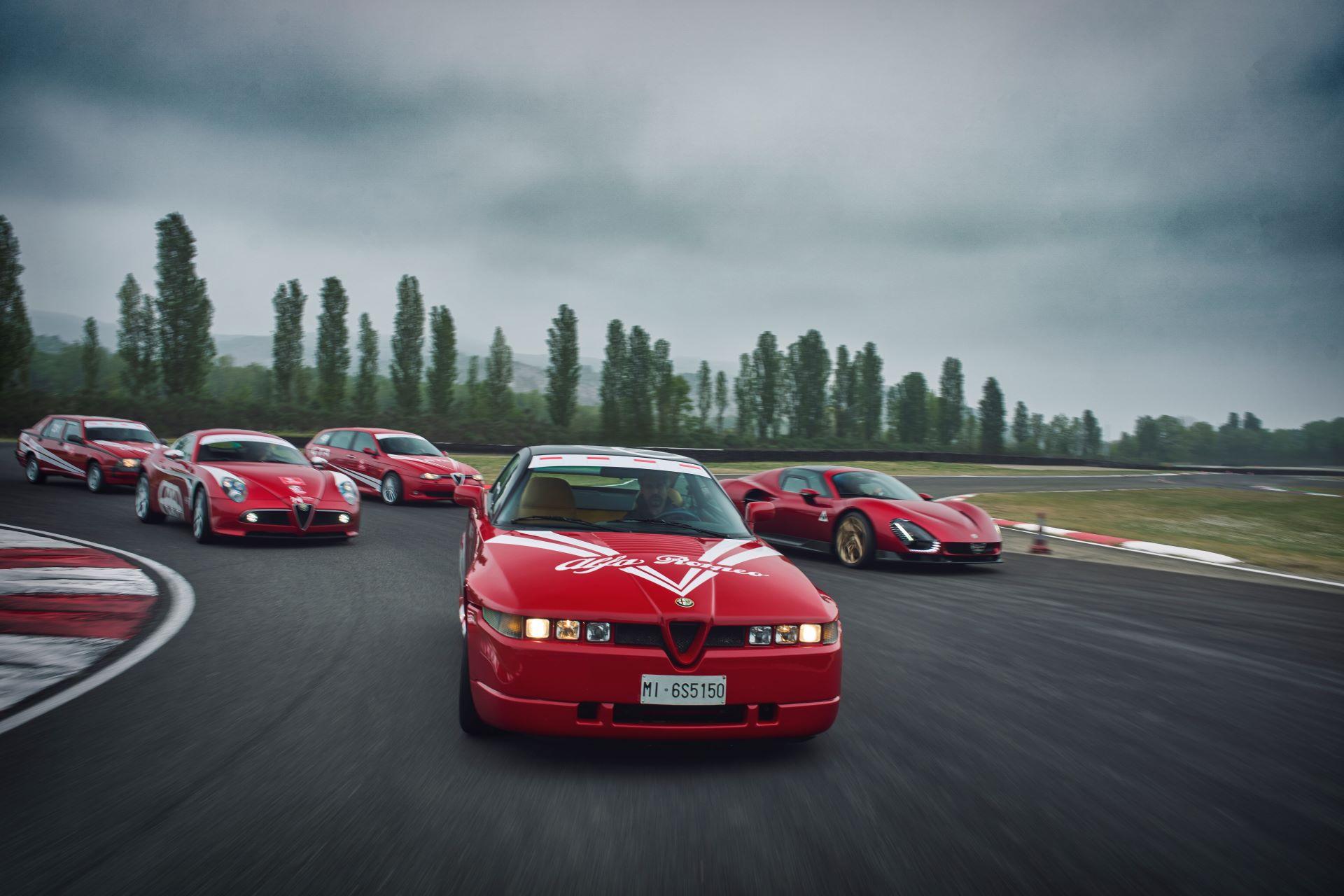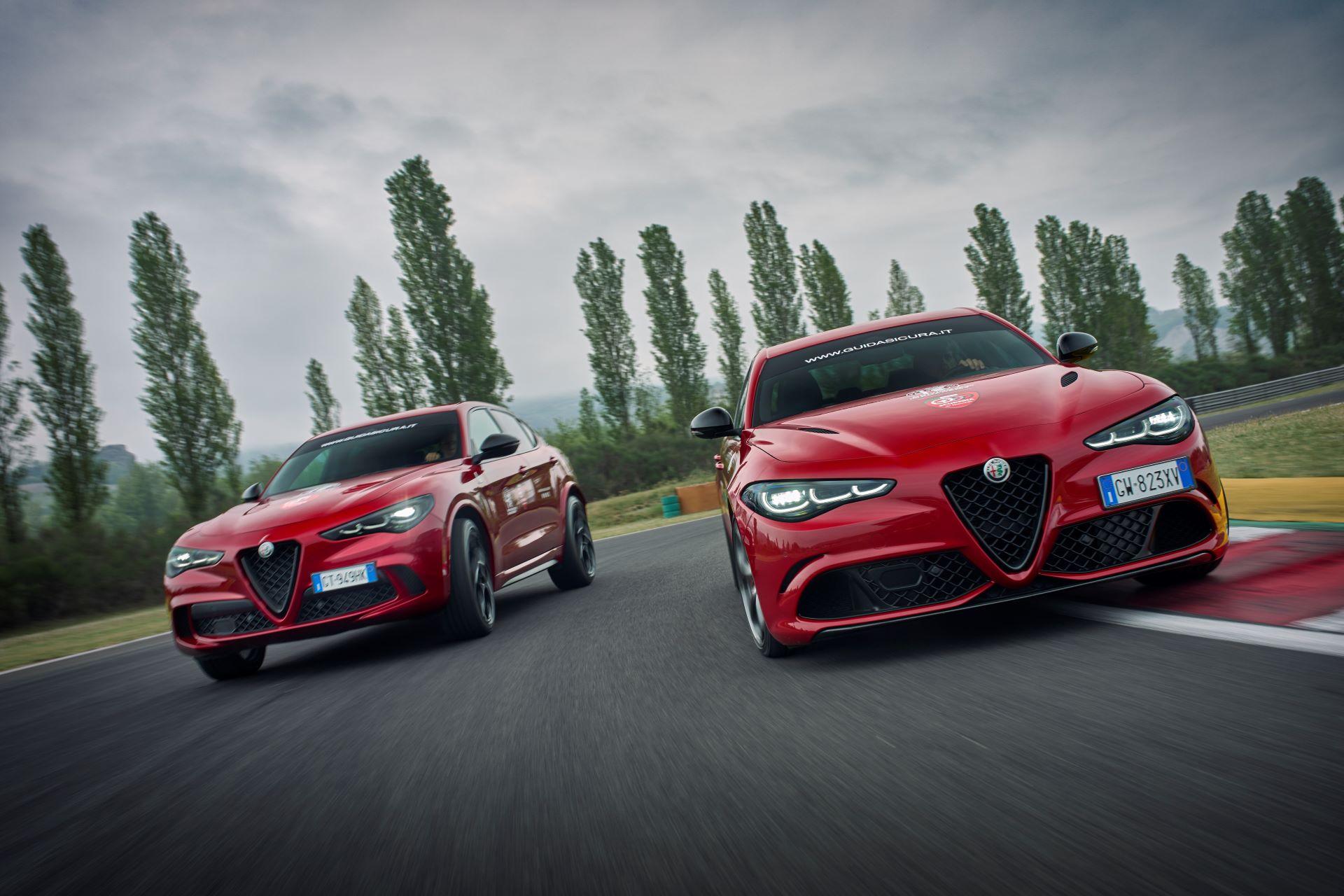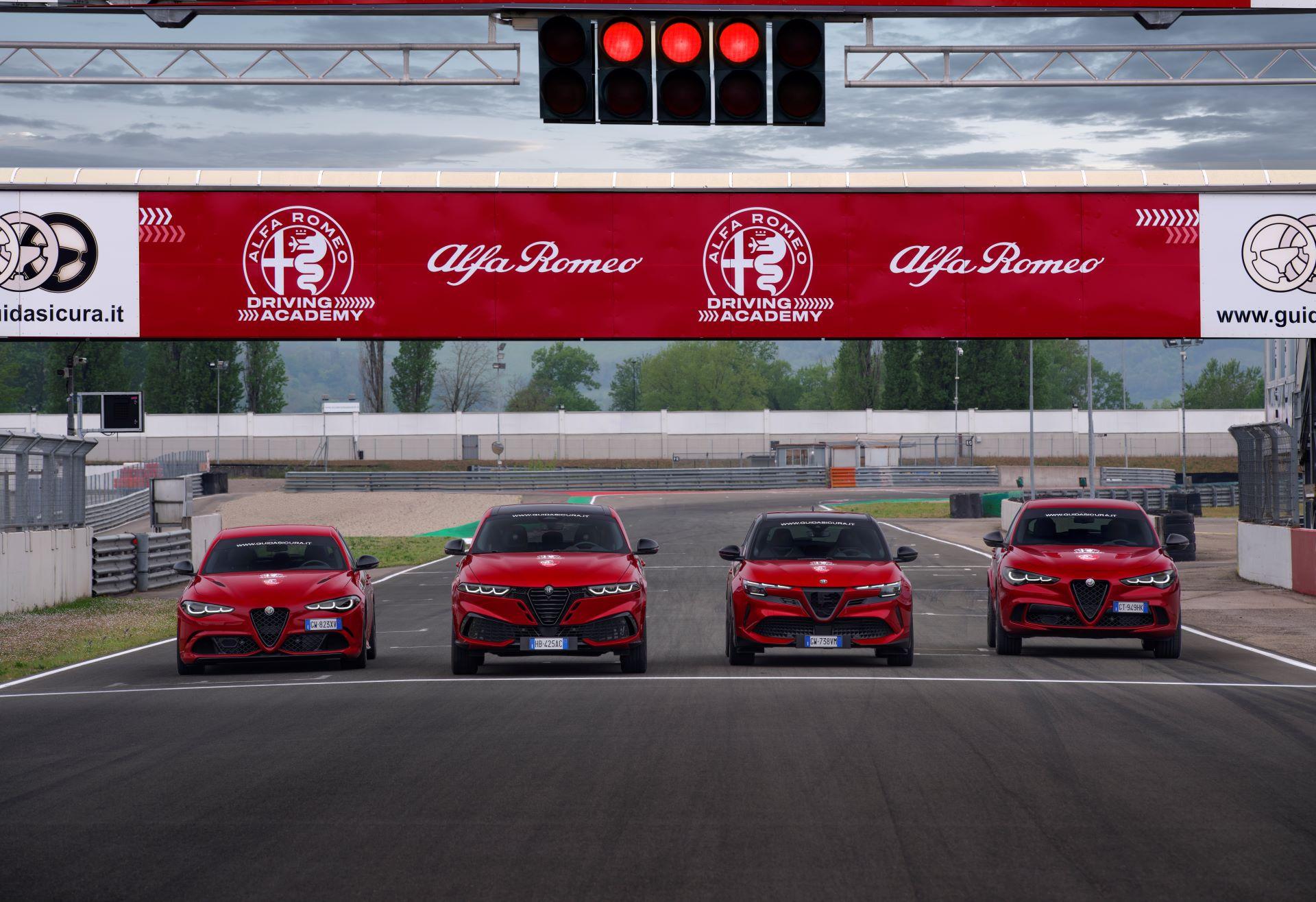



For the Alfa Romeo centenary, the city of Milan will pay homage to the historic car manufacturer by staging four days of events from 24 to 27 June involving the City Council, Fiera Milano Expo, the Monza Race Track and the Alfa Romeo Museum.
The interesting programme was organised by the Italian Alfa Romeo Register (RIAR) and MAC Group, consolidated Fiat Group Automobiles partner for historical heritage projects, and is sponsored by Alfa Romeo.
An extraordinary appointment for motor enthusiasts and “Alfisti” worldwide: collectors, club members and current model owners. More or less 3000 Alfa Romeo cars are expected from 45 countries. The schedule of the events and a brief overview of Alfa Romeo’s one century long history, which started on 24 June 1910 in Milan, follow.
The 100th anniversary is a prestigious achievement shared by a very small number of other auto makers, peppered with commercial successes and racing wins acquired worldwide. Celebrating Alfa Romeo’s centenary means leafing through some of the most important pages in automotive history in terms of design and innovation. Indeed, Alfa Romeo has always stood out for its fascinating style capable of transmitting strong emotions and for state-of-the-art technology, as well as top-level handling and driving pleasure.
Schedule of the Events
Some activities will take place on 24 June, the day when Alfa Romeo was founded, before the main events which will be held during the weekend. Thursday morning will be kicked off by the presentation press conference in the spectacular setting of Palazzo Marino, historic seat of the Milan city authorities. Open sessions will be held in the afternoon from 1 to 6 o’clock at the Monza Race Track (contact the RIAR secretary office for bookings).
On 24 and 25 June the Alfa Romeo Museum in Arese will be open from nine in the morning to midnight and guided visits in several languages will be organised: what better way to learn more about scores of Alfa Romeo models up front?
From 24 to 27 June, classic models will be displayed alongside the brand-new Alfa Romeo Giulietta in some of the most beautiful and important squares of Milan. Last but not least, Poste Italiane will be attending and present a special stamp cancellation specially created to celebrate the centenary.
The key event of the calendar will be the huge international rally dedicated to all Alfa Romeo enthusiasts on Saturday 26 and Sunday 27. Thousands of crews have registered and will be parading through the centre of Milan on the afternoon of 26 June. All cars will meet up on Saturday morning at Fiera Milano (Rho) where the exhibition “Fiera Milano e Alfa Romeo: frammenti d’insieme” (Fiera Milano and Alfa Romeo: parts of a whole) can be seen. From here, the enrolled Alfa Romeos will set off in procession to the centre of Milan, final destination: the Sforzesco Castle, where the most significant models of the brand’s one-hundred year history will take to the catwalk.
A statue donated by RIAR (an association which brings together more than 1500 vintage Alfa owners) and by many enthusiasts worldwide will be presented in front of the south gate of Fiera Milano Expo in a ceremony a few hours before the parade. Inspired by the famous Alfa Romeo 1900 Disco Volante (Flying Saucer), the work was designed by the Centro Stile Alfa Romeo with the collaboration of artist Agostino Bonalumi.
The first day of the international rally will end in the evening near Sempione Park with a dinner together in the many city centre venues before a firework display. The record-breaking exhibition on the morning of Sunday 27 June will certainly be even more exciting, when all the enrolled crews will form a massive line of Alfa Romeos, all bearing the characteristic “Biscione” emblem on the roof. They will parade along the inner lane of the Milan ring road and be filmed from a helicopter. Alfa Romeo will symbolically embrace the city where it was born.
Finally, all enthusiasts can complete this exciting experience by visiting the “100X100 Alfa” exhibition at Parco Esposizioni Novegro (Milan) from 19 to 27 June. Hundreds of cars, wins and successes will be displayed, model after model, to celebrate the history of Alfa Romeo: not only one-off models designed for performance and races but also many standard production cars that conquered the collective imagination and transported generations of Italians. The exhibition is organised by C.M.A.E., the Milan Classic Car & Motorbike Club, with the collaboration of A.S.I., Italian Classic Car & Motorcycle Club, and Alfa BlueTeam.
1910 – 2010: A Century of Wins and World Records
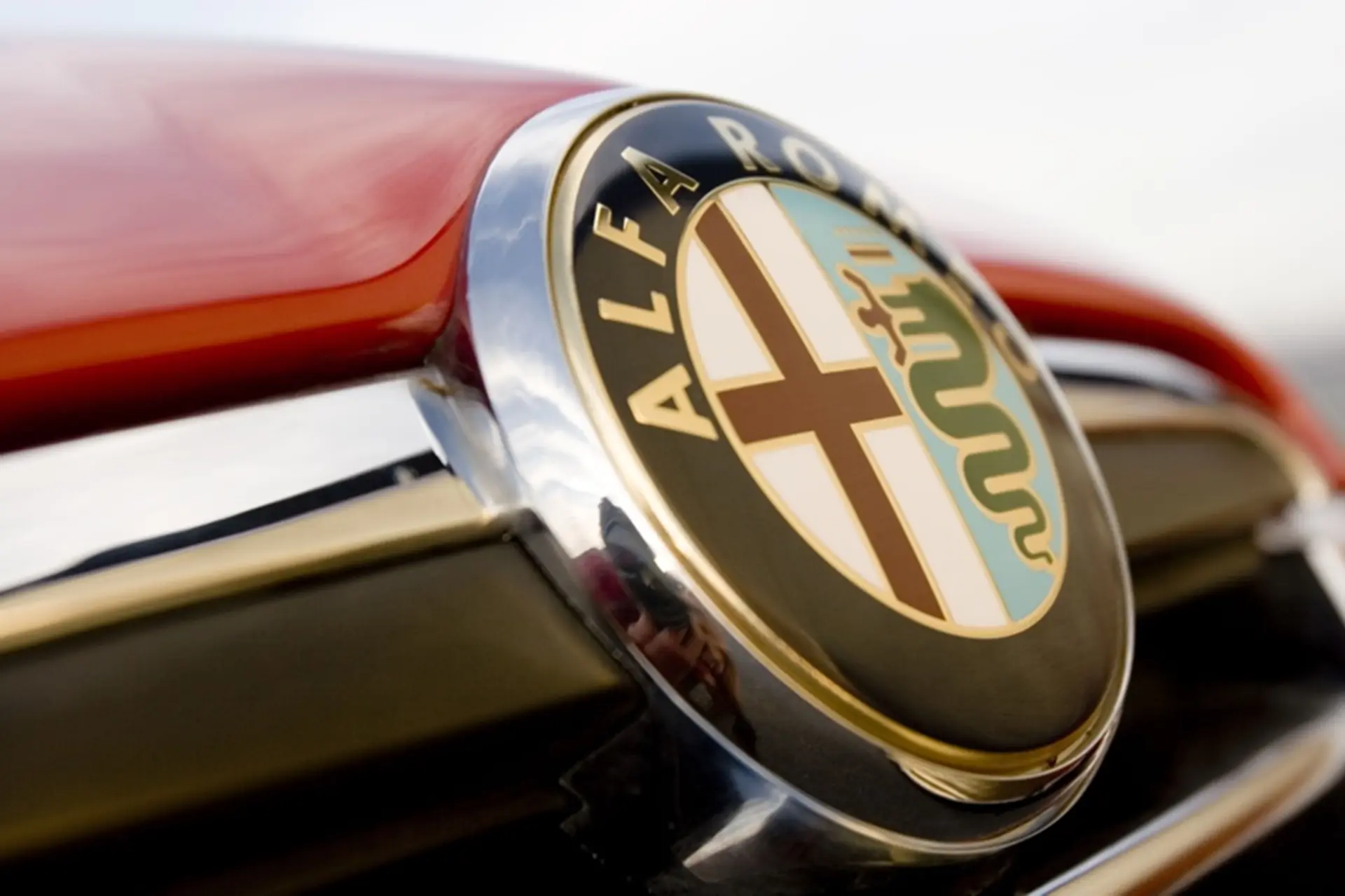
Alfa Romeo was officially established in Milan on 24 June 1910. That year, a group of entrepreneurs and businessmen acquired Società Italiana Automobili Darracq, the Italian branch of the French car maker, and its Portello workshops on the city outskirts, and established A.L.F.A. (Anonima Lombarda Fabbrica Automobili – “Lombard Automobile Factory, Public Company”). The emblem underlined the new company’s ties to the city of Milan: a red cross from the city’s banner and the Visconti family “grass snake” (“Biscione” in Italian). The first car to sport it was the “24 HP”, a model that stood out from the very beginning for its mechanics, performance and driving pleasure – features which will become by-words for the brand.
The outbreak of World War I and limited resources created trouble for the company, which was acquired on 2 December 1915 by Neapolitan engineer and entrepreneur Nicola Romeo. The name was changed to “Alfa-Romeo”. The Portello plant, with a workforce of 2500 workers, was expanded and converted to war production. The plant made engine compressors, ammunition, aircraft engines and – starting in 1917 – trains. The company went back to making cars at the end of the war.
Alfa Romeo made a first important leap forward winning Targa Florio in 1923 (the brand’s first of ten wins) with the “RL TF”, which was also the first appearance of the four-leaf clover (“quadrifoglio” in Italian) racing emblem, and then in 1925 with the “P2 Gran Premio”, that won the first Automobile World Championship in history, the first of Alfa Romeo’s five victories.
In the meantime, Romeo replaced Alfa Chief Engineer Giuseppe Merosi, who had created the first models and joined the company back in 1910, with Vittorio Jano, technical creator of the great Alfas of the 1930s. His debut model was the “P2”, which was followed by the “6C 1500” (1928), “6C 1750” (1930), “8C 2300” (1931) and the “Gran Premio Tipo B-P3” (1932), all models which greatly contributed to increasing the “Quadrifoglio” prize record and elevated the technical prestige of cars made at the Portello plant. Jano was responsible for the legendary “8C” eight cylinder in-line engine with supercharger.
The 1930s were the years in which the Alfa Romeo legend took shape. Engine reliability was undisputed and the names of valorous drivers – Antonio Ascari, Gastone Brilli Peri, Giuseppe Campari, Enzo Ferrari, Tazio Nuvolari, Achille Varzi – were on everybody’s lips. They won many legendary races: Mille Miglia (11 wins, an undefeated record), Le Mans 24 Hours (four consecutive editions), Targa Florio, and a very long list of international Grand Prix. In addition, the valuable indications arising from racing were transferred to standard production models.
The worldwide recession that followed the Wall Street Crash of 1929 had repercussions on Alfa’s expansion: the company was taken over in 1933 by IRI (Istituto per la Ricostruzione Industriale – Industrial Reconstruction Institute). Ugo Gobbato was appointed Managing Director. He rationalised and reorganised production focusing on the core business of aircraft engines, industrial vehicles and touring and racing cars. The company left the world of racing in the year and its “8C2300B” cars were given to Scuderia Ferrari. Results were brilliant: Alfa won more races than any other manufacturer in 1934, and racing even outshone standard production in 1936. Aeronautic production reached nearly 80 percent of the entire yearly revenue. New orders came in, also from abroad, and a new plant was opened in Pomigliano d’Arco (Naples) at the end of the decade.
The outbreak of World War II on 10 June 1940 unsettled the company’s ambitious plans. As most Italian industries, Alfa converted to war production and its plants were bombed by the Allies (the Portello plant ceased operations all together following the damage it received on 20 October 1944). Work resumed the following April after the peace treaty was signed but the workshops had been damaged and there were no components for making aircraft engines, coaches or cars. So the eight thousand workers of the Portello plant made electric cooking ranges, metallic furniture, doors, windows and shutters – in other words, the objects needed to rebuild a country.
Auto building was resumed only in 1946. Pre-war 6C 2500s rolled out of the factory and 158s salvaged from the debris raced on tracks. New versions (Freccia d’oro and Villa d’Este), fitting an innovative steering wheel mounted gear shift, soon arrived. The 1900, the first Alfa with monocoque body shell, was designed by Orazio Satta Puliga (who had joined the company in 1938) in 1950, and the first assembly chain was opened at the Portello plant. Racing wins multiplied. The supremacy of the Alfa 158 in Grand Prix was absolute and Nino Farina won the Formula 1 World Championship in 1950. In the following year was legendary Juan Manuel Fangio’s turn: he won the second Championship behind the wheel of an Alfa Romeo 159 fitted with the most powerful 1500 engine ever made delivering 425 HP at over 300 km/h. Straight afterwards, Alfa decided to retire from Grand Prix competitions but kept on competing in the Sport category with the “1900 Disco Volante”, a flying-saucer shaped car capable of reaching a top speed of 225 km/h. In the meanwhile, the company concentrated on the production of standard cars, industrial vehicles, aircraft and naval engines, and diesel engines for industrial applications. Following the IRI reorganisation in 1948, Alfa passed into the Finmeccanica sub-holding.
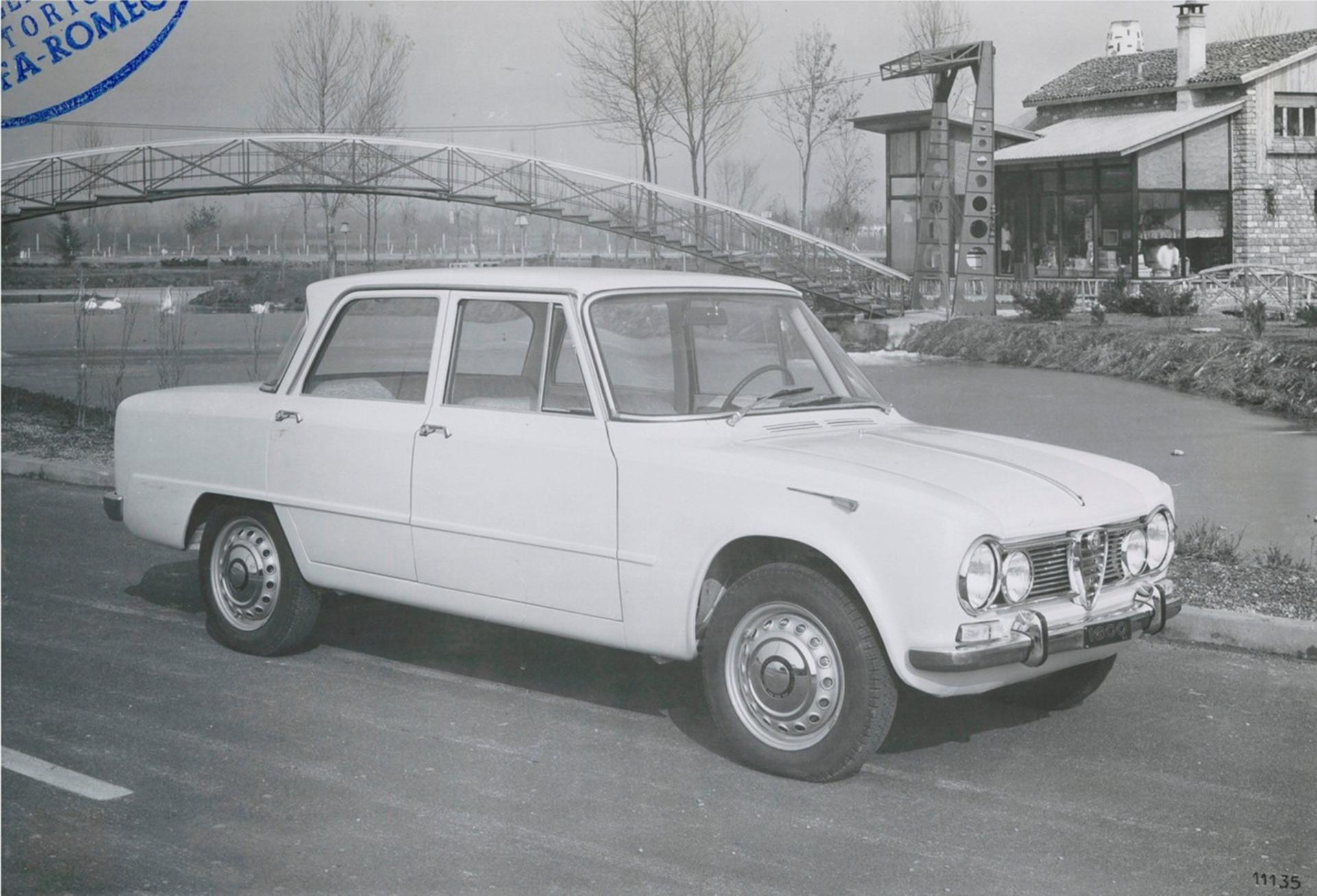
“Giulietta Sprint” was introduced in 1954. This car – along with the “Spider” (1955) and the “berlina” (1955) – would be crucial, and not only for the history of Alfa: it established new parameters (this was the first standard car with a two-shaft engine entirely made of aluminium) and embodied Italy’s willingness to emerge from the dark years of the war. Furthermore, it consolidated Alfa Romeo’s vocation as “major auto maker”. The 1960s started with the success of the “Giulia” (1962), which developed the philosophy of the earlier “Giulietta” with new proportions, forcing Alfa Romeo to expand the shop floor and open a new plant in Arese near Milan. At the end of its long, honoured career, “Giulia” and its spinoffs – the “Giulia Sprint GT” (1964), the “1600 Spider Duetto” (1966) and the “1750” in saloon, coupé and spider versions – reached the outstanding goal of one million units made. Racing activities continued throughout the decade. The Autodelta racing team was established and Alfa Romeo won on tracks worldwide with the “Giulia TZ” (1963), “TZ 2” (1965), “Giulia GTA” (1965) and “33” (from ’69 to ’71).
The 1960s were florid years for the company: cars were sold worldwide and ties with the United States market – still particularly lively today – were consolidated. As a result of the forward-thinking managerial skills of Giuseppe Luraghi, CEO until 1974, and the remarkable engineering skills of Orazio Satta Puliga, Alfa Chief Engineer, who created all the models up to the “Alfetta”, Alfa Romeo reached the peak of its development. The Portello plant, by now incorporated in the spreading city of Milan, was insufficient. Production was gradually transferred to the new plant (with an area of over two million and a half square metres) which was opened in Arese and a prototype test track was opened in Balocco (Vercelli).
Following the high increase in demand, Alfa Romeo planned the opening of a new plant in Pomigliano d’Arco (Naples): the foundation stone was laid on 29 April 1968. Engineer Rudolf Hruska was called to design a new car: the “Alfasud”, a compact entry-level car equipped with a number of sophisticated mechanical solutions (flat-4 “boxer” overhanging front engine), was introduced in 1971. Production of the “Alfetta” started in Arese the following year. This sporty saloon with sophisticated mechanics (longitudinal front engine, rear wheel drive, “De Dion” rear axle and transaxle) was leader in its segment for many years: the “Alfetta GT” (1974), followed by the lower segment “New Giulietta” (1977) saloon, were the backbone of production at the Arese plant. In the meantime Alfa Romeo took two World Championship titles: in 1975 with the 33 TT 12 (Manufacturers Championship), and in 1977 with the 33 SC 12 (Prototype Championship).
Troubles deriving from the social unrest of the seventies were felt across Italy and in Alfa Romeo. Despite this, the company pulled ahead preparing models and strategies for the forthcoming decade: the “Alfa 33”, replaced the “Alfasud” in 1983, the remarkable “Alfetta” was replaced by the “Alfa 90” (1984) and the “Alfa 75” (1985), the last of the “Alfetta” family, was introduced to celebrate the brand’s 75th anniversary.
The company changed hands again in 1986, for the third time in its history. Fiat Group acquired Alfa Romeo, at that time producing the brand-new top-range saloon “164” (1987). The car’s success would revive Alfa Romeo and the Arese plant. 1992 was the year of the “155”, remarkably successful in races. The “145” was introduced to replace the “33” in 1994 and the sporty “GTV” and “Spider” were launched the following year. The model of the 1990s revival was the “156” (1997). The sporty hatchback is the result of a new style and top-notch technical contents (like high double-wishbone front suspensions and common-rail diesel engine): it was sensationally successful on the market – awarded “Car of the Year” in 1998 – and on international race tracks taking many wins in the Touring category. The “166” replaced the “164” in 1998, and in 2000 “147” (also “Car of the Year”) replaced the “145” and was even more successful than its “big sister” the “156”, that in the meantime had complemented the range: the “GT”, a four-seat coupe, with a style concept reminiscent of the “Giulietta Sprint”, was introduced in the Autumn of 2003. The “159” replaced the “156” in 2005, evolving its style and implementing new proportions, engine versions and body configurations: the “Brera” coupe was introduced in the same year, followed by the new “Spider” in 2006.
Again in 2006, Alfa Romeo introduced the long-awaited “8C Competizione”, a very high performance coupe with a remarkable design that made it an “instant classic”. With only 500 units made, this supercar was for collectors and a handful of lucky owners. It was joined by the “8C Spider” in 2008, which maintained the same mechanical features and performance as the coupe. The Alfa Romeo MiTo, a compact car with a sporty look, for young motorists and everyone who want a distinctive, performing car, was introduced the same year.
Now is the turn of the brand-new “Giulietta” with the aim of reviving the brand in one of the most important segments in Europe. In the centenary year, the name is a tribute to an automotive legend which was key in the history of Alfa Romeo: the Giulietta is a car that, in the fifties, caught the imagination of generations of car enthusiasts, making the dream of owning an Alfa Romeo and enjoying the high level of comfort and technical excellence accessible for the first time. The Alfa Romeo Style Centre has designed the new Giulietta, a five-door hatchback with an unmistakable Alfa Romeo look, capable of expressing both great agility on the most demanding routes and providing comfort on everyday roads. This is the merit of the new “Compact” architecture. Using sophisticated suspension technical solutions, a dual pinion active steering, top-quality materials and state-of-the-art manufacturing technologies, the Giulietta achieves excellent levels of on-board comfort, dynamic features and safety (both active and passive).
In South Africa, centenary celebrations are planned for later in the year – watch this space!