


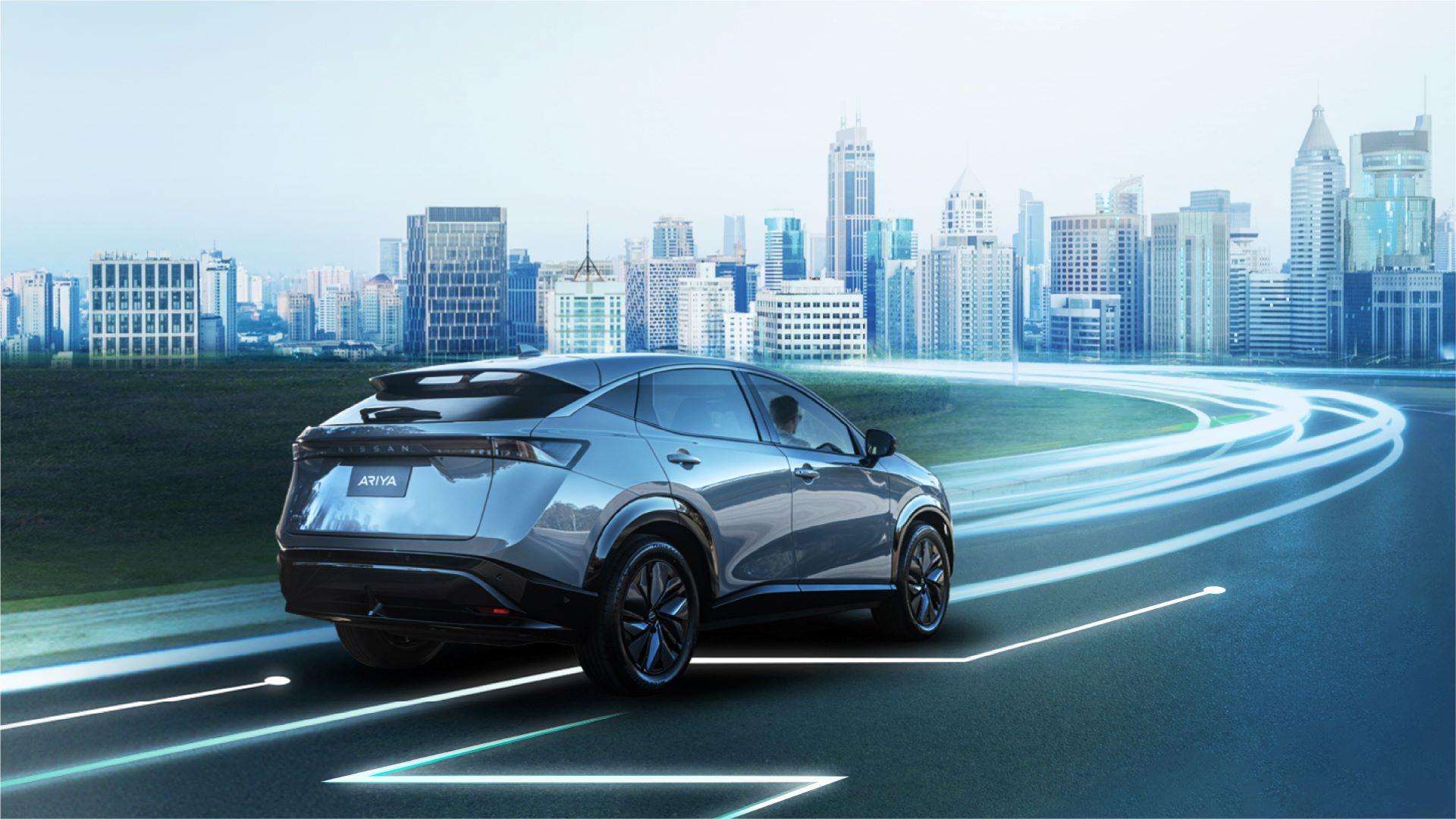
The future of mobility is increasingly electric, driven by a new generation of urban dwellers embracing sustainability and cutting-edge technology. A recent survey commissioned by Nissan and conducted by Economist Impact reveals a growing preference for electric vehicles (EVs), with ownership expected to surge by over 50% within the next decade. As environmental awareness and innovative EV technologies take center stage, emerging cities are at the forefront of this transformation.
Young City Residents Prioritizing Sustainable Mobility
The global study, which surveyed 3,750 respondents aged 18-30 across 15 major cities, highlights a strong shift toward EV adoption, particularly among young urbanites who are highly knowledgeable about new electrification technologies. Their choices are increasingly influenced by environmental concerns, energy efficiency, and the expanding capabilities of EVs beyond mobility.
Key Findings from the Survey:
- EV ownership is projected to rise significantly from 23% today to over 35% within the next decade, with emerging cities leading the shift.
- Sustainability remains a key motivator, with 57% of respondents willing to adjust their travel habits to reduce their carbon footprint.
- Emerging cities are driving EV enthusiasm—44% of respondents from cities like Shanghai, São Paulo, and Mexico City expect to drive an EV in the next five years, compared to 31% in developed cities.
- New electrification technologies are capturing interest, with over 40% of respondents recognizing EVs as more than just transportation devices—they see them as potential tools for energy storage and management.
“This research explores how the younger generations envision the future of mobility—an essential perspective, as their choices will directly shape the evolving mobility landscape,” said Ritu Bhandari, Asia-Pacific Sustainability Lead at Economist Impact. “For sustainable mobility to succeed, cities need to balance environmental goals with real commuter priorities like affordability, convenience, and inclusivity.”
Why Emerging Cities Are Leading the Charge
The survey underscores a notable gap between emerging and developed cities regarding EV adoption. In high-growth urban centers, where pollution and congestion are pressing concerns, sustainability is an urgent priority. Respondents in these cities are more enthusiastic about EV adoption and innovations like vehicle-to-everything (V2X) connectivity, which enables EVs to store and distribute energy beyond their traditional mobility function.
In contrast, respondents in developed cities remain cautious, citing concerns over EV costs and charging infrastructure. While battery life and range anxiety are more prominent issues in emerging cities, affordability remains the biggest barrier for EV adoption in more mature markets.
EVs as a Gateway to Smarter Energy Solutions
The research also highlights the potential of EVs as energy management tools. Beyond their role in reducing emissions, half of the respondents acknowledge that EVs can store excess renewable energy and power external devices. This opens up possibilities for:
- EVs to serve as backup energy sources during emergencies.
- Vehicle-to-Grid (V2G) technology, enabling EVs to feed power back into the electricity grid.
- Greater integration of EVs into smart city infrastructures to optimize energy use.
“We believe in making mobility electrified and sustainable — it is a defining expectation shaping the future of transportation,” said Lavanya Wadgaonkar, Nissan’s Corporate Vice President of Global Communications. “This survey reaffirms the growing demand for electrification and the need to create more awareness, but long-term success hinges on making EV adoption seamless, practical, and cost-effective.”
Nissan’s Commitment to an Electrified Future
As global EV demand accelerates, Nissan continues to refine its electrification strategy to make EVs more accessible, affordable, and technologically advanced. The company is actively working on:
- Expanding charging infrastructure to improve accessibility.
- Enhancing battery technology for increased efficiency and longevity.
- Developing V2X innovations that integrate EVs into the broader energy ecosystem.
By leveraging data-driven research and real-world insights, Nissan remains committed to shaping a sustainable and resilient transportation future. As the next generation of urban drivers takes the wheel, EVs are set to become the dominant mode of mobility, ushering in a cleaner, smarter, and more connected world.