


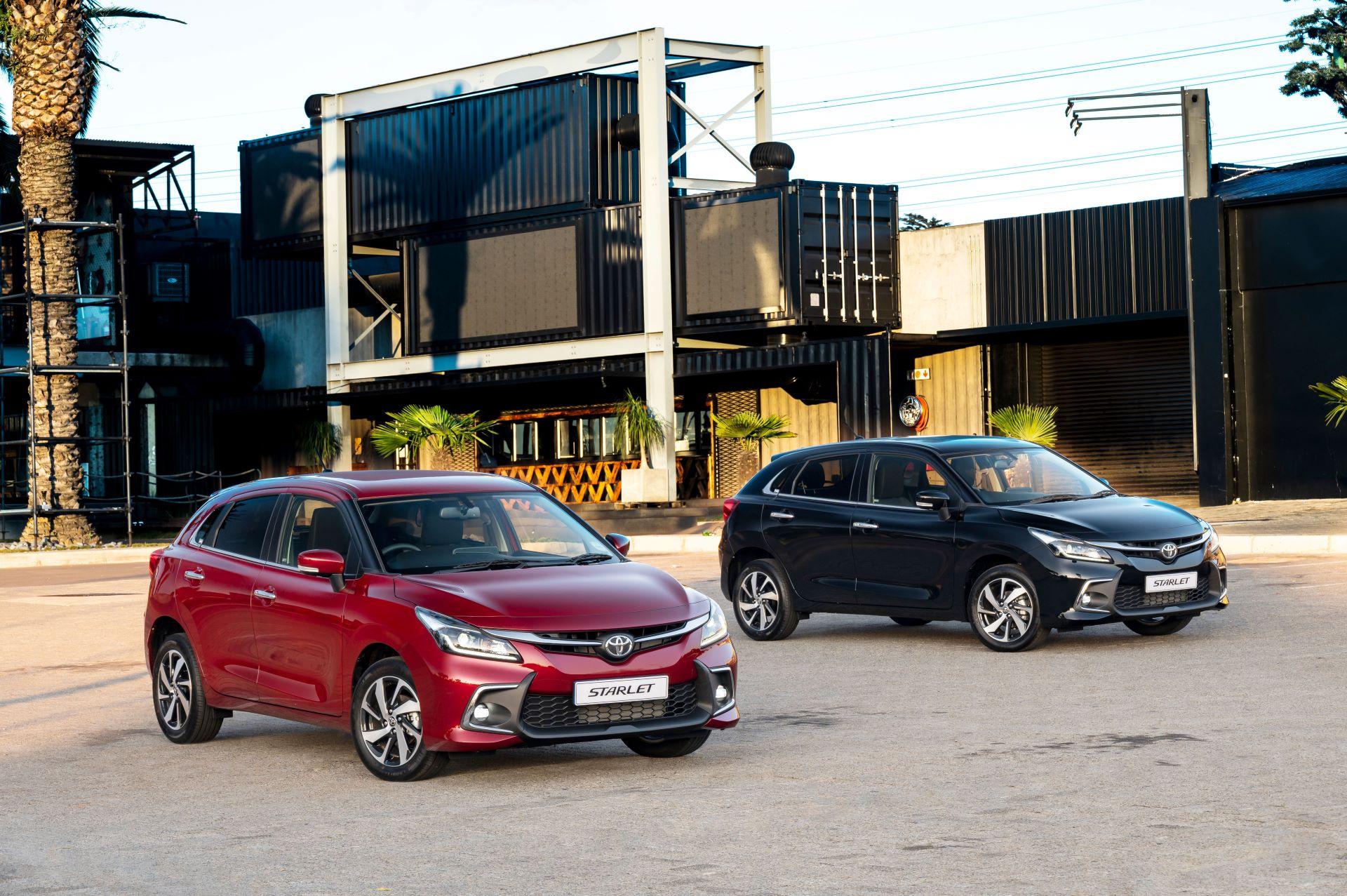
Toyota has launched the new year with an impressive market performance, capturing a 26.2% overall market share and emerging as the bestselling brand across the Passenger, Light Commercial Vehicle (LCV), and Medium Commercial Vehicle (MCV) segments. Recent figures from NAAMSA highlight a strong start for the automotive giant, with a notable increase in retail numbers and an optimistic outlook for the remainder of the year.
A Promising Start to the Year
In January 2025, a total of 46,398 units were registered—a significant uptick compared to the 42,023 new cars sold in January 2024. This 10.4% increase, or 4,375 additional vehicles, was driven by favorable economic conditions, including a further 25 basis point interest rate cut and controlled inflation. Despite a minor energy issue towards the month’s end, which industry experts do not foresee recurring frequently, Toyota’s outlook remains robust.
Leon Theron, Senior Vice President for Sales and Marketing at Toyota South Africa, expressed his enthusiasm:
“We’ve kicked off the year on a fantastic note, securing the top spot in sales across the Passenger, LCV, and MCV segments. A big part of this success comes from our dedication to supporting small businesses, including farmers, who form the backbone of our economy. A big thank you to the entire Toyota team including our Sales, Aftersales and Marketing staff, Dealer Network as well as our supply chain and, of course, not forgetting, our very loyal customers.”
Dominance in the Passenger Market
Toyota’s passenger vehicle segment demonstrated strong momentum, achieving a 23.3% market share and registering a volume increase of over 1,000 units compared to 2024. Four models found their way into the top 10 bestsellers:
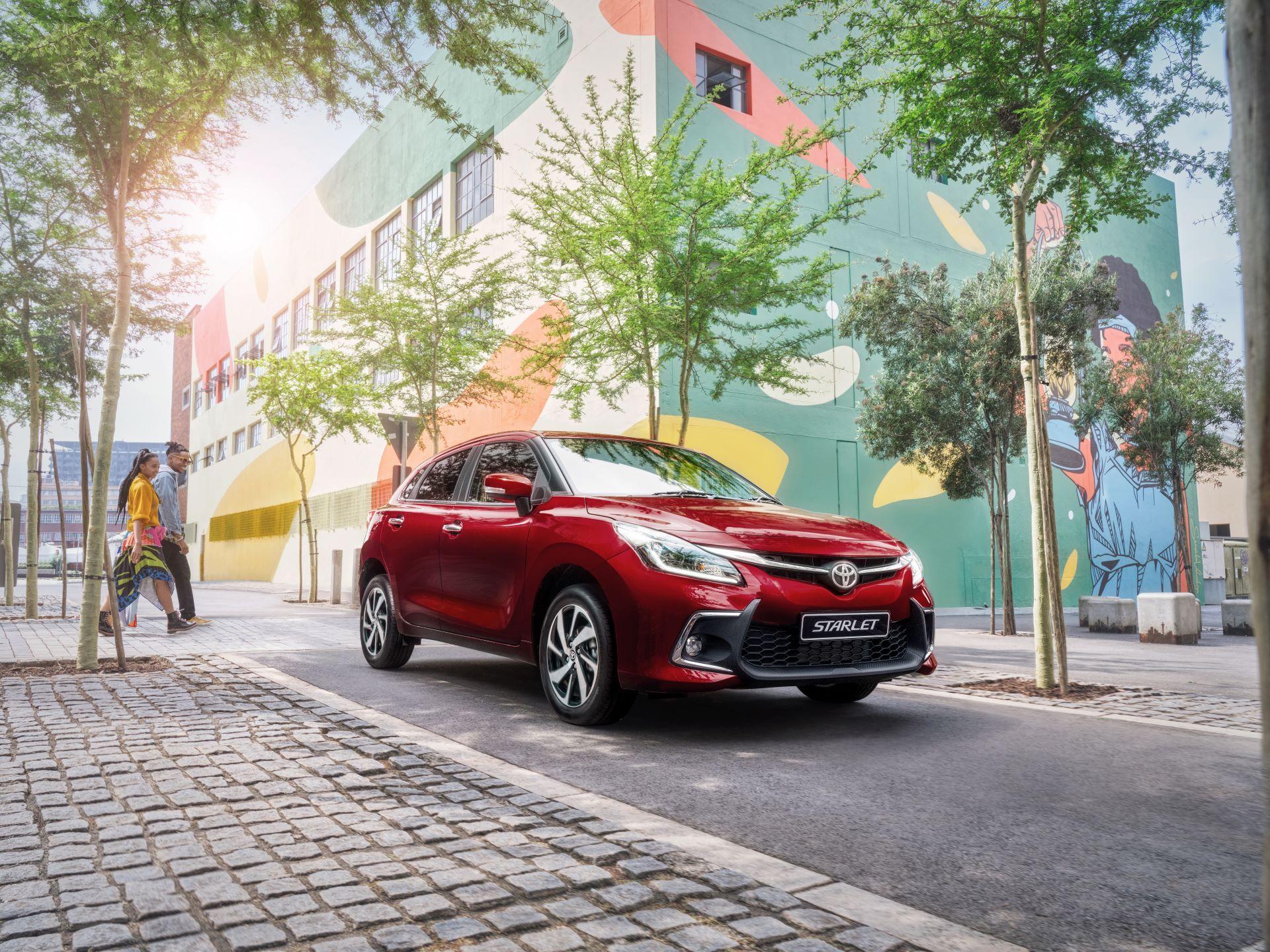
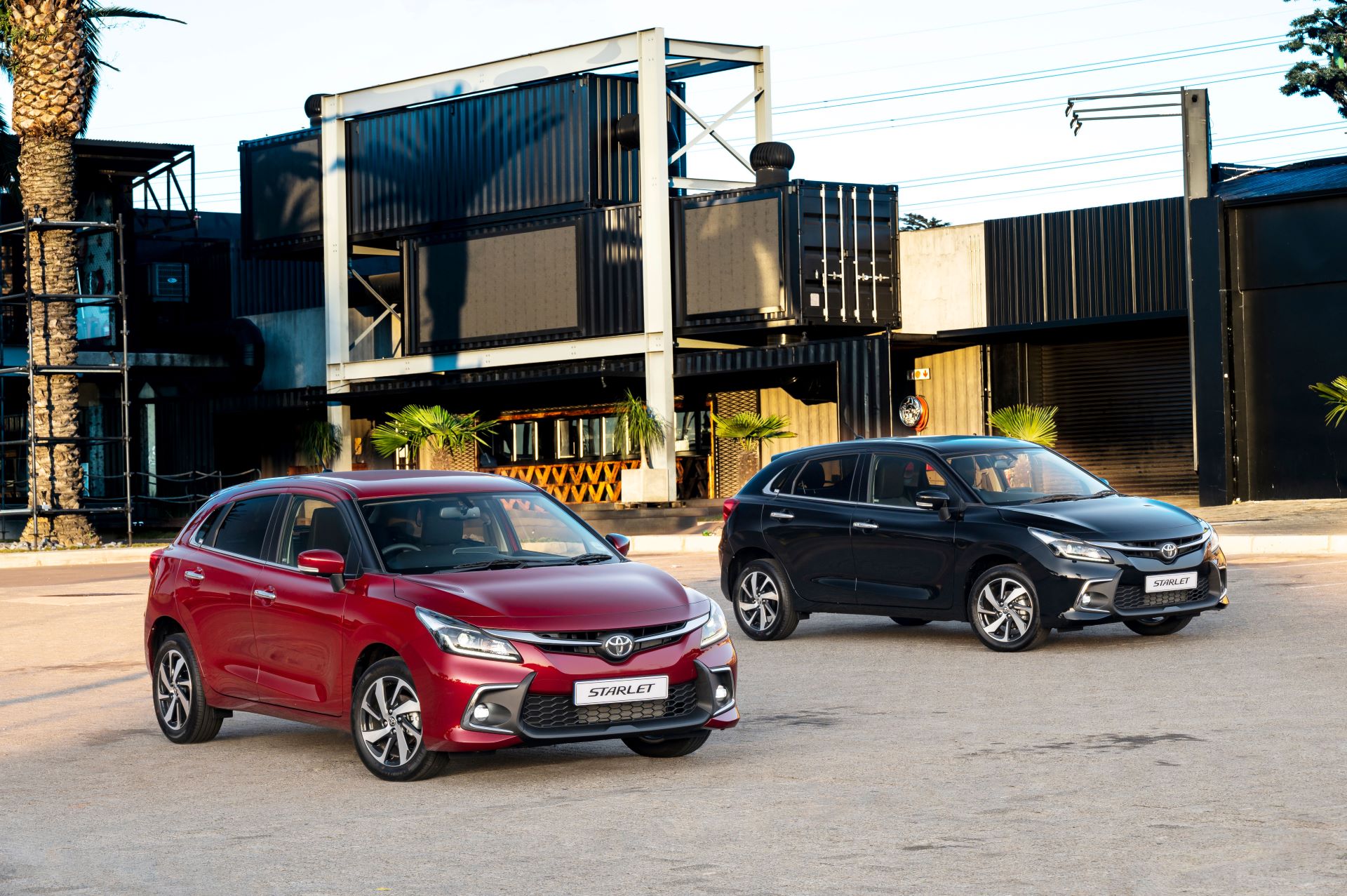
- Starlet: 2,180 units
- Corolla Cross: 1,226 units
- Starlet Cross: 1,050 units
- Urban Cruiser: 890 units
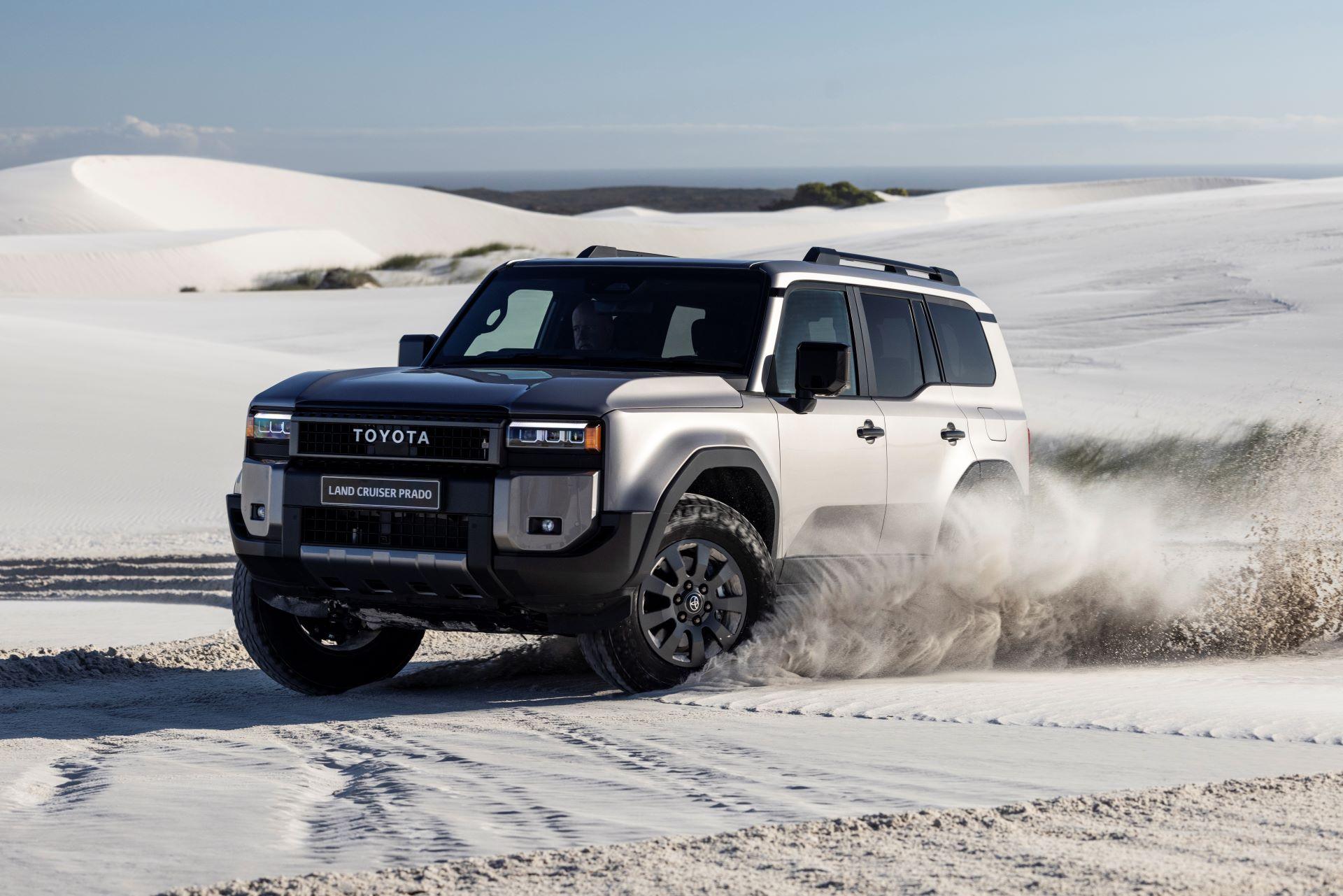
Additional models, such as the Vitz (825 units), nearly made the top list, while the Fortuner (652 units) and Prado (311 units) bolstered the lineup. Notably, the Prado’s performance is particularly commendable given its starting price of just over R1.3 million. In the premium category, the Lexus NX continued its steady performance, with 20 units sold in January.
LCV Segment: A Mixed Bag with Strategic Wins
While overall LCV sales saw a dip—with 9,901 units sold, marking a 9.1% decline from January 2024’s 10,894 units—Toyota’s strategic focus on small business customers yielded positive results. Sales to business customers through Toyota’s dealer network surged by 16%, reaching 3,533 units. This targeted approach has contributed to an increased market share in the LCV segment, climbing from 37.7% to 38.6%.
Within the LCV arena, four models stood out:
- Hilux: 2,557 units
- Hiace: 559 units
- Land Cruiser 79 Pick-up: 531 units
- Quantum: 113 units
The Hilux remains a powerhouse, accounting for nearly one in three LCVs sold, or 25.7% of the segment. Building on this success, Toyota is set to launch new Hilux models, including the highly anticipated Legend 55, later in the year—a move expected to further solidify its leadership in the segment.
MCV Segment: Accelerating Growth
Toyota’s performance in the MCV segment has been nothing short of impressive. The company boosted its market share from 29.4% in 2024 to a commanding 38.5% in 2025, selling a total of 219 units in January. Key contributors to this surge include:
- Quantum: 98 units
- Hino 300: 57 units
- Coaster: 64 units
This substantial growth in the MCV segment underscores Toyota’s ability to meet diverse customer needs while maintaining a strong commitment to excellence.
Aftermarket and Parts Distribution
The momentum isn’t confined to vehicle sales alone. January also witnessed significant activity in parts distribution, with just under two million pieces circulated locally and 312,181 units exported to international markets. This robust aftermarket performance further reinforces Toyota’s integrated approach to customer service and long-term brand loyalty.
Looking Ahead
Toyota’s strategic initiatives and strong market performance in January set a promising tone for 2025. With a solid foothold in key market segments and plans for new product launches, the company is well-positioned to navigate potential challenges and capitalize on emerging opportunities. As Toyota continues to support small businesses and expand its product offerings, industry stakeholders can expect a dynamic and competitive market landscape in the months ahead.
In a year marked by economic optimism and strategic innovation, Toyota’s performance is a testament to its enduring commitment to quality, customer satisfaction, and market leadership.