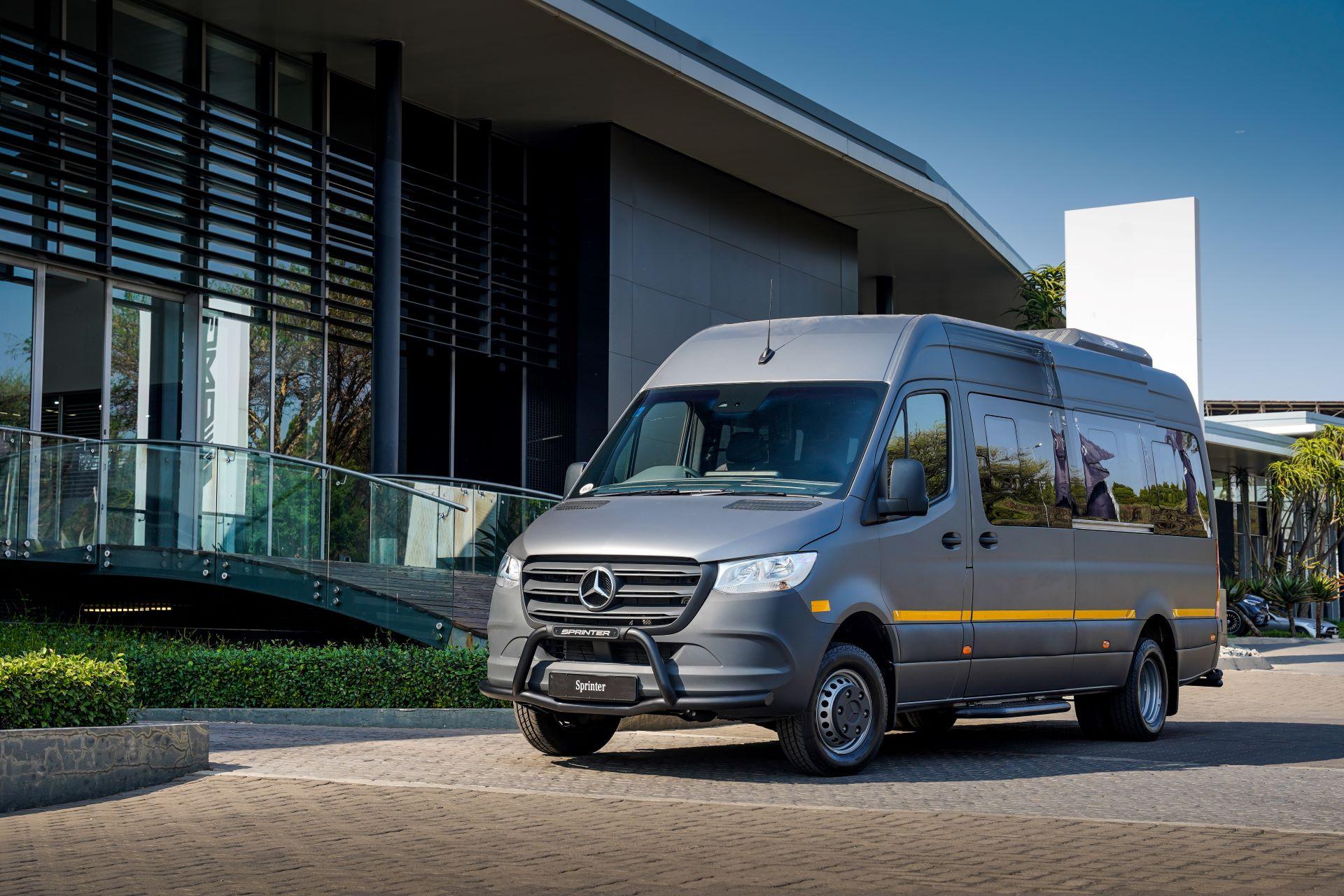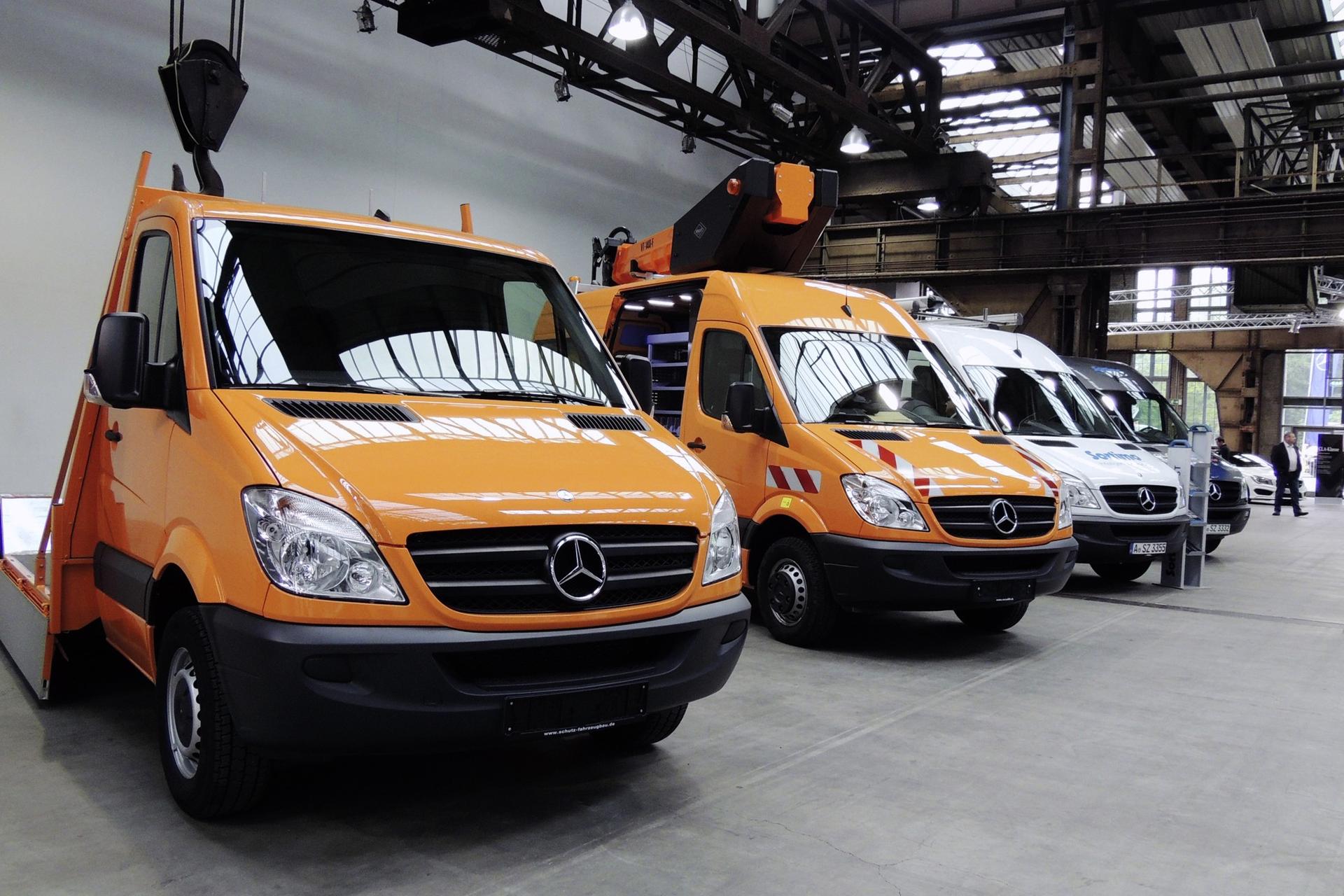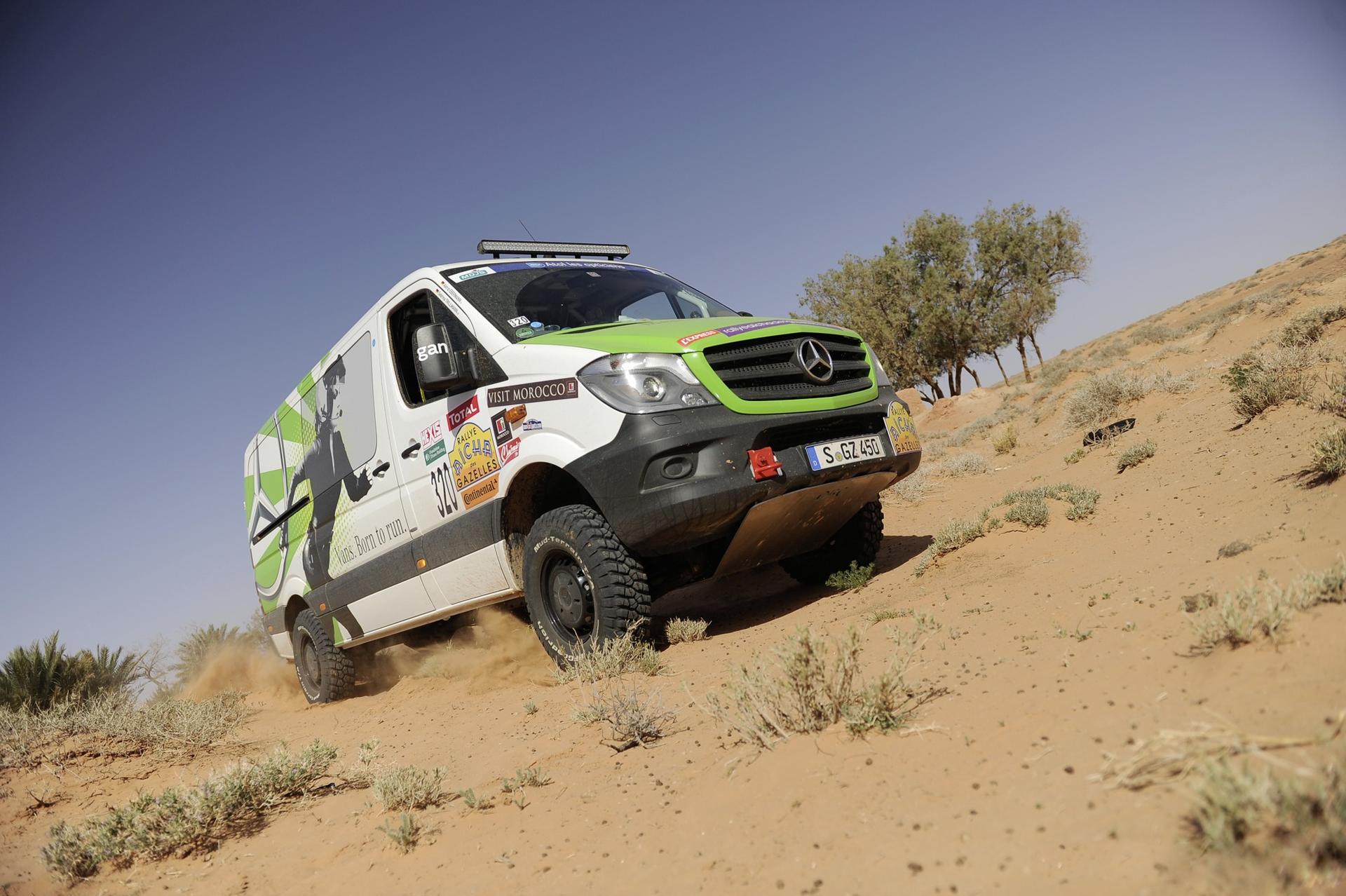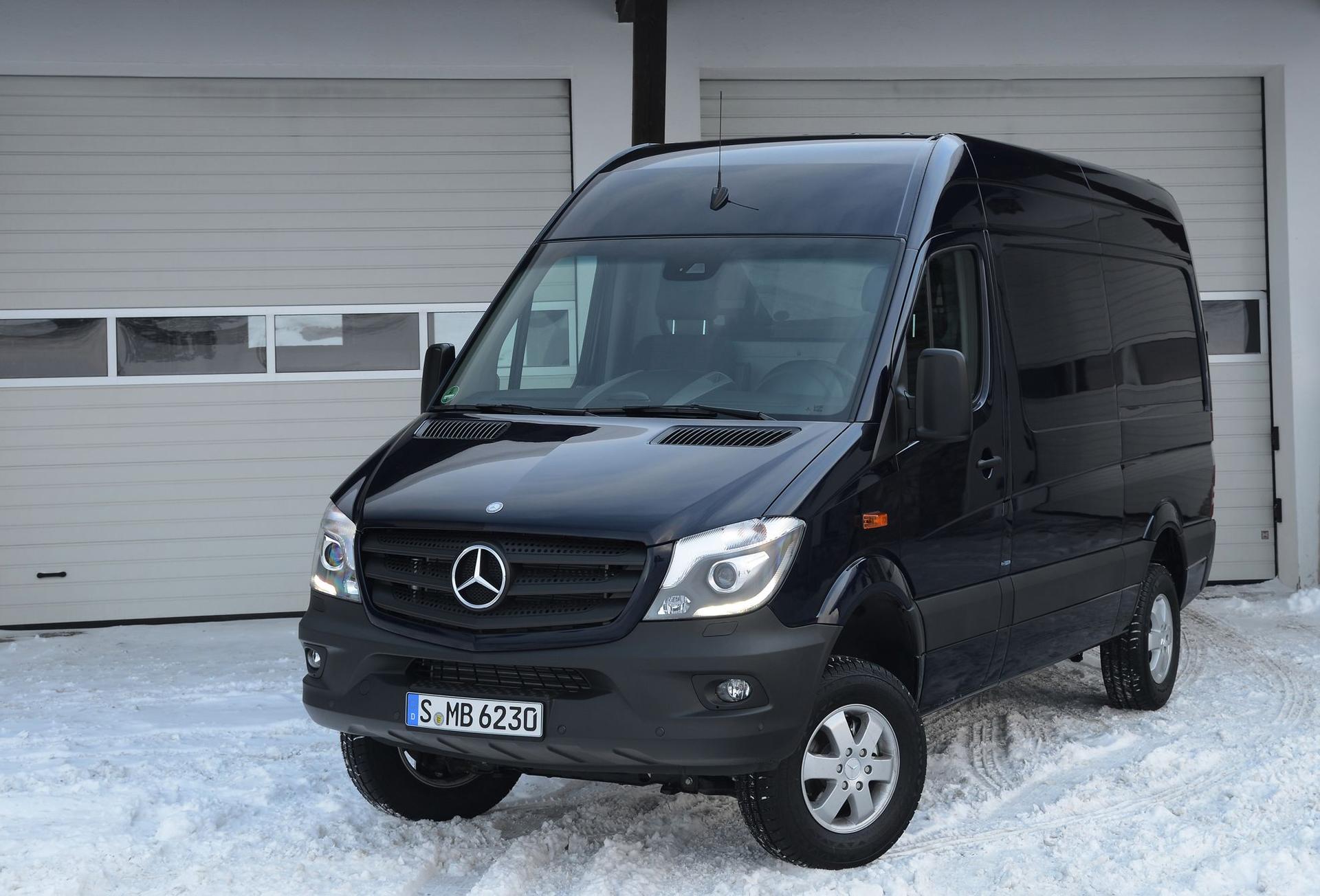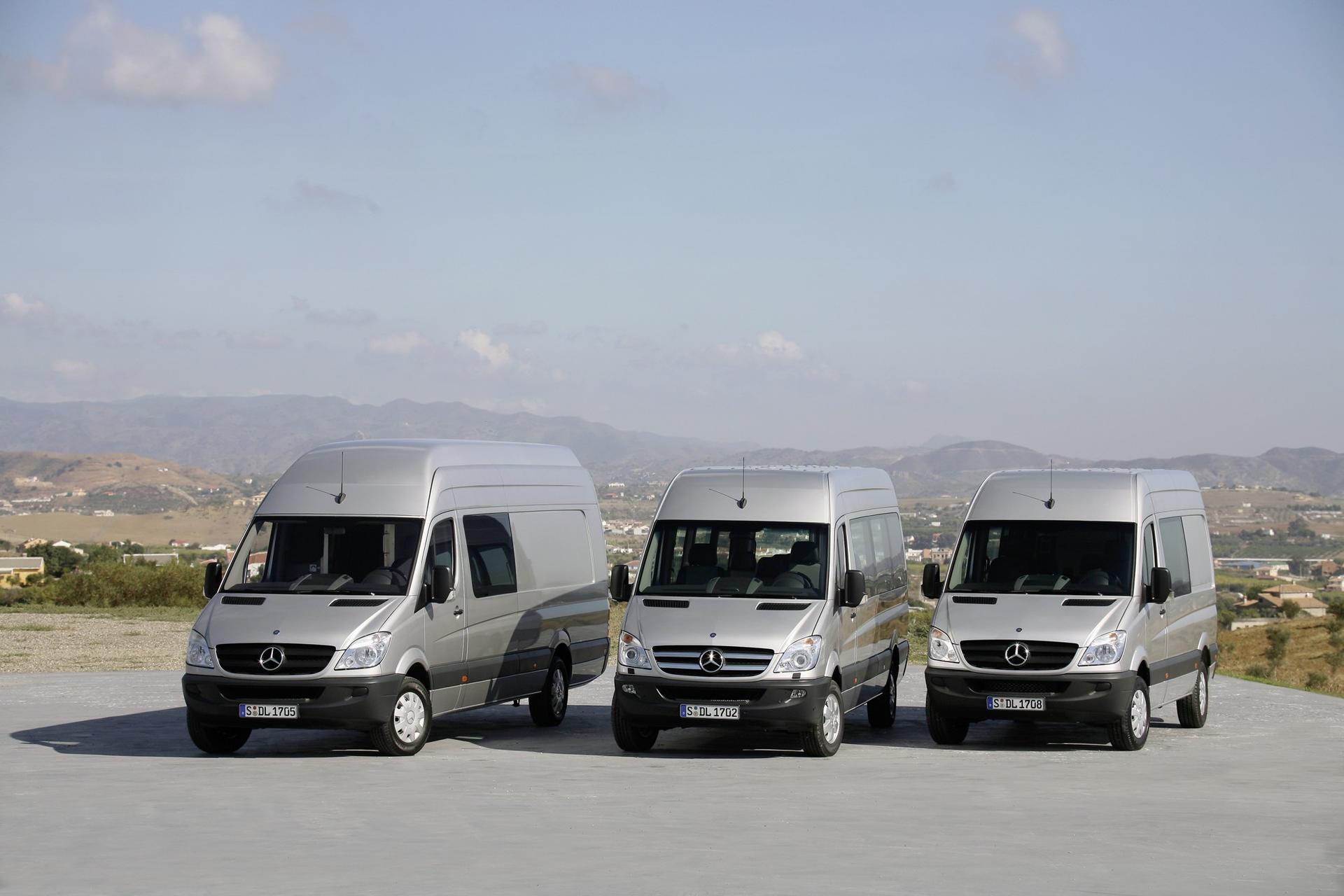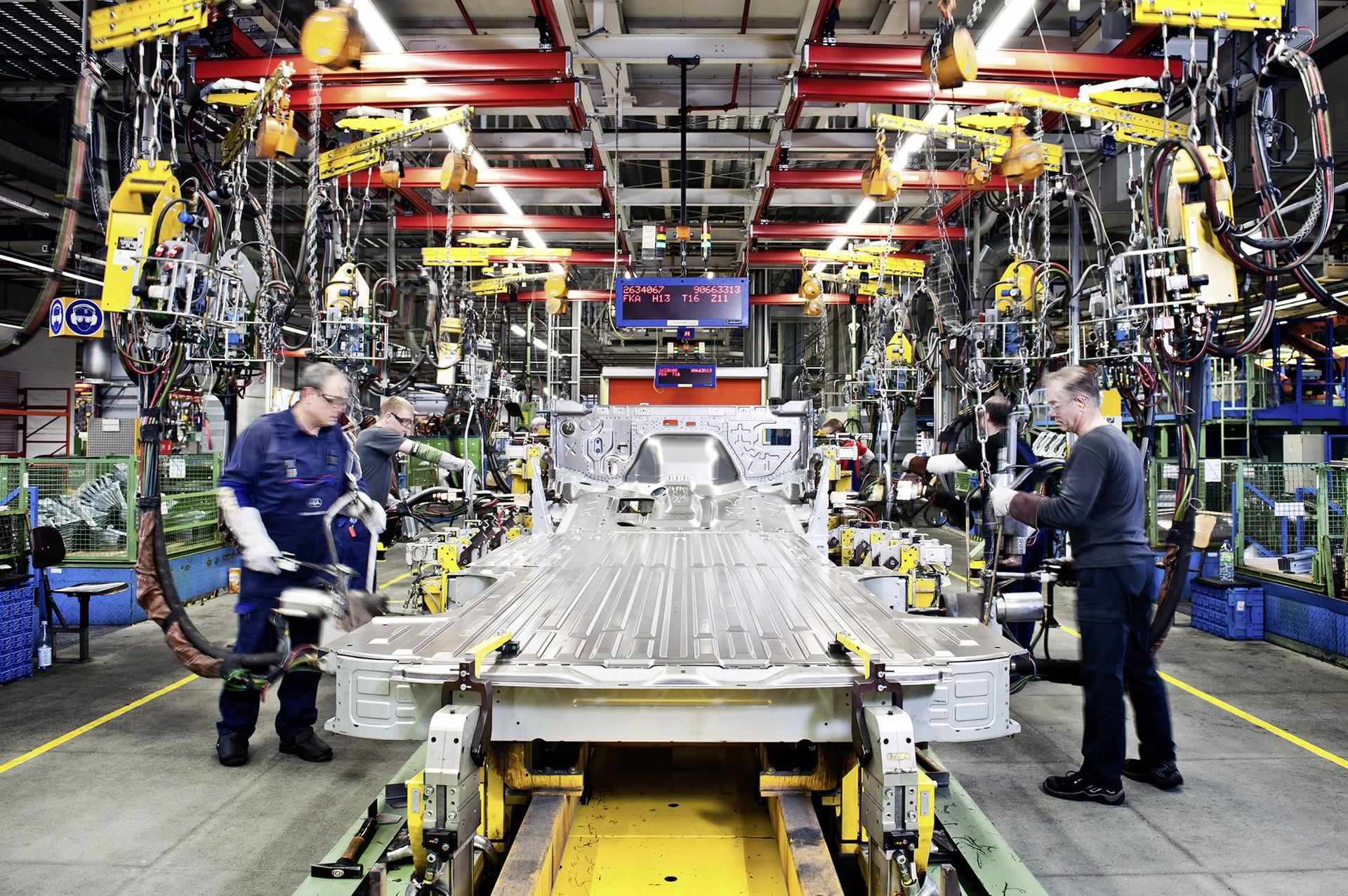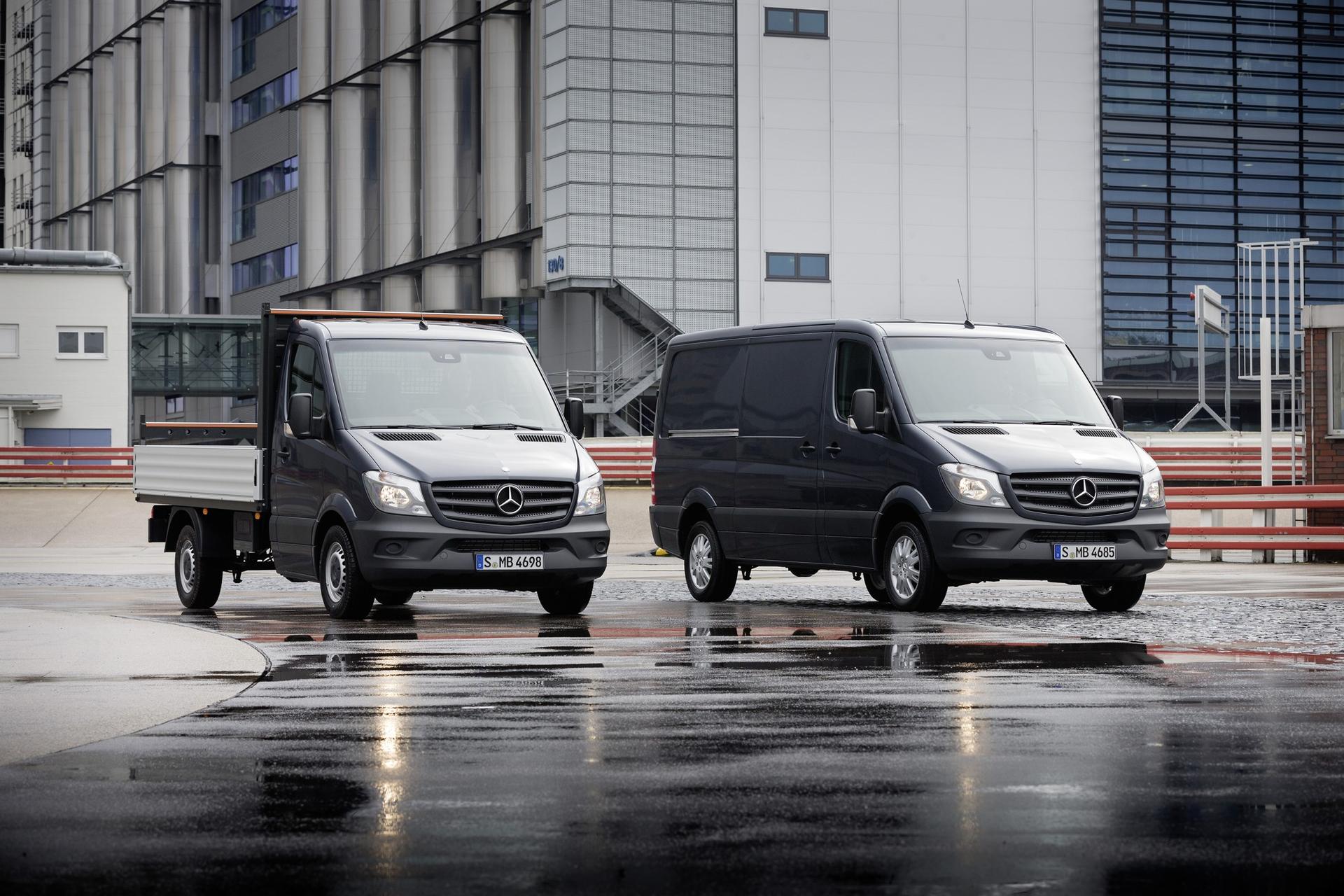



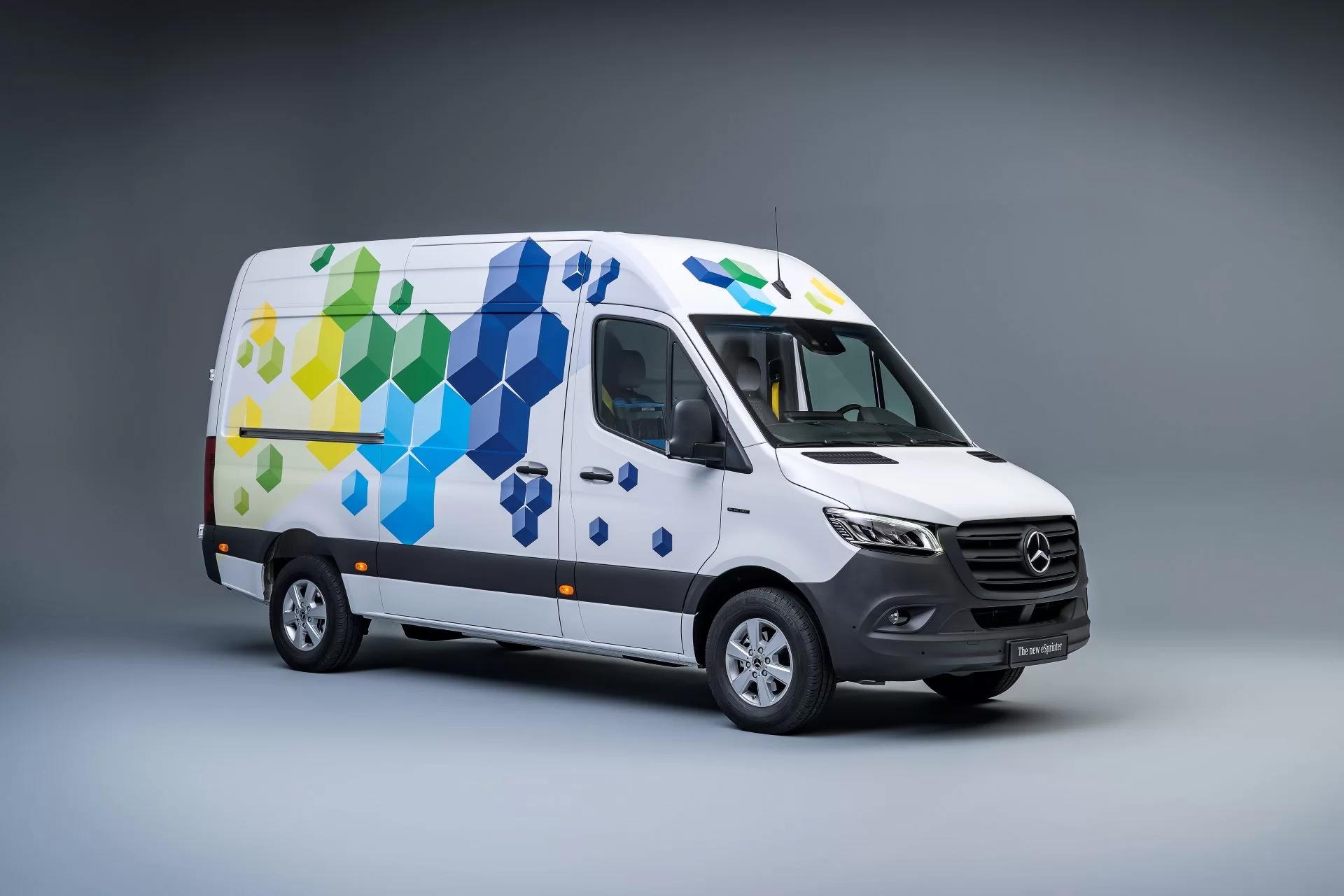
For the first time in South Africa, the iconic Mercedes-Benz brand has introduced an electric van—the eSprinter. This innovative addition to the Sprinter family marks a significant milestone in the evolution of electric commercial vehicles, combining advanced technology with the versatility and reliability that the Sprinter range is known for. Designed to meet the demands of modern businesses, the eSprinter offers exceptional efficiency, impressive range, and ample load capacity, making it an ideal choice for companies aiming to transition to a more sustainable, low-emission future.
Key Features and Innovations
Tri-Modular Design
The eSprinter’s design is a testament to Mercedes-Benz’s commitment to innovation. Built on a groundbreaking tri-modular concept, the eSprinter features three distinct modules:
- Front Module: Houses all high-voltage components.
- Underbody Battery Module: Space-saving design for optimal battery placement.
- Rear Module: Contains the powerful electric motor.
This configuration not only optimizes battery storage but also ensures a low center of gravity, enhancing vehicle handling and stability.
Impressive Range
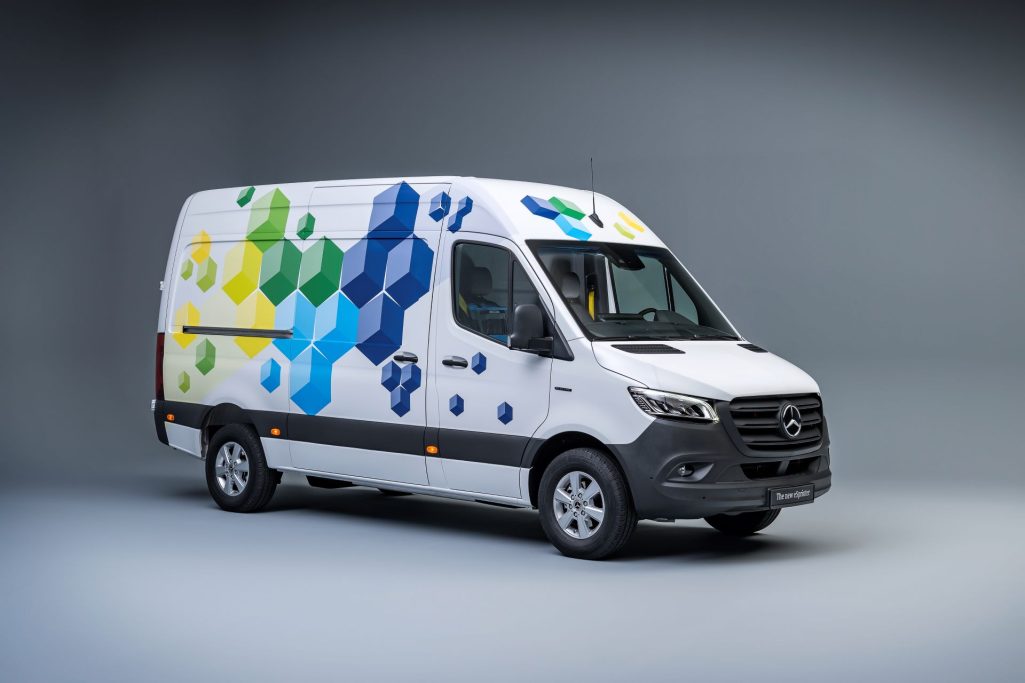
One of the standout features of the eSprinter is its remarkable range. During recent tests, a pre-production model with a 113 kWh battery completed a 475-kilometer route on a single charge. With simulations indicating a possible range of up to 530 kilometers in urban conditions, the eSprinter is well-suited for both short and longer journeys.
Electric Powertrain
The eSprinter boasts an electric rear axle that offers flexibility in vehicle lengths, gross vehicle weight (up to 4.25 tonnes), towing capacities (up to 2 tonnes), and load volume (up to 14 m³). It is available in two lengths, with various battery options:
- Standard Wheelbase: 100 kW Permanent Magnet Synchronous Motor (PSM) with an 81 kWh battery.
- Long Wheelbase: Available with either a 100 kW or 150 kW PSM, and 81 kWh or 113 kWh battery.
Battery Efficiency and Safety
Safety and efficiency are paramount in the eSprinter. The vehicle’s battery modules are encased in a specially developed crash-proof cover, and temperature is regulated by an enhanced thermal-management system. The batteries use lithium iron phosphate cells, which are free of cobalt and nickel, contributing to a lower environmental impact.
Advanced Recuperation System
The eSprinter features an advanced recuperation system, which allows for energy recovery during braking and deceleration. This system uses real-time data from radar, cameras, and navigation to adjust recuperation intensity, optimizing energy use and driving efficiency. The vehicle also includes an ECO Assist system to support anticipatory driving by analyzing road conditions and providing guidance on when to decelerate.
Charging Capabilities
The eSprinter supports both alternating current (AC) and direct current (DC) charging. At a fast-charging station, the 81 kWh battery can reach 80% charge in approximately 32 minutes, while the 113 kWh battery takes around 42 minutes. This flexibility ensures minimal downtime and greater convenience for users.
Safety and Assistance Systems
Mercedes-Benz has equipped the eSprinter with a comprehensive suite of safety and assistance systems. Standard features include:
- Active Brake Assist
- Cross Wind Assist
- Adaptive Brake Lights
- Intelligent Speed Assist with cruise control
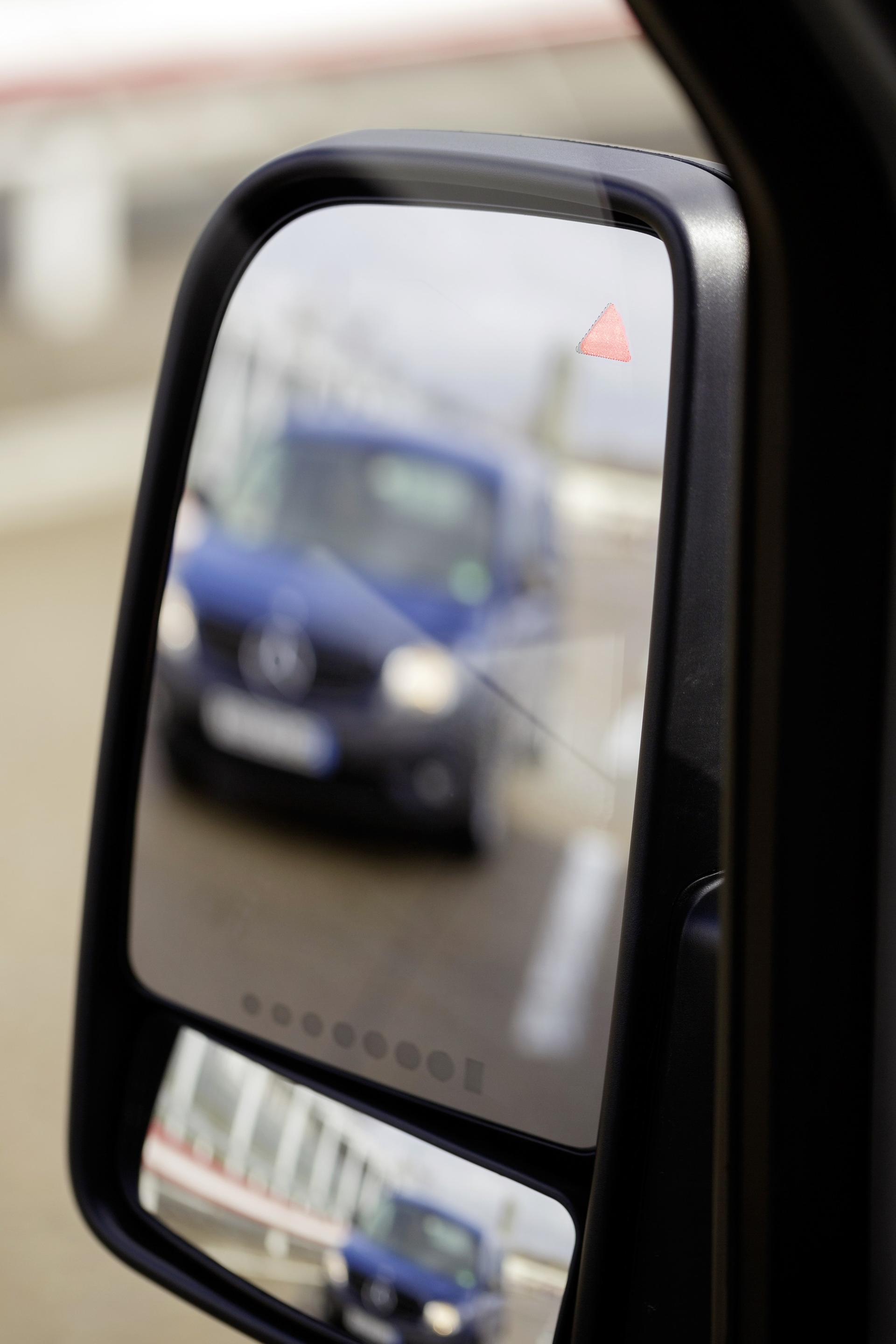
Optional equipment includes a Reversing Camera, LED High-Performance Headlamps, and Active Lane Keeping Assist, enhancing safety and convenience.
The new Mercedes-Benz eSprinter represents a significant leap forward in electric commercial vehicle technology. With its cutting-edge design, impressive performance, and extensive safety features, it is set to redefine the electric van market in South Africa. Businesses looking to reduce their carbon footprint and embrace sustainable mobility will find the eSprinter an invaluable addition to their fleets.