




SUV or double-cab bakkie: which makes more sense for your family?
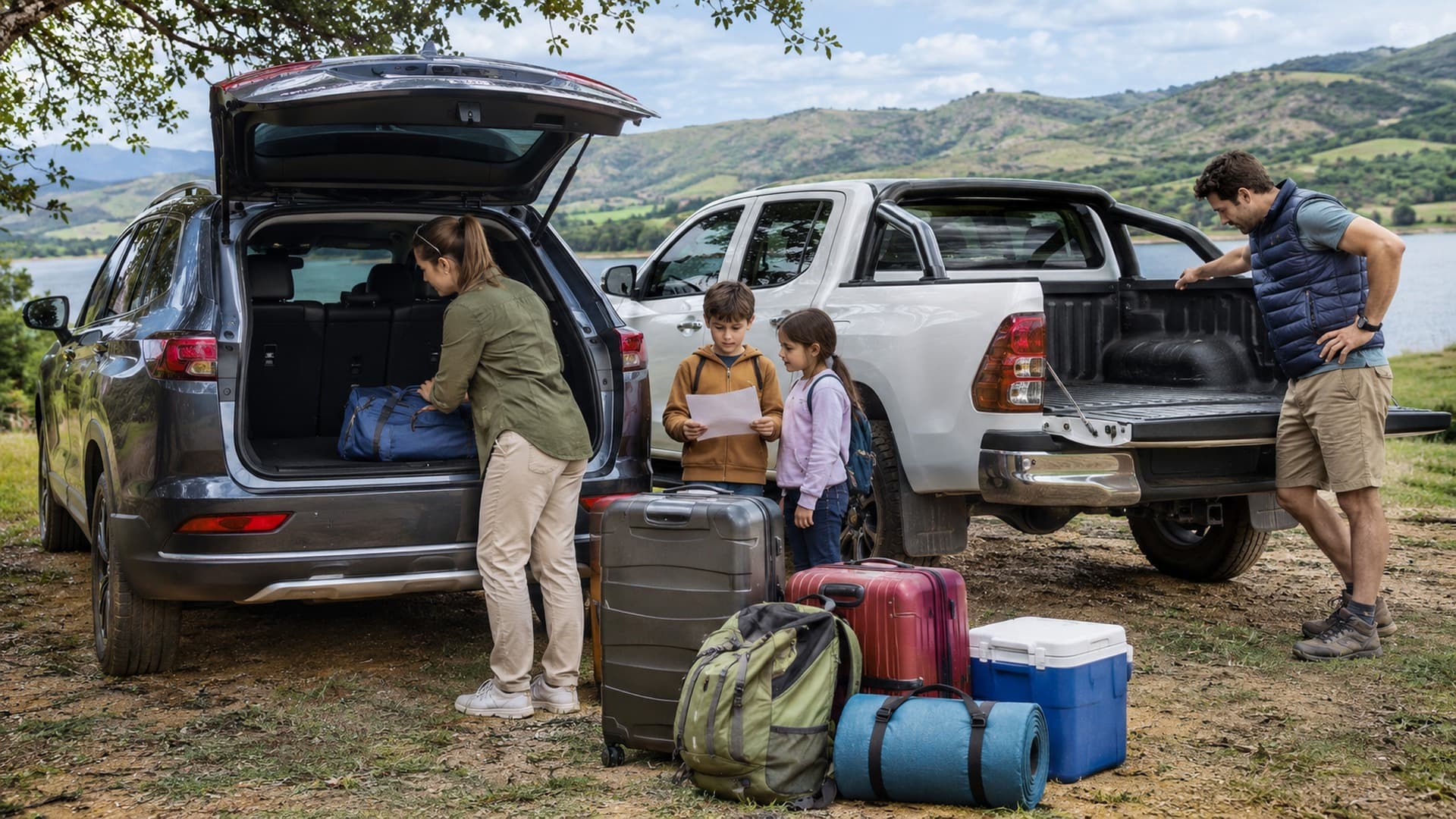
An SUV and a double-cab bakkie can both carry a family and its weekend equipment, but they approach that job differently. The SUV generally keeps passengers and luggage in one enclosed body. The bakkie separates its cabin from an open load bed designed to carry cargo. Neither layout is automatically the better choice.
For South African buyers, the right answer depends on how often a vehicle carries people, what needs to be loaded and where it will actually travel. Compare the specific variants on your shortlist rather than relying on the shape alone.
Start with the working week
Think about the jobs your vehicle will do most often. School runs, commuting, shopping and family visits usually demand easy entry, comfortable seating and convenient parking. If these trips dominate, test how comfortably everyone fits in the back and whether bags can be loaded without a struggle.
A bakkie may earn its place when tools, building materials or outdoor equipment travel regularly. Its load bed can keep dirty cargo outside the cabin. That separation is useful, but an open bed also exposes items to weather and theft unless it is fitted with suitable protection.
Write down your typical week before visiting a showroom. A vehicle chosen for an annual camping trip still has to suit the rest of the year.
Compare the cabin as a family
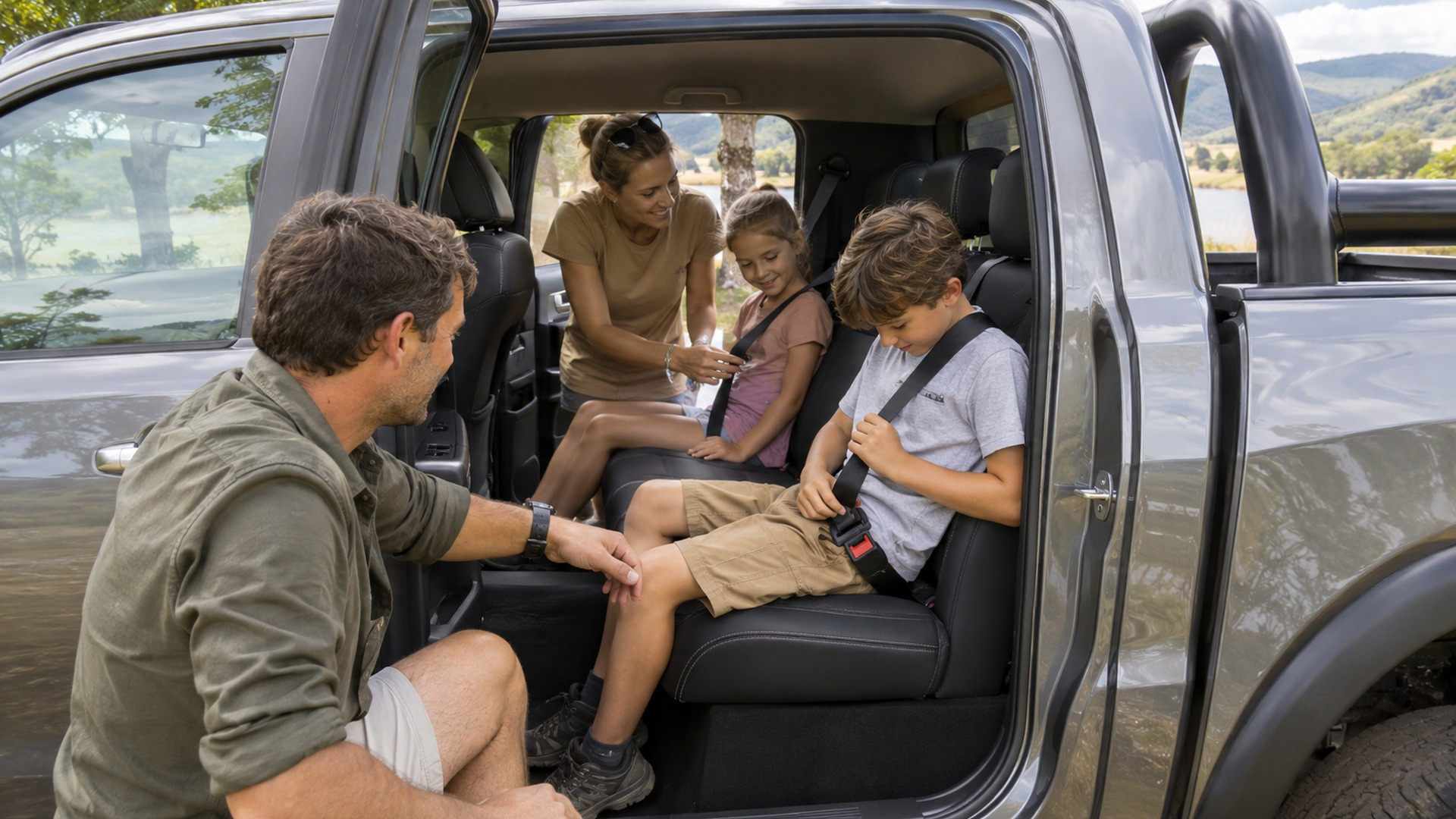
A double cab provides a second row, but space and comfort vary. Bring the people who will sit there and check headroom, legroom, seat shape and access through the rear doors. Ask for a representative test route.
If you use child restraints, confirm the vehicle's approved seating positions and fitting instructions. Bring the actual seats when possible. Check whether adults can still reach the buckles and whether the front seats have enough adjustment once the restraints are installed.
An SUV may offer a quieter, more enclosed space for family belongings, but a large exterior does not guarantee a roomy third row or a useful boot. Raise every seat you expect to use and check what luggage space remains. Compare the vehicle in its actual family configuration, not just with the rear seats folded down.
Understand payload and passengers
Payload is the weight a vehicle can carry within its permitted limits. The figure is not a free allowance for luggage alone: occupants, accessories and other load can use part of that capacity. Definitions and limits differ, so check the handbook and the manufacturer's specifications for the exact vehicle.
For example, a canopy, roof rack and drawer system add convenience but also add weight. Include them when planning for passengers and camping equipment. Distribute and secure loads according to the vehicle and accessory instructions, and never exceed the applicable axle or vehicle limits.
An SUV also has load limits. Restrain heavy objects using the specified anchor points, and keep the driver's view clear.
Think beyond the towing headline
A brochure's maximum towing number is only a starting point. The permissible trailer weight depends on the vehicle, equipment and whether the trailer has brakes. The combined vehicle and trailer limits, towbar rating and download on the towball also matter. Ask a knowledgeable supplier to check the whole combination against the current specifications and regulations.
A caravan and a small garden trailer place different demands on a vehicle. Practise manoeuvring safely and allow for the effect on braking and fuel use.
Do not assume that selecting four-wheel drive automatically makes an overloaded combination safe. Correct loading, maintained tyres, appropriate speed and a vehicle within its rated limits matter regardless of the drive system.
Be honest about off-road needs
Gravel roads, a steep campsite and a deeply rutted trail do not demand the same equipment. Four-wheel drive, low-range gearing, ground clearance and tyres can be useful, but availability differs between models and even between versions of the same model. Confirm the equipment on the exact vehicle rather than inferring it from a badge or high stance.
If you mostly drive on tar, assess the trade-offs of equipment you may seldom use. A larger vehicle can require more parking space and may cost more to insure, maintain or fuel. Request quotes for both shortlisted vehicles and compare their service requirements rather than assuming either category will always be cheaper.
Compare safety and support
Check the airbags, stability control, child-seat provisions and driver-assistance features included in each specific variant. Independent crash-test ratings can help, but confirm the tested model, market, equipment and test date. The Global NCAP Africa results provide a starting point for research; a rating from a different version should not be treated as proof for your chosen vehicle.
Look at the practical ownership picture too: dealer access on your regular routes, service intervals, parts availability and warranty or service-plan conditions. Ask what is included and excluded in writing.
Make the decision around the load
Choose the SUV if its seating and enclosed luggage area fit your actual family routine better. Choose the bakkie if a separate cargo bed solves a frequent, meaningful problem and the cabin still works for everyone.
Before signing, load your everyday equipment, seat your passengers and drive both options. The more useful comparison is not which body style looks tougher, but which specific vehicle safely handles your people, cargo and budget on an ordinary Tuesday.
Comments
Newest firstLoading comments…