


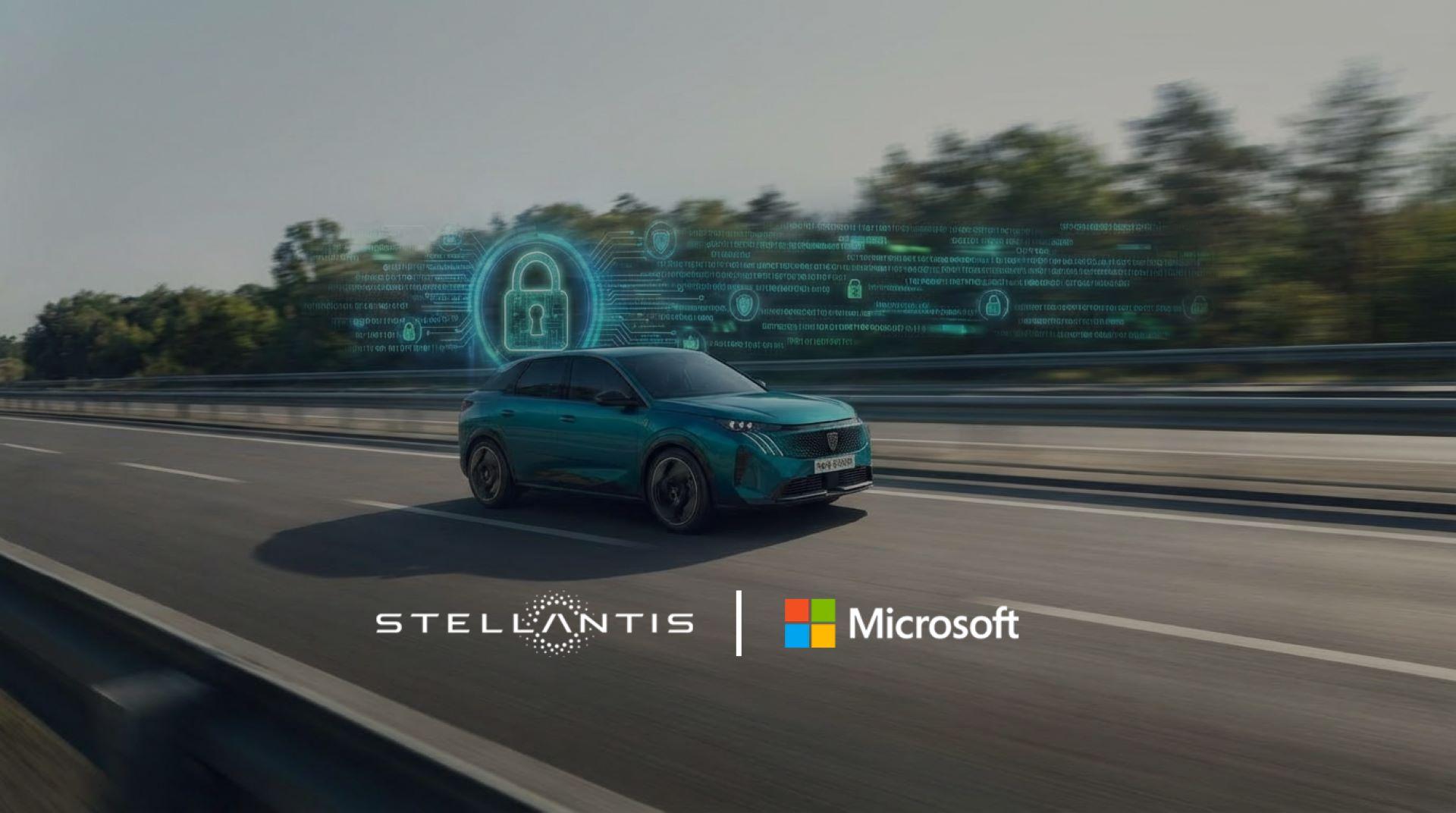
Stellantis and Microsoft have entered a five-year strategic collaboration designed to reshape how one of the world’s largest automotive groups builds, protects, and delivers its digital ecosystem. Announced in Amsterdam and Redmond on April 16, 2026, the partnership extends a long-standing relationship into a new phase defined by artificial intelligence, cloud-scale infrastructure, and deeply integrated cybersecurity systems.
At the heart of the agreement is a shared ambition to move faster than the complexity of modern mobility. Stellantis brings its multi-brand automotive scale and century-spanning engineering heritage, while Microsoft contributes its cloud computing backbone, AI platforms, and security technologies. Together, the companies aim to co-develop more than 100 AI initiatives spanning customer care, product development, manufacturing, and operational efficiency, weaving intelligence into every layer of the automotive lifecycle.
This push into AI-driven transformation is not abstract experimentation but practical deployment across real-world automotive systems. From predictive maintenance that anticipates vehicle needs before drivers notice them, to accelerated validation cycles in product engineering, the collaboration is designed to reduce friction between idea and execution. Connected services are expected to become more responsive and personalized, with use cases such as intelligent driving recommendations that help improve energy efficiency in urban environments and proactive vehicle health insights that enhance everyday usability.
Cybersecurity forms another pillar of the collaboration, reflecting the increasing complexity of connected vehicles and digital manufacturing networks. Stellantis will strengthen its global cyber defense capabilities through AI-driven analytics, creating a unified security architecture that spans IT systems, production facilities, connected vehicles, and customer-facing applications. This approach is designed to anticipate threats earlier, respond faster, and maintain consistent protection across a rapidly expanding digital surface area. For drivers, this translates into more resilient in-vehicle systems and more secure mobile connectivity, even in demanding environments.
Underpinning these advancements is a major cloud modernization program built on Microsoft Azure. Stellantis is targeting a 60% reduction in its datacenter footprint by 2029, shifting toward a more scalable and interconnected digital infrastructure. This transition is expected to improve performance, agility, and reliability across global operations, while also enabling faster deployment of digital services and supporting the complexity of modern manufacturing and logistics systems.
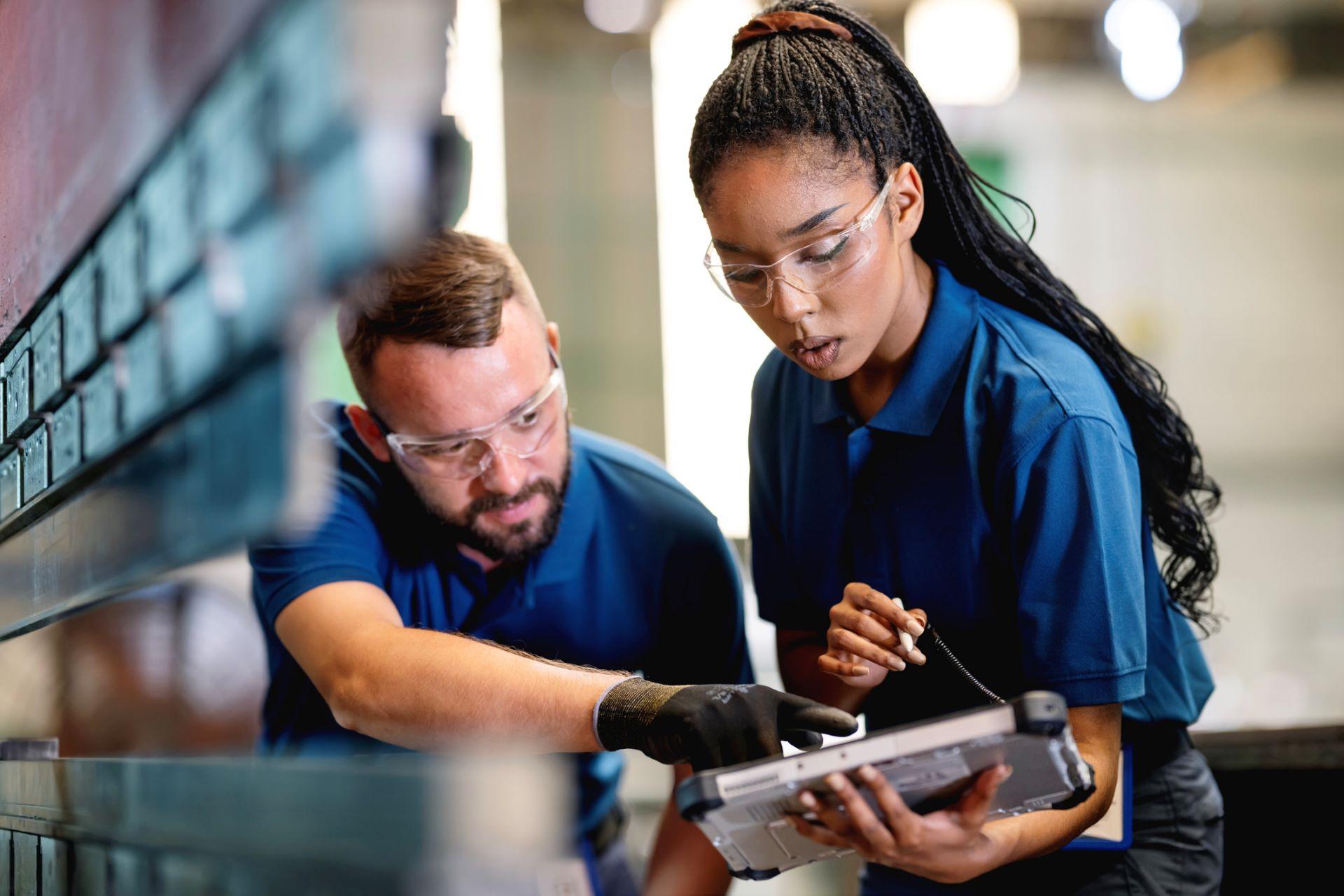
The collaboration also extends into workforce enablement, where AI is being embedded directly into daily operations. Stellantis is rolling out Copilot Chat across its global workforce, alongside an initial deployment of 20,000 Microsoft 365 Copilot licenses for selected roles. This rollout is supported by structured training programs aimed at helping employees integrate AI tools into their workflows, enhancing productivity and accelerating decision-making across engineering, customer service, and operational teams.
Leadership from both companies emphasized the strategic importance of this alignment. Stellantis highlighted its long-term commitment to embedding AI into everything from vehicle design to customer experience, while Microsoft underscored the importance of delivering AI transformation in a secure, responsible, and scalable way across the automotive value chain. The result is a tightly integrated vision of the future where cloud intelligence, cybersecurity resilience, and automotive engineering evolve as a single system rather than separate disciplines.
As Stellantis and Microsoft move forward with this initiative, the automotive industry stands at the edge of a broader shift. Vehicles are no longer just mechanical products enhanced by software, but evolving digital platforms shaped continuously by data, AI, and cloud connectivity. This collaboration signals a future where mobility becomes more adaptive, more intelligent, and more deeply connected to the digital world that powers it.