


South Africa’s automotive market is currently in a rare state of momentum. A steady influx of new brands and refreshed models has injected fresh energy into showroom floors, with monthly sales reflecting a clear surge in consumer confidence. Yet beneath the excitement of all-new arrivals, another quieter opportunity is gaining attention: the appeal of outgoing or discontinued models.
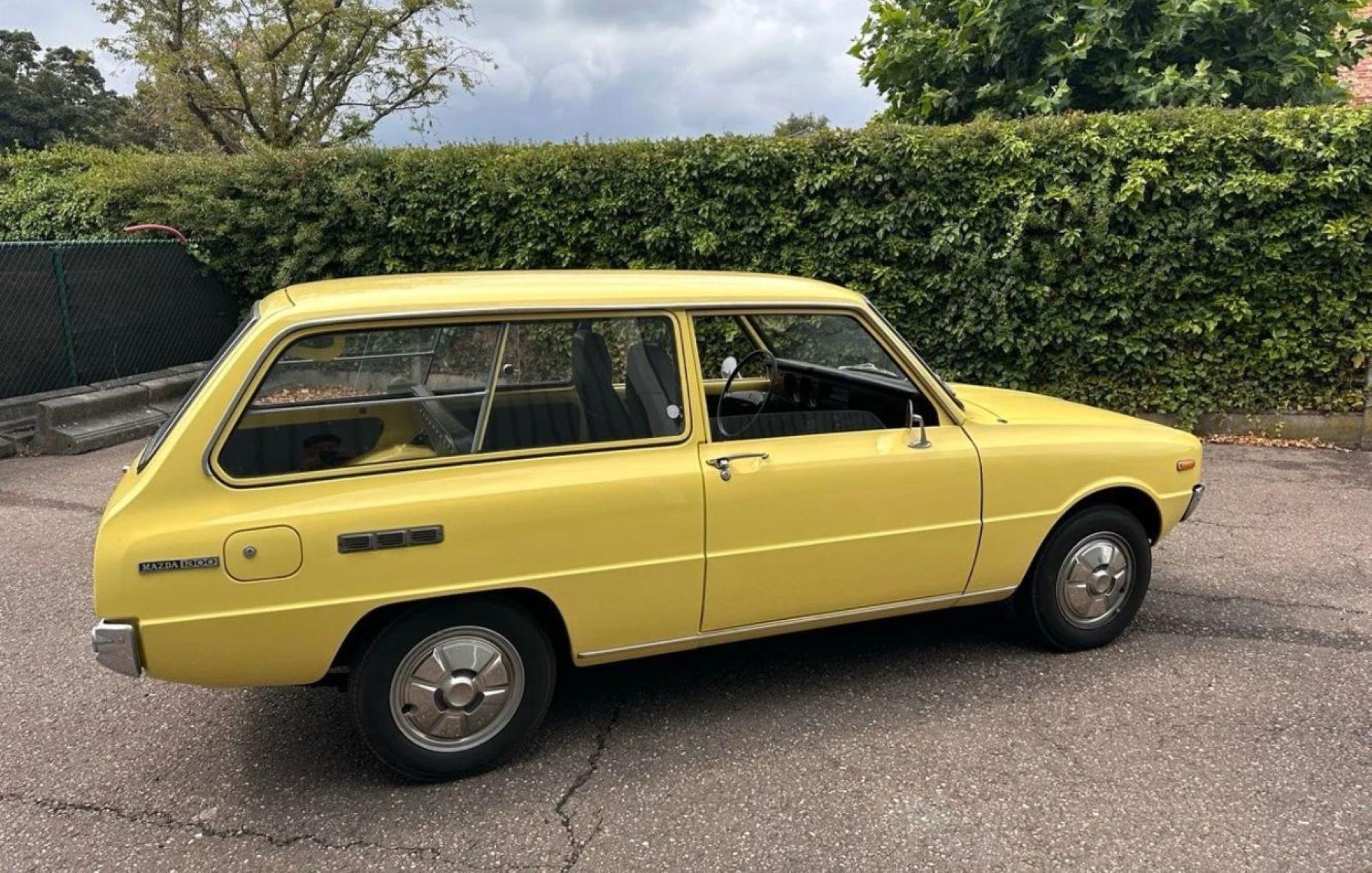
For many buyers, the arrival of a facelifted or next-generation vehicle signals more than just progress. It can also mark the beginning of meaningful discounts on the outgoing version. These “run-out” deals often appear attractive, especially in a cost-sensitive economy where value matters just as much as innovation. But the question persists: is buying a discontinued model a calculated win, or a long-term risk disguised as a bargain?
One of the most persistent fears among consumers is the idea that parts support will vanish once production stops. It is an understandable concern. After all, few buyers want to invest in a vehicle that could become difficult to maintain. However, industry experts say this worry is largely misplaced.
“A primary misconception is that a new model launch renders the previous version a mere relic for the manufacturer,” explains Brandon Cohen, Chairperson of the National Automobile Dealers’ Association (NADA). In reality, he notes, the automotive ecosystem is built for longevity, not sudden abandonment. Manufacturers and their dealer networks typically maintain robust support structures long after a model leaves production, ensuring continued access to service components and technical expertise.
Even in cases where a brand reduces or exits its footprint in a market, parts availability does not simply disappear overnight. Cohen adds that “even when a brand exits the market, in many cases, parts may still be available for some time,” reinforcing the idea that the lifecycle of a vehicle extends far beyond its final production run.
Traditionally, original equipment manufacturers support discontinued models with service and repair parts for up to a decade after the last unit is built. This long-tail approach exists not only to protect owners, but also to preserve residual values across the used-car ecosystem. In other words, manufacturers have a vested interest in ensuring yesterday’s model does not become tomorrow’s liability.
Beyond logistics, there is also a quieter advantage that often goes overlooked: maturity. An outgoing model represents the most refined version of its generation. It has been shaped by years of production tweaks, software updates, and real-world feedback. While it may not carry the latest design language or cutting-edge tech debuting in its successor, it often delivers a sense of mechanical consistency that newer platforms are still working to achieve.
As Cohen puts it, the decision is not about old versus new, but about matching the product to the buyer’s priorities. “The new model represents the future of the brand and the latest in technological leaps. Simultaneously, the outgoing model offers a peak level of refinement for its generation.”
This creates a unique moment of choice for South African consumers. The latest models appeal to those chasing innovation, connectivity, and advanced safety systems. Meanwhile, run-out models quietly attract those who value proven reliability, predictable ownership costs, and often, more attractive dealer incentives as dealerships clear remaining stock.
In today’s market, the end of a model’s production cycle should not be viewed as a warning sign. Instead, it can represent an opportunity shaped by timing, value, and practicality. With long-term parts support typically secured for years, and a platform that has already proven itself on the road, a run-out vehicle may not be a compromise at all. For many buyers, it is simply the smartest version of patience turned into purchase.