


In the rapidly evolving global automotive landscape, few industrial hubs can claim the strategic significance of Rosslyn. More than just a manufacturing location, Rosslyn is emerging as a transformative ecosystem—integrating advanced manufacturing, logistics, residential spaces, and retail into a cohesive framework that drives operational efficiency, community development, and sustainable growth.
Celebrating a Milestone: Tata’s 11,000th Vehicle
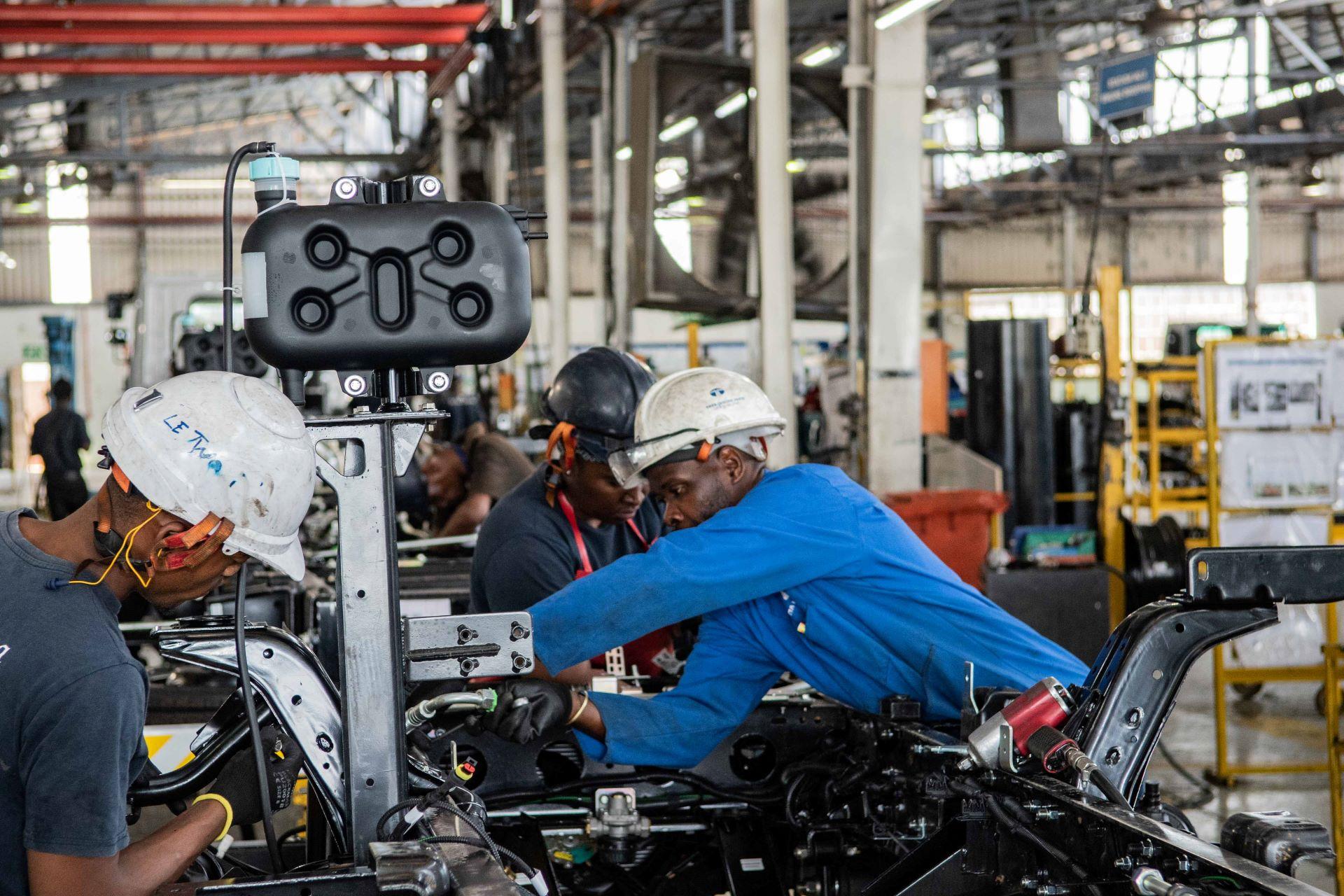
This year, Tata Africa Holdings proudly marks the assembly of its 11,000th vehicle at the Tata Rosslyn facility—a milestone that underscores over a decade of unwavering commitment to South African manufacturing. Since the establishment of Tata Motors South Africa in 2011, later becoming a wholly owned subsidiary of Tata Africa Holdings in 2023, Rosslyn has been central to Tata’s vision of industrial excellence, innovation, and local economic empowerment.
This achievement reflects more than numbers; it is a testament to Tata’s long-term investment in infrastructure, technology, and people, reinforcing South Africa as a key player in global automotive manufacturing.
A Pan-African Approach to Industrial Growth
Rosslyn’s impact extends far beyond South Africa’s borders. Tata Africa Holdings has strategically invested in assembly facilities across East and West Africa, strengthening its ability to serve diverse markets while fostering localised production and job creation. This pan-African strategy positions Tata not only as a vehicle manufacturer but as a catalyst for sustainable industrial growth across the continent, building skills, generating employment, and nurturing economic development.
Collaboration at the Heart of Innovation
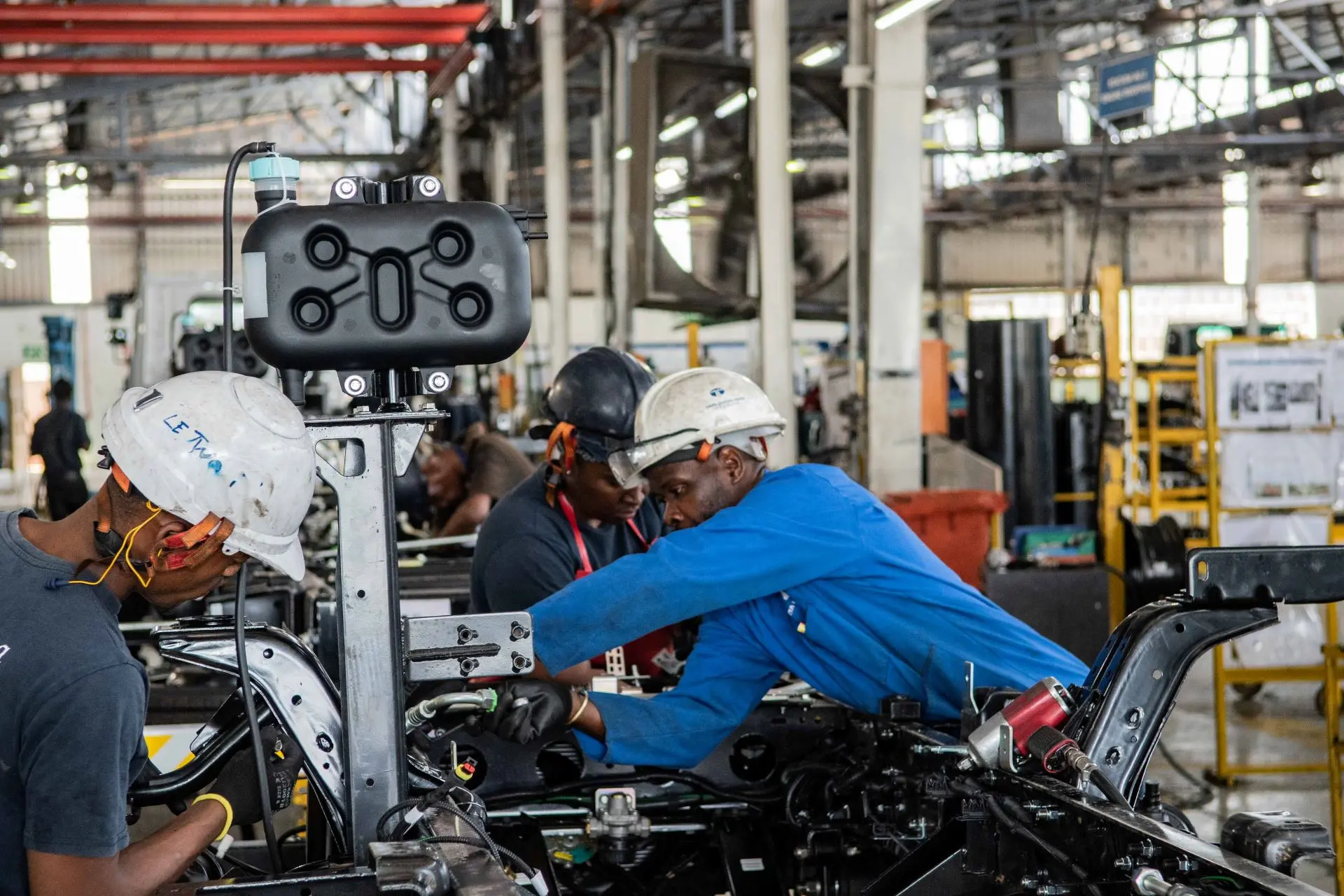
Central to Rosslyn’s success is its role as a collaborative hub. The Automotive Industry Development Centre’s (AIDC) 160-hectare Automotive Supplier Park (ASP) stands as one of Africa’s first dedicated automotive hubs, hosting both local and international component manufacturers and suppliers to Original Equipment Manufacturers (OEMs).
This strategic layout facilitates synergies, resource sharing, and cost efficiencies, allowing companies like Tata Africa Holdings to benefit from industry-wide innovations. Streamlined logistics, access to cutting-edge technologies, and proximity to key suppliers all contribute to heightened operational performance.
Empowering Communities and Driving Job Creation
Rosslyn exemplifies the integration of industrial growth with social responsibility. With projections to create over 59,000 jobs in the coming decade, the hub is more than a manufacturing centre—it is a vehicle for socio-economic development. Tata and its partners are committed to vocational training, skills development, and sustainable employment, ensuring that local communities share in the benefits of industrial progress.
Sustainability and Industry 4.0 at the Forefront
Sustainability and digital transformation are embedded into Rosslyn’s vision. Green building practices, renewable energy solutions, and smart manufacturing technologies underpin the hub’s operations, while initiatives like the Tshwane Automotive City (TAC) highlight a bold step toward an integrated logistics and manufacturing ecosystem. Linked to rail corridors and ports, TAC strengthens South Africa’s regional trade capabilities, ensuring competitiveness in a rapidly evolving global market.
Optimising Supply Chains and Market Reach
Rosslyn’s proximity to major highways and OR Tambo International Airport enhances logistics efficiency, reinforcing local supply chains and improving market responsiveness. Manufacturers, including Tata, are thus ideally positioned to serve both domestic and regional customers, expanding Africa’s automotive footprint.
Rosslyn: A Symbol of South Africa’s Industrial Promise
For Tata Africa Holdings, Rosslyn is far more than a production site—it is a tangible symbol of belief in South Africa’s potential. The assembly of the 11,000th vehicle, combined with regional expansion, highlights Tata’s commitment to delivering growth, innovation, and prosperity. As Rosslyn continues to evolve, it embodies the power of industry to transform communities, strengthen economies, and drive South Africa’s automotive future forward.


