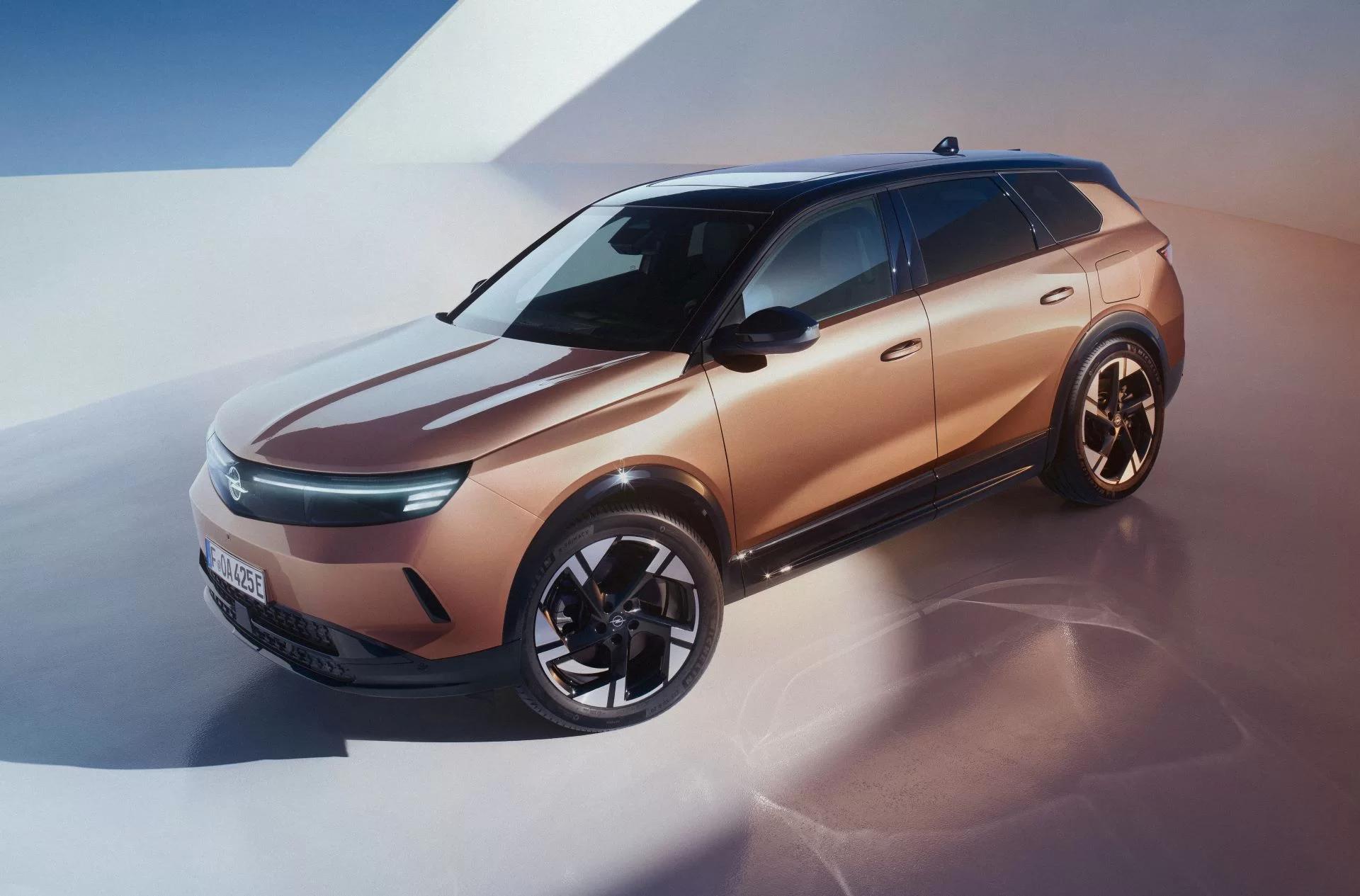
Opel has revealed plans for a completely new all-electric SUV that is expected to play a major role in the brand’s future electrification strategy while also showcasing a new model for global vehicle development within Stellantis.
Announced ahead of Stellantis’ Investor Day 2026, the upcoming C-segment SUV is expected to expand Opel’s growing electric line-up and strengthen its position in one of Europe’s most competitive vehicle categories.
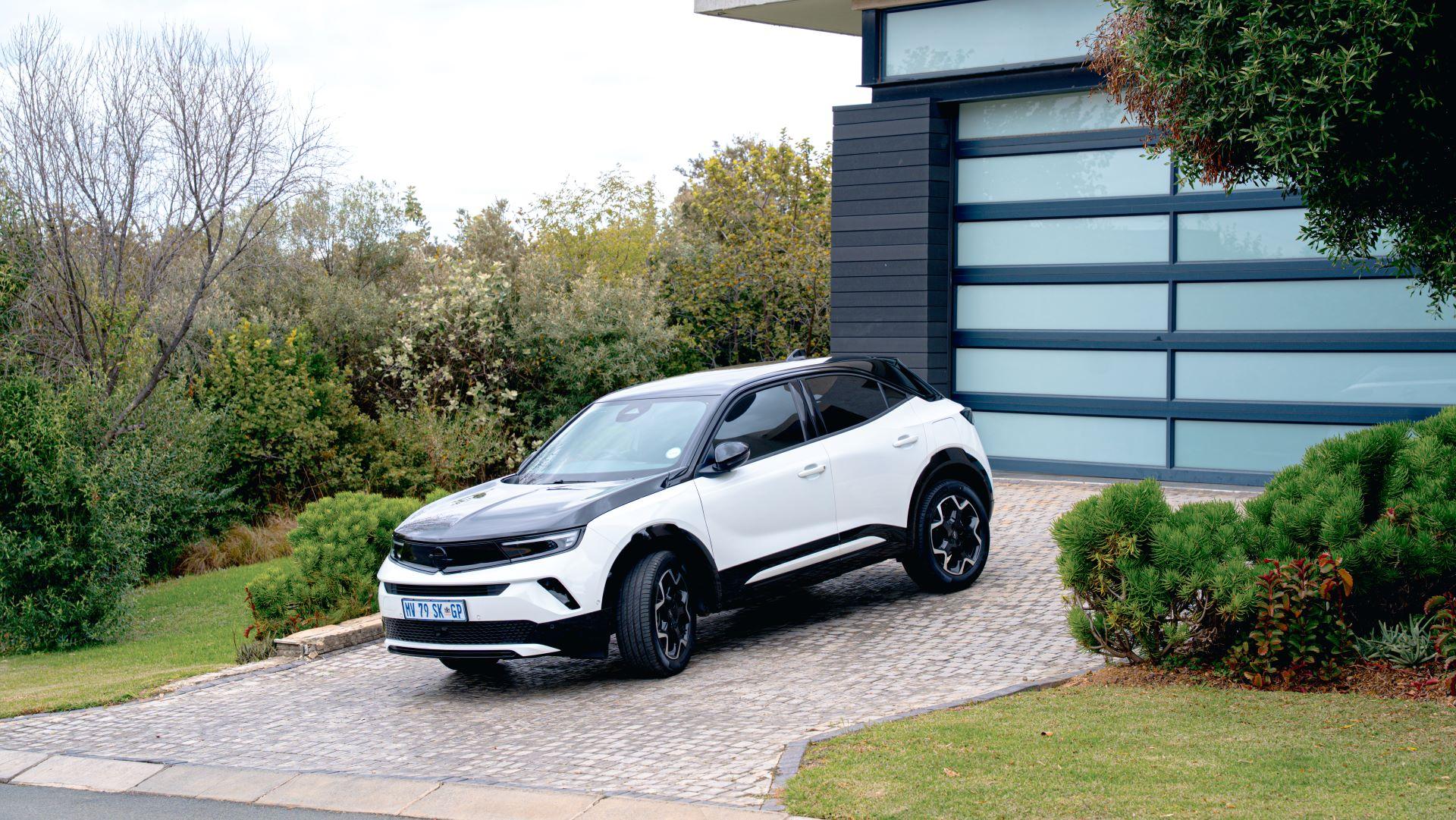
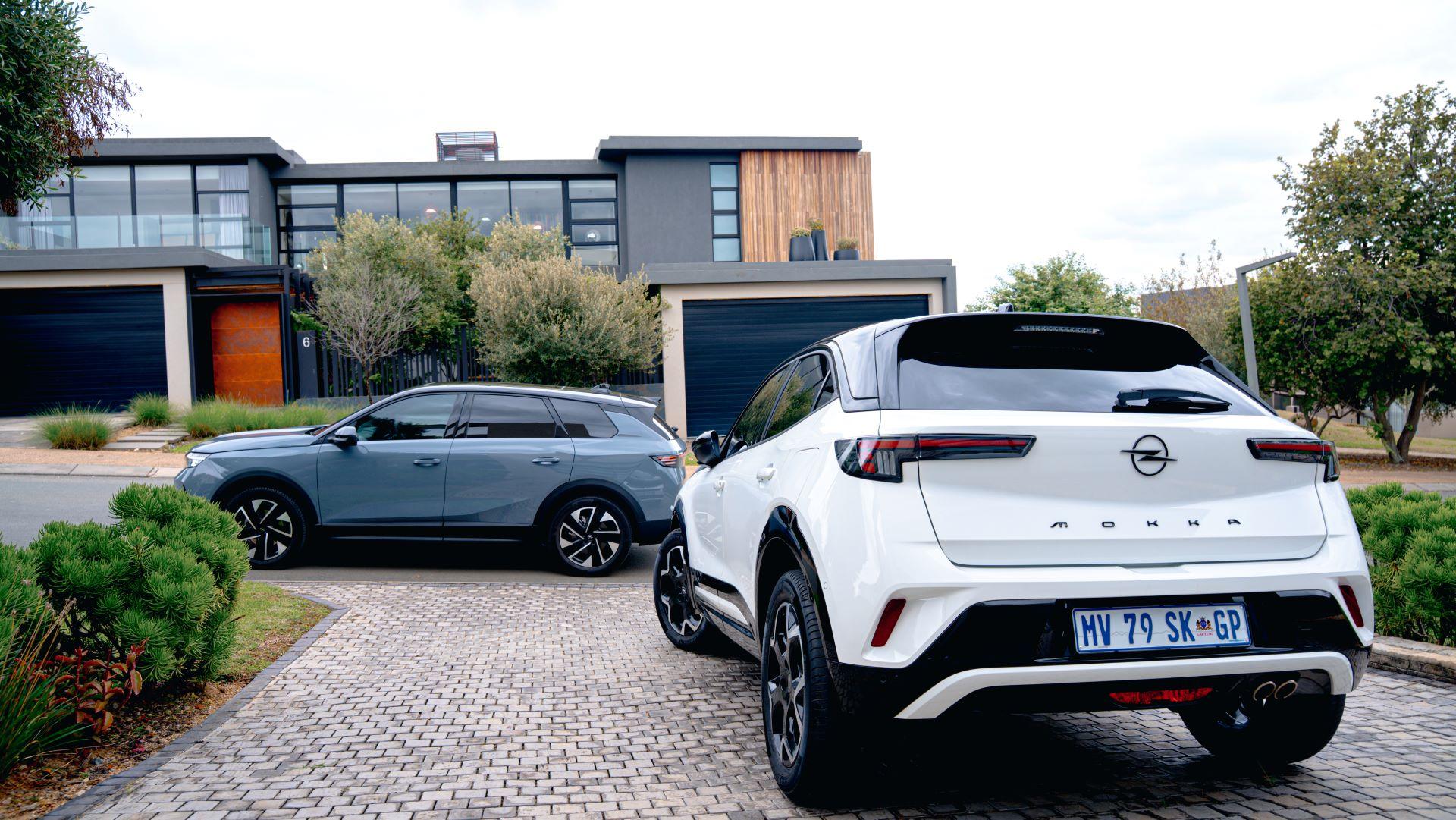
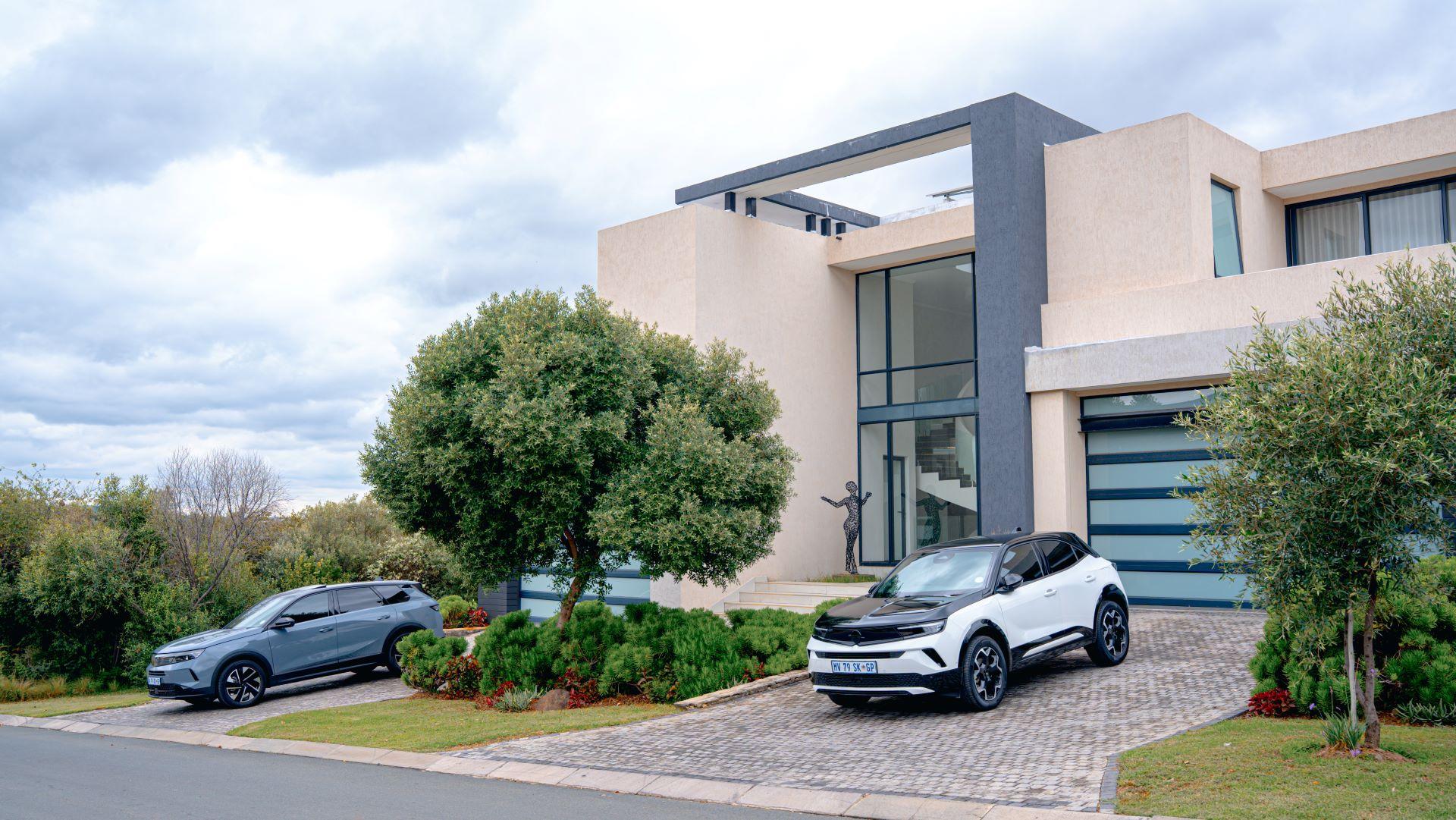
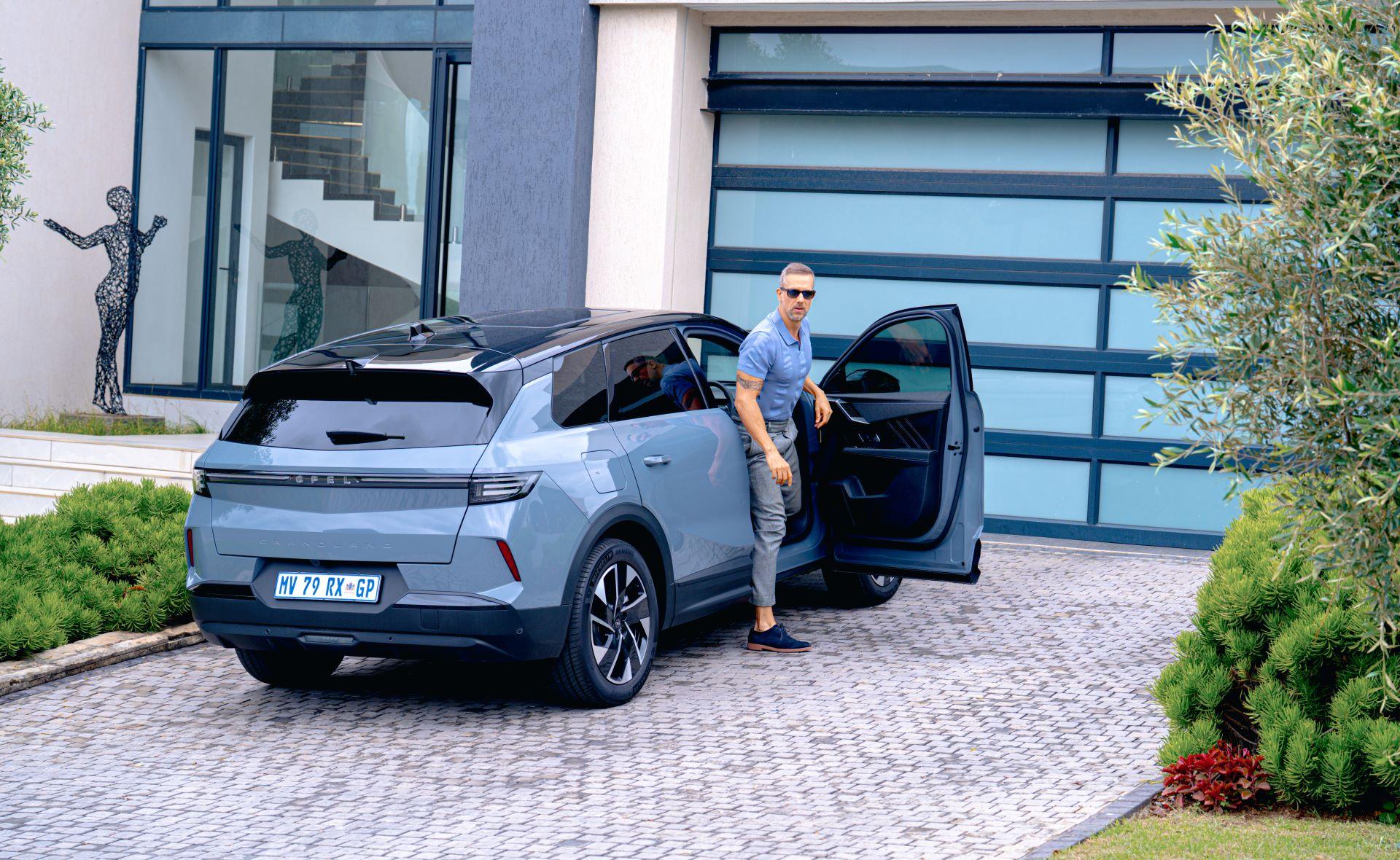
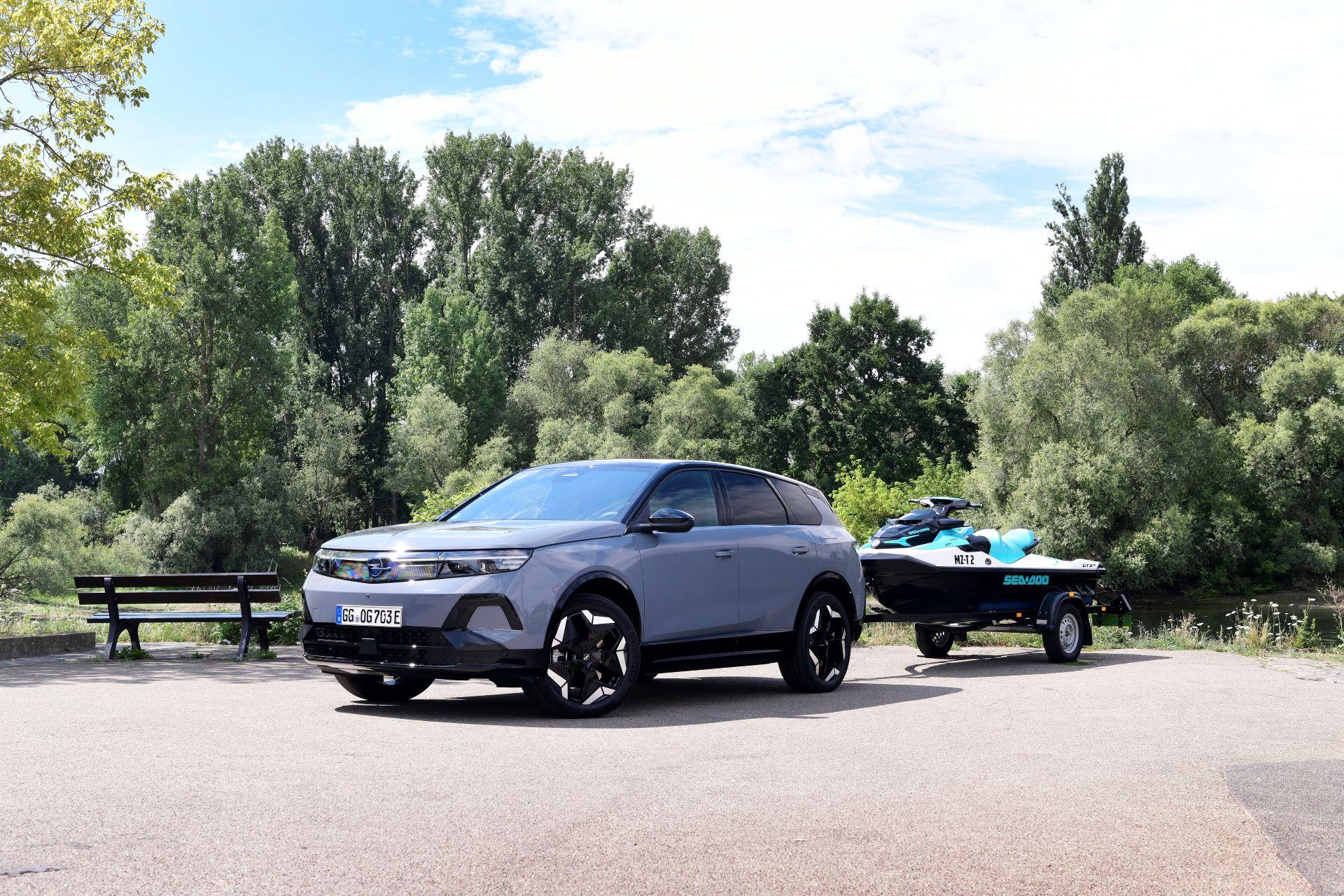
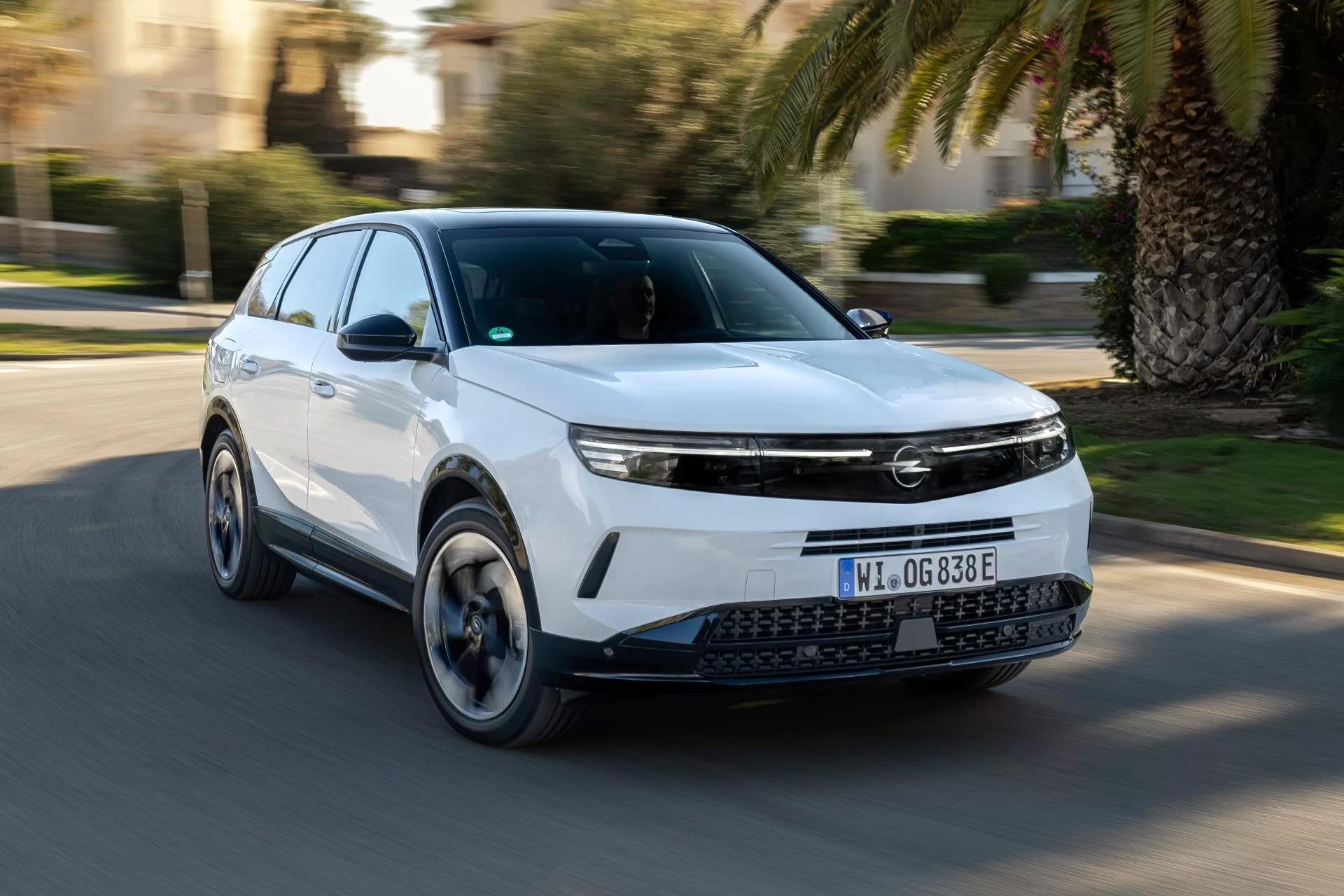
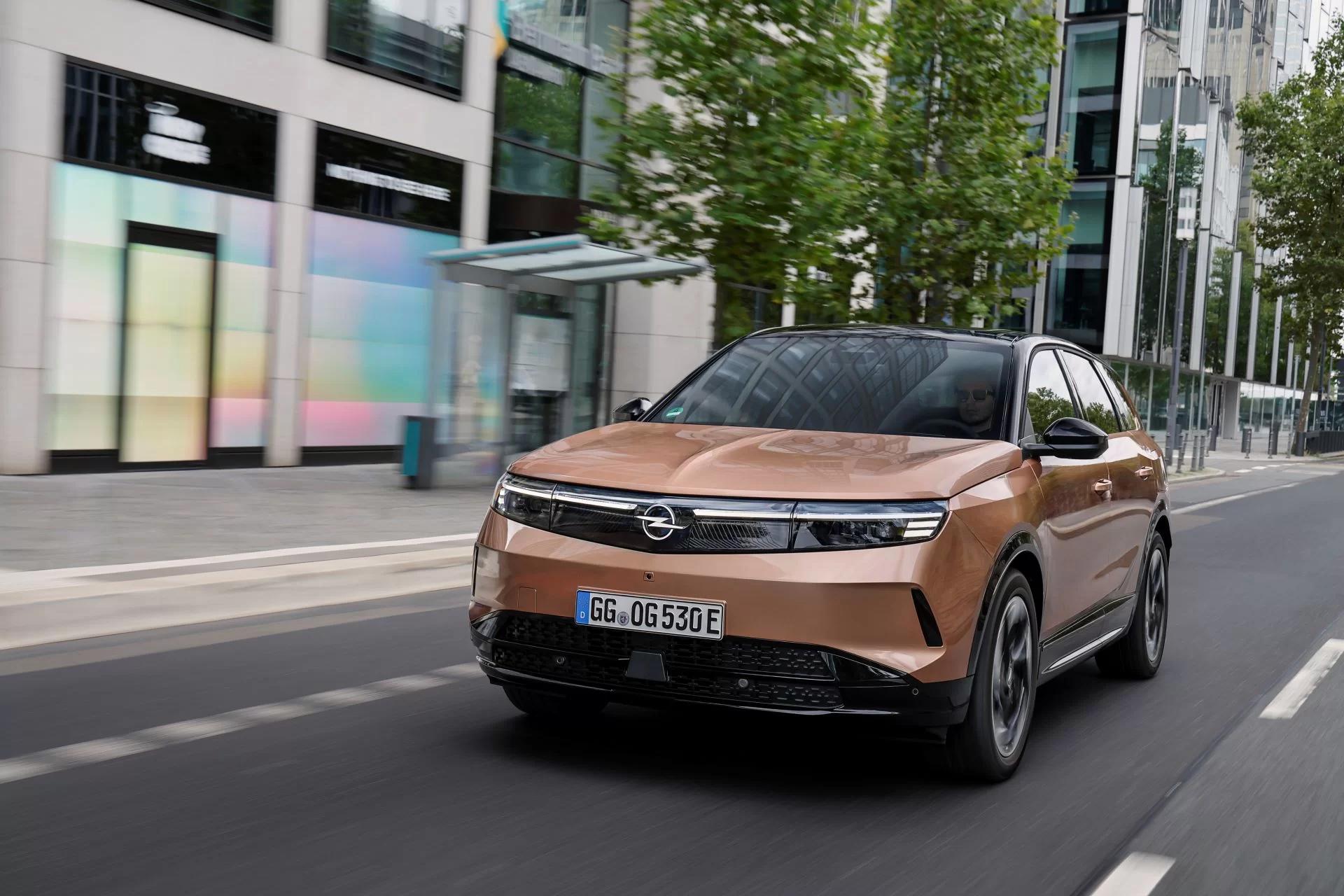
The newcomer is set to join Opel’s existing SUV range alongside the Grandland, Frontera and Mokka, with sales anticipated to begin as early as 2028.
At the centre of the project is a contemplated expansion of the partnership between Stellantis and Chinese EV manufacturer Leapmotor. Opel says the new vehicle is intended to become a blueprint for efficient international collaboration, combining German engineering with advanced electric vehicle technologies developed in China.
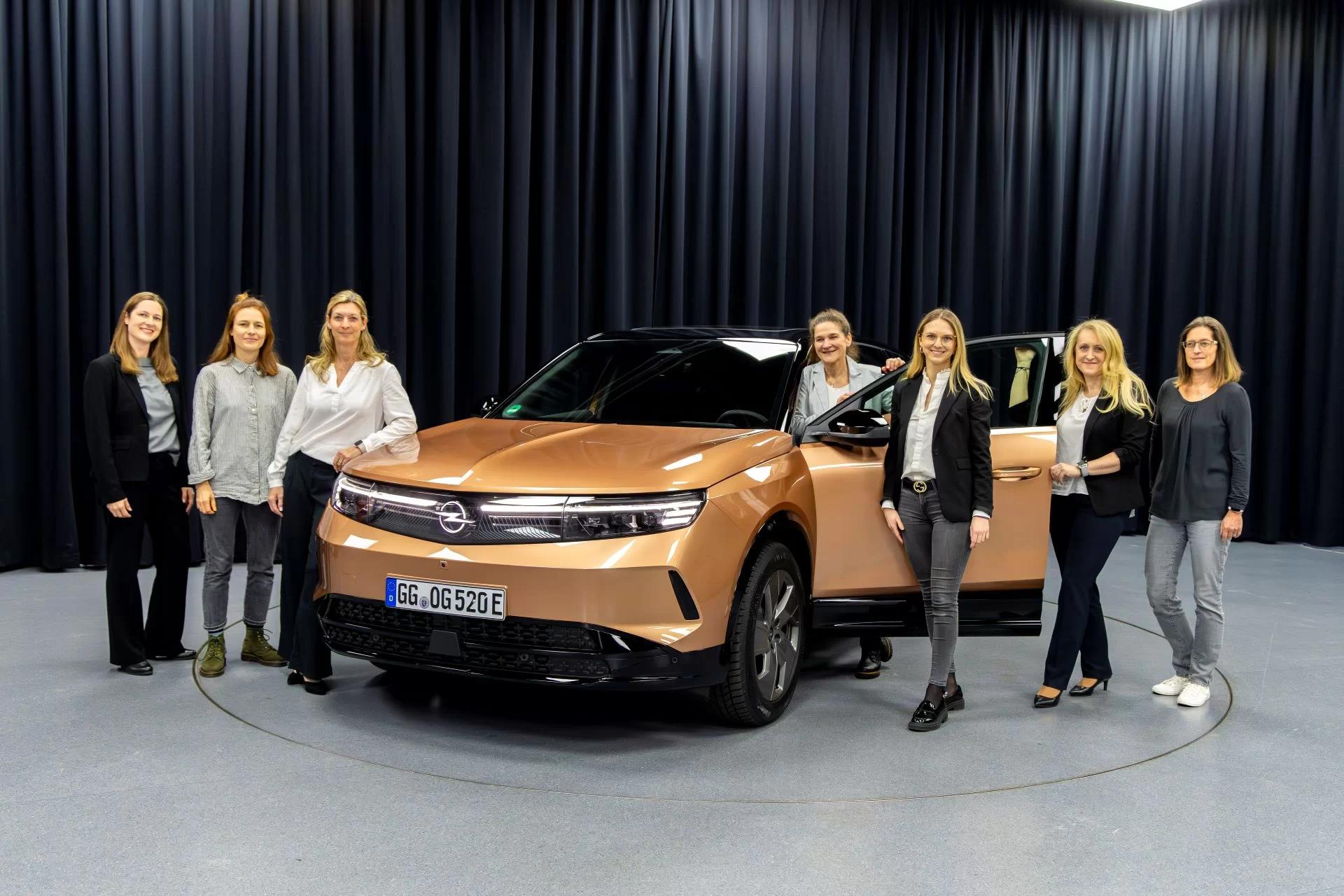
According to Opel, the SUV is being designed and created at the company’s headquarters in Rüsselsheim, Germany, while development work is being carried out by teams based in both Germany and China.
Opel CEO Florian Huettl said the collaboration could dramatically shorten the time needed to bring a new vehicle to market.
“The SUV would be designed and created by us at Opel in Rüsselsheim and developed by international teams located in Germany and China. The partnership with Leapmotor should enable a development time of less than two years,” he said.
That timeline is particularly significant in an industry where entirely new vehicle programmes can often take several years to complete. Opel says the partnership would allow it to accelerate the rollout of accessible electric vehicles while scaling up more efficiently.
The upcoming SUV is expected to make use of Leapmotor’s latest electric vehicle architecture and battery technology. However, Opel says the vehicle would still retain the brand’s own engineering identity, including its signature design language, chassis tuning, onboard experience, seating systems and lighting technologies.
The strategy highlights how global manufacturers are increasingly relying on shared EV platforms and collaborative development structures to reduce costs and shorten development cycles as competition intensifies across the electric vehicle market.
Production of the new SUV is currently being evaluated for Stellantis’ Zaragoza plant in Spain, where the Opel Corsa has been built since 1982. Manufacturing the vehicle alongside the Corsa would allow Opel to leverage Stellantis’ broader European production network while strengthening the Spanish facility’s long-standing role within the group.
Xavier Chéreau, Chairman of Opel’s Supervisory Board and Stellantis Chief Human Resources & Sustainability Officer, described the project as a key moment in the next phase of cooperation between Stellantis and Leapmotor.
“With this project, Opel would bring together German engineering excellence with global technological innovation speed,” he said.
He added that Opel is expected to take on a pioneering role within the broader partnership strategy.
The companies are currently continuing feasibility studies and pre-development activities under existing agreements, while discussions regarding expanded industrial cooperation remain ongoing. Any broader partnership arrangements would still be subject to final agreements and regulatory approvals.
For Opel, the planned C-segment SUV could become more than just another addition to its electric range. It represents a glimpse into how future vehicles may increasingly be developed: faster, globally connected, and built through alliances that stretch across continents like giant metallic spiderwebs humming with batteries, software and corporate ambition.