Mattel’s building ambitions are getting bigger, bolder and decidedly more automotive. With Lamborghini, Aston Martin and Toyota confirmed as the next marques to join the Mattel Brick Shop lineup in 2026, the company is signalling that its premium building sets are no longer a novelty extension of Hot Wheels, but a serious platform for automotive storytelling aimed squarely at adult enthusiasts.
Announced at the Nuremberg International Toy Fair, the new collaborations expand an already impressive roster that includes Audi, Mercedes-Benz, Chevrolet, Honda and Maserati. What makes this expansion notable is not just the calibre of the brands involved, but the range they represent. From Italian supercar theatre to British grand touring elegance and Japanese engineering credibility, Mattel Brick Shop is assembling a garage that mirrors the diversity of real-world automotive passion.
At its core, Mattel Brick Shop is designed to sit at the intersection of collectability, craftsmanship and car culture. These are not traditional play-focused building sets. They are deliberately elevated, engineered for adult builders who care about proportion, material authenticity and the tactile pleasure of assembling something that feels substantial. The inclusion of real metal parts, licensed decals and modular customisation options moves the experience closer to scale modelling, without the fragility or intimidation that often accompanies that hobby.
The arrival of Lamborghini feels almost inevitable. Few brands translate visual drama into miniature form as effectively as the Sant’Agata marque. Sharp angles, exaggerated proportions and unmistakable silhouettes lend themselves naturally to buildable interpretations. Within the Mattel Brick Shop framework, Lamborghini’s design language offers fertile ground for customisation, allowing builders to lean into factory-correct finishes or explore more expressive, personalised configurations. The promise is not simply a static replica, but a platform that captures the emotional excess that defines the brand.
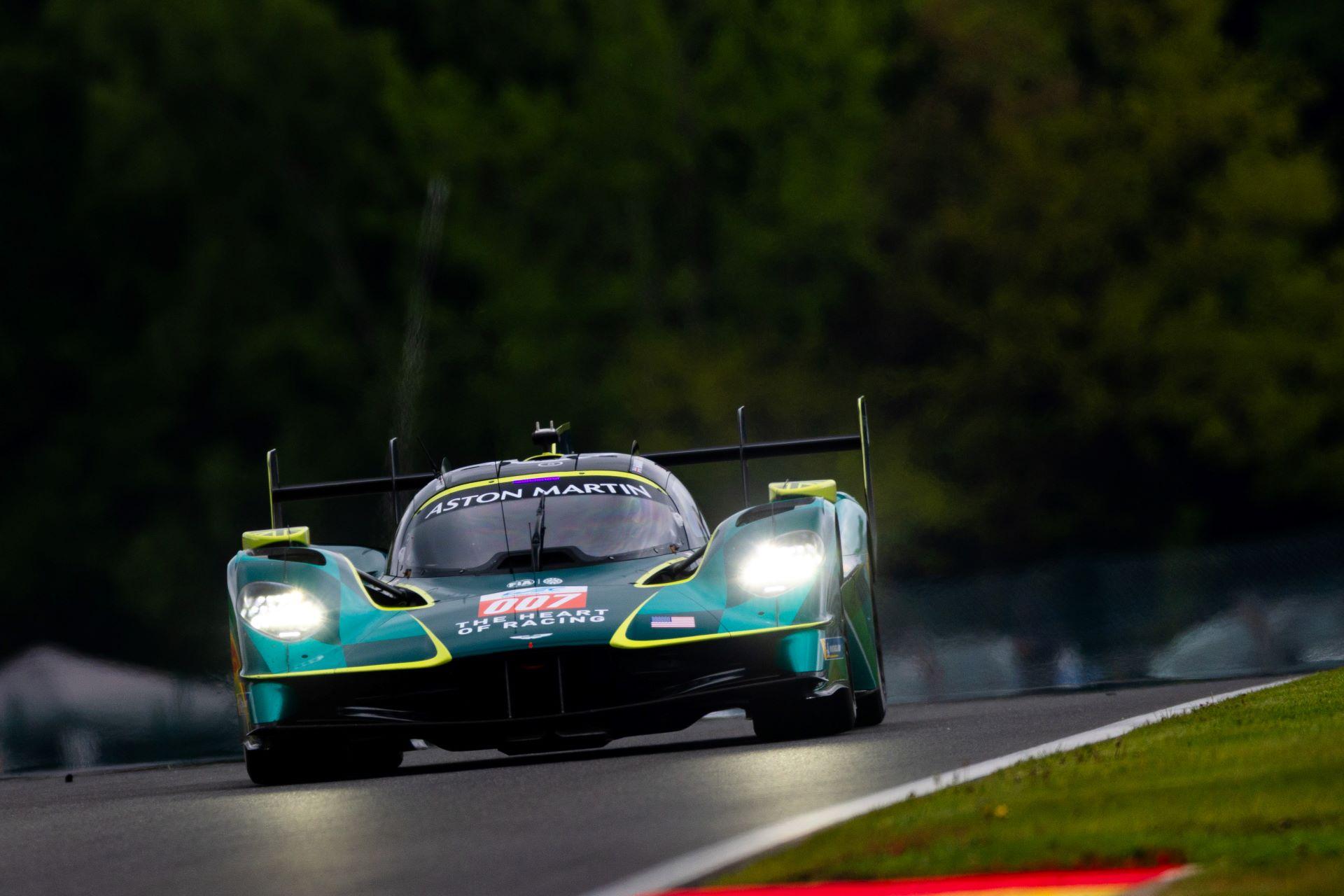
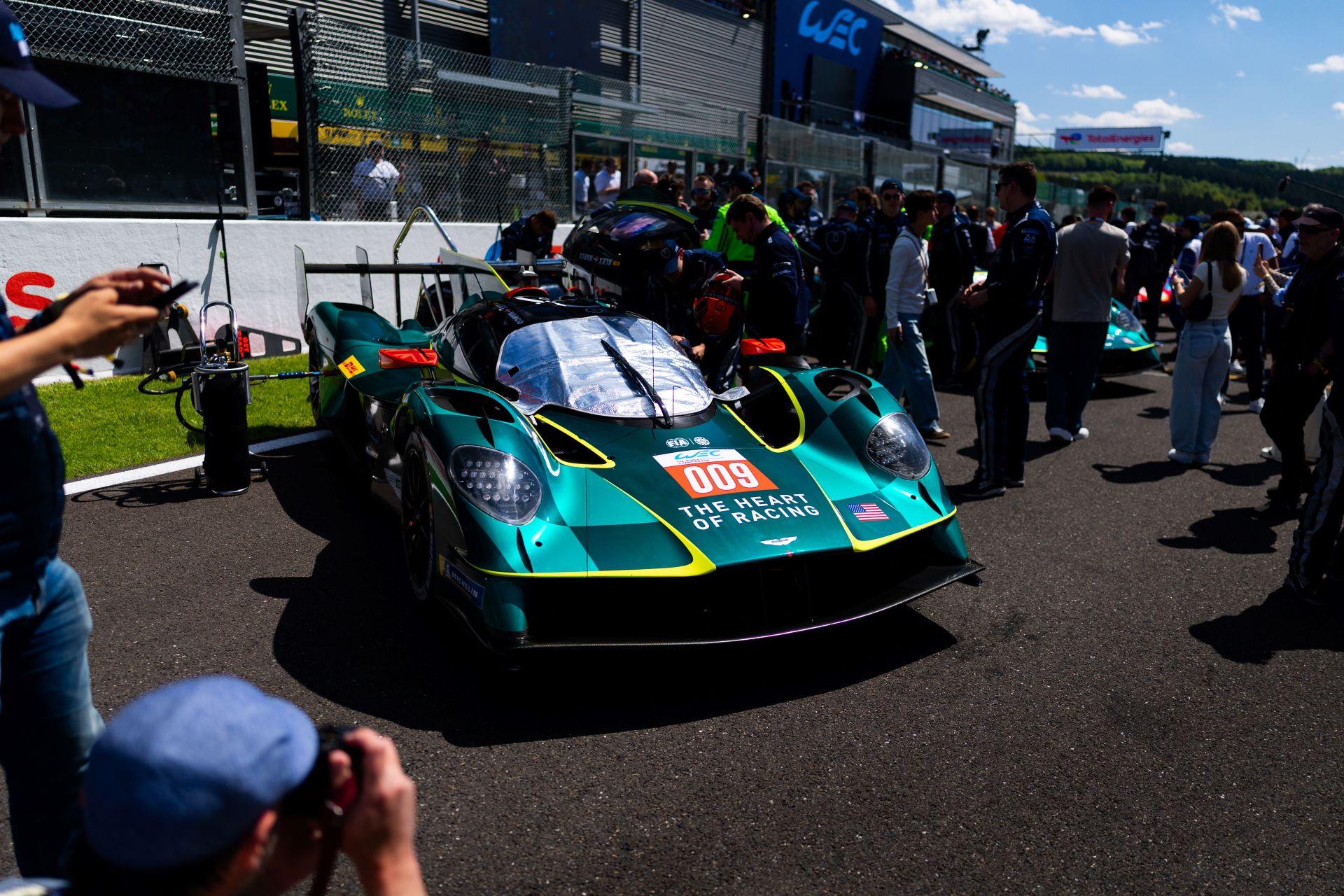
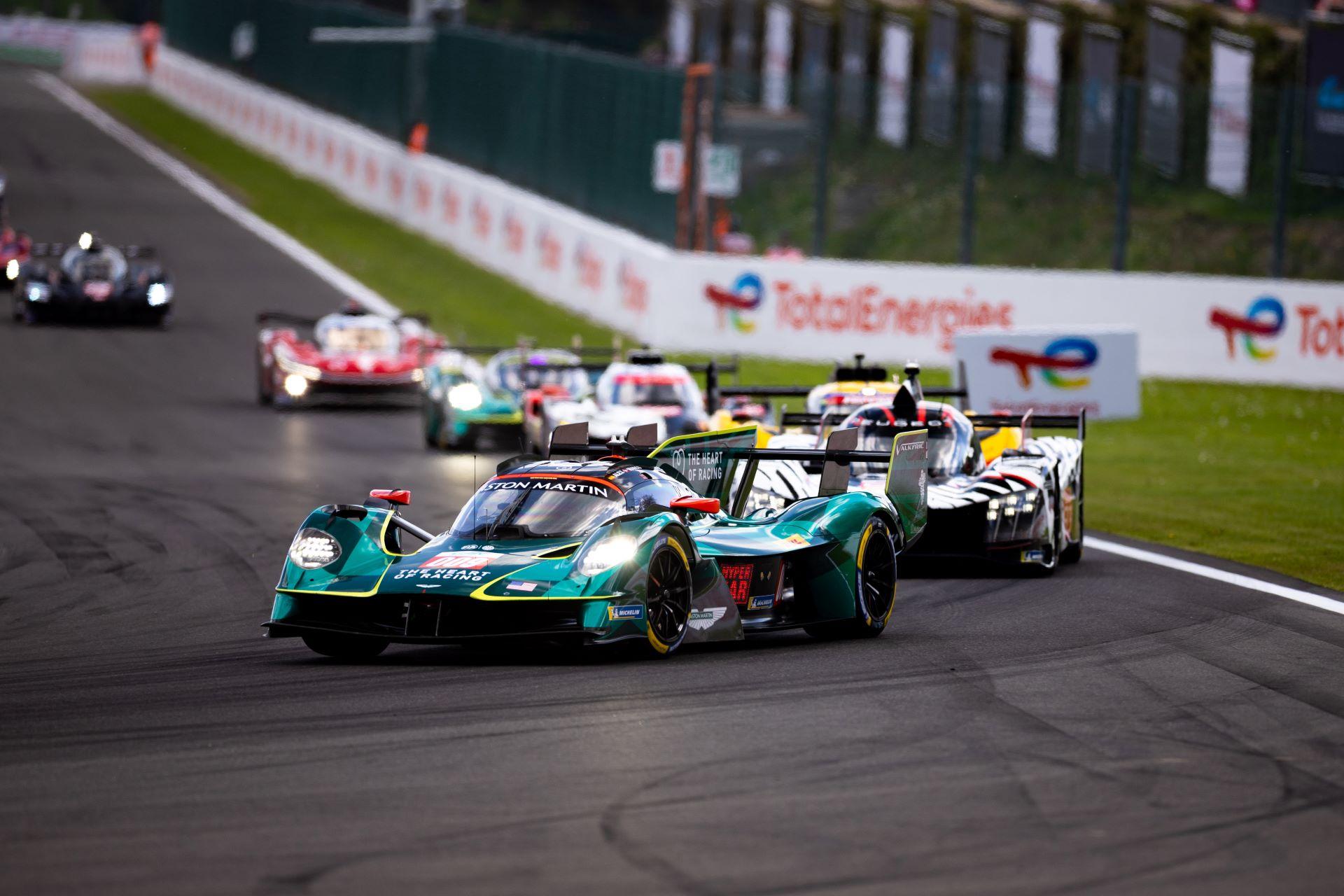
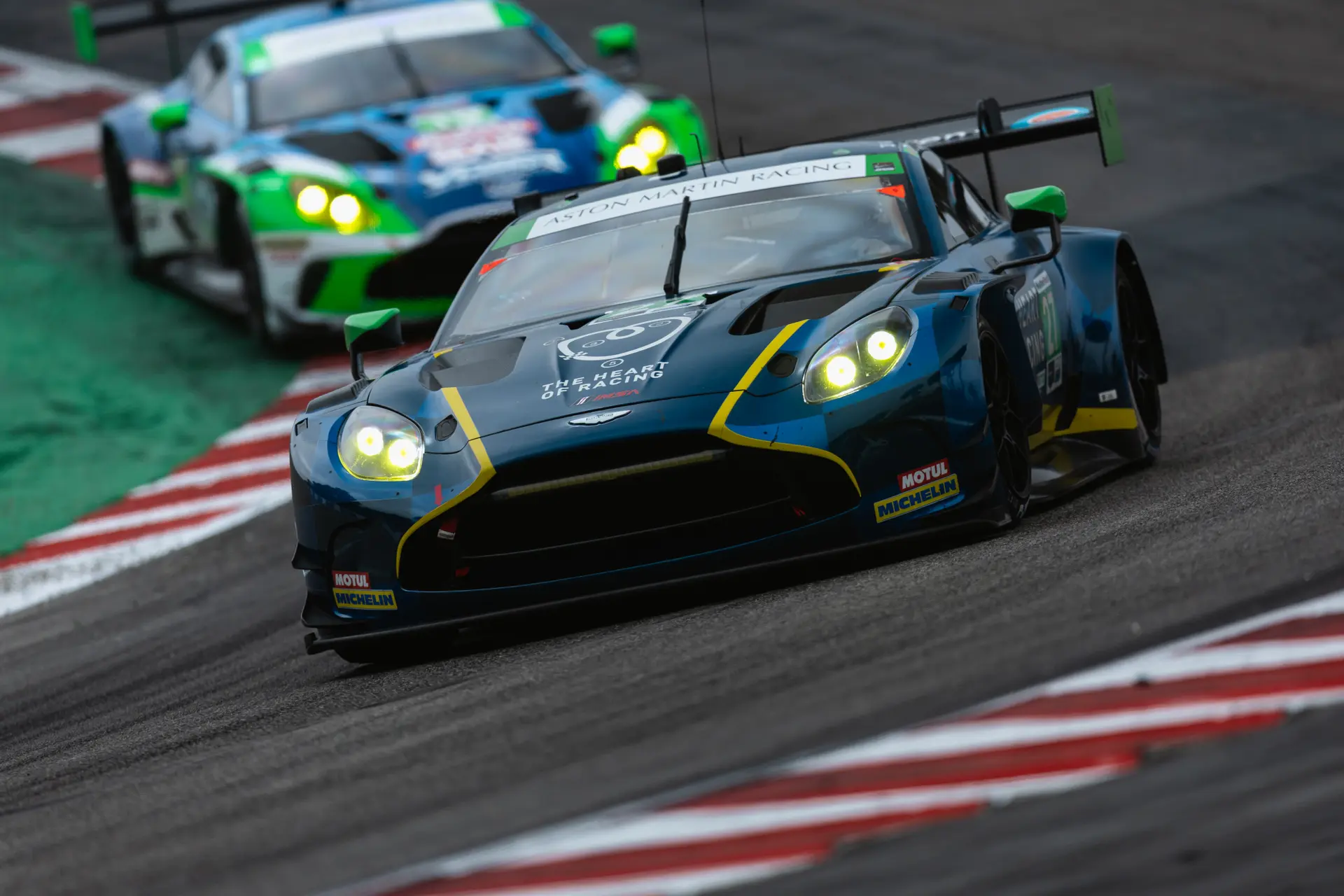
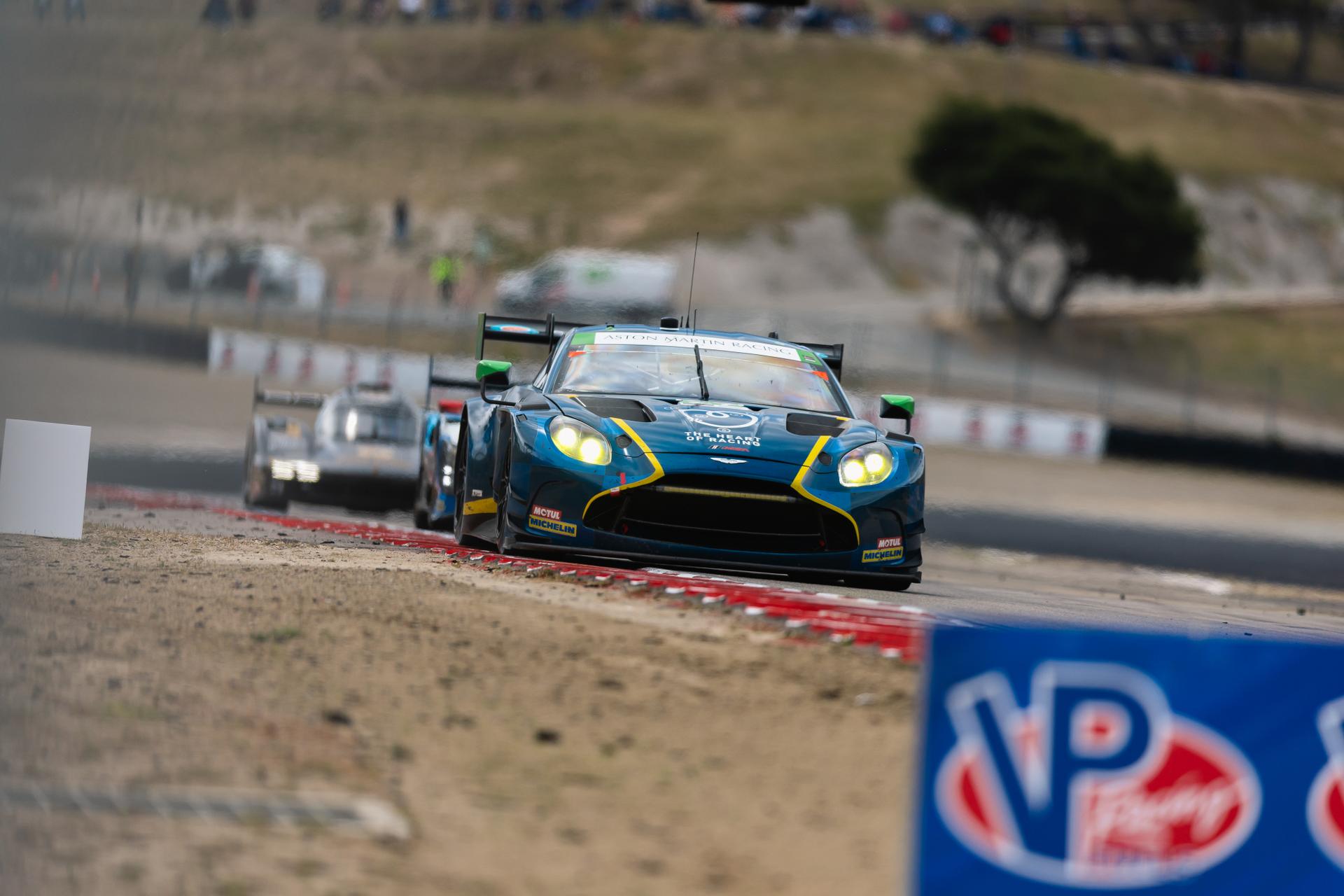
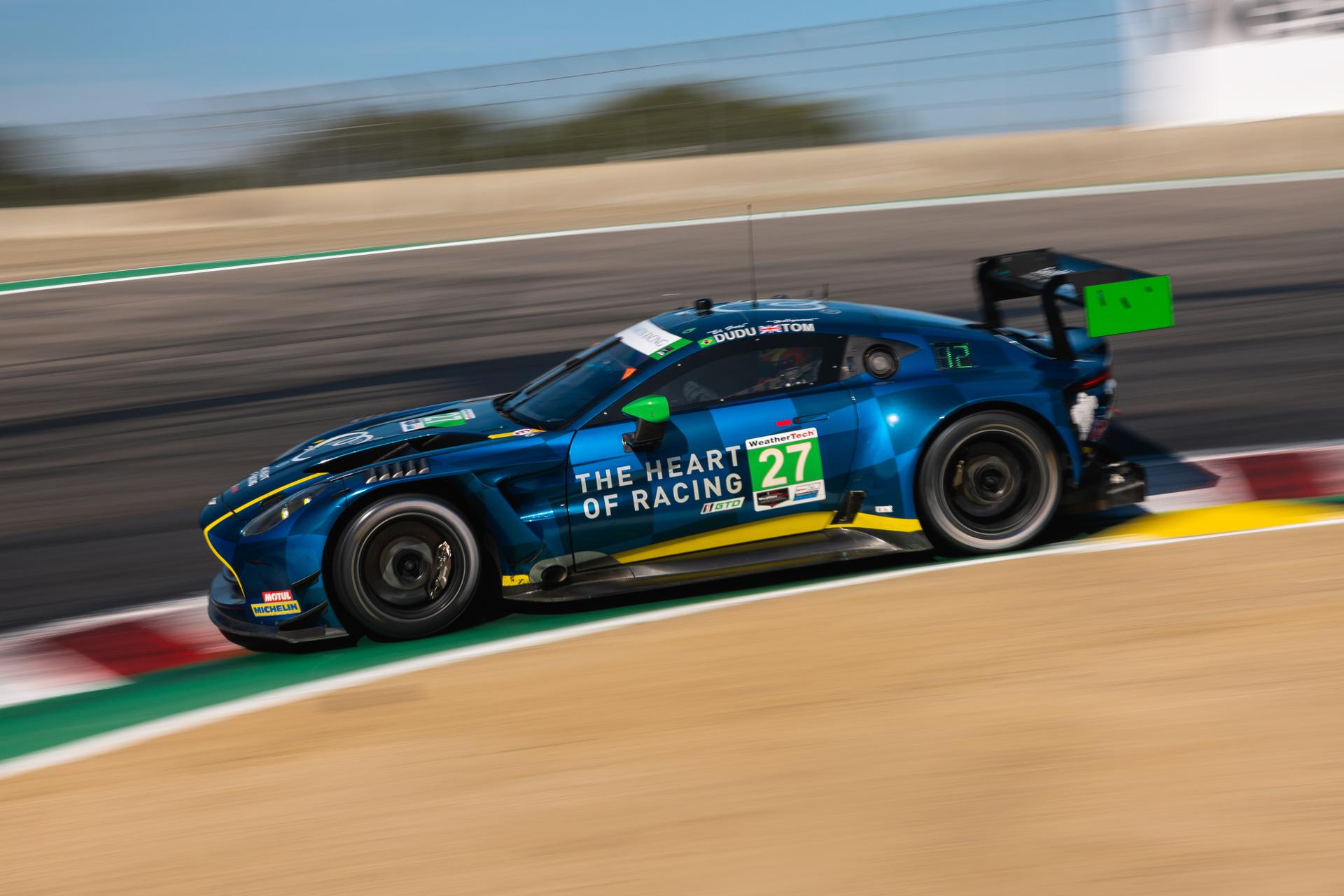
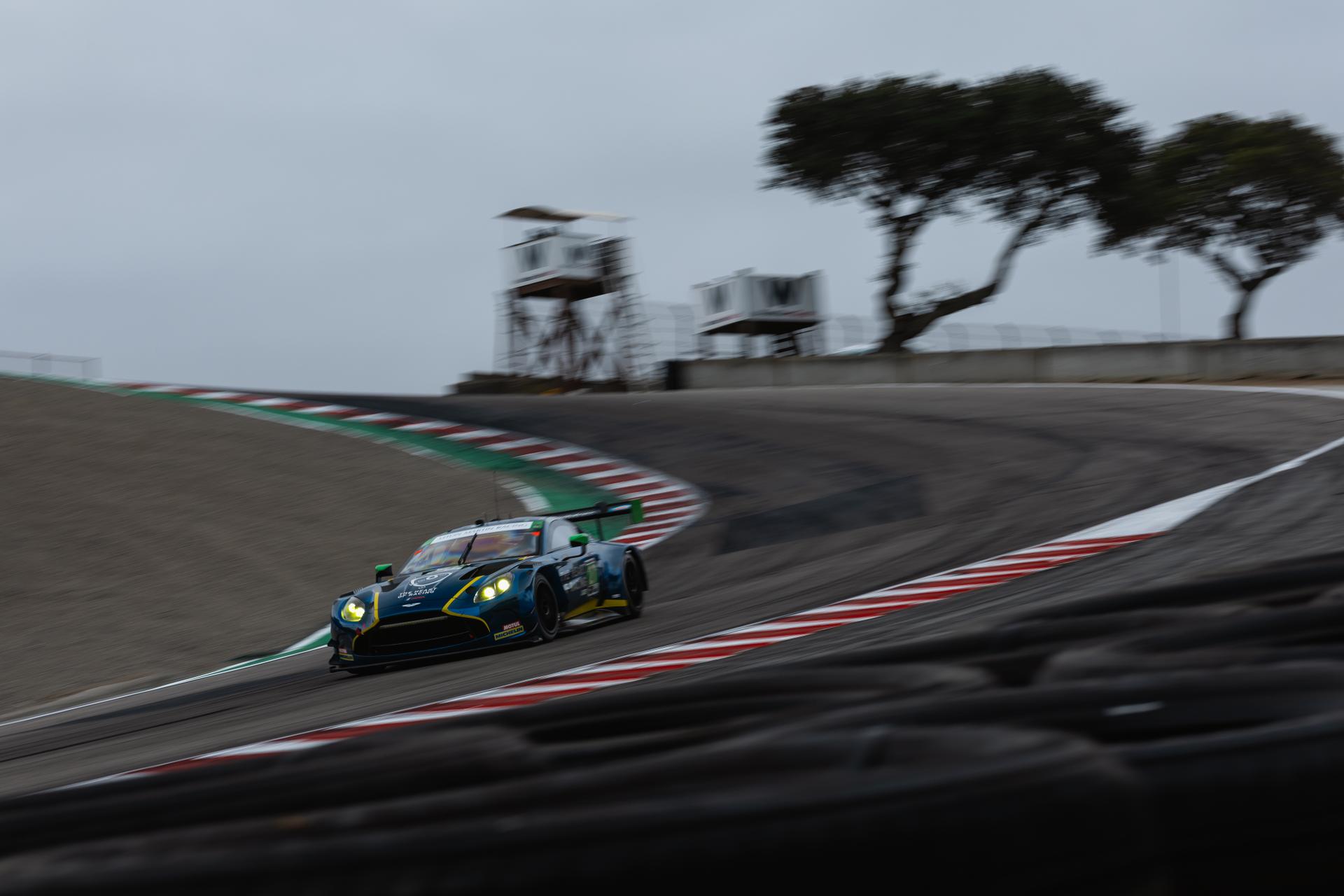
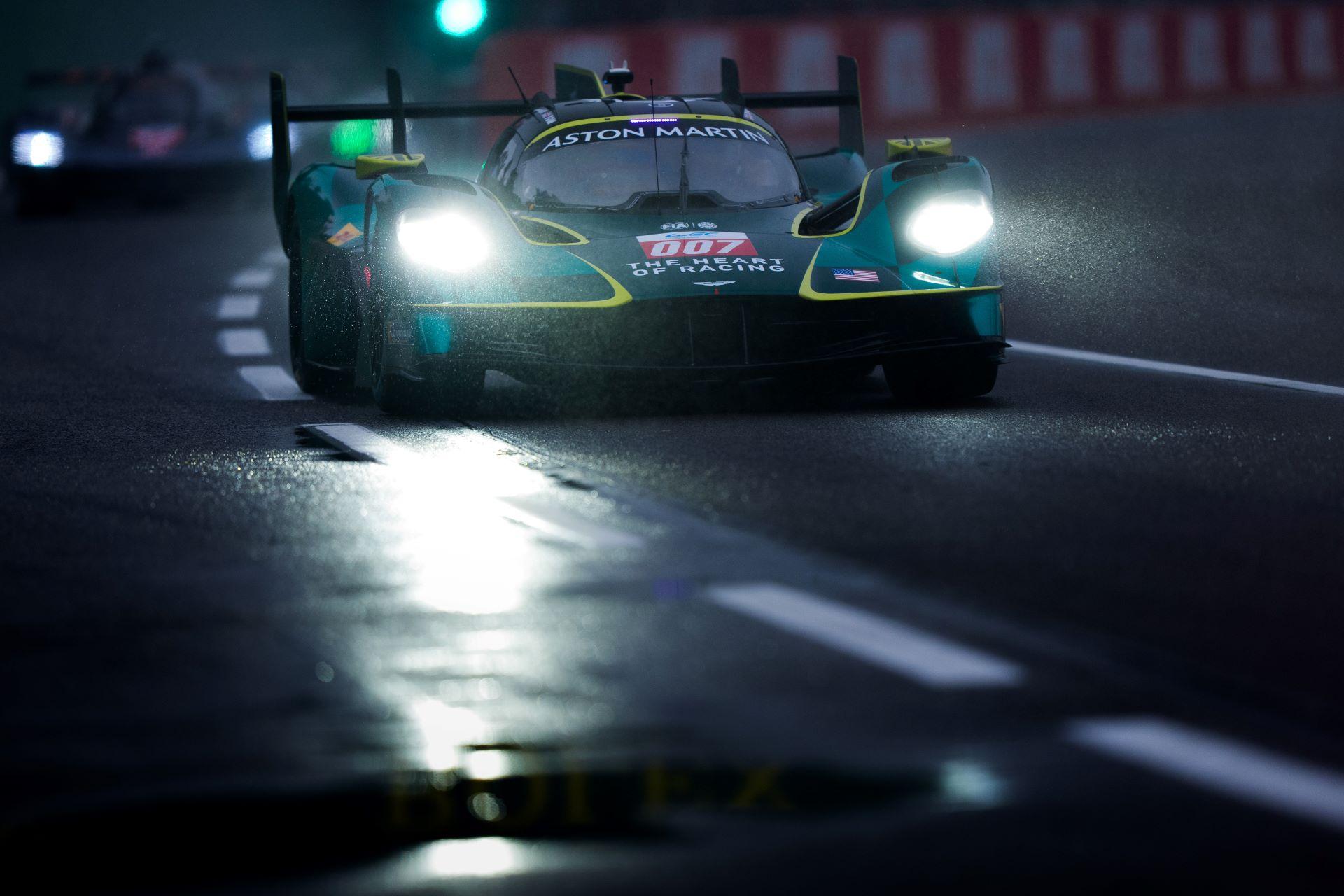
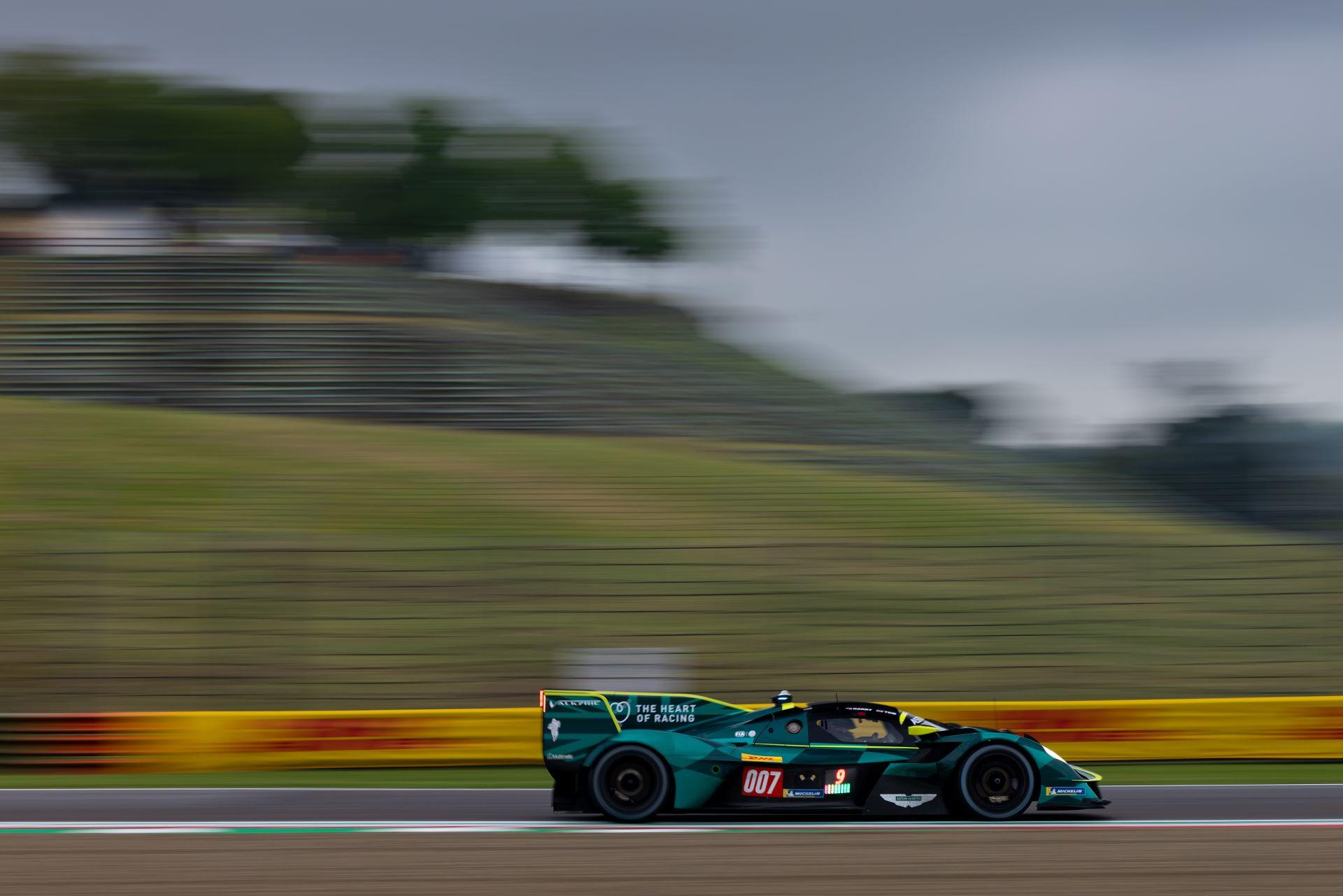
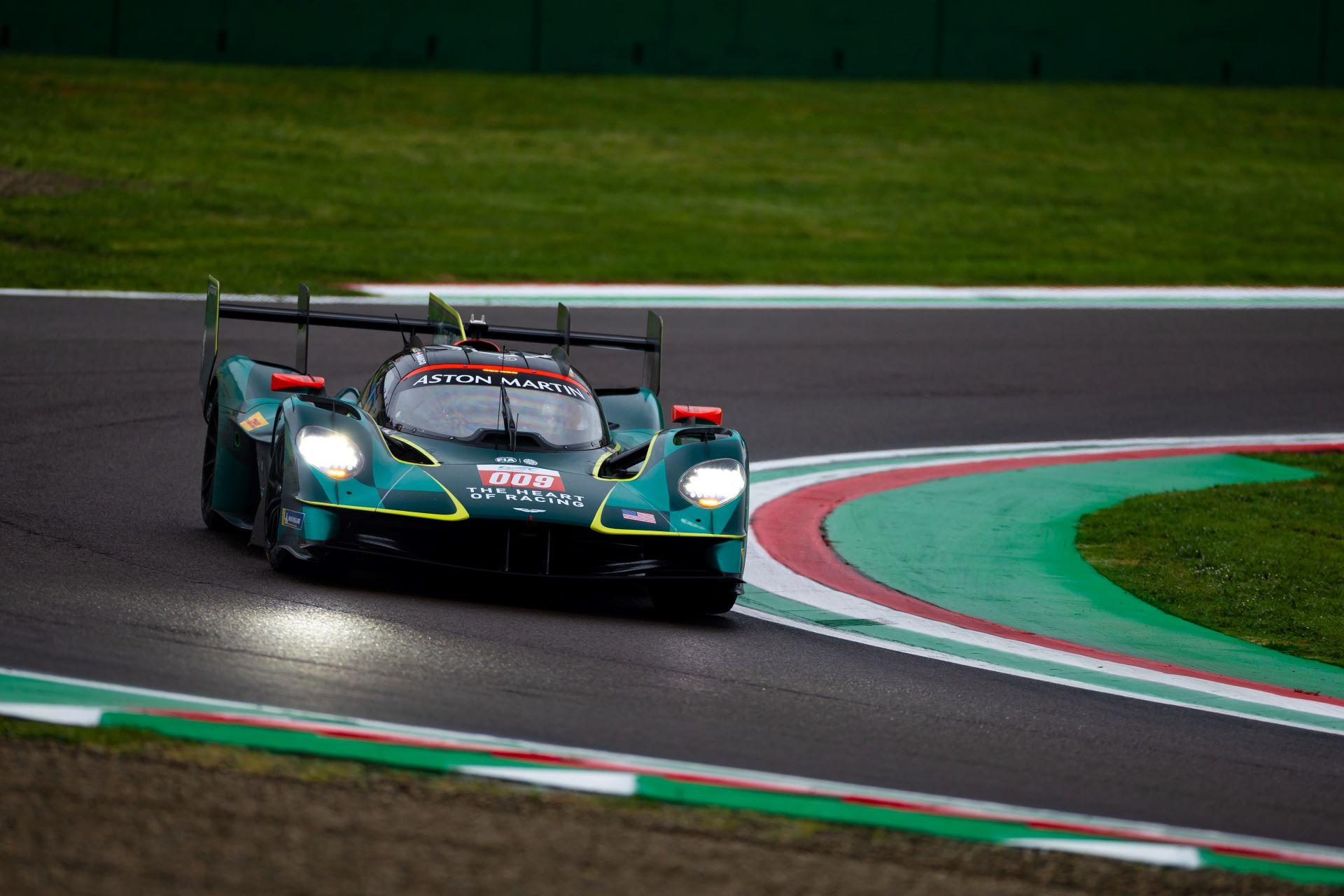
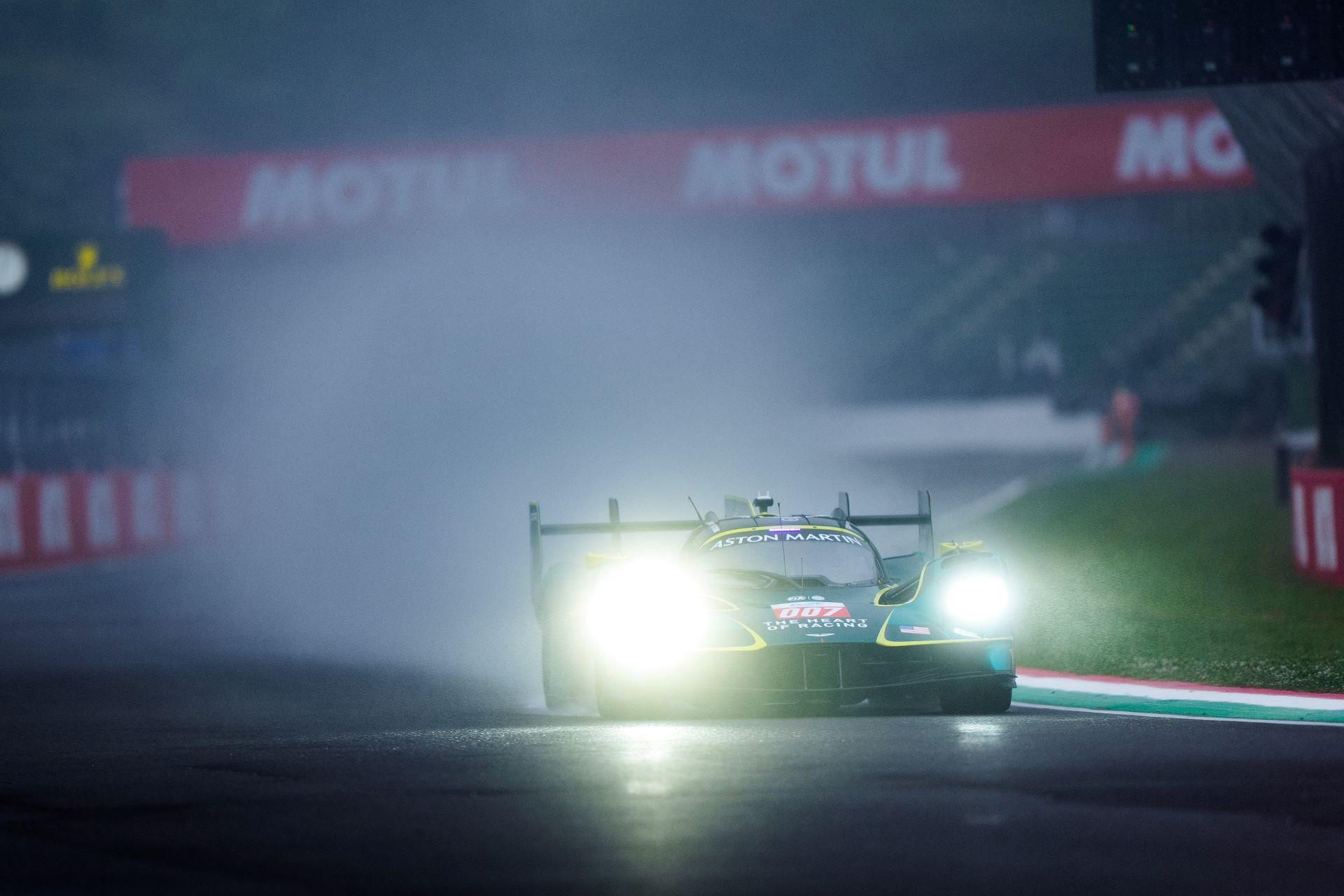
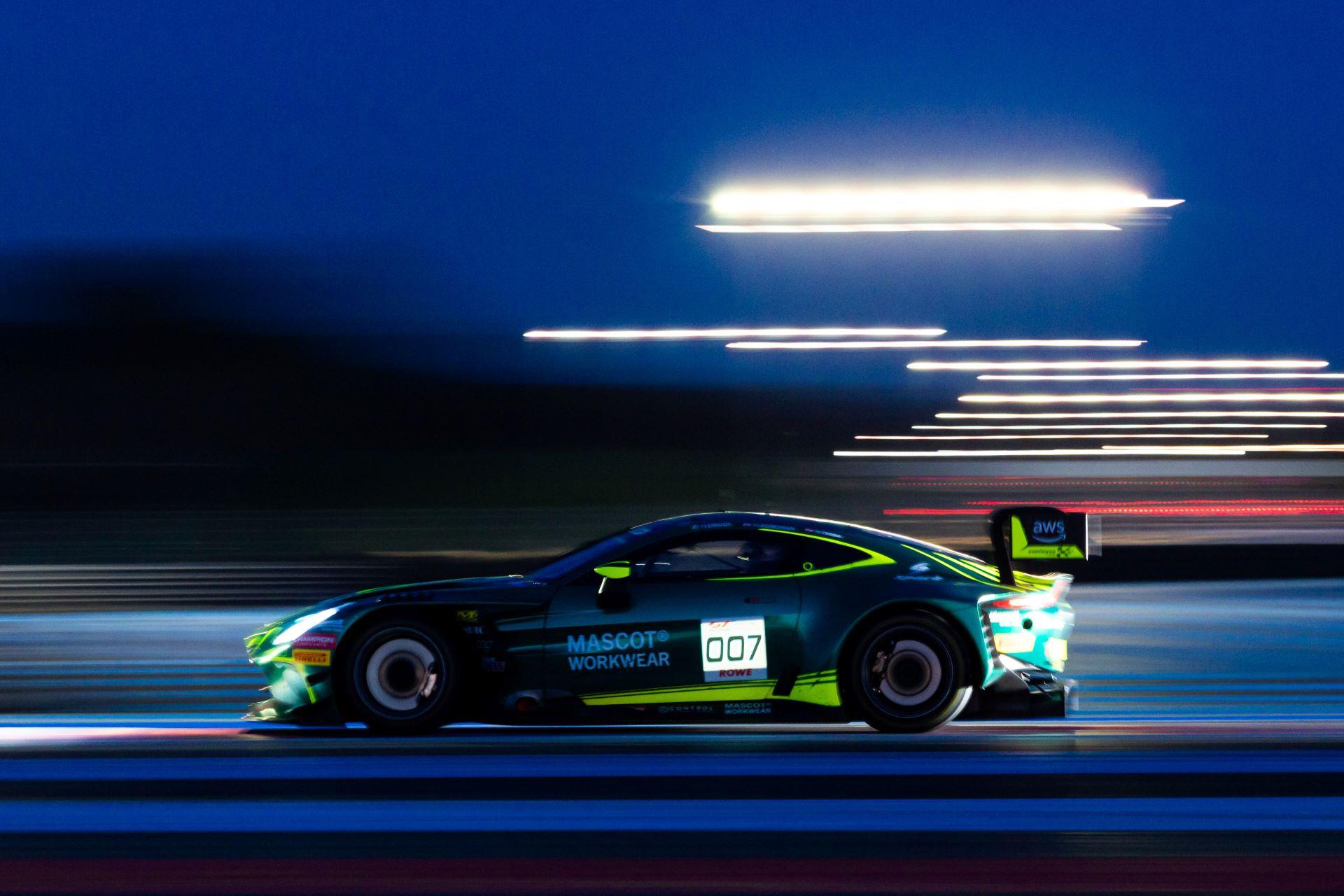
Aston Martin brings a very different energy to the lineup. Where Lamborghini thrives on spectacle, Aston Martin’s appeal lies in restraint, surface quality and heritage-driven detail. Translating that into a buildable format demands precision and respect for subtlety. For Mattel Brick Shop, this partnership reinforces its ambition to tackle more nuanced automotive identities, where the success of the final build depends less on visual shock and more on proportion, stance and material choice. It also taps into a long lineage of Aston Martin as both a design icon and a cultural symbol, appealing to collectors who value narrative as much as horsepower.

Toyota’s inclusion may be the most strategically interesting of the three. As one of the world’s largest and most diverse automakers, Toyota represents everything from accessible mobility to motorsport pedigree and enthusiast legends. While specific models have yet to be revealed, the partnership opens the door to interpretations that resonate with a broad global audience. It also acknowledges the deep emotional connection many fans have with Japanese automotive culture, where tuning, modification and personal expression are central themes. Within the Mattel Brick Shop ecosystem, Toyota offers perhaps the widest canvas for customisable storytelling.
According to Ted Wu, Global Head of Vehicles and Building Sets at Mattel, the brand was created to give adult collectors and automotive fans a more immersive way to engage with the vehicles they admire. The expansion to include Lamborghini, Aston Martin and Toyota reflects a deliberate effort to broaden the emotional and cultural reach of the lineup, while maintaining a consistent focus on quality and authenticity. Each collaboration is developed to reflect the automaker’s heritage and design DNA, rather than forcing a one-size-fits-all approach.
This philosophy is central to Mattel Brick Shop’s positioning. Launched in 2025, the brand sits above traditional construction toys, both in price point and intent. The emphasis on accuracy, premium materials and build techniques speaks to a consumer who sees value in the process as much as the finished product. Customisation is not an afterthought, but a defining feature, allowing builders to transform licensed production vehicles into personalised display pieces that feel genuinely unique.
From a retail perspective, the global availability of the sets through partners such as Amazon, Smyths, The Entertainer and Mattel Creations ensures accessibility without diluting exclusivity. The staggered rollout throughout 2026, with model details to be revealed later, creates a sense of anticipation that mirrors how real automotive brands manage product reveals. It also gives Mattel room to tell each story properly, rather than overwhelming collectors with a single, crowded launch moment.
What this expansion ultimately underscores is how deeply automotive culture has embedded itself into adult lifestyle collecting. Mattel Brick Shop is not competing with children’s toys so much as with display models, memorabilia and even digital hobbies. By offering a hands-on, tactile experience that rewards patience and creativity, it positions itself as a bridge between nostalgia and modern fandom.
As Lamborghini, Aston Martin and Toyota prepare to enter the Brick Shop garage, the message is clear. This is no longer just about building cars. It is about building relationships with brands, histories and identities that have shaped how people fall in love with automobiles in the first place.