Seven football pitches’ worth of equipment redeployed as luxury carmaker drives circular innovation at scale
Pretoria, South Africa – 29 April 2025 – In a bold stride towards its vision of modern sustainable luxury, JLR has revealed that it has unlocked more than £100 million in value through a far-reaching asset reuse and refurbishment programme, a pivotal initiative in its industrial transformation for electrification.
As part of the company’s Reimagine strategy, which outlines a full transition to electric models across all brands by 2030 and a commitment to net-zero carbon emissions by 2039, JLR is significantly reducing waste by repurposing, redeploying and recycling tens of thousands of tools and production assets across its operations.
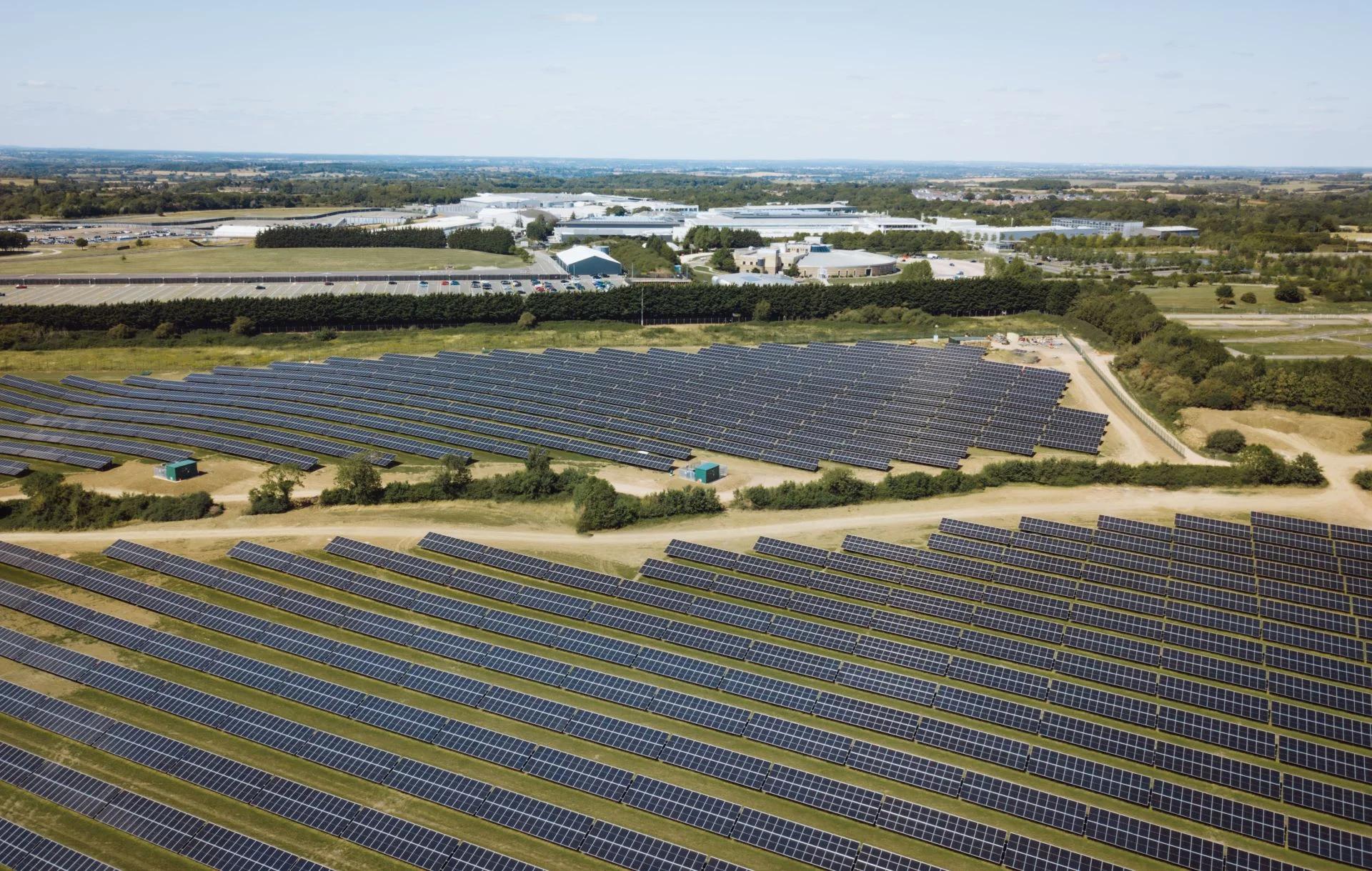
This reuse strategy, which spans UK and European production sites, has already seen over 50,000 square meters of equipment – the equivalent of seven football pitches – successfully reallocated. These assets range from heavy-duty production line components to basic hand tools, all recovered from sites such as Castle Bromwich, the Electric Propulsion Manufacturing Centre (EPMC) in Wolverhampton, and the Graz facility in Austria.
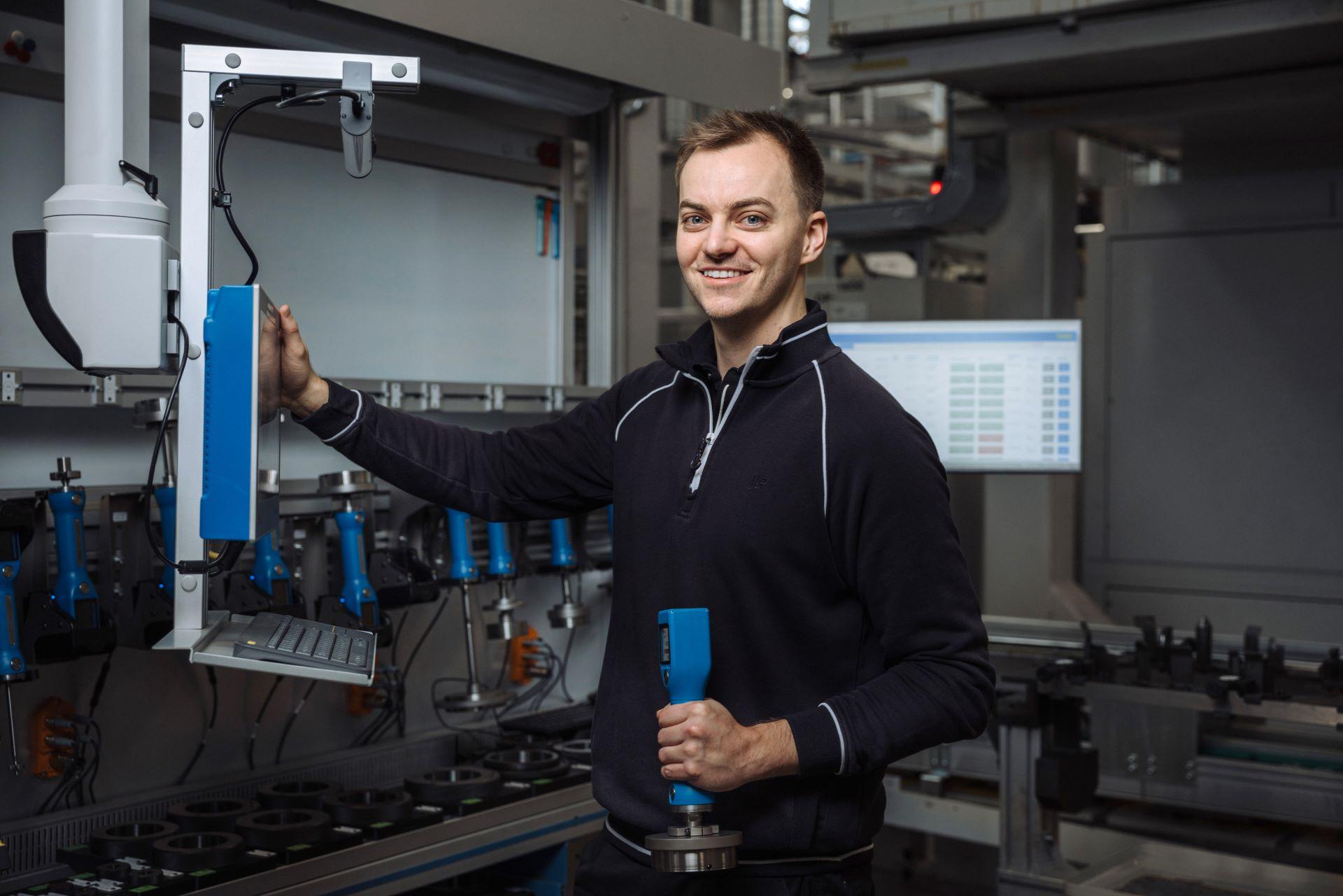
Instead of procuring new equipment, JLR has systematically assessed items for reuse based on compliance, refurbishment cost, spare part availability, and scrap value. Tools and machinery have been redeployed to key sites including Solihull, Halewood, and Nitra in Slovakia, where hundreds of second-life robots are now supporting the production of JLR’s next-generation electric vehicles and battery systems.
A Model of Circular Efficiency
In addition to physical redeployment, the company has also recycled 18,600 tonnes of scrap metal, which has contributed to a CO₂e saving of 1,258kg per tonne compared to newly generated steel – a testament to JLR’s commitment to responsible material stewardship.
According to Andrea Debbane, Chief Sustainability Officer at JLR, “As we are entering a critical phase in our electrification journey, JLR has at heart and aims to act as a responsible user of resources by enhancing product utility and longevity, and maximising recycling and repurposing. It’s not only the right thing to do, but it also improves profitability and increases supply chain resilience.”
The initiative goes beyond sustainability—it’s also a strategic lever for cost savings and operational agility. JLR’s circularity programme has been spearheaded by a cross-functional team spanning Industrial Operations, Vehicle Programmes and Engineering, underscoring the depth of commitment across the business.
Digital Innovation Driving Real-World Impact
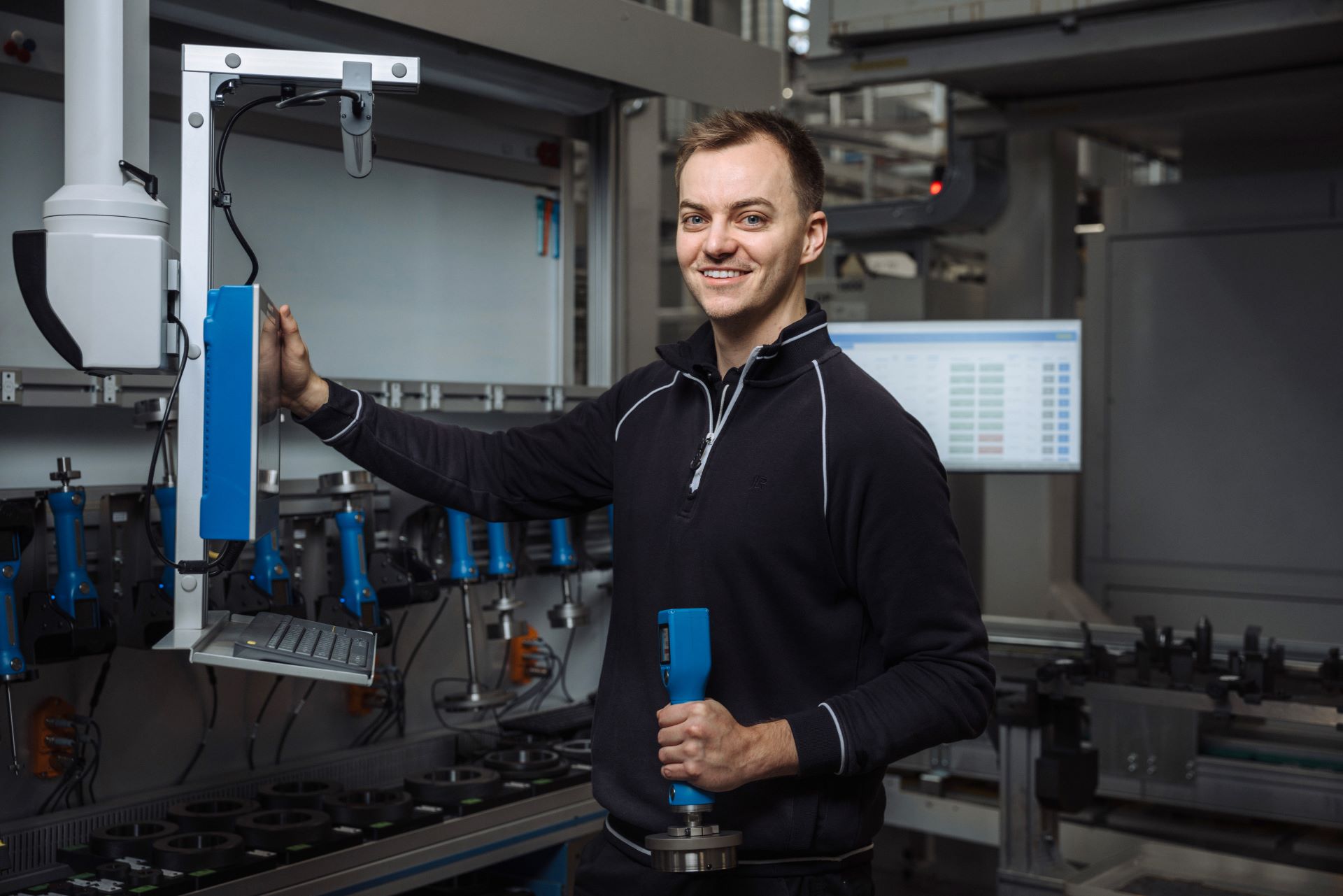
To scale the initiative further, JLR has launched a proprietary digital asset management system that tracks every production asset across its lifecycle—from acquisition to reuse, resale, or recycling. This in-house solution includes an internal asset marketplace, giving teams access to a centralised catalogue of available tools and equipment for upcoming vehicle programmes.
Notably, the initiative has also catalysed workforce development, with teams gaining valuable technical knowledge in tool refurbishment, calibration, and safety procedures. These enhanced capabilities are enabling facilities to bring equipment back up to production standards in-house, reducing downtime and outsourcing costs.
Driving the Future of Sustainable Luxury
This reuse-first approach is emblematic of JLR’s broader ambition to be a pioneer of sustainable modern luxury. While tailpipe emissions remain a key metric in the automotive sector’s climate commitments, JLR is redefining environmental impact by tackling industrial waste and material lifecycle at its source.
As the company prepares for the launch of the all-electric Range Rover Electric, the reuse programme is not only an exercise in environmental responsibility—it’s a proof point that circular economy principles can deliver tangible value, resilience, and innovation at scale.
By embedding circularity into the fabric of its operations, JLR is setting a compelling new standard for the automotive industry—where sustainability and profitability drive forward together.