



Pretoria, South Africa – 27 November 2024 – In a groundbreaking move towards more sustainable automotive manufacturing, Jaguar Land Rover (JLR) has successfully achieved a world-first in the closed-loop recycling of polyurethane seat foam. Through a collaboration with industry leaders Dow and Adient, this innovative approach reintegrates recycled foam from used JLR vehicles back into the production of new seats, marking a major step in the luxury automotive sector’s transition to circular economy principles.
The polyurethane foam used in car seats, known for its durability and comfort, has long posed a recycling challenge. Due to its tough composition, this material often ends up in landfills, contributing to environmental waste. However, thanks to the technical expertise and collective effort from JLR, Dow’s MobilityScience™ material innovations, and Adient, a global leader in automotive seating, this new process aims to reduce the environmental impact of vehicle production by closing the loop on seat foam recycling.
This breakthrough is not just a technological achievement but a testament to the power of collaboration across industries. The innovative partnership has successfully created a process to recycle used seat foam, reducing CO2 emissions, eliminating waste, and securing a reliable supply of low-carbon materials for future production. By reintegrating recycled content into vehicle interiors, JLR is leading the charge to achieve higher sustainability standards while maintaining the luxury, comfort, and performance their customers expect.
Circularity in Action: The Role of JLR’s Circularity Lab
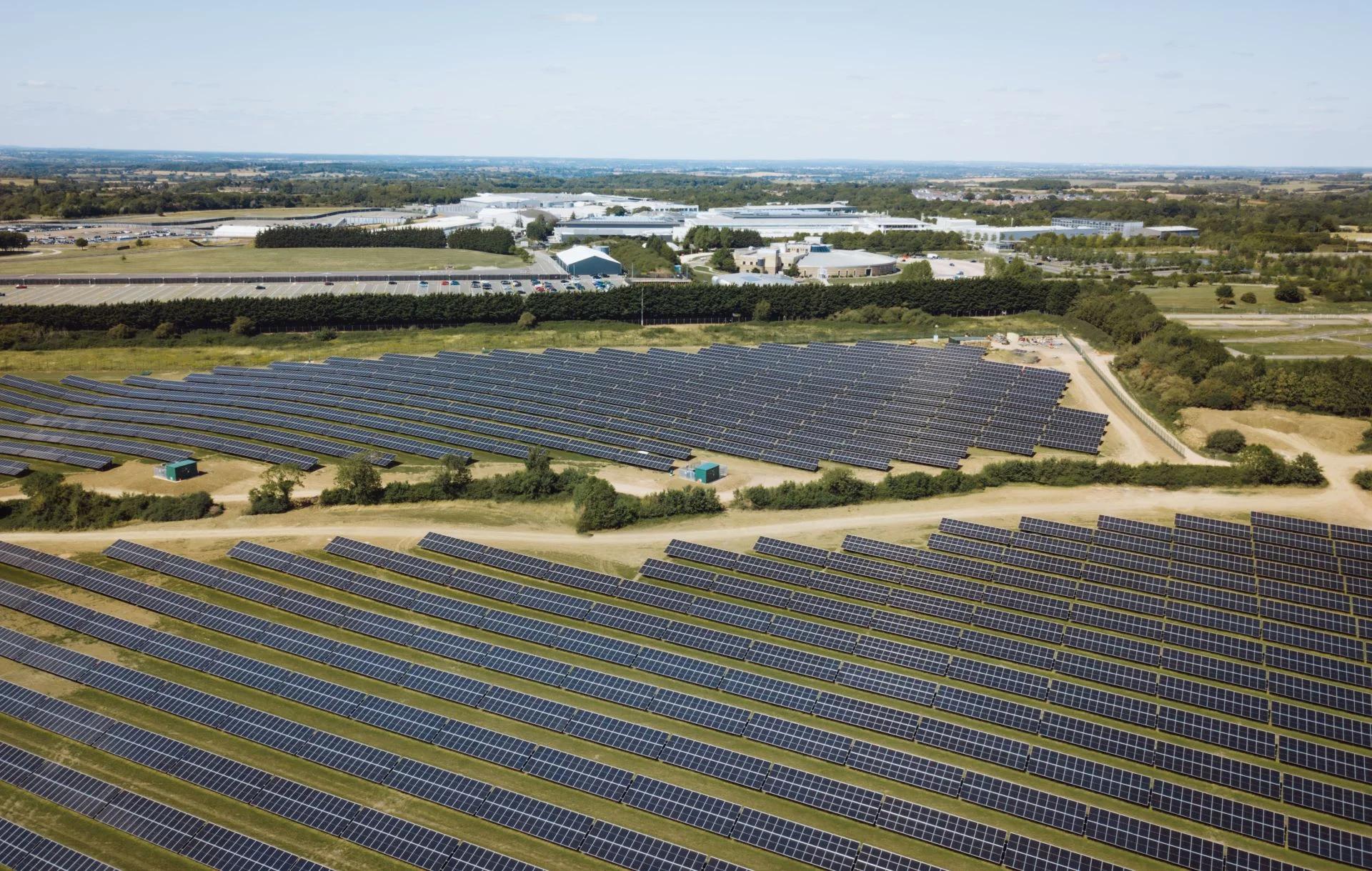
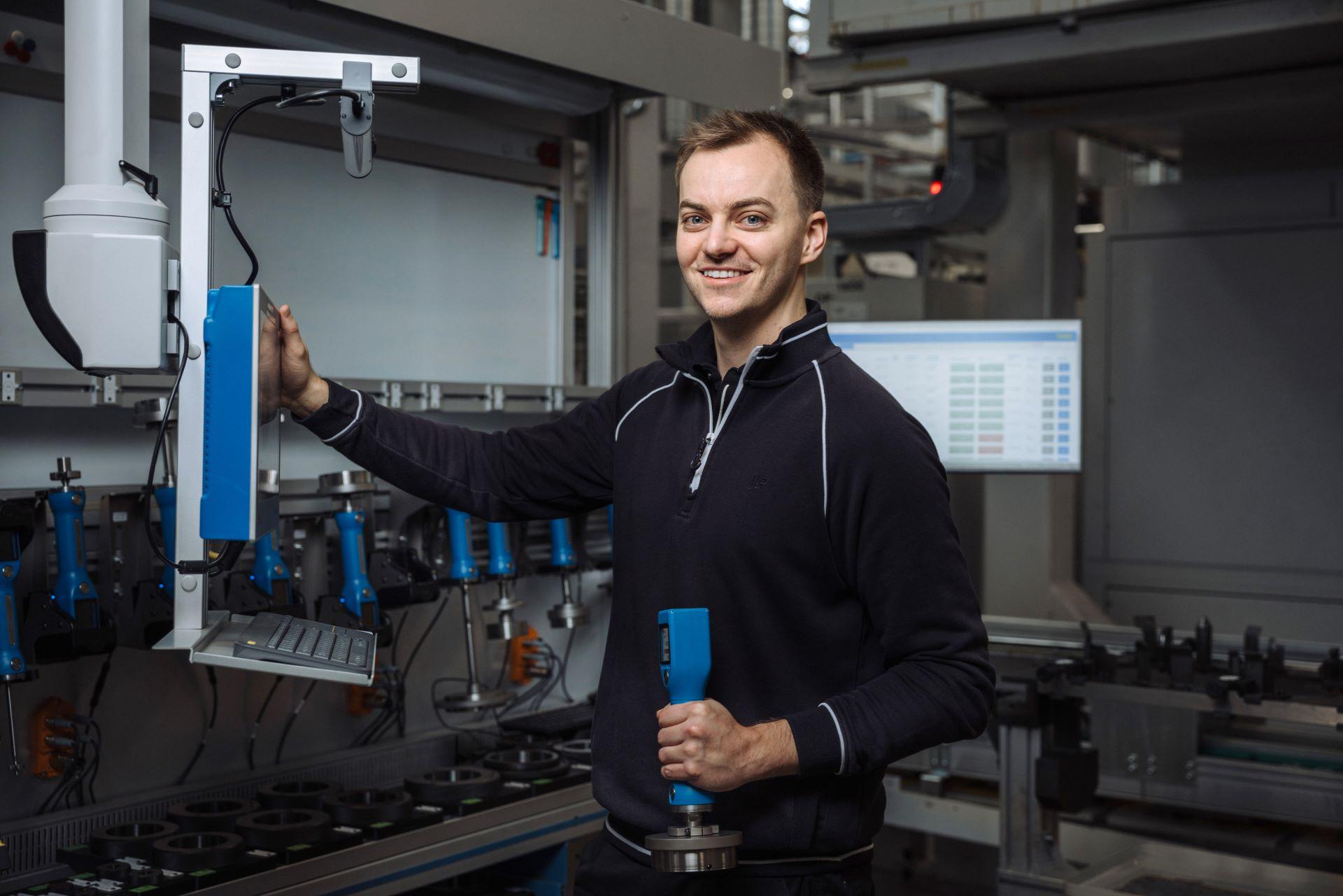
At the heart of this transformation is JLR’s Circularity Lab at its headquarters in Gaydon, where cross-functional teams of engineers, designers, and sustainability experts work closely with partners and suppliers to tackle the challenges of material recoverability, reusability, repairability, and recyclability. The lab’s approach of ‘learning through doing’ has already led to several innovations, including the use of recycled glass, steel, aluminum, and polymers in new vehicle production.
The breakthrough in seat foam recycling is a direct result of the lab’s pioneering work. “This project exemplifies our commitment to doing things differently and innovating for the future,” says Andrea Debbane, Chief Sustainability Officer at JLR. “We are rethinking every aspect of our operations, challenging ourselves to find sustainable solutions that support our transition to an all-electric business. The success of this closed-loop seat foam is a clear demonstration that full circularity is achievable, and it is critical to our Reimagine strategy.”
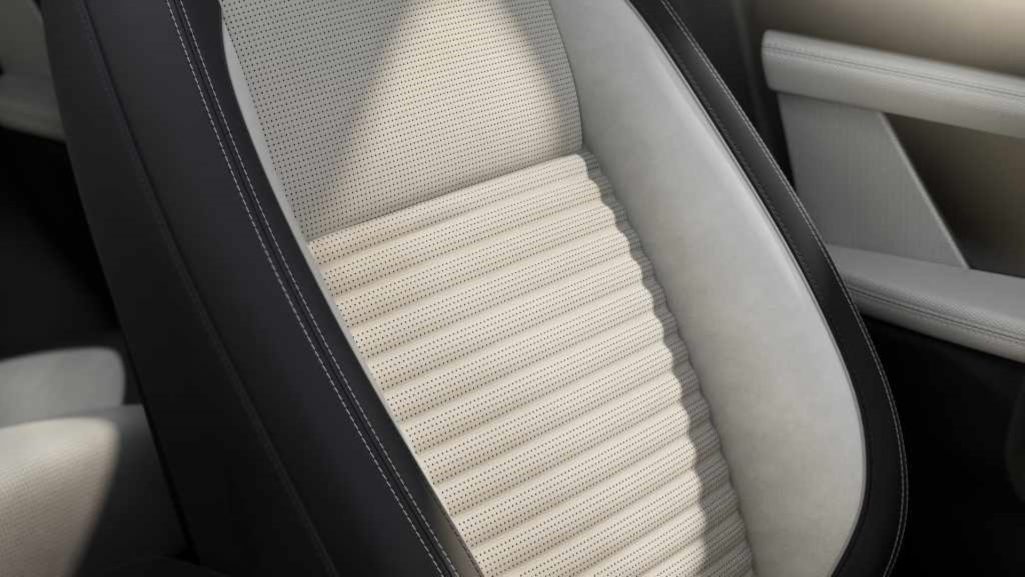
The potential environmental benefits are substantial. It is estimated that the new circular seat will cut CO2 emissions by 50%, avoiding over 44 kg of CO2e per seat. To put this into perspective, that is equivalent to the carbon footprint of charging nearly three thousand smartphones. With production scale testing set to begin in early 2025, this new material is poised to make a lasting impact on JLR’s luxury vehicle lineup.
A Collaborative Commitment to Sustainability
This closed-loop seat foam innovation is just one part of JLR’s broader sustainability efforts. The company’s collaboration with Dow and Adient is integral to the automotive industry’s wider push towards a circular economy. Jon Penrice, President of Dow’s Mobility division, highlights the importance of such partnerships: “Through our collaboration with JLR and Adient, we are advancing sustainable mobility by leveraging our expertise in materials science. Dow’s RENUVA™ sustainability program exemplifies how we can convert end-of-life waste into high-quality, circular materials, meeting recycled content targets and reducing environmental impacts.”
Mick Flanagan, Vice President Customer Group at Adient, shares a similar enthusiasm for the partnership’s potential: “At Adient, we are proud to lead the way in integrating recycled materials into our seating solutions. This collaboration with JLR and Dow not only reflects our commitment to sustainability but also sets new standards for the automotive industry by showing how recycled polyurethane can meet both environmental and performance criteria.”
Looking Ahead: A Future of Circularity
JLR’s Circularity Lab is not just a testing ground for innovations like closed-loop seat foam. The lab is part of the company’s wider vision to embed circular economy principles throughout its operations. From vehicle design to end-of-life recycling, JLR is developing systems that allow materials to be reused, refurbished, and reincorporated into production cycles. For example, initial tests on front bumpers have demonstrated that reduced polymer content can maintain quality and performance, saving significant amounts of CO2e and costs.
The lab’s success in aluminum recycling, which saw post-industrial waste from body panel stamping being reintegrated into new body panels, further underscores the potential of closed-loop processes. Such innovations could save thousands of tons of CO2 emissions per model line and contribute to JLR’s overall sustainability targets.
Through its Circularity Lab and partnerships with industry experts, JLR is shaping a future where materials are not just recycled but continually reused, helping the company achieve its ambitious Reimagine strategy. By making circularity a core component of its sustainability efforts, JLR is not only advancing its transition to an all-electric business but also setting a new benchmark for environmental responsibility in the luxury automotive sector.
As JLR prepares to scale up its closed-loop seat foam innovation and other circular initiatives, the company is proving that the automotive industry’s future lies not just in electrification, but in a circular, resource-efficient model that will redefine what it means to be sustainable.