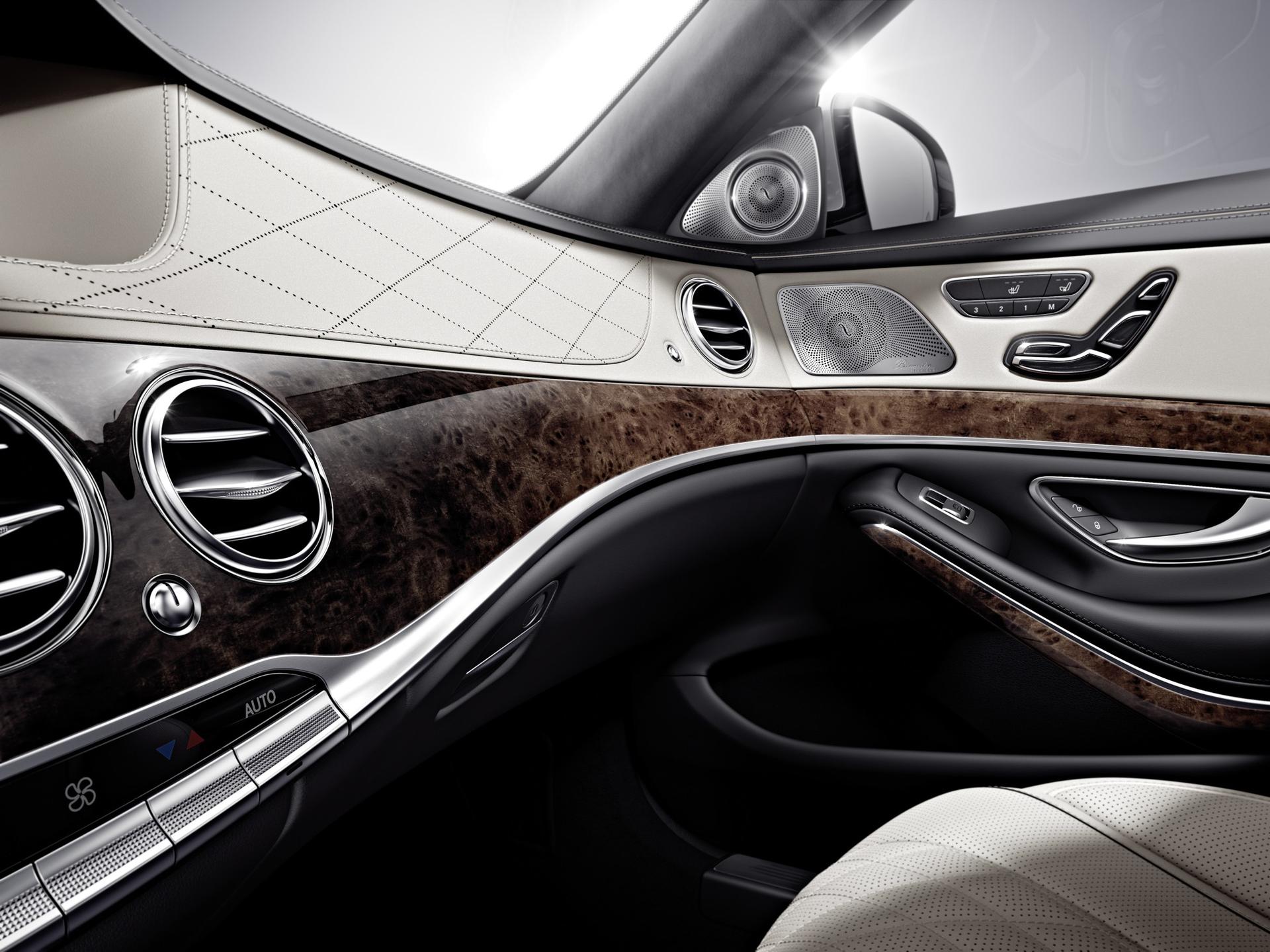
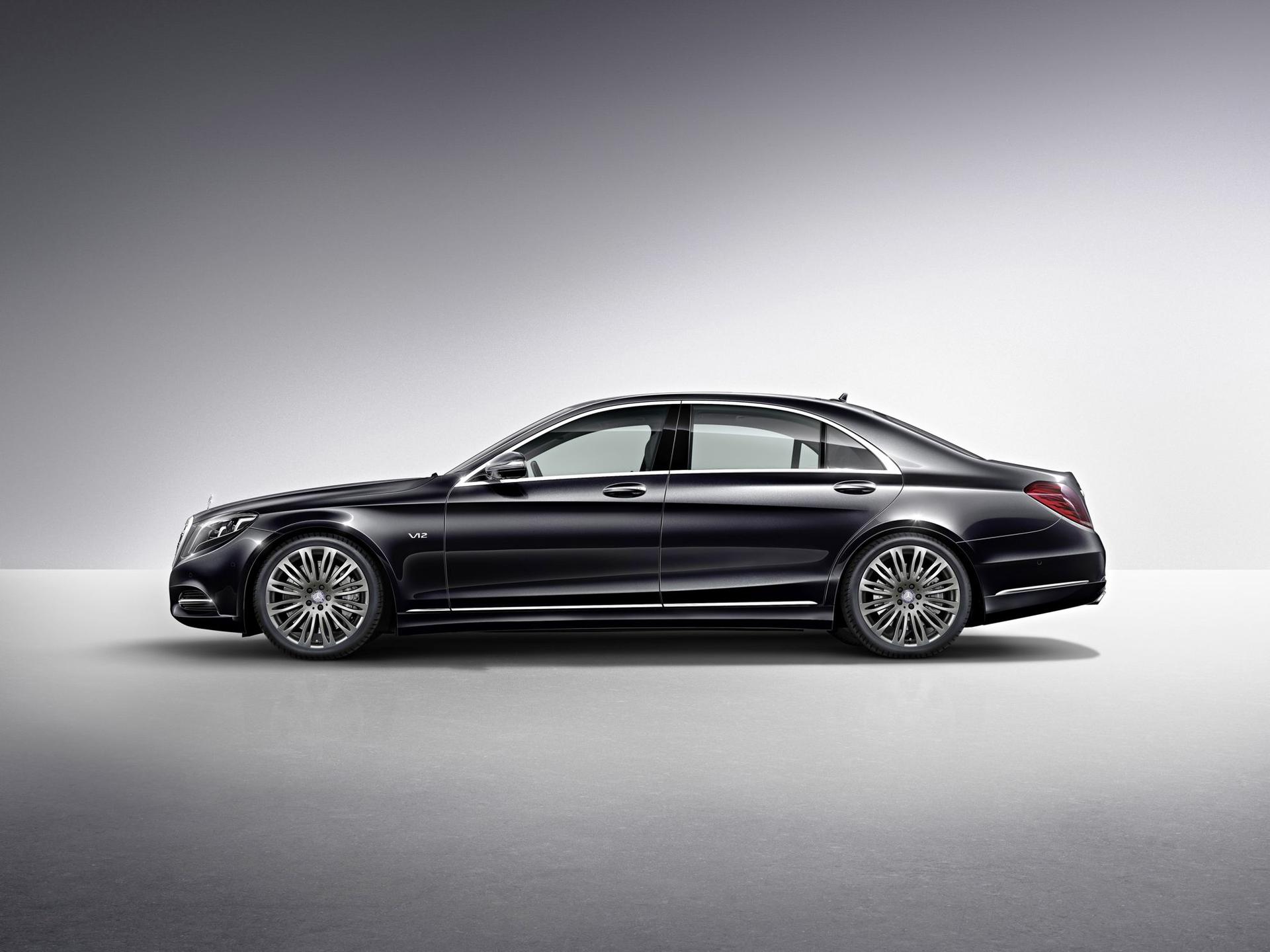
Mercedes-Benz has always treated the future as something to be engineered, not predicted. With its latest push into autonomous mobility, the company is doing exactly that again, positioning the new S-Class as the cornerstone of a global robotaxi ecosystem that blends luxury, uncompromising safety and industry-leading software architecture.
From Stuttgart, the message is clear. Automated driving is no longer a side project or a distant ambition. Mercedes-Benz is accelerating towards SAE Level 4 autonomy by building an open ecosystem around the S-Class, supported by technology partners such as NVIDIA and Momenta, and mobility providers including Uber and Lumo. The aim is not merely to deploy driverless vehicles, but to redefine what a premium robotaxi experience should feel like in America, Asia, Europe and the Middle East.
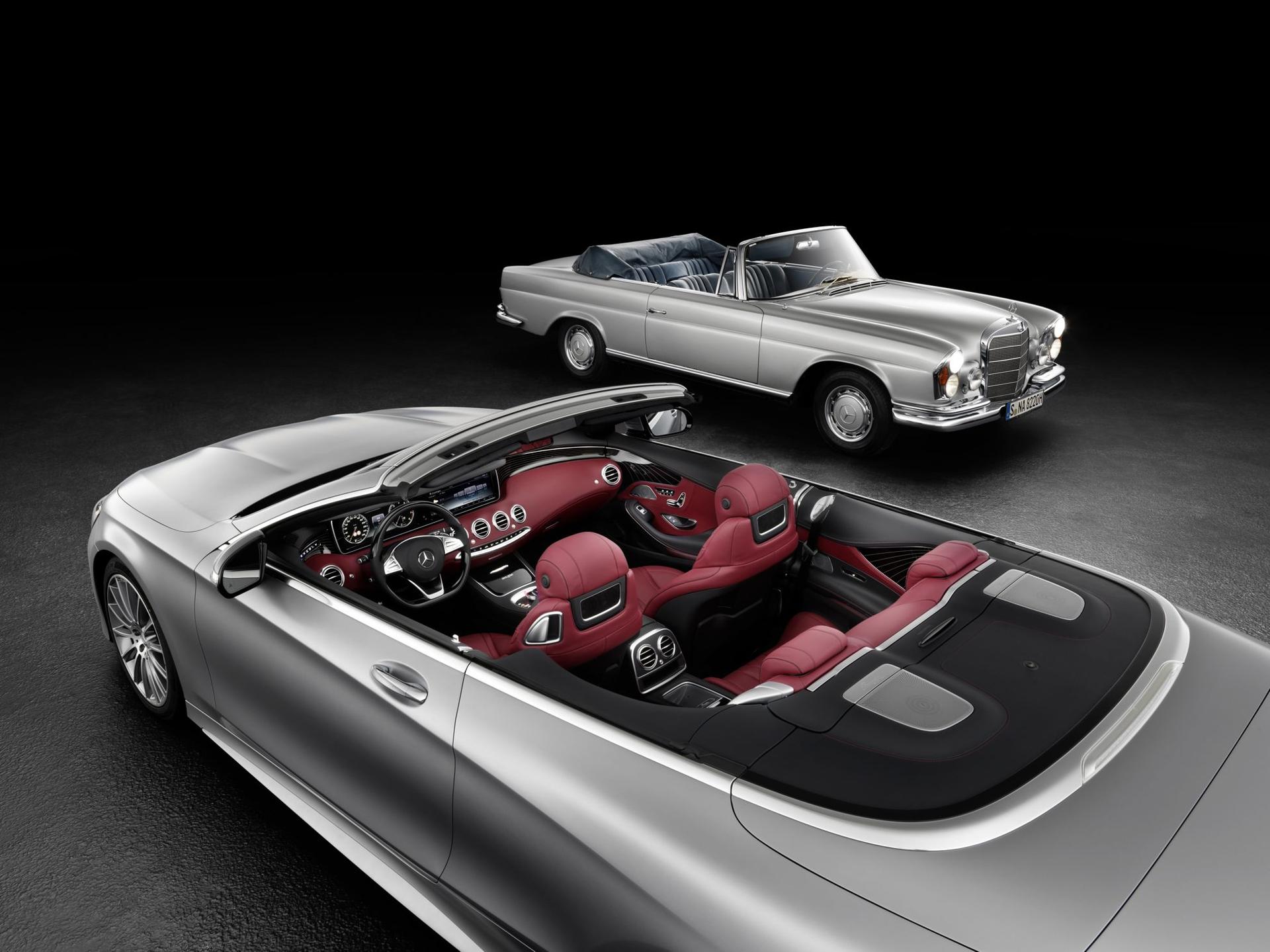
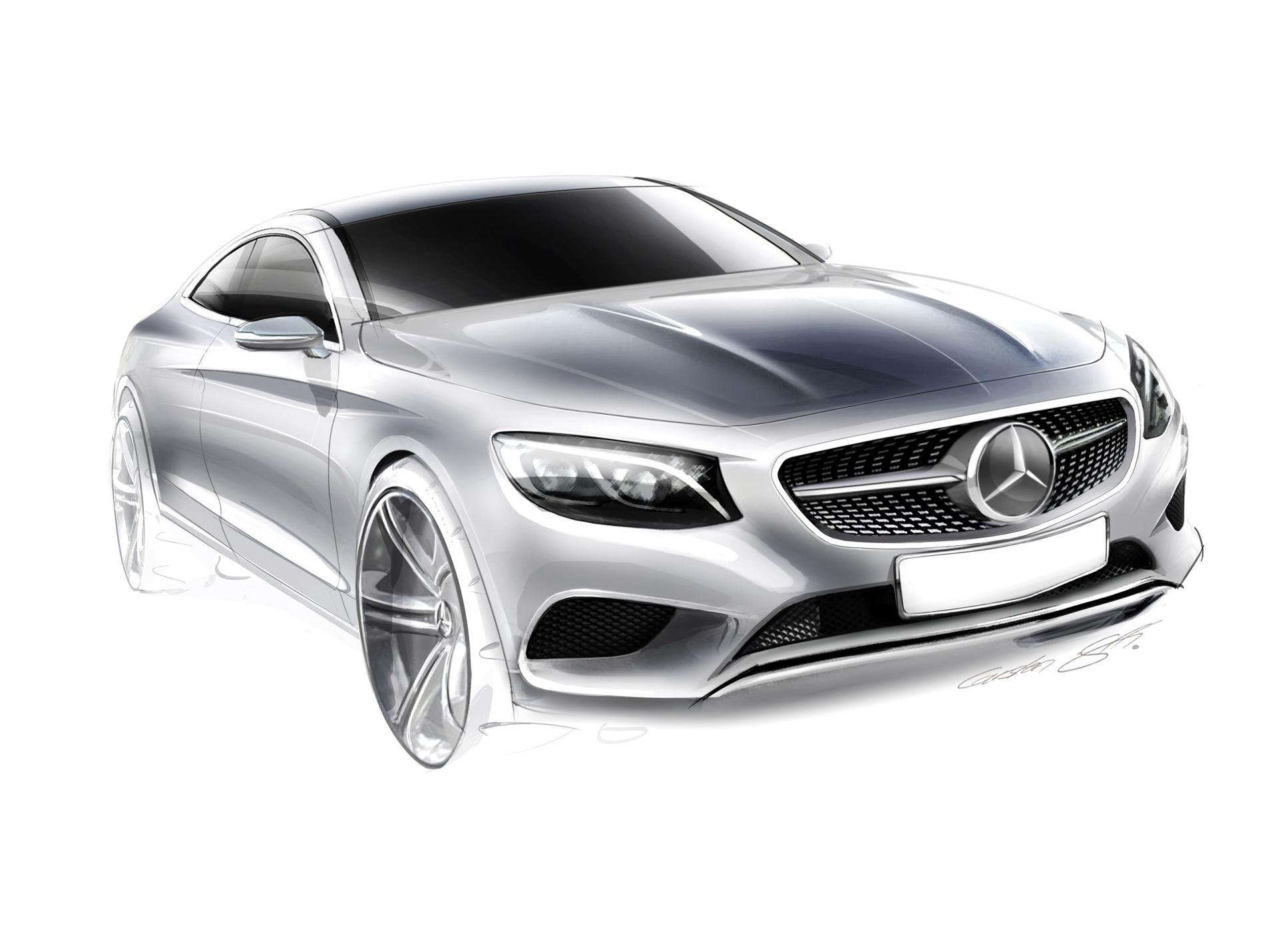
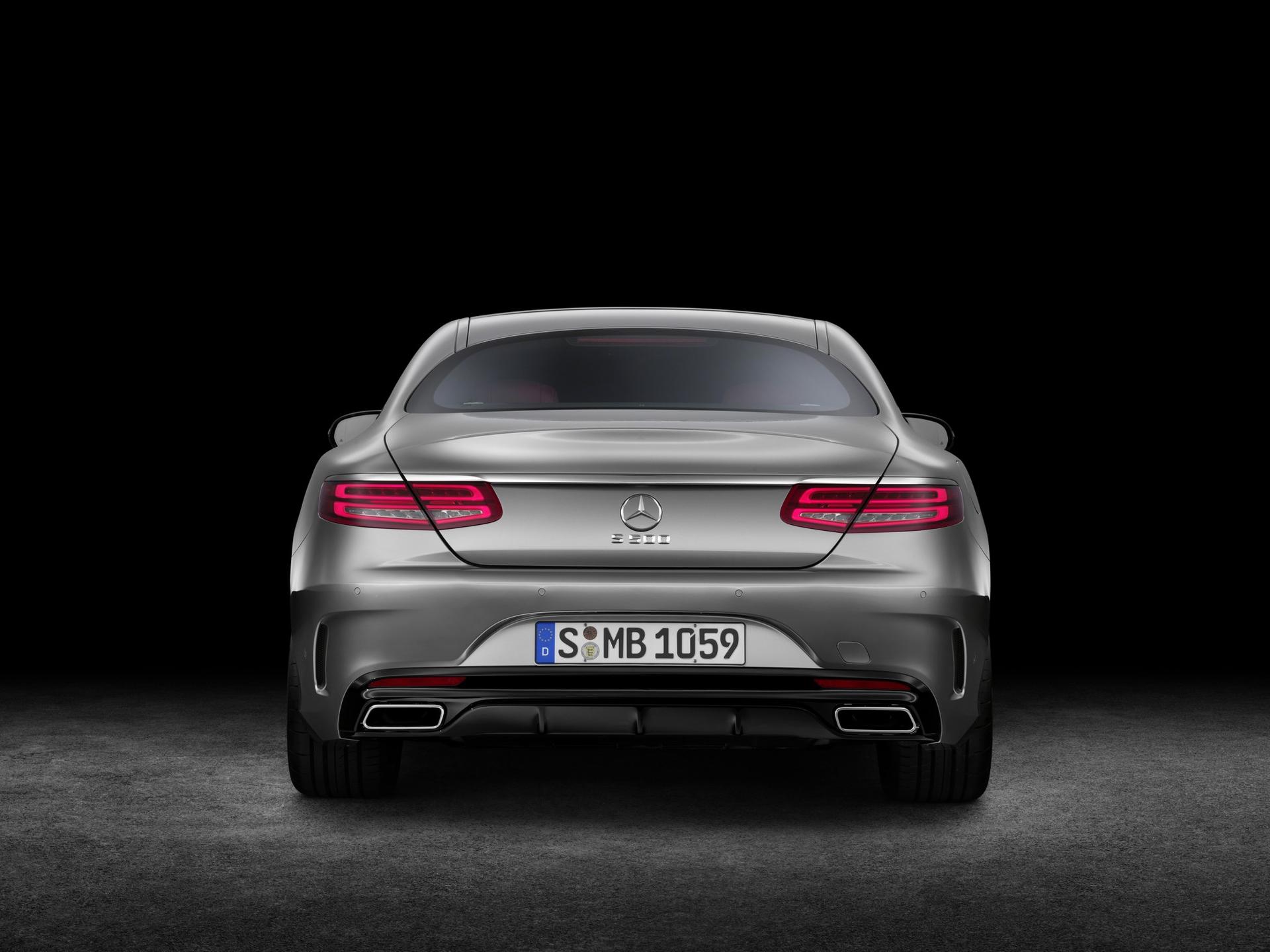
At the heart of this strategy sits the new S-Class, a vehicle already engineered to operate at the upper limits of comfort and safety. Mercedes-Benz describes it as uniquely suited to autonomous deployment thanks to its “fail-safe” architecture. Redundant systems for steering, braking, computing and power supply are integrated from the ground up, ensuring that no single point of failure can compromise vehicle control. In the context of Level 4 autonomy, where the car must safely handle driving tasks without human intervention in defined conditions, this redundancy is not a luxury feature but a fundamental requirement.
Crucially, the S-Class also serves as the first true showcase for MB.OS, Mercedes-Benz’s proprietary operating system. Designed to unify infotainment, vehicle functions, driver assistance and automated driving under a single software umbrella, MB.OS provides the digital backbone required for highly automated mobility services. Together with MB.DRIVE, the brand’s advanced automated driving stack, it allows Mercedes-Benz to integrate partner technologies while maintaining direct control over safety logic, system behaviour and customer experience.
Creating a robotaxi ecosystem at this level cannot be done in isolation. Mercedes-Benz has therefore taken a deliberately open approach, inviting some of the most influential technology players in the autonomous driving space to help shape its Level 4 ambitions. The company is currently advancing multiple projects around the world, each designed to accelerate development while meeting regional regulatory and operational requirements.
One of the most significant collaborations brings Mercedes-Benz together with NVIDIA and Uber. Under this partnership, NVIDIA will contribute its NVIDIA DRIVE Hyperion architecture alongside the full-stack NVIDIA DRIVE AV Level 4 software. These technologies are designed to handle the immense computational demands of autonomous driving, from sensor fusion and perception to planning and control. The platform will also benefit from NVIDIA’s Alpamayo open AI models, simulation tools and extensive datasets, all aimed at delivering reasoning-based, safety-first autonomy.

This collaboration builds on an existing relationship between Mercedes-Benz and NVIDIA, particularly in the development of next-generation ADAS systems. NVIDIA’s expertise in AI-driven software development is already embedded within Mercedes-Benz’s driver assistance roadmap, making the transition to Level 4 autonomy a natural extension rather than a technological leap into the unknown.
In parallel, Mercedes-Benz is advancing another Level 4 project in cooperation with Momenta, a company recognised for its autonomous driving software and data-driven development approach. This initiative focuses on delivering a robotaxi experience based on the new S-Class for deployment with mobility provider Lumo, a subsidiary of technology group K2. The first phase of this programme will see S-Class robotaxi test vehicles operating on public roads in Abu Dhabi later this year, with plans to expand to additional locations as the service matures.
Abu Dhabi represents a strategically important environment for autonomous mobility. Supportive regulation, well-mapped infrastructure and a strong appetite for premium transport services make it an ideal testing ground for luxury robotaxi operations. For Mercedes-Benz, it also offers an opportunity to demonstrate how a safety-centric, software-defined vehicle can integrate seamlessly into real-world urban mobility.
While partners and platforms play a critical role, Mercedes-Benz is keen to emphasise that safety remains the non-negotiable foundation of its autonomous strategy. The company positions itself as a pioneer in safe automated driving, a claim rooted in decades of vehicle safety innovation. That philosophy now extends into software validation, system redundancy and operational design domains tailored specifically for Level 4 deployment.
As Jörg Burzer, Member of the Board of Management of Mercedes-Benz Group AG and Chief Technology Officer for Development and Procurement, explains, the move into robotaxi services is a logical next step. For Mercedes-Benz, enabling a robotaxi experience based on the new S-Class is not just about entering a new market segment. It is about translating the brand’s core values of safety, comfort and engineering excellence into a driverless future.
By positioning MB.OS and the S-Class as the ultimate platform, Mercedes-Benz is signalling that autonomy does not have to come at the expense of refinement or trust. Instead, the company is betting that the future of robotaxis will be defined not only by who gets there first, but by who delivers the most credible, luxurious and reassuring experience once autonomy becomes part of everyday life.