


November 29, 2024 – Seville, Spain
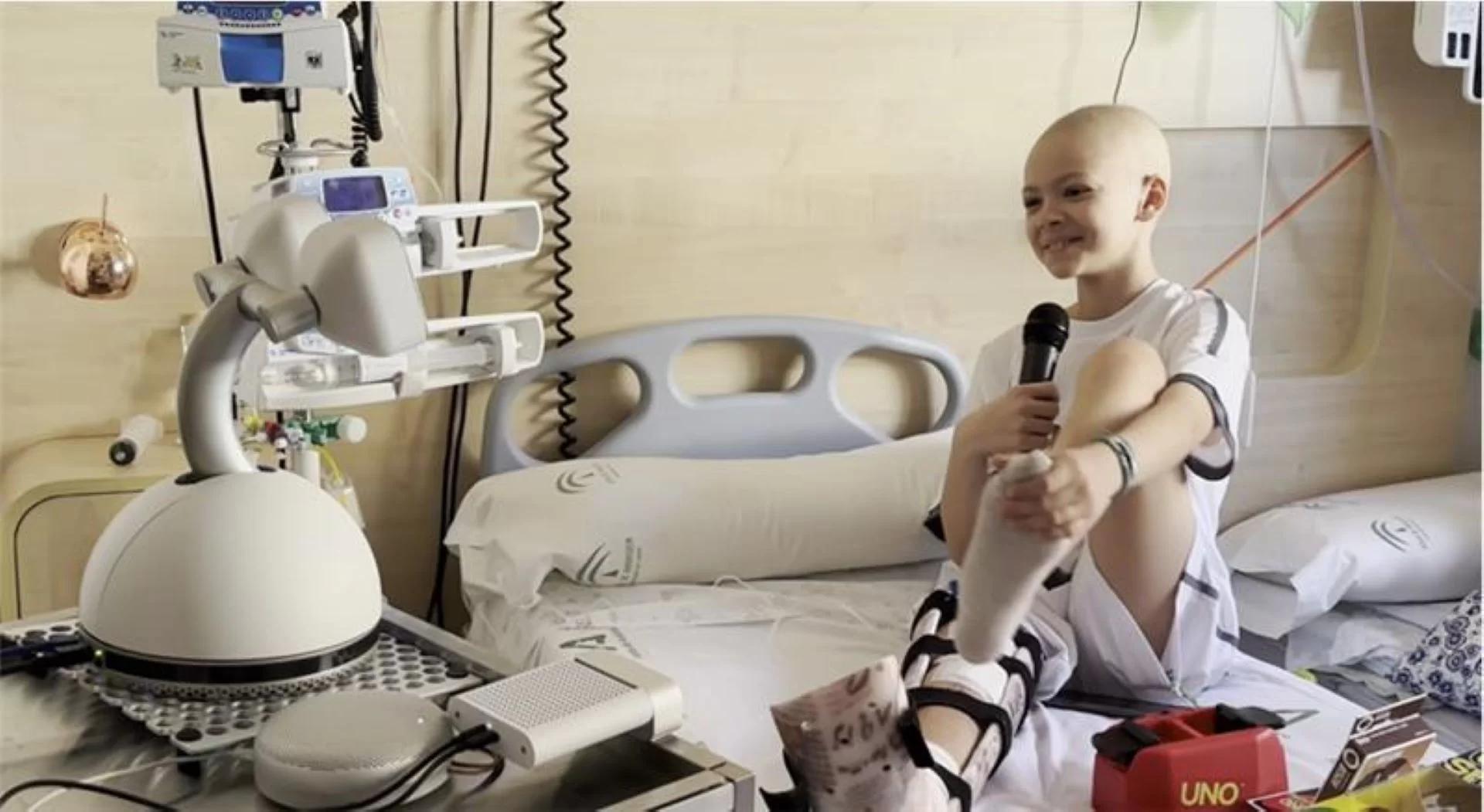
In a groundbreaking development, Honda has partnered with Virgen del Rocío University Hospital (HUVR) in Seville to introduce ‘Haru,’ an innovative, AI-powered social robot designed to enhance the well-being of children undergoing long-term treatment. Developed by Honda Research Institute Japan Co., Ltd. (HRI-JP), this compact, 30cm (12 inches) high robot has already shown remarkable success in a trial conducted at the hospital, particularly with young cancer patients.
Since its introduction in 2021, Haru has proven to be more than just a technological marvel—it has become a vital companion to children in the hospital’s pediatric oncology unit. The robot’s ability to foster engagement in rehabilitation programs has been nothing short of transformative, with 95% of children participating in the trial demonstrating increased enthusiasm for their treatment.
The positive results of this trial have propelled Haru’s next phase: a full-scale deployment of 10 units across the pediatric oncology department at HUVR, continuing through to 2027. This milestone marks a significant step in integrating robots into healthcare, particularly in areas that focus on emotional and psychological well-being.
A New Era of Rehabilitation and Emotional Support
Haru’s capabilities go beyond its playful interactions and soothing presence. Equipped with advanced biometric sensors, including cameras and microphones, Haru can detect subtle cues such as facial expressions and voice tones. These inputs allow the robot to assess the emotional and physical state of each child and respond with tailored, empathetic communication. Haru’s ability to understand and adapt to a child’s needs is a breakthrough in pediatric care, offering emotional support that complements traditional medical treatments.
In addition to its emotional support function, Haru also serves as a tool for neuropsychological assessments. By linking with a wrist-worn sensor, Haru can gather detailed data on a patient’s physical and emotional well-being, enabling healthcare professionals to conduct assessments with unprecedented efficiency. The robot’s introduction is expected to increase the number of emotional and cognitive evaluations conducted per year by nearly ninefold—growing from 510 to an impressive 4,500. This increase in assessments has the potential to improve overall care and treatment planning, providing doctors with more data to personalize care.

Transforming Hospital Life with Connection and Engagement
Haru is also bridging gaps between the hospital environment and the outside world. One of its most exciting features is its ability to connect young patients to their schools through an online interface. This unique functionality allows children to attend classes virtually, interact with classmates, and experience a sense of normalcy despite being away from their traditional classrooms.
By providing children with these connections, Haru contributes to a broader sense of inclusion and community. Its neutral design—devoid of human attributes such as gender, race, or nationality—makes it a versatile companion for children from all backgrounds, fostering interactions that transcend generational or cultural barriers.
A Groundbreaking Step Toward Co-Existence with AI
Honda’s approach with Haru represents the company’s longstanding commitment to using technology to improve lives. As Satoshi Shigemi, the Director of Honda Research Institute Japan, explains, “Based on the founding spirit of Honda, ‘using our technology to help people,’ we have designed Haru to coexist with society, facilitating communication and forming meaningful connections between people, particularly in a hospital setting.”
The success of Haru at HUVR is a testament to the positive impact that social robots can have in healthcare environments. Honda’s continued efforts to refine and advance Haru will likely pave the way for similar applications in other hospitals and care facilities worldwide. As this collaboration continues, Haru promises not only to uplift the spirits of young patients but to provide valuable support to hospital staff, improving overall hospital dynamics and contributing to a more compassionate care experience.
A Future of Compassionate Innovation
With the successful integration of 10 Haru robots into the pediatric oncology unit at Virgen del Rocío University Hospital, Honda is setting the stage for a future where robots are not only tools for medical treatment but companions that enhance the emotional well-being of patients. Haru’s ability to bring joy, facilitate rehabilitation, and connect children to their education showcases the vast potential of AI to improve hospital experiences, offering a glimpse into the future of healthcare innovation.
As Haru continues its journey through its trial phase and beyond, it stands as a symbol of how cutting-edge technology can improve the quality of life for children in hospital care, marking a significant advancement in both robotics and pediatric healthcare.