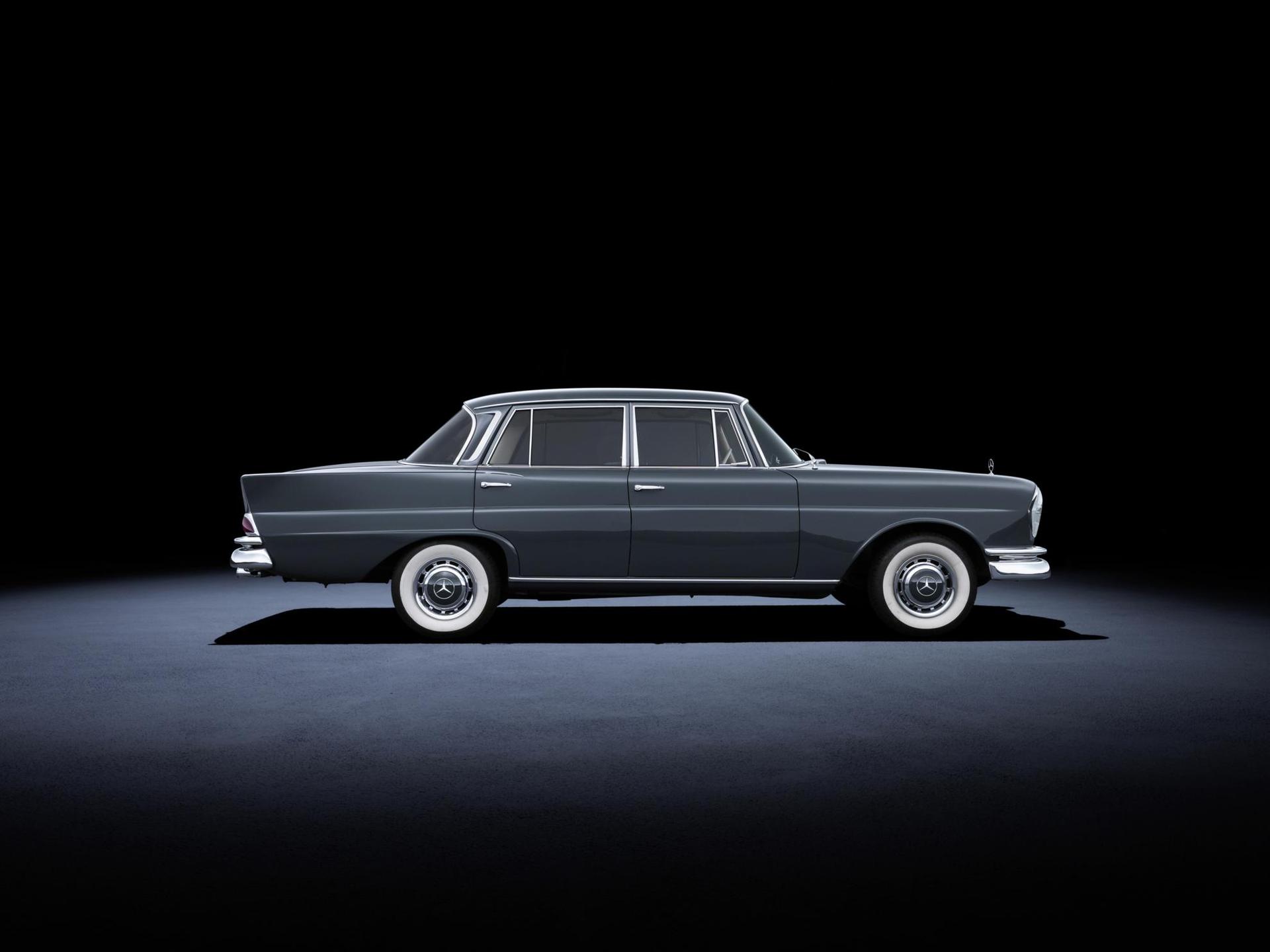



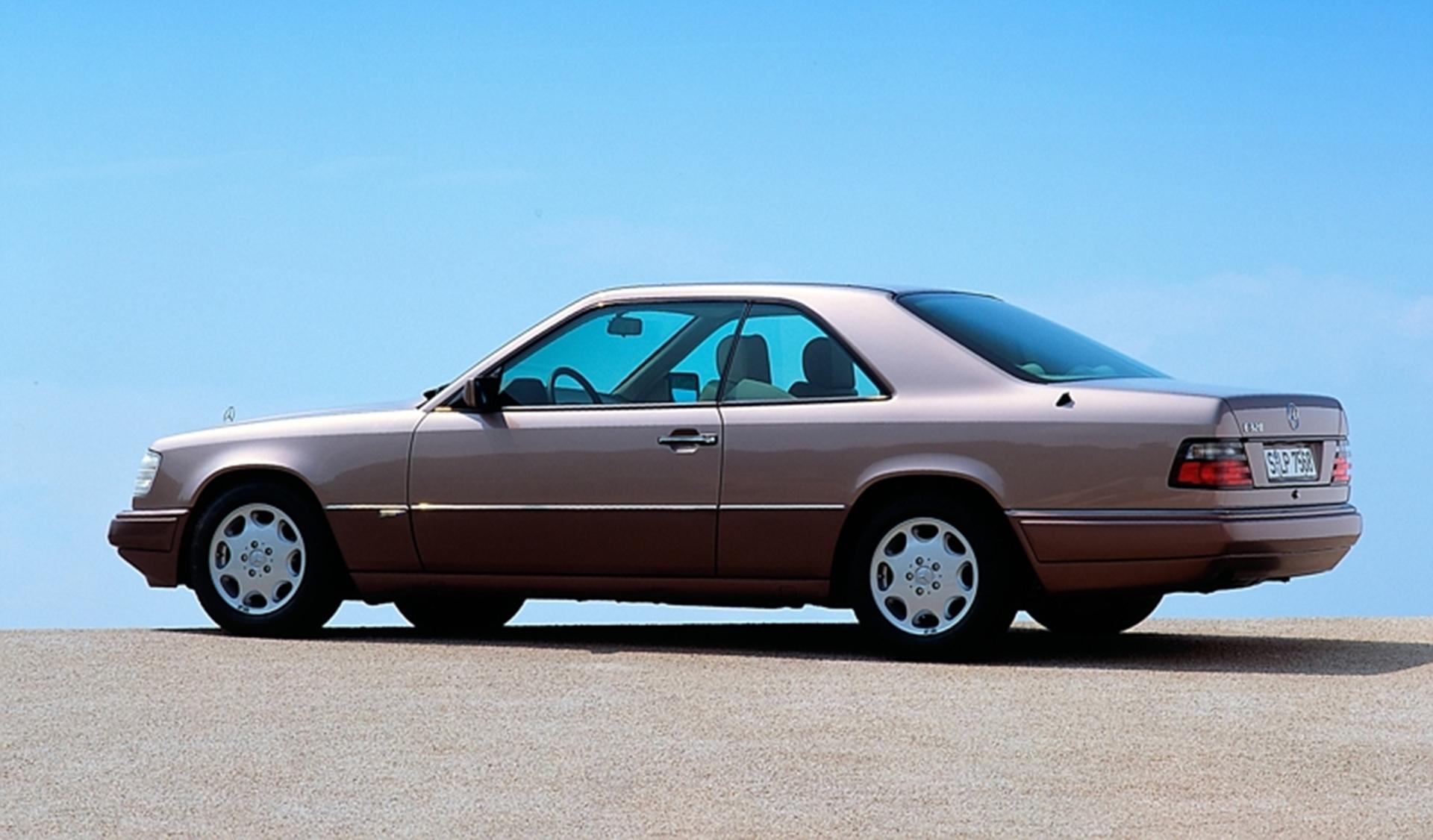
From upper intermediate-class coupé to E-Class Coupé
- Elegant-sporty touring car with a personality of its own
- Staying young for 25 years: model series C 124 is a coveted Young Classic
Stuttgart – Sporty-elegant, two-door and with seductively modern lines: this is how the new Mercedes-Benz upper medium-class coupé presented itself at the Geneva Motor Show in March 1987. Model series C 124, which was to be designated “E-Class Coupé” from 1993 onwards, was – after the saloon and the estate – the third body variant of the 124 series. The A 124 Cabriolet, based on the coupé, was to follow only in 1991.
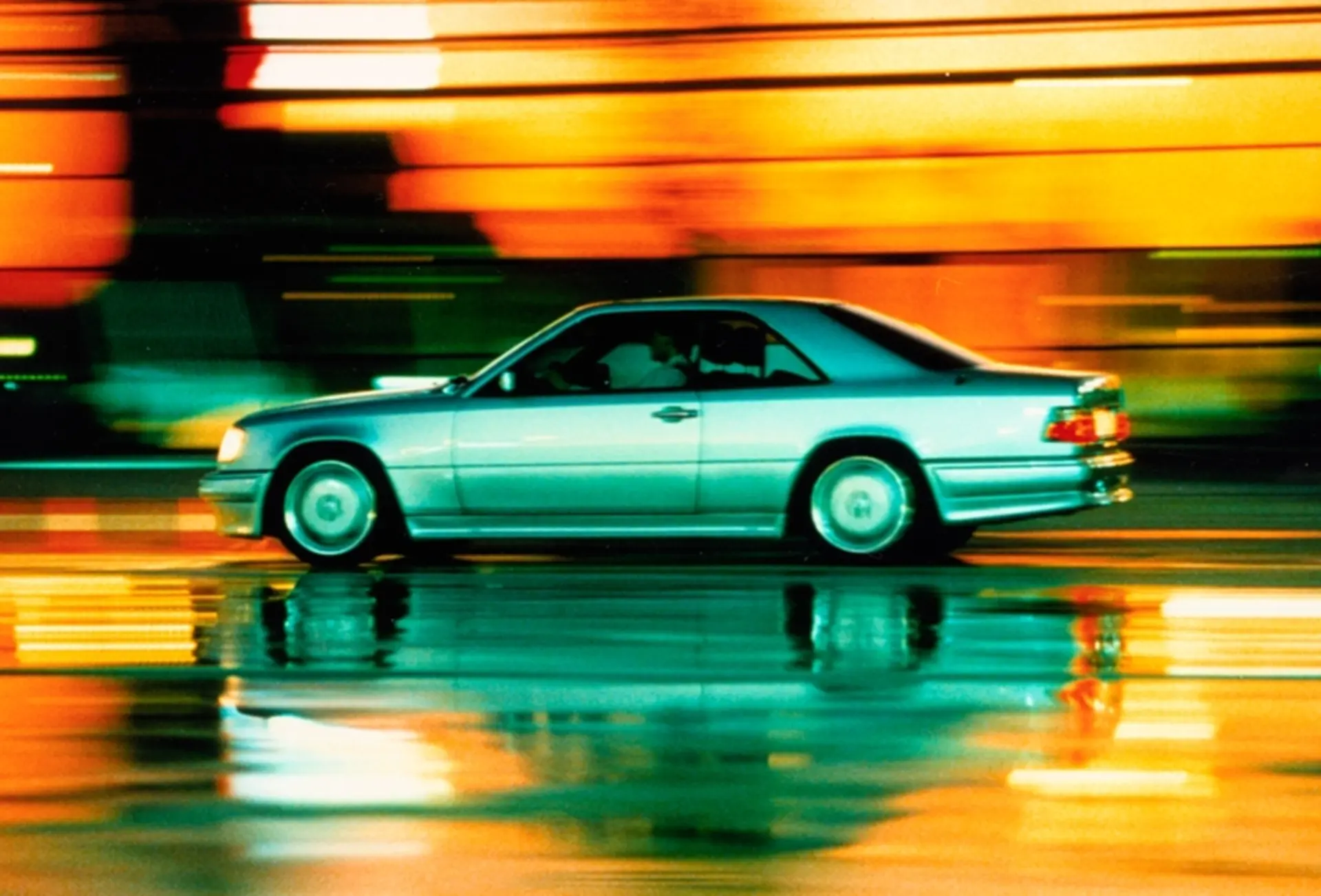
Today, the C 124 series presents itself just as fresh and modern as it once did in Geneva, which is why the four-seater, two-door touring car has long since become a coveted Young Classic. Mercedes-Benz understands the significance of this particularly vibrant fascination and is thus especially committed to fostering this still recent automotive history. That’s why, for instance, the C 124 was present at the stand of Mercedes-Benz Classic at the “Retro Classic” trade fair in March 2011 as a sale car.
The tradition of upper intermediate class coupés
The C 124 series stands in the living tradition of four-seater intermediate-class coupés from Mercedes-Benz. The exclusive coupé coachwork design originally established itself in the upper-range and luxury vehicle segments in particular. However, since the 1960s, an attractive range of two-door, four-seater touring cars based on the corresponding upper-intermediate-class cars has thrilled the aficionados of this exclusive body format.
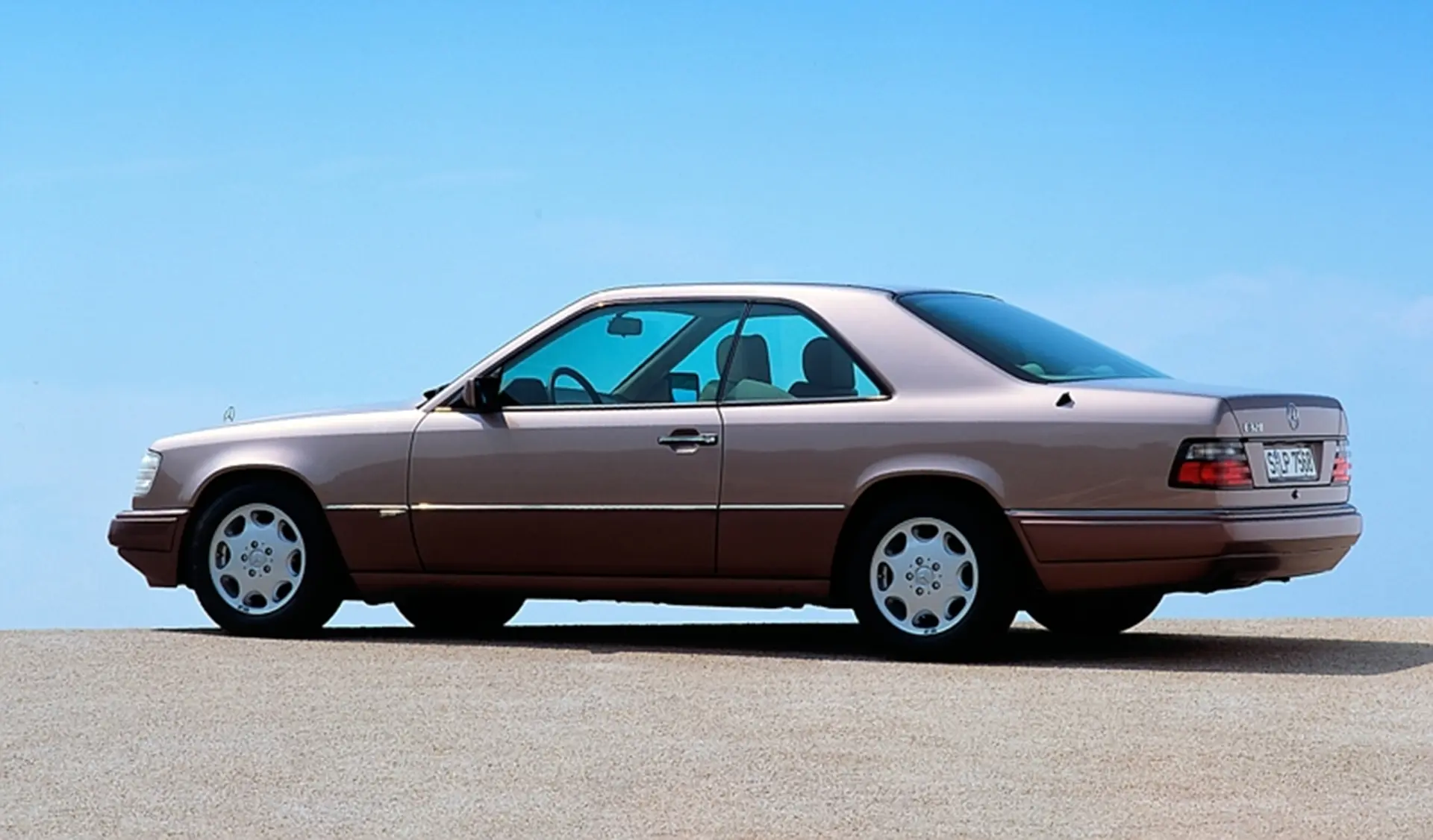
The W 114 series coupés (“Stroke/eight” series, 1968 to 1976) made the start, and was then followed by the C 123 series (1977 to 1985). Exactly ten years after the début of the C 123 series, the third generation of intermediate range coupés from Stuttgart was launched, having been awaited with great expectation by the automotive public.
As they had done with its predecessors, the engineers and designers took the saloon as their technical foundation, basing the design of the coupé on that of the four-door vehicle. At a glance, though, the C 124 series reveals itself as a vehicle in its own right – as a sporty, elegant, individual interpretation of the 124 model series.
For the coupé the floor plan was shortened, the wheelbase reduced by 85 millimetres, all of which underscored the compact-sporty lines of the coupé. Sides, roof and rear were also redesigned, so that only the front end of the saloon was retained basically unchanged.
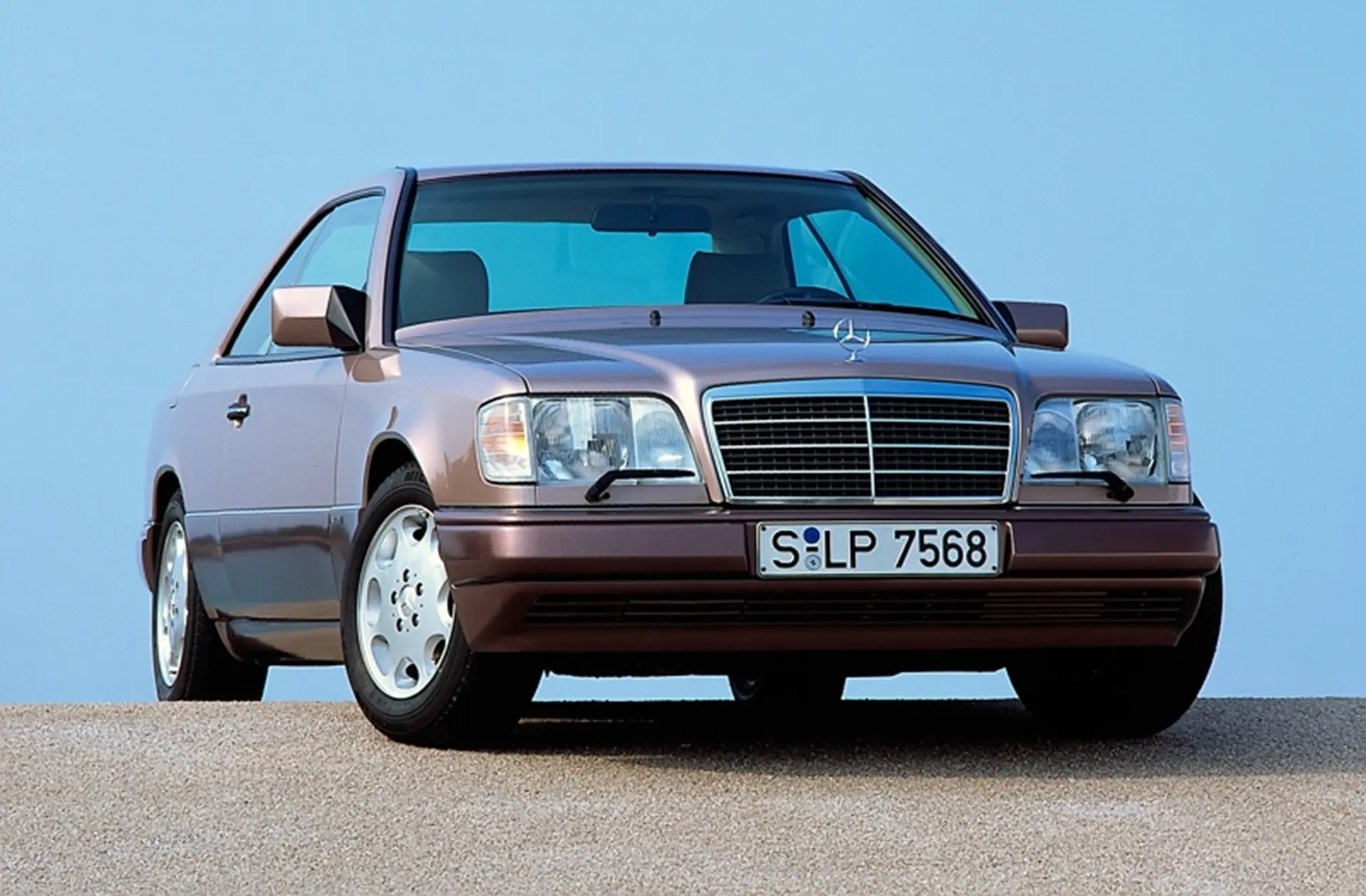
Elegance without compromise
Even though the coupé design required significant interventions and modifications to the body of the four-door vehicle, the C 124 series made absolutely no compromises in terms of passive safety standards: for instance, reinforced A-pillars, side sills and doors as well as a particularly high proportion of high-strength sheet steel compensated for the absence of the B-pillars. The engineers broke new ground when designing the end section of the roof: they extended the interior panelling of the roof slightly over the rear window, which benefited both the safety and the comfort of the rear seat passengers.
A characteristic design element underscoring the independence of the coupé design compared with the other body variants of the series were the rub strips combined with integral side skirts. Between the wheel cut-outs, at bumper level, they created an optical link between front apron and rear apron and, like these, were painted in contrasting metallic colours.
Where the engineering was concerned, Mercedes-Benz consistently applied a modular principle, so that the coupés adopted from the saloon unchanged the independent multi-link rear suspension and their shock absorber strut independent front suspension as well as the braking system. The model range initially comprised models 230 CE (97 kW/132 bhp) and 300 CE (132 kW/180 bhp), whose engines were those of the corresponding saloon model. Both units featured a regulated exhaust gas aftertreatment system with three-way catalytic converter.
Together with all the other variants of the 124 series, as from September 1988 the coupés were equipped with extended standard equipment, now including a heated, electrically adjustable nearside exterior mirror and a windscreen washer system with heated washer fluid reservoir, nozzles and hoses. The ABS Anti-lock Brake System, with which all the 124 series were equipped as standard, was already standard equipment in the 300 CE from the outset and in the 230 CE from February 1988 onwards.
In September 1989 Mercedes-Benz presented a fully revised upper medium class model programme at the Frankfurt International Motor Show (IAA). The refinements focused on changes to the styling of the bodywork and redesign of the interior, while on the outside the Coupés presented themselves practically unchanged since they had been equipped from the start with the side rub strips which were the most conspicuous feature of the facelifted 124 model series, and in a way represented the model for the revamping of the other body variants.
The vehicle flanks were now optically upgraded with fine polished stainless steel trim strips that continued along the top of the front and rear aprons. These were complemented by chrome-plated trim elements on the door handles and modified wheel hub caps. The interior featured improved front and rear seats as well as numerous improvements to details.
Together with the facelift Mercedes-Benz presented a new coupé variant: the 300 CE-24, powered by the 162 kW (220 bhp) 3.0-litre four-valve engine of the 300 SL-24 sports car. The 300 CE-24 became the new flagship model of the intermediate class coupés. Its equipment included light-alloy wheels, power windows, leather-clad steering wheel and shift lever knob, burr walnut wood trim and courtesy lights in the doors. From June 1990 the coupé was produced with the tried-and-tested 2.0-litre four-cylinder engine: the 200 CE (90 kW/122 bhp), which was exclusively reserved for export to Italy, later to Greece and Portugal as well.
In September 1992 Mercedes-Benz presented a revised model range for model series 124. The entire engine range of the coupé models was converted to four-valve technology. The new engines were distinguished by increased output and higher torque over the entire engine speed range while featuring lower fuel consumption. With the introduction of the new engines the model designations changed: the 230 CE became the 220 CE (110 kW/150 bhp); the 200 CE export model (now 100 kW/136 bhp), which was also equipped with the four-valve-per-cylinder engine, was able to retain its name because its displacement remained virtually identical. The six-cylinder models, the 300 CE and 300 CE-24, were replaced by the 320 CE (162 kW/220 bhp), whose 3.2-litre four-valve engine had been providing good service in the S-Class for the previous one-and-a-half years.
Apart from the new engine range, the facelift included significantly upgraded standard equipment and appointments with driver airbag and electrically adjustable exterior mirrors on either side. Central locking and a 5-speed transmission, which were included in the basic equipment of the saloon and estate at this time, had been standard equipment items in the coupés from the very start of their production.
In June 1993 all series 124 models were stylistically revised, the most striking feature of the modified vehicles being the radiator grille and the light units with colourless glass covers for the front turn indicators and bichromatic covers for the tail lights. In addition, the wheels were fitted with new hub caps with a six-hole design, and the protective mouldings on the bumpers were now painted the same colour as the other detachable parts.
In June 1993 a new nomenclature came into effect for the intermediate class, too, which was now called the “E-Class” for the first time. According to this new system the two-door cars of the 124 series were now called the E 220 Coupé and E 320 Coupé.
For the coupé aficionado with sporting ambitions the E 36 AMG, a particularly powerful variant with a 200 kW (272 bhp), 3.6-litre four-valve engine from AMG was available from September 1993. With discreetly enlarged chassis fairings, the new flagship coupé of the 124 series also contrasted stylistically with its less dynamic sister models. In December 1994 the E 200 Coupé, delivering 100 kW (136 bhp) and which had previously been built exclusively for export to Italy, Greece and Portugal, was incorporated into the general product range.
Production of the 124-series E-Class coupés came to an end in March 1996, nine years after their debut at the Geneva Motor Show. The most sold in that time was the 300 CE, bought by exactly 43,486 customers between 1987 and 1992. In all, 141,498 units were produced in Sindelfingen, around 40 percent more than previous model of the C 123 series. While the CLK-Coupé of model series C 208 continued in the tradition of the upper-intermediate class two-door touring car, the C 124 series E-Class coupés quickly established themselves as popular, coveted Young Classics.