Jürgen Paul – Mercedes-Benz S-Class pioneer in vehicle safety

Jürgen Paul – Mercedes-Benz S-Class pioneer in vehicle safety

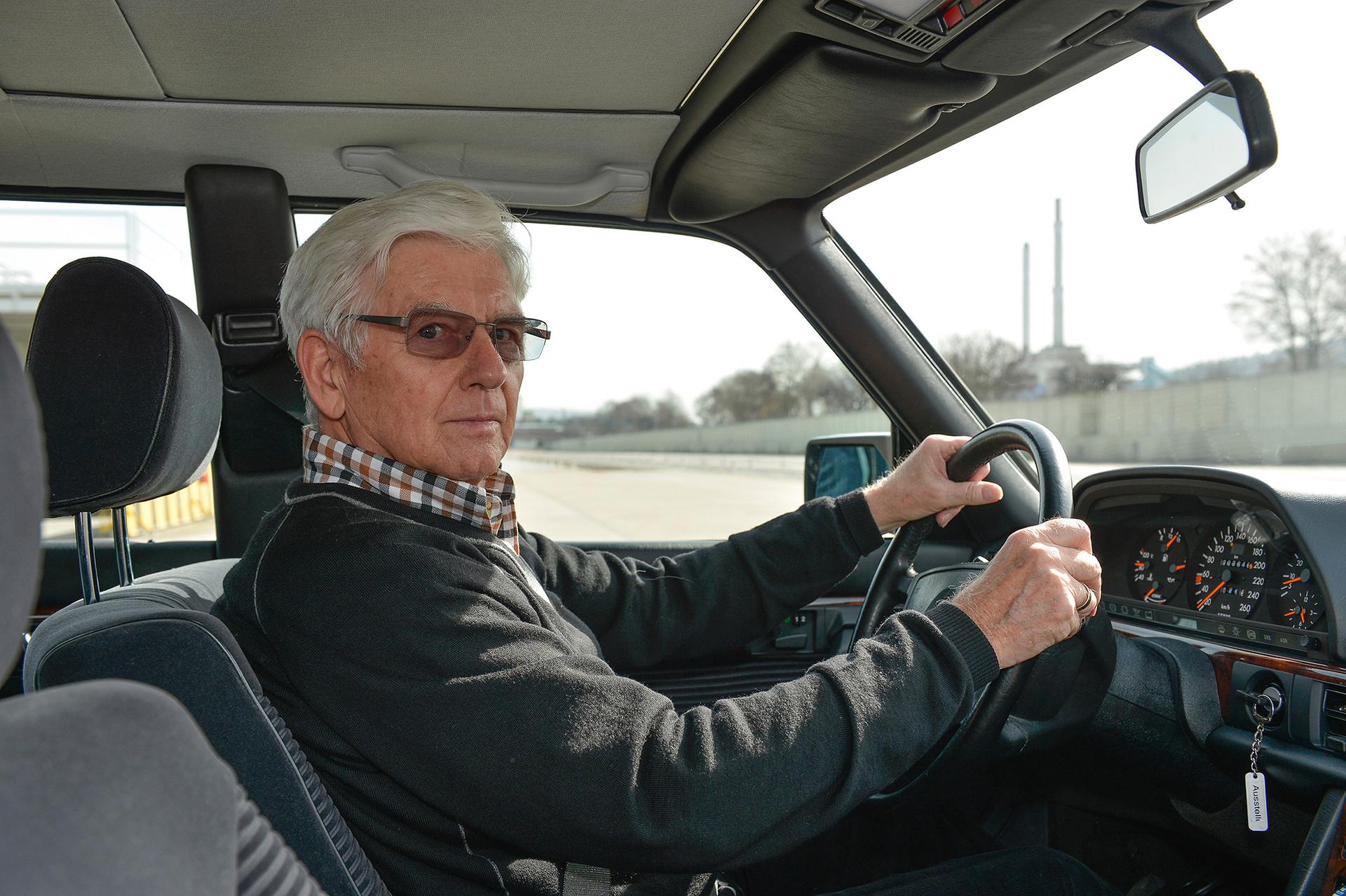
A key player in the development of the anti-lock braking system (ABS): Jürgen Paul – Born in Berlin-Köpenick on 2 August 1941 Jürgen Paul was one of the engineers behind the anti-lock braking system (ABS), which marked its series deployment and world premiere in the Mercedes-Benz S-Class in 1978. He was also involved in various […]

By Ronel Ferreira6 May 20134 min read

A key player in the development of the anti-lock braking system (ABS): Jürgen Paul – Born in Berlin-Köpenick on 2 August 1941

Jürgen Paul

Jürgen Paul was one of the engineers behind the anti-lock braking system (ABS), which marked its series deployment and world premiere in the Mercedes-Benz S-Class in 1978. He was also involved in various subsequent developments based on ABS, such as acceleration slip regulation (ASR) and the ESP® Electronic Stability Program. He was also a pioneer of anti-lock braking systems in motor sport vehicles.

A native of Berlin, Jürgen Paul completed his mechanical engineering studies at the Technical University in West Berlin as a graduate engineer. On 1 January 1969, he began his career at what was then Daimler-Benz AG, first as a clerical assistant for ABS sensors – a area that he would remain involved in throughout his career.

In the years that followed, Paul worked together with the then development partner Teldix to develop ABS based on analogue electronics. In 1970, this system was also given its first public showing in vehicles in the Mercedes-Benz W 115/114 model series – and received a resounding reception by enthusiastic experts and members of the press. The principle was impressive: this world first maintained a vehicle’s steering capability even when the brakes were fully applied and the system significantly shortened the braking distance, particularly on wet roads.

But it was not yet ready for series production, since the required reliability had not yet been achieved: the conversion to digital electronics under Paul’s leadership began in 1974. It was not until integrated circuits were invented that it became possible to build small, sturdy computers which were capable, for instance, of quickly converting data from the wheel sensors to acceleration data and properly and reliably activating the valves which regulate brake pressure. In addition, rotating mass sensors were no longer used; instead, wheel acceleration and speed were calculated purely electronically based on signals from the speed sensor. ABS test vehicles and large-scale testing with 100 test vehicles over a total distance of some 35 million kilometres provided evidence of the new system’s operational reliability before its introduction into series production. This work led to the world premiere of series-production ABS in the S-Class W 116 model series in 1978, developed in partnership with Bosch and initially available as an option at a cost of DM 2,217.60.

Mercedes-Benz passenger cars were first equipped with ABS as standard in 1984. Ten years after the initial introduction, already one million Mercedes-Benz passenger cars with ABS travel the world’s roads. Mercedes-Benz has played a pioneering role in commercial vehicles as well. As early as 1981, for example, ABS was available for pneumatic brakes, developed in partnership with WABCO. All of the brand’s large touring coaches have been equipped as standard with ABS since 1986, as have all of the brand’s trucks since 1991.

Accordingly, Paul played a key role in the further development of all subsequent stages of ABS for passenger cars, including, for instance, high control accuracy and a more comfortable brake pedal feel during full braking. Further technical systems which he helped develop were acceleration slip regulation ASR (September 1985), the ESP® driving safety system, first introduced as standard in the S-Class in 1995, and Brake Assist (BAS), fitted as standard in Mercedes-Benz passenger cars from 1996 onwards.

In the early 1990s, when Roland Asch suggested the introduction of ABS in Mercedes-Benz racing cars, Jürgen Paul once again performed pioneering work in adapting the system to the specific requirements of motorsport. In late 1990, the system found its way into the Mercedes-Benz racing cars of the German Touring Car Championship (DTM).

Paul received numerous accolades for his contributions to vehicle safety systems. On 5 June 1979, he received the Safety Award for Engineering Excellence for the development of ABS, which is given out by the United States National Highway Traffic Safety Administration (N.H.T.S.A). On 27 March 1981, he received the “Porsche Award” jointly with the Bosch engineer Heinz Leiber in Vienna, also for the development of ABS. This was followed on 17 October 1996 by the Prince Michael Road Safety Award, given out since 1987, which he, along with the then technical director of the car supplier Lucas, Heinz Rath, received for the development of Brake Assist (BAS) from the British Prince Michael of Kent.

On 1 July 1994, Jürgen Paul became Center Director for Brakes and Control Systems at Mercedes-Benz Engineering. Just over three years later, on 31 December 1997, he retired.

Comments

Sign in to comment.Sign in

No comments yet. Be the first to share your thoughts.

The Legendary Rubirosa Gullwing: A Star Attraction at Concours of Elegance Germany
30,640
3,089
ArticleJune 12, 2024

The Legendary Rubirosa Gullwing: A Star Attraction at Concours of Elegance Germany

The world-renowned Gullwing, once owned by diplomat, racer, pilot, polo champion, and alleged assassin Porfirio Rubirosa, will be one of the star attractions at the upcoming Concours of Elegance Germany. Rubirosa, who is said to have inspired Ian Fleming’s iconic character, James Bond, owned the car during a life as glamorous and enigmatic as the […]

P1 Fuels Mercedes-Benz Classic
54
0
ArticleJune 20, 2023

P1 Fuels Mercedes-Benz Classic

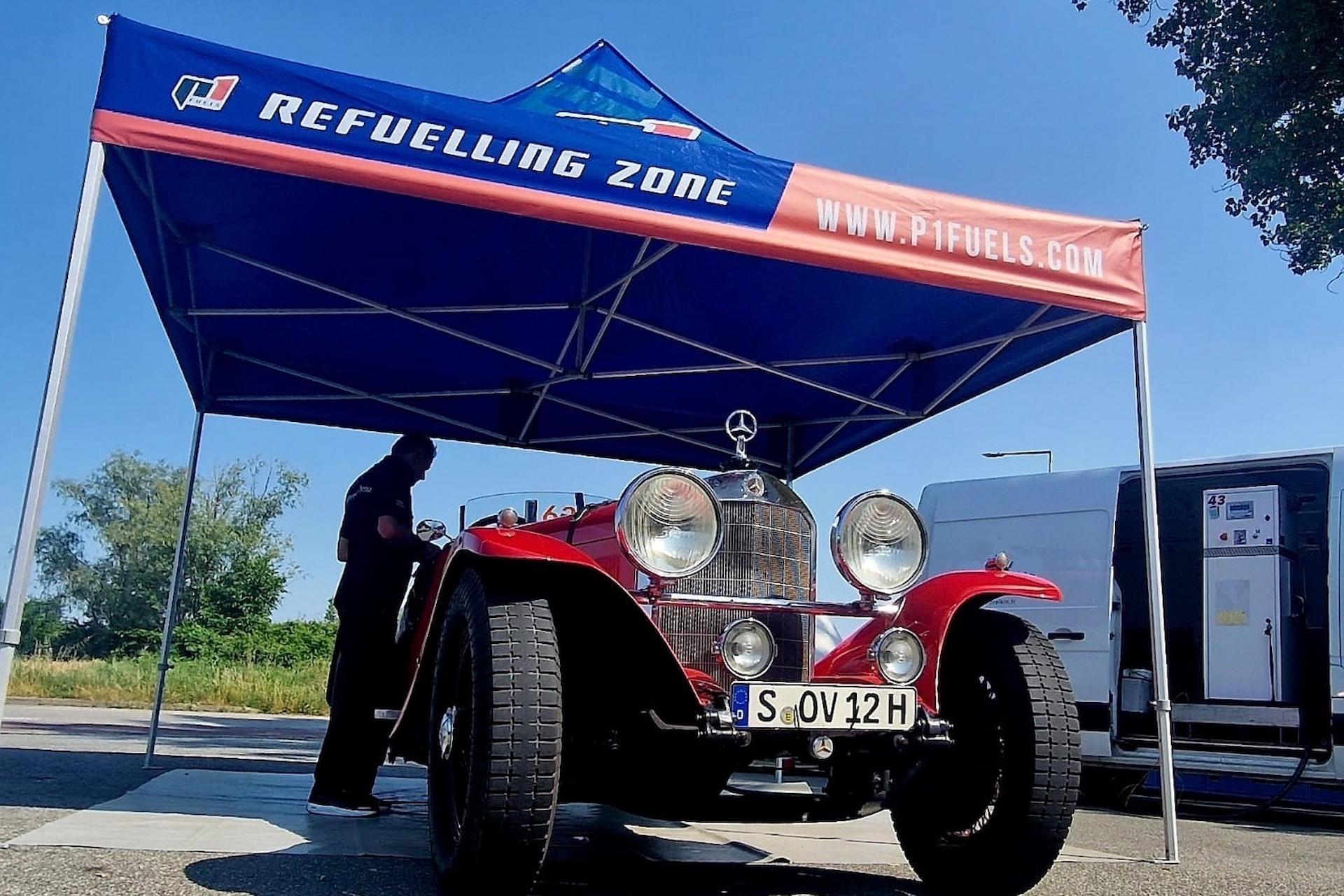
Brescia, Italy, 20 June 2023 In a historic milestone for the automotive industry and the world of historic car enthusiasts, a Mercedes-Benz SSK, three Mercedes-Benz SL300 Gullwings, an Alfa Romeo 6C Gasogene and a pre-war 4.5-litre Bentley successfully completed the renowned Mille Miglia on 100% synthetic, carbon-neutral fuel supplied by P1 Fuels, without any modifications. […]

Mercedes-Benz Classic at Retromobile 2015
26
0
ArticleJanuary 26, 2015

Mercedes-Benz Classic at Retromobile 2015

The best or nothing: ever since the automobile was invented, the Mercedes-Benz brand’s history has been shaped by strong values and ideas. Mercedes-Benz Classic is demonstrating this with its appearance at this year’s Rétromobile exhibition in Paris between 4 and 8 February 2015. For the 40th edition of this specialist show devoted to classic cars, […]

Highlights of the the Mercedes-Benz 540 K Streamliner
19
15,056
ArticleMay 26, 2014

Highlights of the the Mercedes-Benz 540 K Streamliner

Its history, at a glance Built in the first half of 1938. Delivered in June 1938 to tyre manufacturer Dunlop. Employed for the testing of high-performance tyres for particularly fast and heavy vehicles. Adopted into the collection of the Mercedes-Benz Museum during the 1950s. 2011: Starting signal given for full restoration to original condition at […]

Mercedes-Benz 540 K Streamliner: Ahead of its time
18
0
ArticleMay 26, 2014

Mercedes-Benz 540 K Streamliner: Ahead of its time

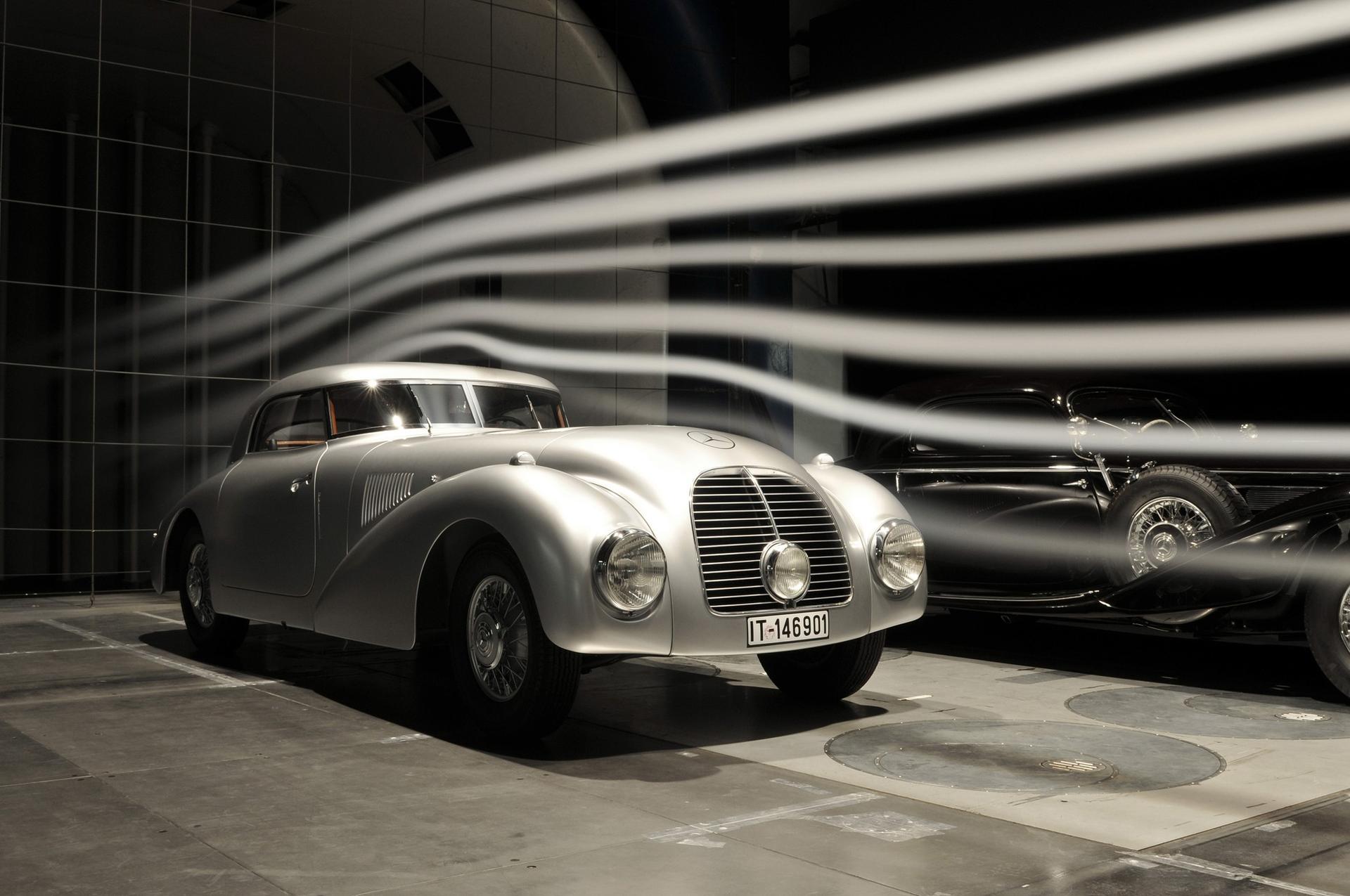
The ultimate in aerodynamics Mercedes-Benz 540 Streamliner: awakened to new life Highly complex project from Mercedes-Benz Classic Heralding the days of aerodynamics and high driving speeds Cd = 0.36 – exquisite for a vehicle from the 1930s Mercedes-Benz Classic presents the Mercedes-Benz 540 K Streamliner to the general public – an exceptional vehicle that never […]

Mille Miglia 2014 – Mercedes Benz
20
0
ArticleMay 8, 2014

Mille Miglia 2014 – Mercedes Benz

Mille Miglia 2014: strong showing by Mercedes-Benz Classic pays homage to historic successes in thousand-mile race The Mille Miglia victories of 1931 and 1955 are highlights of 120 years of Mercedes-Benz motorsport history Exclusive compressor-sports car models SS and SSLK and 300 SL racing and production sports cars dominate strong showing of Mercedes-Benz The “Mercedes-Benz […]

Mercedes-Benz Classic Life
18
0
ArticleApril 11, 2014

Mercedes-Benz Classic Life

More than 200 pages of reading matter and photos for fans of the brand A look back at the Classic events of 2013 Music to match: vinyl record with eight jazz tracks is enclosed Stuttgart. – “Mercedes-Benz Classic Life #1” is a new publication which has been created in cooperation with Mercedes-Benz Classic. premiummedia GmbH […]

Mercedes-Benz SL R129 Celebrates 25 Years
18
14,664
ArticleFebruary 28, 2014

Mercedes-Benz SL R129 Celebrates 25 Years

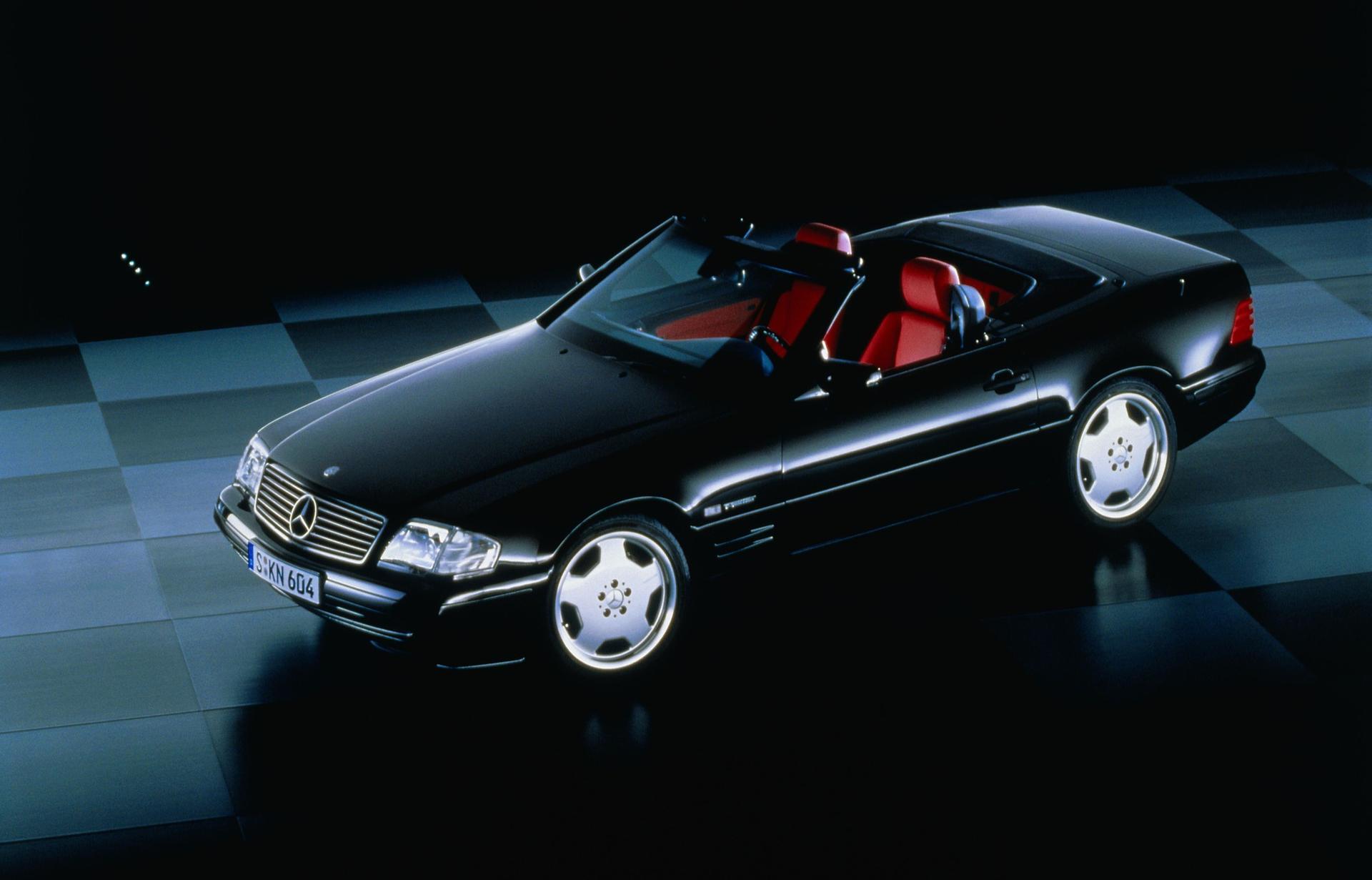
A technological trailblazer celebrates its 25th anniversary: Mercedes-Benz SL, R 129 model series (1989 to 2001 ) Numerous innovations, from the automatic roll-over bar to the integral seat Twelve-cylinder engine made its debut in the SL of the R 129 model series Official AMG versions of the SL became available for the first time The Geneva […]

Mercedes Benz Heritage: The highlights of the S-Class and its predecessors
18
0
ArticleJuly 5, 2013

Mercedes Benz Heritage: The highlights of the S-Class and its predecessors

The Mercedes-Benz S-Class and its predecessors have always stood for innovative automotive engineering. Over the years, they have continually brought new features to the market which have then found widespread acceptance. Here is a brief overview of the special features in each model series.

Frank Knothe Pioneer in Mercedes-Benz S-Class Vehicle Safety
21
19,319
ArticleMay 6, 2013

Frank Knothe Pioneer in Mercedes-Benz S-Class Vehicle Safety

Technical-physical solutions for a perfect vehicle concept: Frank Knothe – Born in Dresden on 24 February 1942 Mercedes-Benz S-Class: pioneer in vehicle safety In his professional career as an engineer, Frank Knothe had a hand in developing numerous Mercedes-Benz passenger car model series. On 1 July 1991, he succeeded the well-known head of testing, Hans […]

Mercedes-Benz S-Class: The shaping force of modern safety engineering: Professor Guntram Huber
26
6,936
ArticleMay 6, 2013

Mercedes-Benz S-Class: The shaping force of modern safety engineering: Professor Guntram Huber

The shaping force of modern safety engineering: Professor Guntram Huber – Born in Landshut on 20 March 1935 In his work as a design engineer, Guntram Huber devoted his entire professional life to Mercedes-Benz brand vehicles, influencing and fashioning countless safety features up to production launch. Alongside bodies developed according to the latest findings in […]

Mercedes-Benz S-Class: pioneer in vehicle safety
8
10,553
ArticleMay 6, 2013

Mercedes-Benz S-Class: pioneer in vehicle safety

Mercedes-Benz S-Class – a pace setter and a fine example of vehicle safety Major innovations in vehicle safety shape the history of the Mercedes-Benz S-Class Daimler continually sets the standard for the entire vehicle industry with new solutions Stuttgart – This history of the Mercedes-Benz S-Class is a history of vehicle safety at the highest […]