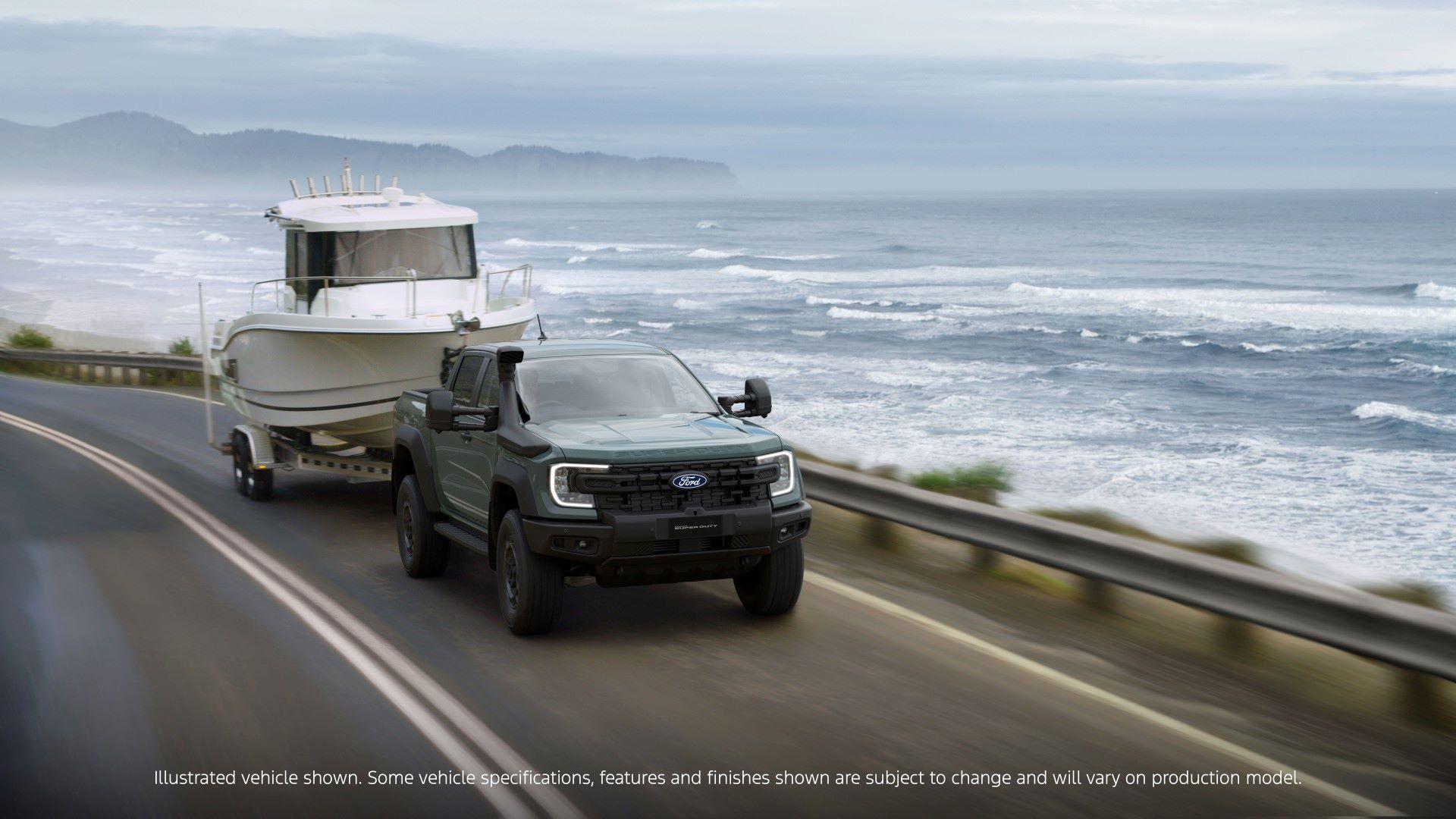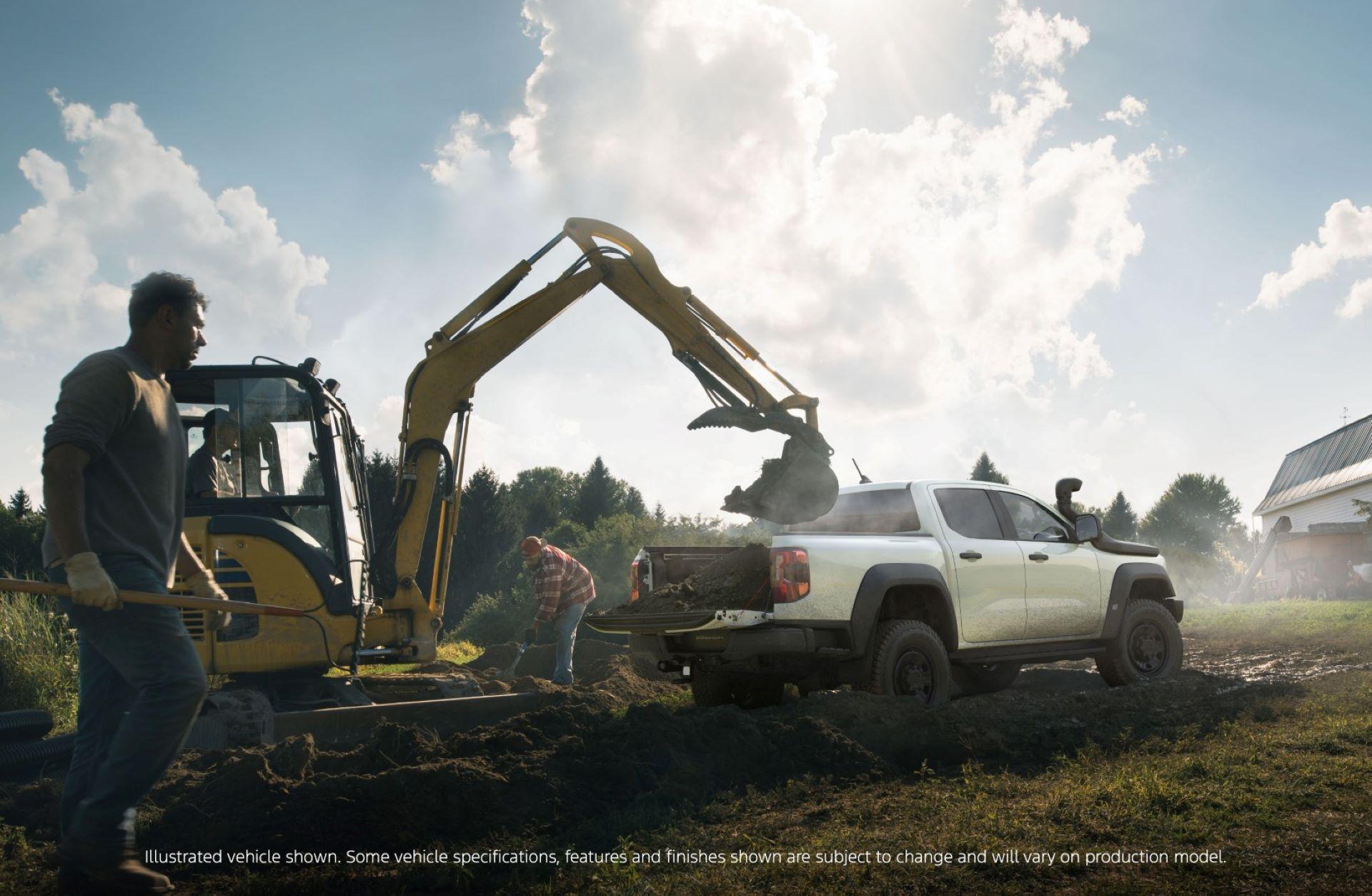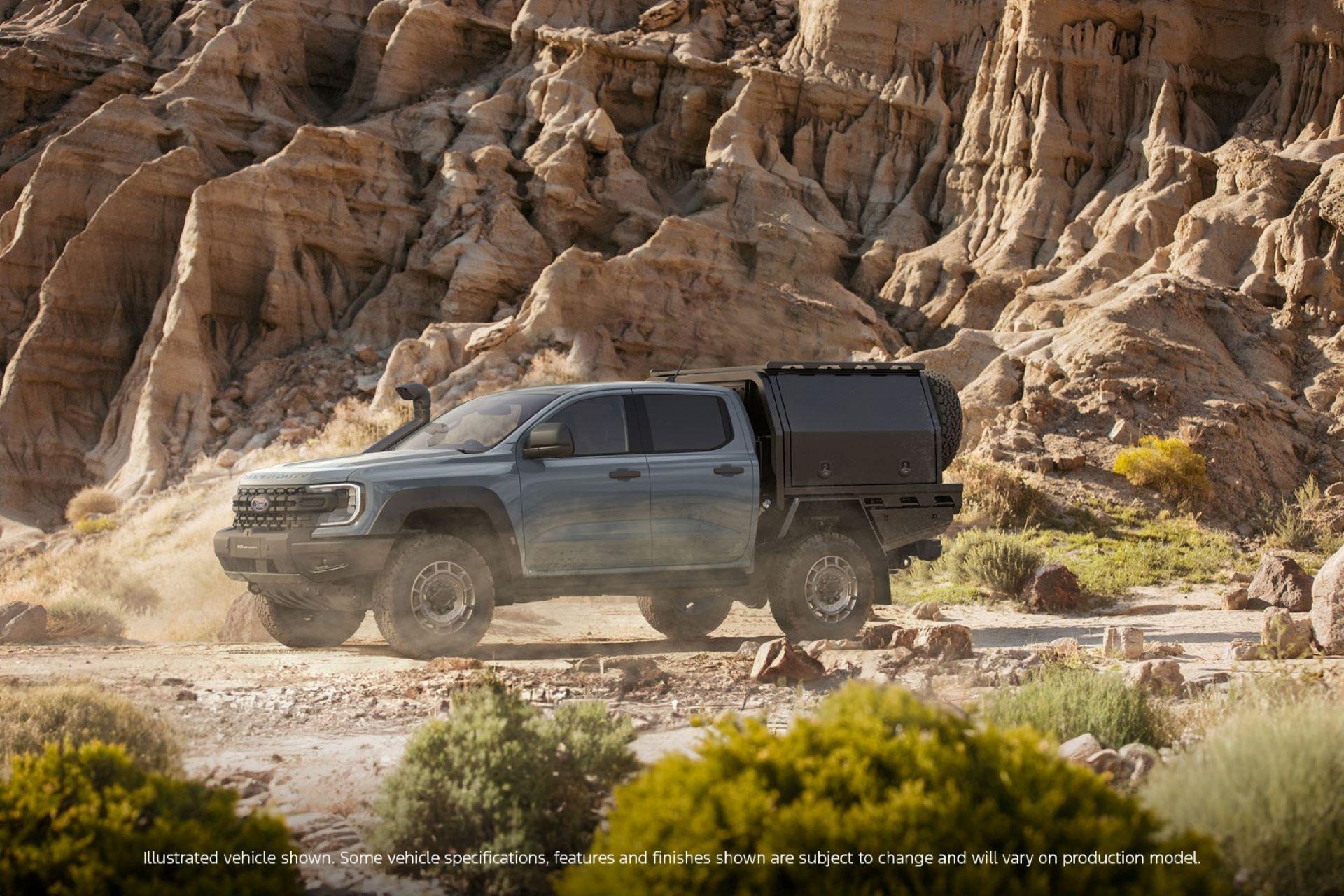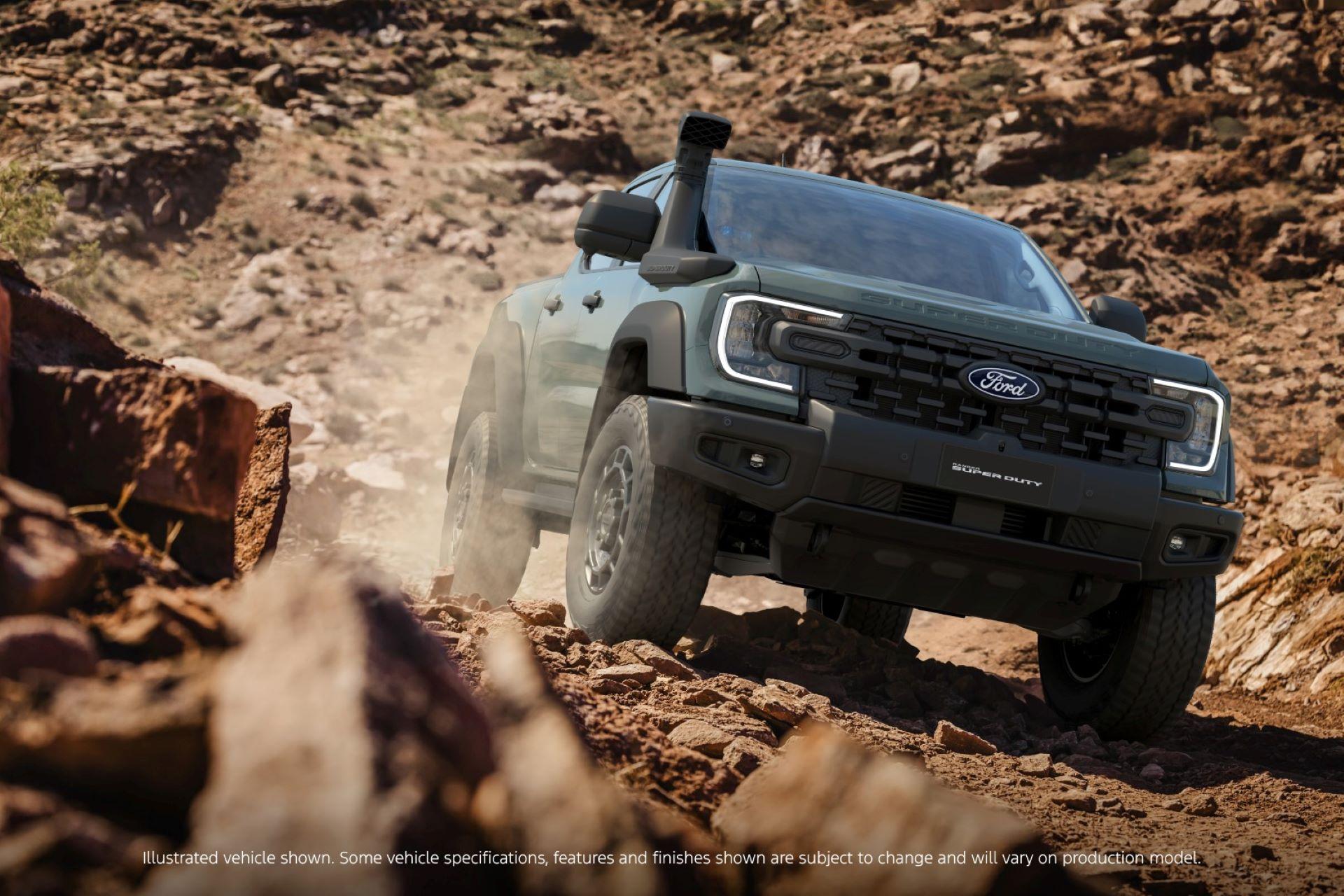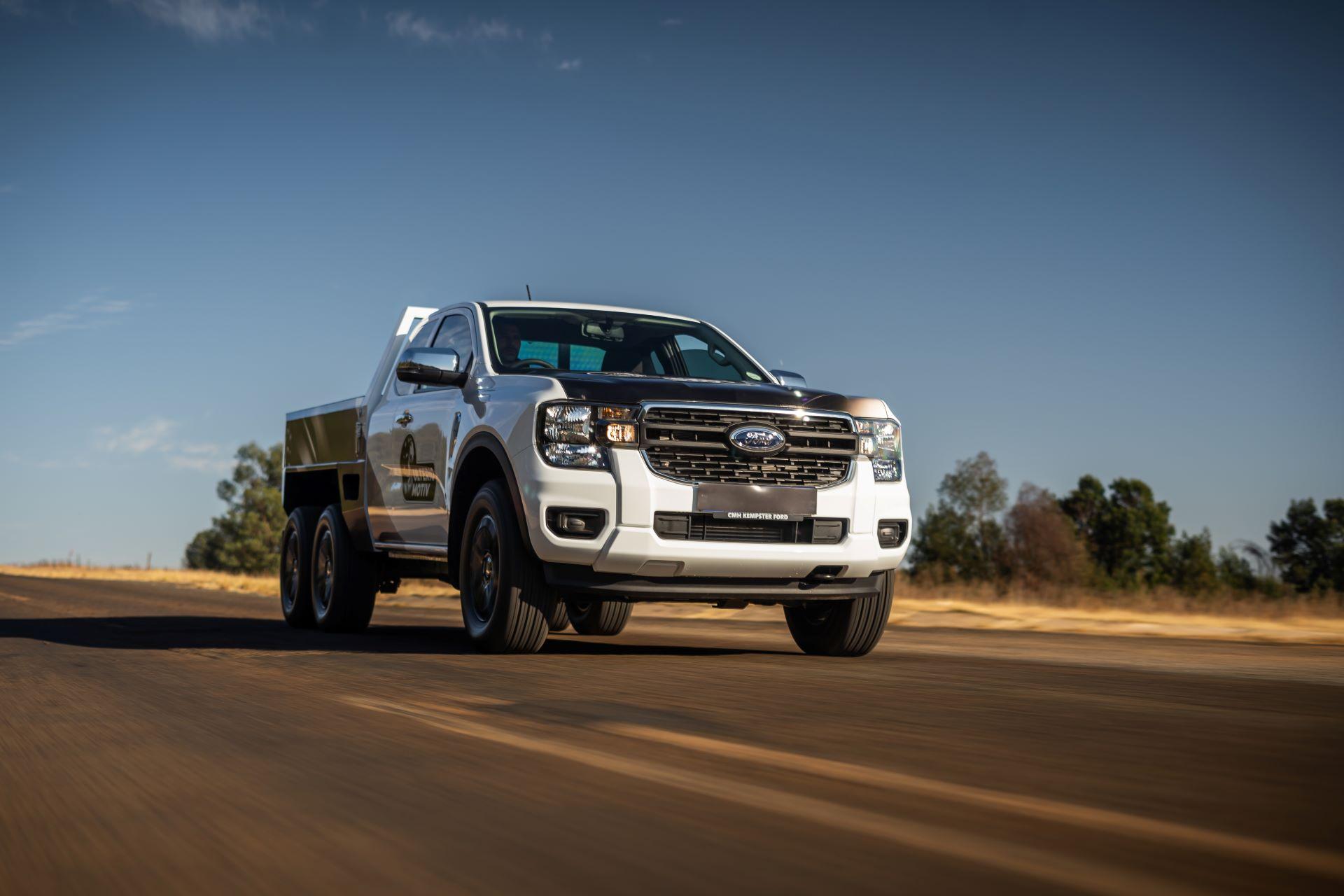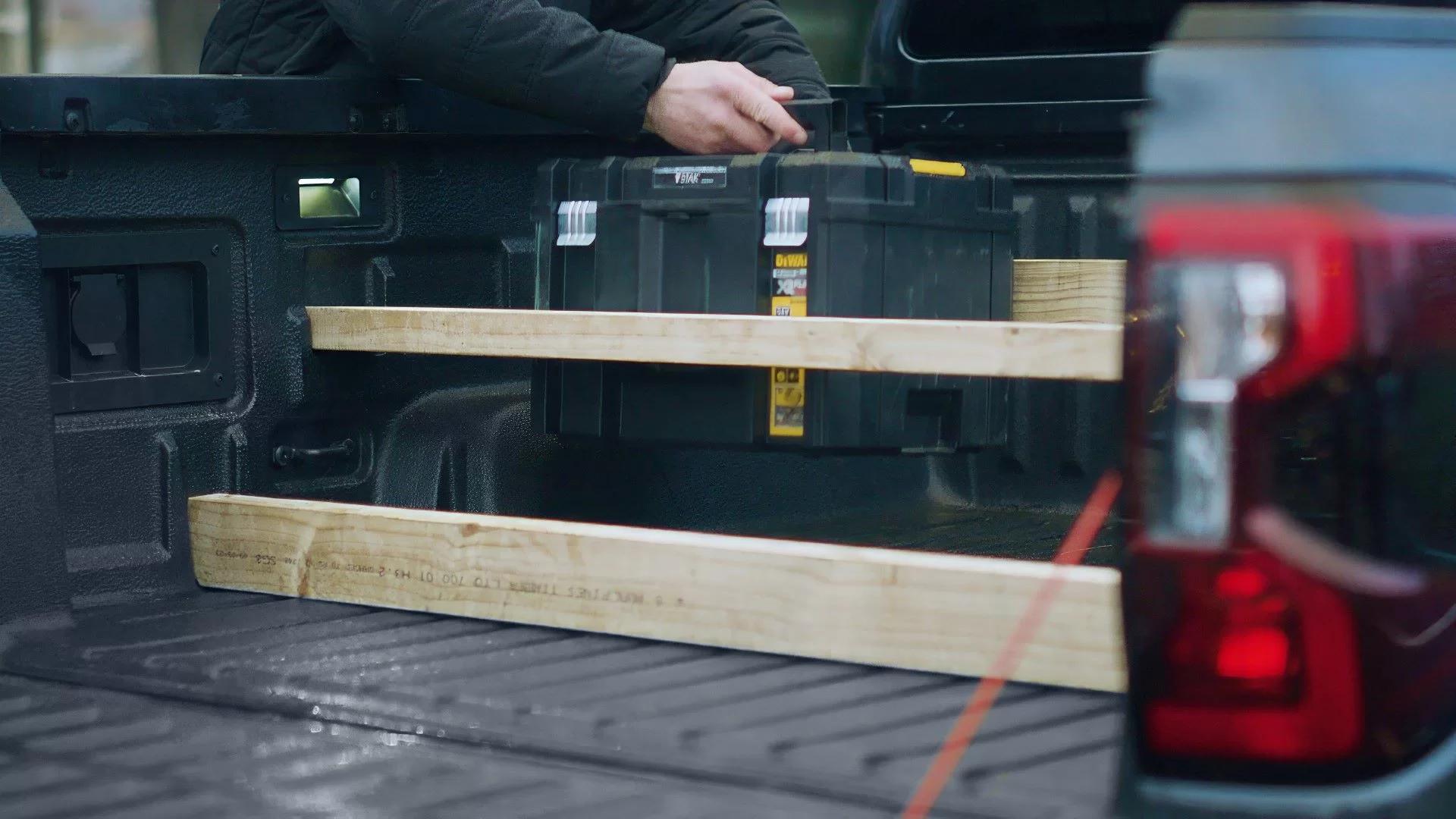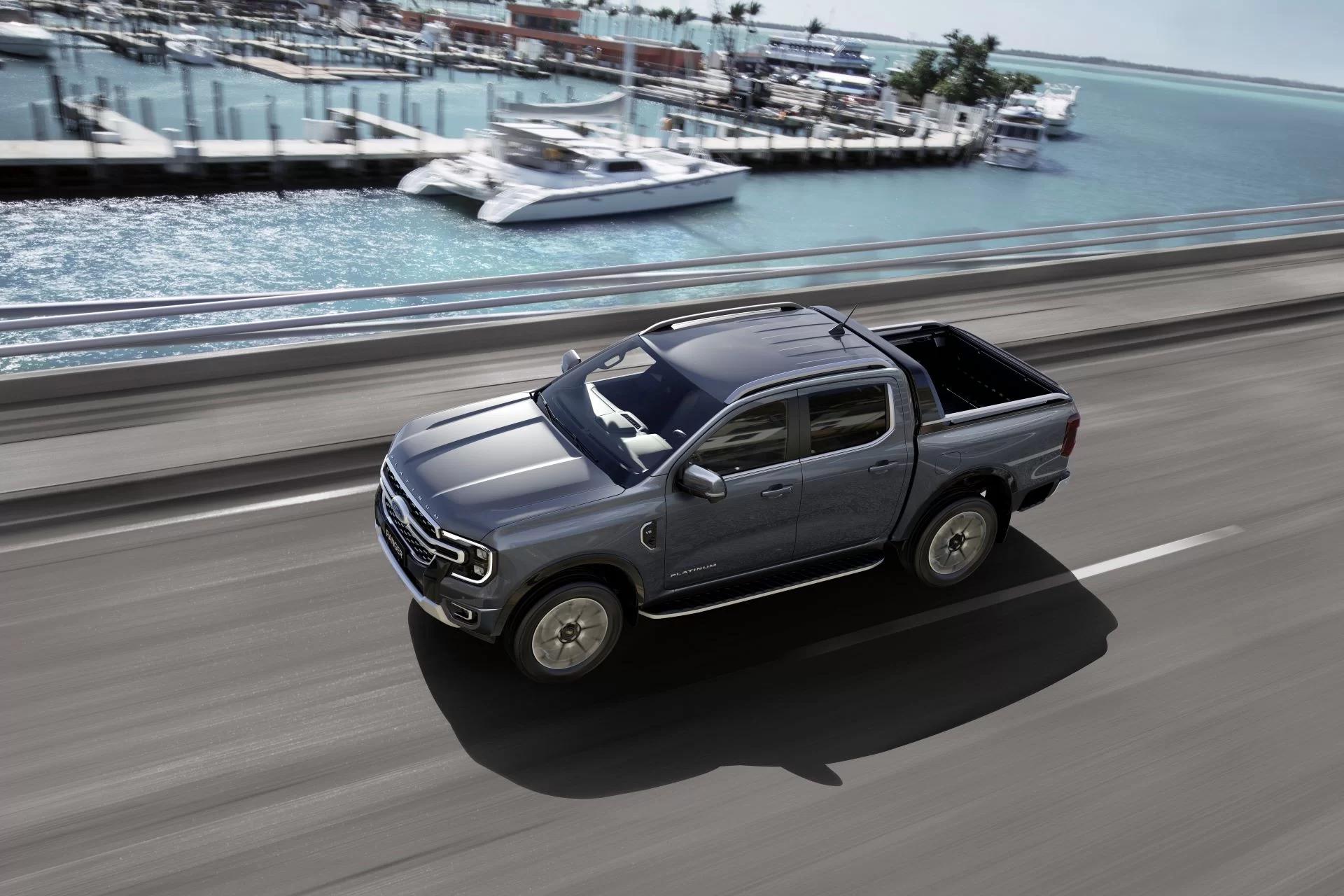


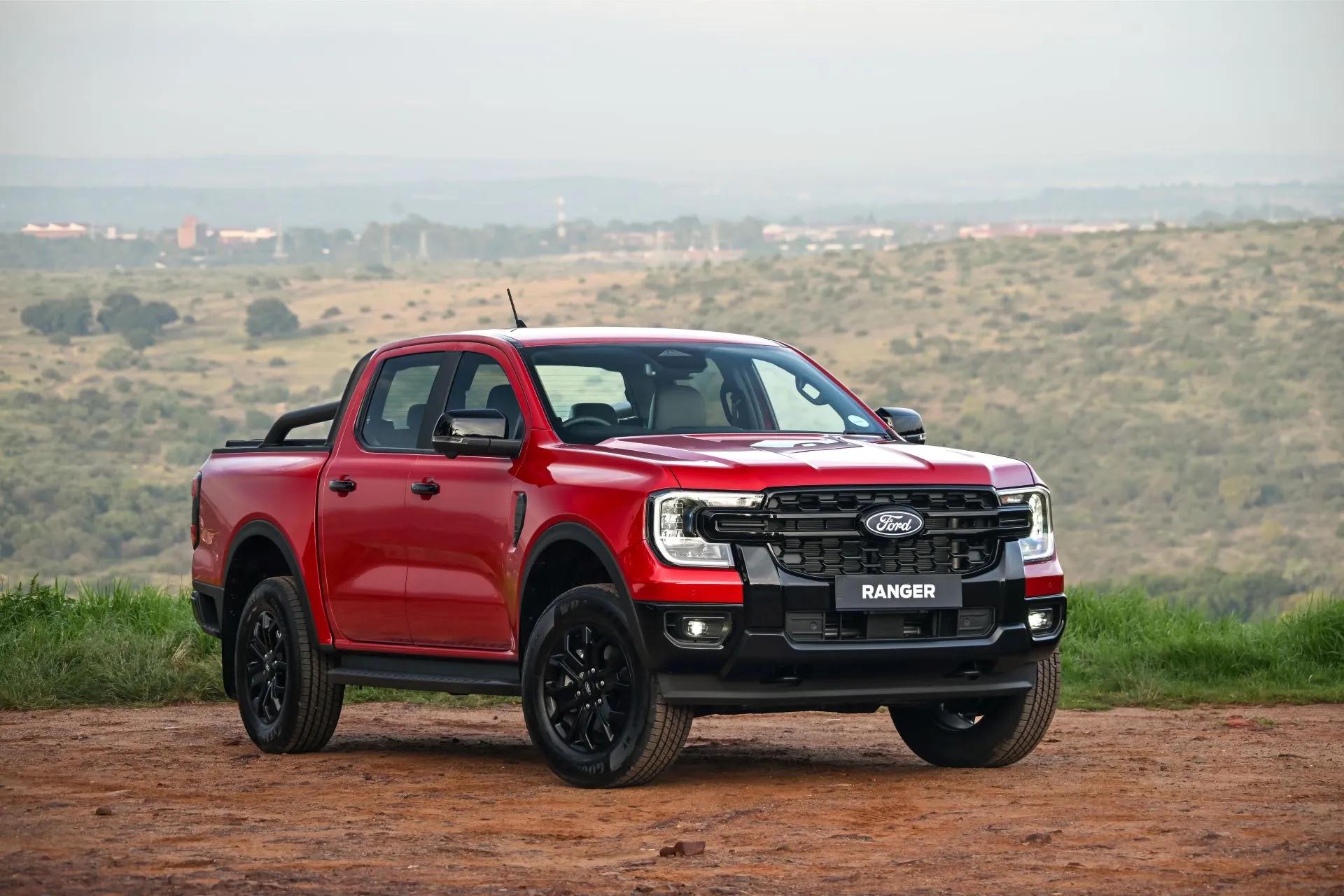
Ford South Africa has sharpened one of its most formidable tools, giving the Ranger line-up a carefully calculated evolution for 2026. Already a dominant force in the local bakkie landscape, the latest updates feel less like a reinvention and more like tightening the bolts on a machine that already knows how to work, play and occasionally show off.
At the heart of the refresh is a restructured model range that now spans 23 derivatives across Single Cab, Super Cab and Double Cab configurations. It’s a spread designed to cover everything from fleet-focused workhorses to family-ready adventurers, each variant slotting neatly into a spectrum of affordability, capability and premium appeal.
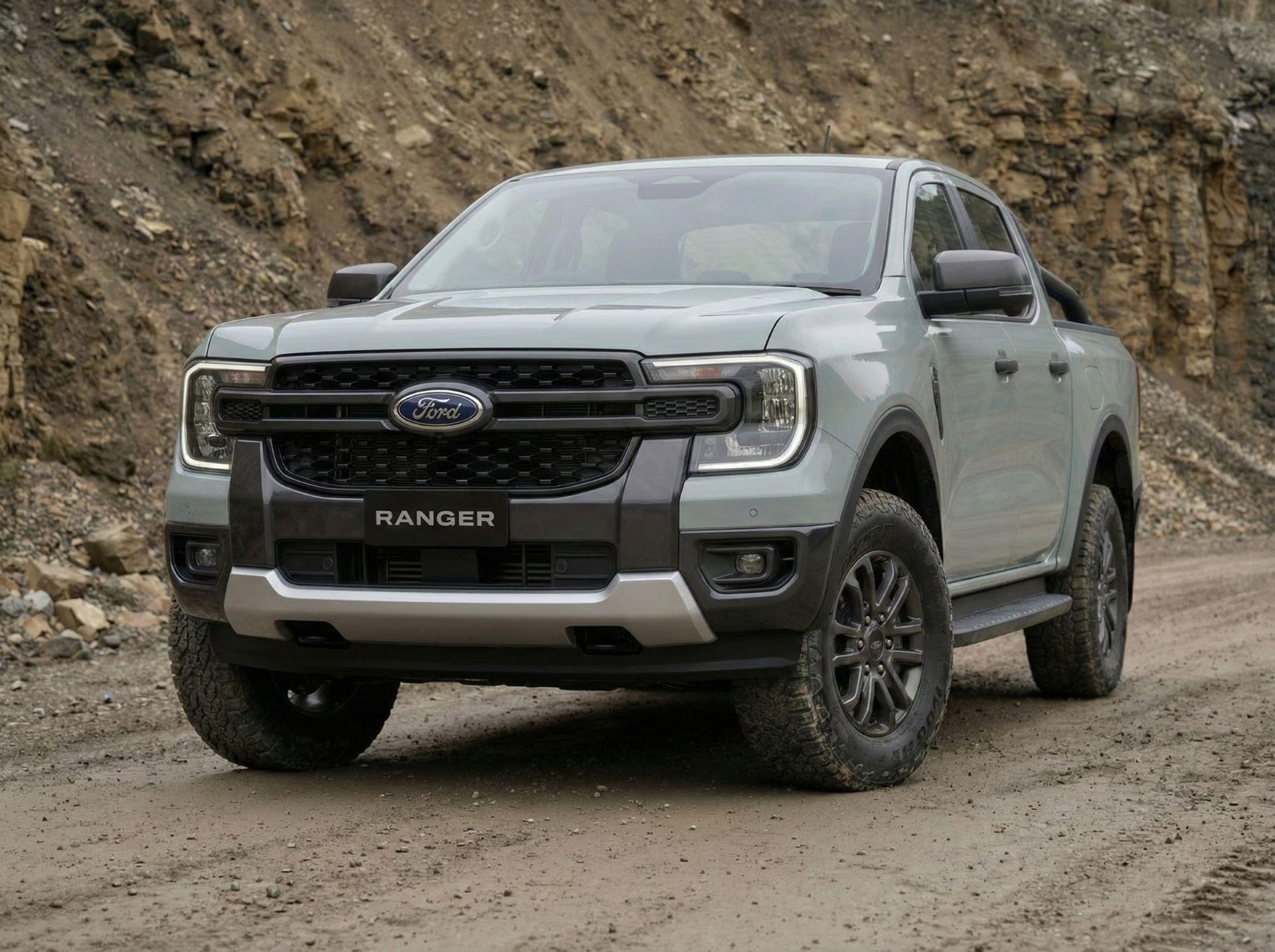
The headline act, though, is the introduction of the Ranger Sport. Positioned between the ever-popular XLT and the more indulgent Wildtrak, it arrives as a kind of sweet spot for buyers who want a bakkie that can switch between weekday graft and weekend escape without changing its tone. Available in both Super Cab and Double Cab forms, the Sport offers two distinct personalities. The 2.3-litre EcoBoost petrol engine, making its Ranger debut, delivers a potent 222kW and 452Nm, bringing a more spirited, refined edge to on-road driving. For those who prefer their performance with a side of mud and muscle, the 3.0-litre V6 turbodiesel paired with a 4x4 drivetrain answers with authority.
That V6 turbodiesel continues to spread its influence across the range, no longer reserved for a select few. Now powering the Wildtrak Super Cab 4x4 and the Ranger Tremor Double Cab 4x4, it replaces the outgoing 2.0-litre Bi-Turbo diesel and brings with it a noticeable step up in torque-rich performance. With 184kW and 600Nm on tap, it transforms towing and off-road driving into something that feels almost effortless, as if the vehicle is quietly doing the heavy lifting while you simply point it in the right direction.
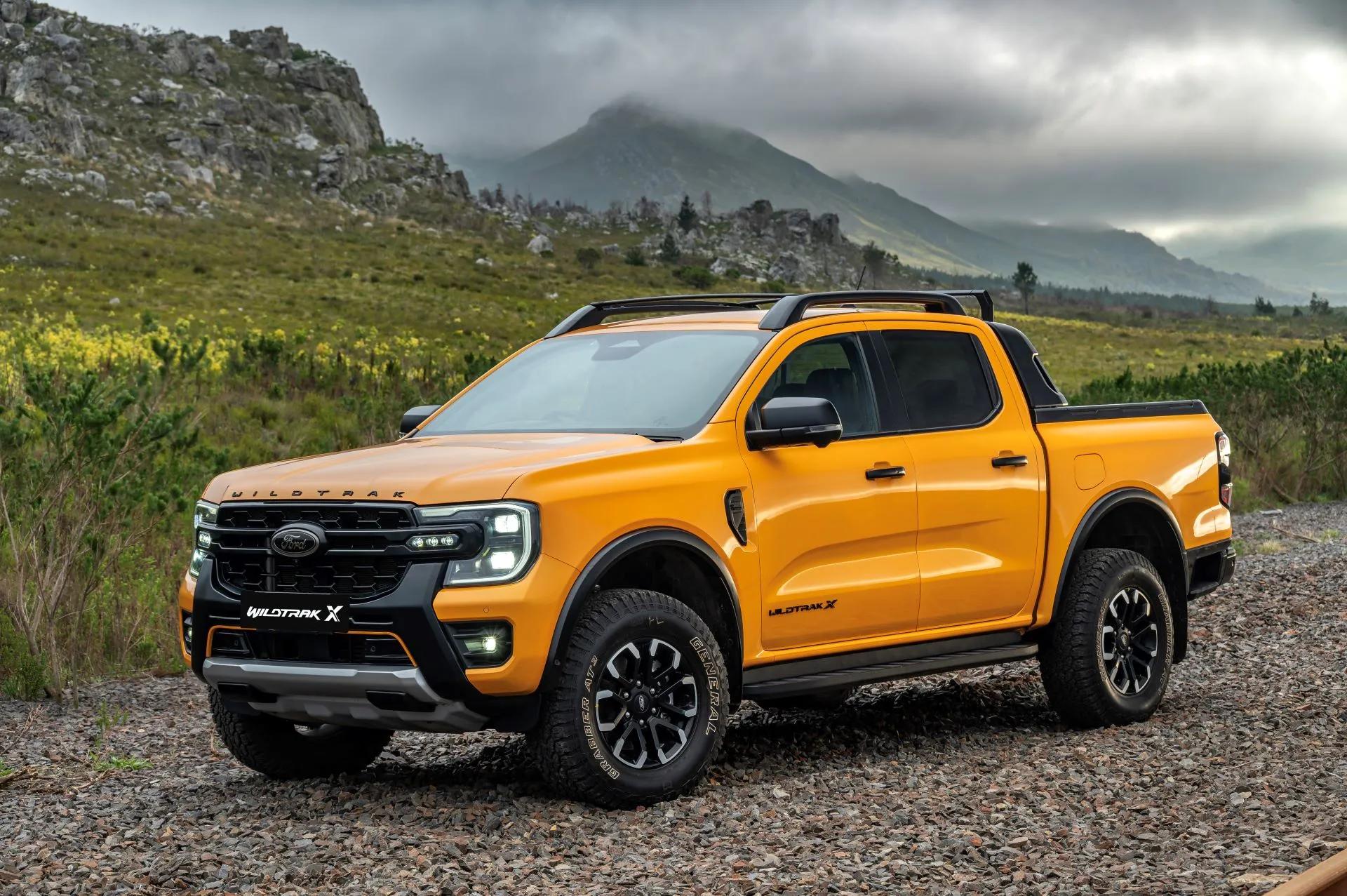
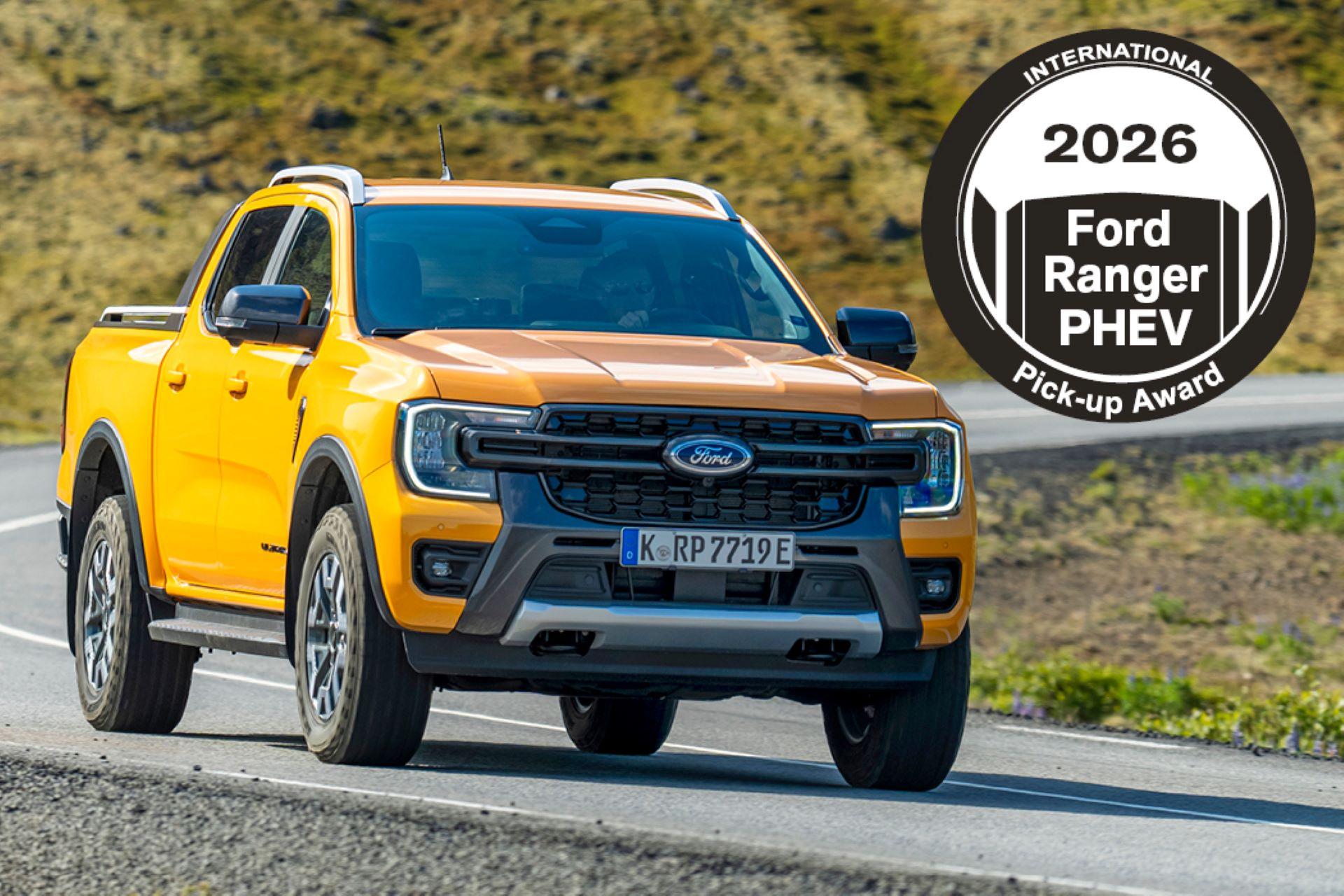
The Wildtrak itself evolves with a subtle but meaningful shift. The Double Cab 4x2 adopts the new EcoBoost petrol engine, appealing to drivers who spend more time on tar than trail, while the 4x4 variant retains the V6 turbodiesel for those who need its full breadth of capability. The Wildtrak X, meanwhile, steps away as a standalone derivative and instead becomes a configurable package, allowing buyers to tailor their off-road ambitions without committing to a single predefined formula.
Further down the range, the XLT continues to hold its ground as a dependable all-rounder. Powered by the upgraded 2.0-litre single-turbo diesel engine producing 125kW and 405Nm, it strikes a careful balance between performance, efficiency and value. The engine itself benefits from a revised timing chain designed to enhance durability and reduce long-term maintenance complexity, a small but meaningful upgrade that speaks to real-world ownership.
The Ranger XL, now more focused than ever, leans into its role as the backbone of the line-up. It’s built for business, but not at the expense of flexibility. With multiple drivetrain and transmission options, including a retained 6-speed manual alongside the now-standard 10-speed automatic, it remains adaptable to a wide range of operational needs.
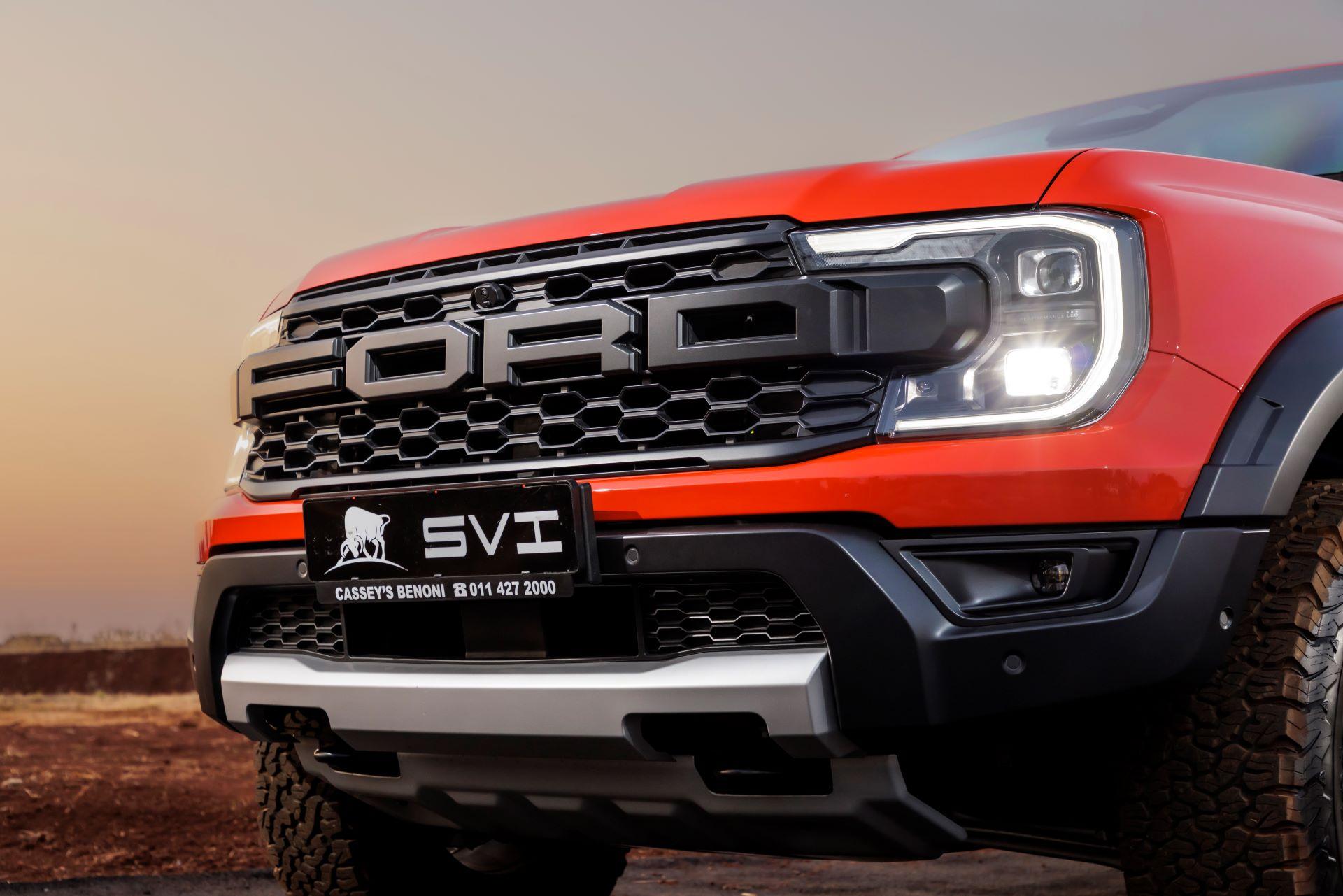
At the upper end, the Ranger Platinum continues to deliver a near-luxury experience wrapped in bakkie form, while the Ranger Raptor stands unapologetically apart. With its 3.0-litre twin-turbocharged V6 petrol engine producing 292kW and 583Nm, combined with a race-bred suspension setup, it feels less like a utility vehicle and more like something that escaped from a desert rally stage and decided to stay.
Across the board, Ford has standardised its 10-speed automatic transmission on all automatic derivatives, ensuring smoother shifts and more efficient power delivery regardless of engine choice. It’s a unifying thread that ties the diverse range together, giving each model a consistent sense of refinement.
Beyond the mechanical updates, the Ranger’s appeal is reinforced by Ford’s broader ownership ecosystem. The Ford Family Promise bundles together service plans, warranties and roadside assistance, along with flexible finance and convenience-driven service options. It’s the kind of support structure that quietly underpins the ownership experience, ensuring the Ranger remains as practical off the road as it is on it.
With pricing stretching from R590 000 for entry-level Single Cab models to just under R1.3 million for the range-topping Raptor, the 2026 Ranger portfolio casts a wide net. But that’s precisely the point. Whether it’s hauling tools, towing trailers, carrying a family or chasing horizons, this latest iteration doesn’t try to be one thing. It simply aims to be ready for everything.