



Buying a used car in South Africa: how to assess one before you commit
A used car can offer more choice for your budget, but a low asking price tells you little about its condition. The useful question is what you are buying: the particular vehicle, its documented history, its present condition and the costs likely to follow.
A careful inspection cannot guarantee that nothing will go wrong. It can, however, help you identify gaps in the information and decide whether an independent assessment is needed before you pay.
Choose your budget before the car
Set aside money for the purchase and for expenses after handover. Insurance, registration-related costs, a possible service, replacement tyres and repairs can arrive sooner than expected. Get insurance quotations using the exact vehicle details rather than assuming that two cars with similar prices will cost the same to cover.
If you plan to finance the purchase, compare the total amount repayable, interest, fees and the consequences of a deposit or balloon payment. A lower monthly instalment can look attractive while leaving a large final payment. Read the agreement and ask the finance provider to explain anything you do not understand before signing.
A vehicle that consumes your entire budget may leave little room to address neglected maintenance. Keeping a reserve makes a more modest but well-maintained example worth considering alongside a newer or more luxurious alternative.
Match the vehicle to your life
List your regular passengers, the distances you drive and the luggage you carry. Consider parking space, security and the type of roads you use. A large vehicle may be useful for a family holiday but awkward to park every day; a smaller one may be easier to live with but lack space for a child's seat and pram together.
Research the model's service requirements and the local availability and cost of parts. Ask an independent workshop familiar with the model about common inspection points, but do not assume every reported online problem affects every example. Service history and present condition matter more than a single comment on a forum.
Check the paperwork against the car
Ask to see the vehicle's identification number and compare it with the relevant registration and ownership documents. Check the seller's identity and authority to sell. If the vehicle is being sold on behalf of a business or another person, ask for evidence of that authority and confirm payment arrangements independently.
Review the service book and invoices for dates, mileage, work completed and the identity of the workshop. A stamped book is useful, but invoices can provide detail about what was actually done. Gaps or inconsistent readings deserve an explanation; they do not automatically prove dishonesty, but they should be resolved before you proceed.
Ask the manufacturer or authorised dealer whether outstanding safety recalls or service campaigns apply to the vehicle's VIN, and how completion can be verified. Recall records and search tools can be market-specific, so a result for an overseas version does not establish the South African car's status.
Inspect in daylight
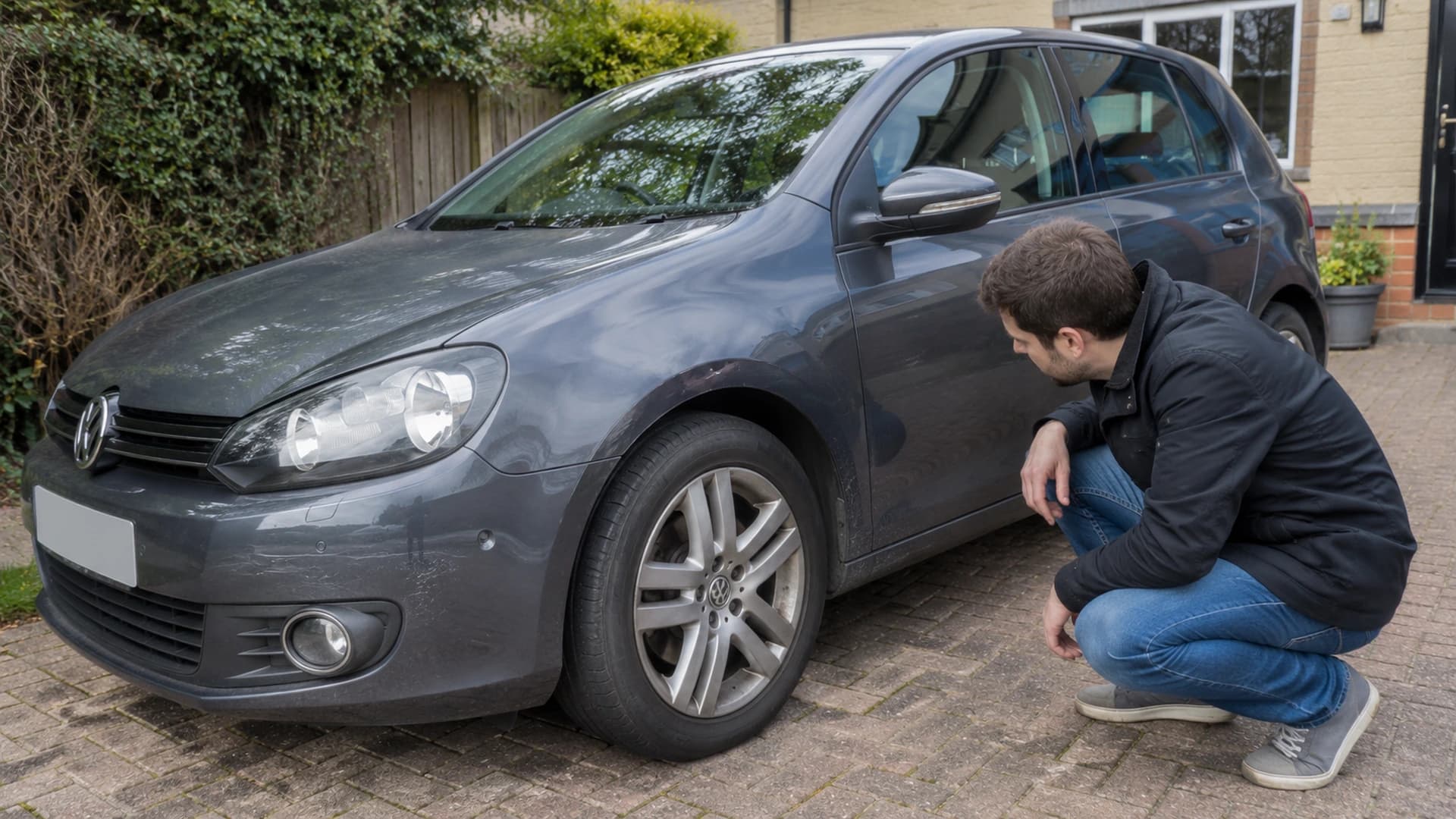
View the car in good light and, where possible, when it is dry. Walk around it and look for uneven panel gaps, mismatched paint, damaged lights and signs of corrosion. Previous repairs are not necessarily a reason to walk away, but ask what happened and request evidence of the repair. A professional inspection is especially valuable where structural damage is suspected.
Check all tyres, including the spare if supplied, for uneven wear, cuts and visible damage. Confirm that the jack and tools are present where the vehicle was supplied with them. Inside, try the windows, locks, air conditioning, lights and infotainment controls. Unusual smells or damp carpets merit further investigation.
Look under the bonnet for obvious leaks, damaged hoses or loose items. Do not open a hot cooling system or touch moving components. If anything concerns you, record it for a technician rather than attempting a roadside diagnosis.
Drive it and arrange an inspection
With the seller's permission and appropriate insurance, test the car on a route that includes stops, turns and a suitable faster section. Check whether it starts cleanly, tracks consistently and changes gears smoothly. Listen for unusual noises and watch for warning lights. Do not perform dangerous braking tests or drive beyond the road conditions.
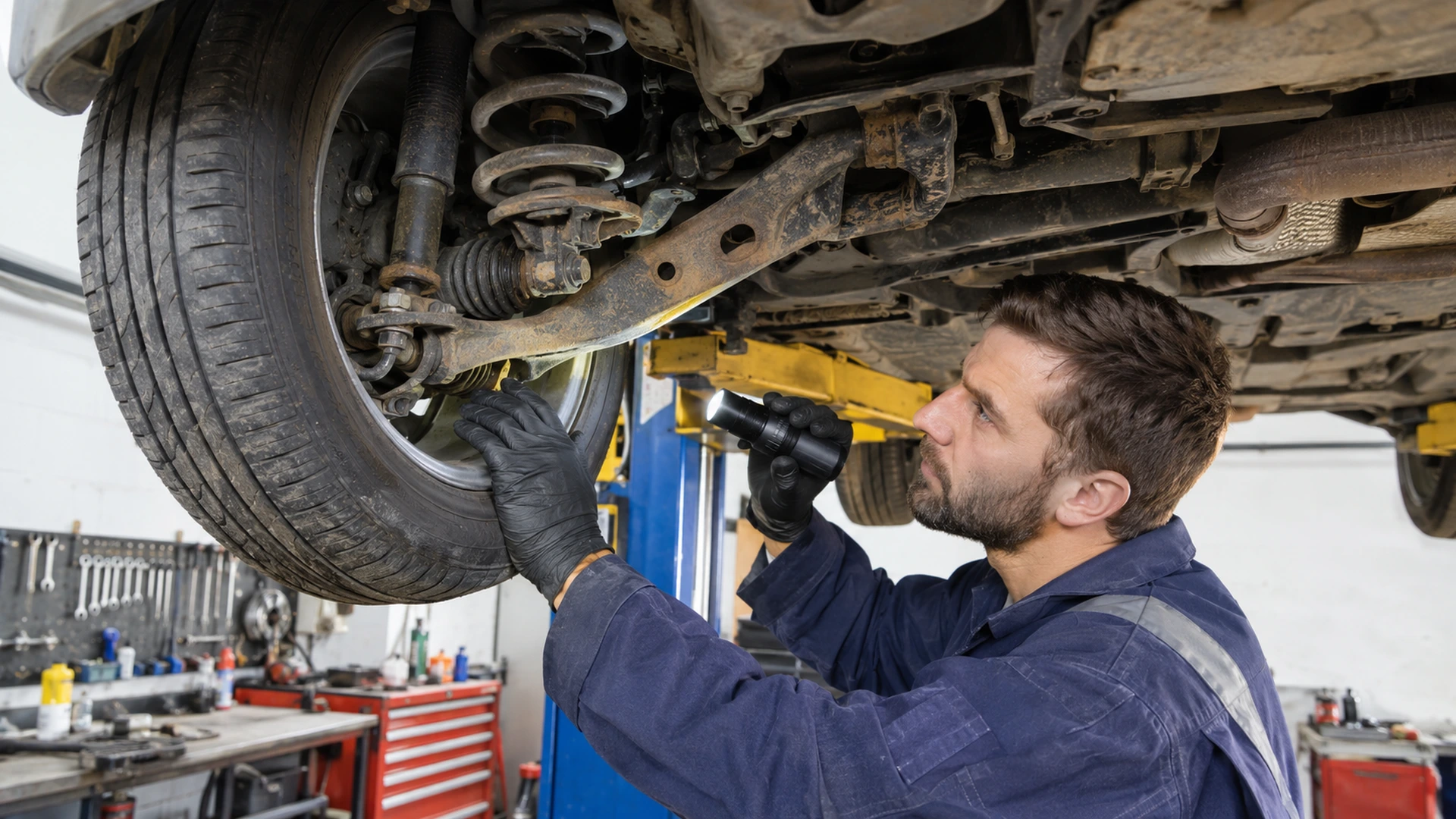
Then arrange an independent pre-purchase inspection with a qualified technician or reputable assessment provider. Agree on the scope and cost beforehand. The inspection should cover safety items, visible condition and diagnostic checks where appropriate. Ask for a written report and a repair estimate, and confirm what the inspection does not cover.
Complete the transaction carefully
Use the findings to decide whether to negotiate, request repairs or walk away. Get any agreed repairs and the vehicle's included equipment recorded in writing. Check the sales agreement, applicable warranty or guarantee terms and the process for transferring ownership. Rules and available protections can differ between a dealer and a private sale, so seek appropriate advice if uncertain.
Verify banking details using a trusted, independently obtained contact method. Avoid pressure to pay before you can examine the car and documents. Keep copies of the agreement, proof of payment and handover documents.
The best used car is not necessarily the cheapest one advertised. It is the vehicle whose condition, history and running costs you understand well enough to make a confident decision.
Comments
Newest firstLoading comments…