


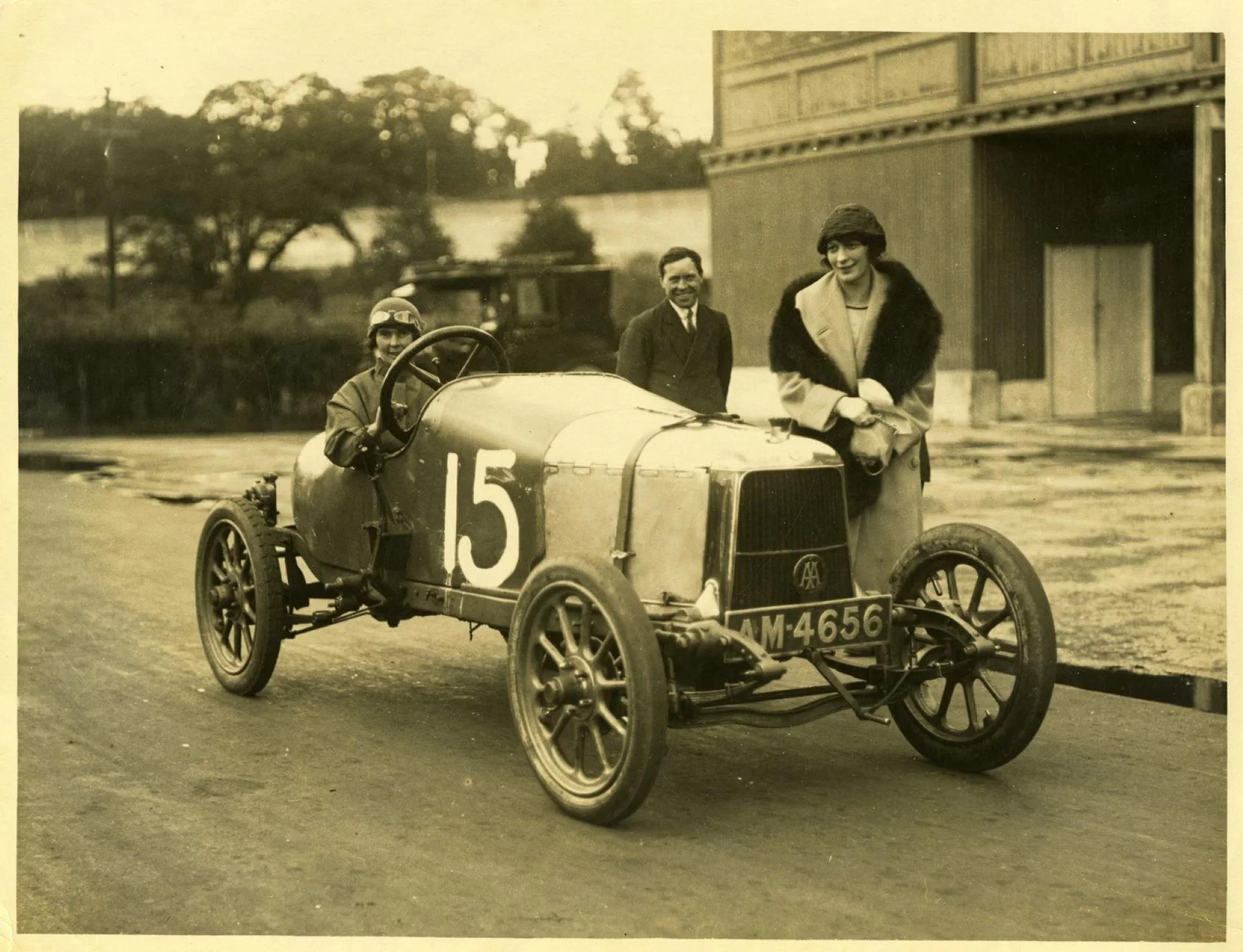
Thursday, 22 August 2024: The Aston Martin Heritage Trust (AMHT) has announced an exciting quest to locate a piece of British automotive history – the ‘Coal Scuttle,’ the very first car ever produced by the iconic sports car manufacturer Aston Martin. Manufactured in 1914, just a year after the establishment of Bamford & Martin Ltd, which would later become Aston Martin, this early model has been missing for nearly a century.
Nicknamed ‘Coal Scuttle’ due to its rudimentary design that resembled the traditional coal container of the time, the car was created by a small team led by founders Lionel Martin and Robert Bamford. This first prototype, retrospectively assigned the chassis number A1, played a pivotal role in establishing the brand’s reputation during its early years.
The journey of the ‘Coal Scuttle’ saw it sold in 1924 for £50, a considerable sum at the time. However, its trail went cold shortly after its sale, and the car has since disappeared without a trace. Now, 110 years after its creation and 100 years after its sale, the AMHT is calling on car enthusiasts worldwide to help in locating this invaluable piece of Aston Martin’s heritage.
The AMHT’s annual festival, which will be held at the British Motor Museum in Gaydon on Saturday, 31 August, provides the perfect backdrop for this global search. Garry Taylor, Trust Treasurer, expressed the organization’s eagerness to find the ‘Coal Scuttle.’ “We are very fortunate to have the oldest known Aston Martin in existence, now known as A3, along with extensive records and priceless artefacts from the brand’s history. However, ‘Coal Scuttle’ remains elusive. As we prepare for our annual festival, we hope car enthusiasts will help us uncover this missing piece of our past.”
Built during the summer of 1914, the ‘Coal Scuttle’ was an ambitious attempt to create a high-quality sports car to rival the likes of Bugatti. The outbreak of the First World War interrupted its development, but Lionel Martin managed to formally register the car under the ‘Aston-Martin’ name on March 16, 1915. After the war, the car was put through its paces, including a notable participation in the London to Edinburgh Trial, where it earned a Gold Medal for its performance.
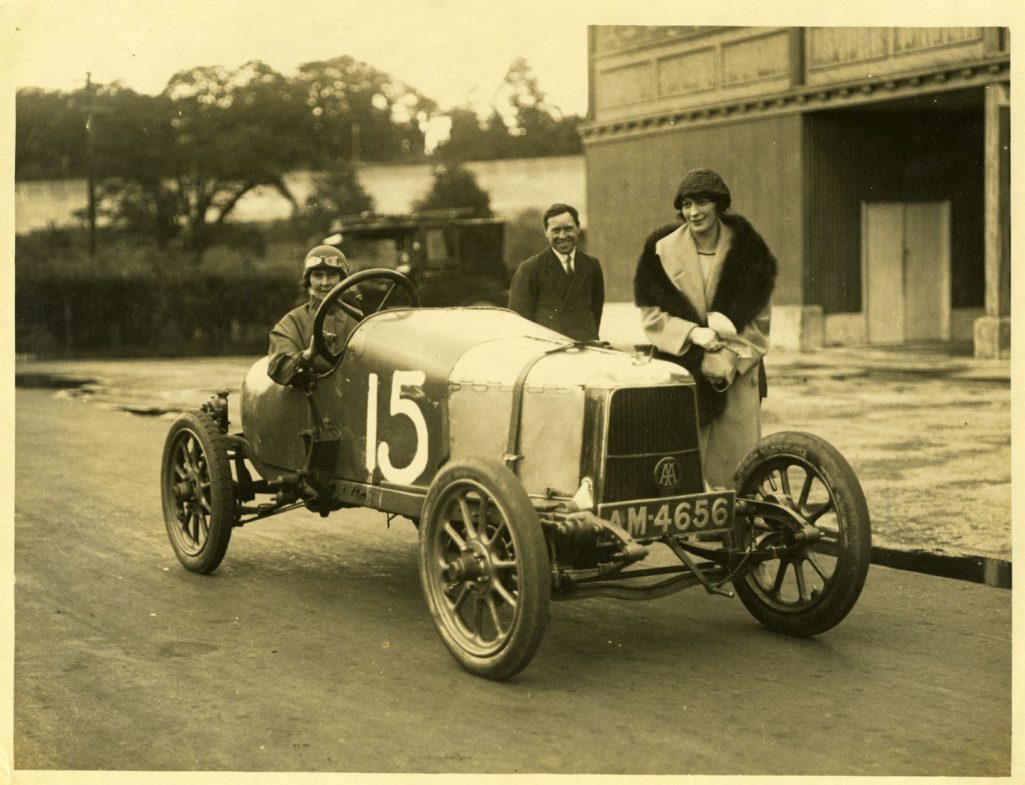
The car continued to be tested and showcased throughout the early 1920s, racing at Brooklands and traveling across the UK. The AMHT holds a significant collection of images documenting the car’s adventures, revealing multiple modifications and upgrades over its lifetime. Despite these records, the ‘Coal Scuttle’s’ last known entry is its sale in 1924, after which its whereabouts became unknown.
Aston Martin’s company historian and AMHT Trustee, Steve Waddingham, reflects on the mystery surrounding the car. “I am fascinated by this car and have often wondered about its fate. If it was scrapped, did any parts survive? Could the radiator housing be hanging on a wall somewhere, unidentified? Did the chassis live on in another form? We are eager to find out any information about its whereabouts or fate.”
The AMHT is appealing to enthusiasts to check their collections, garages, barns, and even orchards for any signs of the ‘Coal Scuttle.’ Anyone with information is encouraged to contact the AMHT through their website here, where tickets and further details about the 2024 AMHT Festival are also available here.
Formed in 1998, the Aston Martin Heritage Trust is dedicated to preserving and celebrating the rich history of this esteemed British luxury sports car brand. The search for the ‘Coal Scuttle’ underscores their commitment to uncovering and sharing the brand’s storied past.