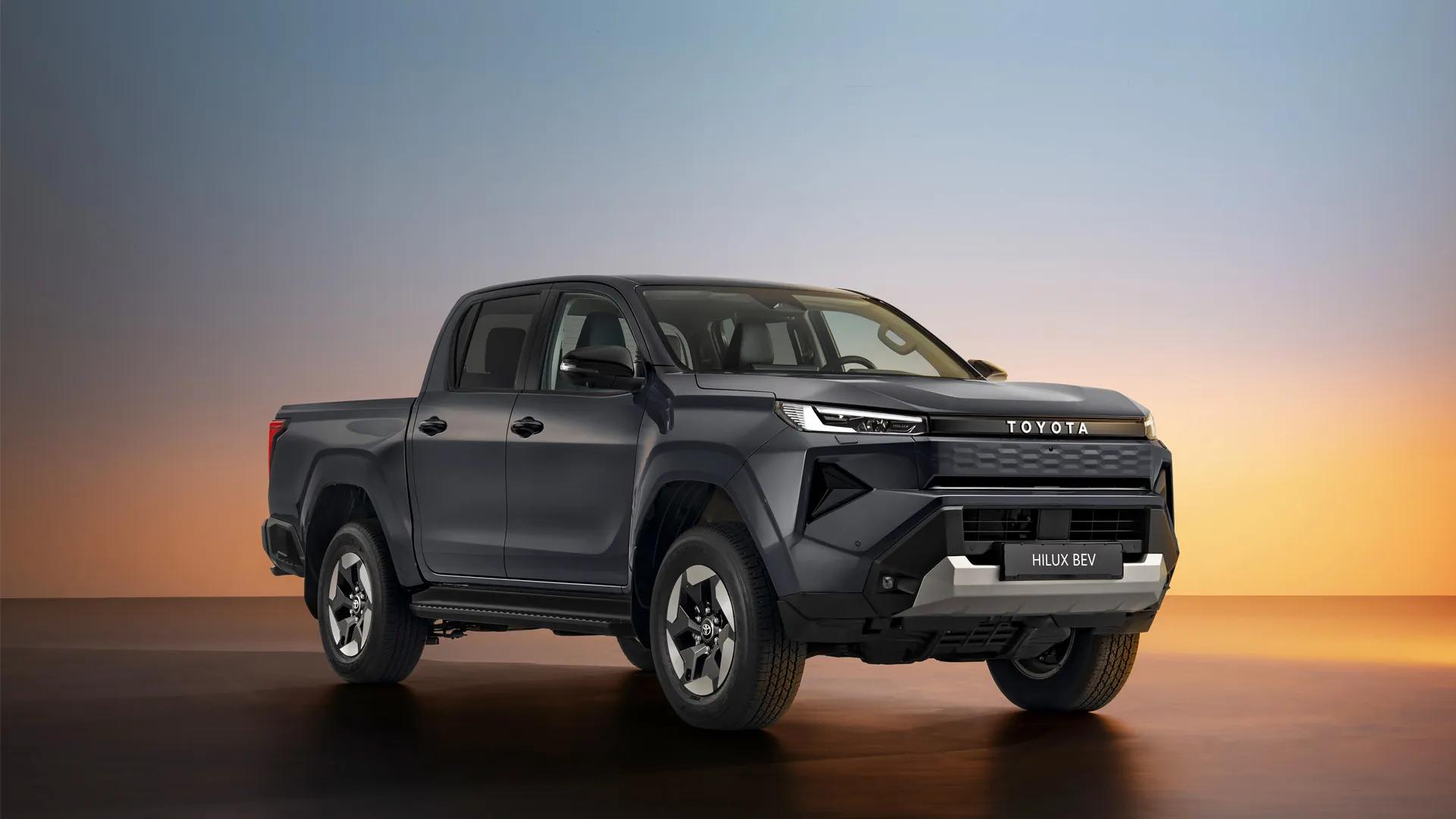
The Toyota Hilux 2026 South Africa conversation will matter to a lot of local buyers for a simple reason: the Hilux remains one of the country’s most important bakkies.
Whether it is being bought for business use, family duties, towing, farm work, or long-distance travel, the Hilux sits in a part of the market where buyers usually care less about novelty and more about whether the vehicle still makes sense in real South African use.
That is the right way to look at the 2026 Hilux as well.
At the time of writing, buyers should be careful not to treat every online claim about the 2026 model as confirmed local fact. Final South African specifications, trim details, equipment changes, and pricing can differ from what appears in overseas reporting or speculative previews. Still, there are some sensible questions local buyers can already ask.
Why the 2026 Toyota Hilux matters in South Africa
The Hilux does not need a dramatic reinvention to stay relevant in South Africa. Its value has always come from how well it fits local realities.
For many buyers, that means:
- durability in mixed road conditions
- a wide range of work and lifestyle use cases
- strong brand familiarity
- broad dealer and support reach
- strong resale confidence compared with many rivals
That also means the 2026 Hilux will be judged less on headline-grabbing claims and more on whether Toyota improves the right areas without weakening the Hilux formula that South African buyers already trust.
What South African buyers will want to know first
Before focusing on styling changes or new features, most serious Hilux buyers are likely to ask a few practical questions:
- Will local model grades change?
- Will engine choices stay familiar?
- What will pricing look like in South Africa?
- Will fuel economy or efficiency improve in a meaningful way?
- Will comfort and safety equipment improve enough to justify the price?
- Will it remain as useful for work and towing as current buyers expect?
Those questions matter more than glossy launch language because they shape real ownership decisions.
What is likely to matter most in a 2026 Hilux update
If Toyota updates the Hilux for 2026 in a meaningful way, South African buyers will probably care most about substance rather than theatre.
1. Pricing and value positioning
The first issue will be price.
In South Africa, even a well-established bakkie can lose momentum if pricing climbs too far beyond what buyers see as reasonable for the package. The Hilux has long benefited from a reputation that goes beyond the sticker price alone, but value still has to make sense in the current market.
If the 2026 Hilux arrives with notable equipment, safety, refinement, or efficiency gains, buyers may accept a stronger price. If the updates are minor while pricing rises sharply, it becomes easier for rivals to make a case on equipment-per-rand.
2. Engine and drivetrain relevance
For many local buyers, the engine lineup matters more than styling.
A Hilux bought for towing, business use, farm work, or long-distance travel needs to feel properly suited to the job. South African buyers are likely to pay close attention to:
- low-down pulling strength
- everyday drivability
- fuel-use implications
- towing confidence
- reliability expectations
- whether any electrified changes improve real-world use rather than just the brochure story
If Toyota introduces efficiency-focused updates, the key question will be whether they improve everyday ownership without adding unnecessary complexity for buyers who prioritise proven durability.
3. Cabin and comfort improvements
The Hilux is no longer bought only as a hard-use commercial vehicle. Many South African buyers now want a double cab that can handle family life, commuting, and longer trips without feeling too utilitarian.
That means any 2026 update will be judged on whether Toyota improves:
- cabin usability
- infotainment clarity
- material quality in higher trims
- safety technology
- seat comfort for long-distance driving
- general refinement on tarred roads
This matters because modern bakkie buyers often expect one vehicle to cover both work and private life.
4. Workhorse credibility
Even when the market shifts toward lifestyle double cabs, the Hilux still has to keep its working credibility.
If a new model becomes noticeably softer in character, more expensive without clear purpose, or too focused on appearance over use, some buyers will start looking elsewhere. The Hilux name carries weight because it has historically managed to serve both commercial and private buyers.
For South Africa, that balance remains essential.
What the 2026 Hilux will need to get right locally
Daily usability
South African buyers increasingly want bakkies that are easier to live with in urban traffic and on longer mixed-use trips. A Hilux that feels less tiring to drive day to day, while keeping its practical strengths, would make sense for the local market.
Safety and equipment
Expect buyers to pay closer attention to standard safety equipment, driver assistance features, and infotainment quality than they may have a decade ago. A strong reputation still matters, but equipment gaps become harder to ignore as prices climb.
Running-cost logic
Fuel spend, tyre replacement, servicing, insurance, and long-term ownership value all matter in South Africa. The Hilux has traditionally benefited from strong ownership confidence, but any 2026 update will still need to justify itself on total ownership logic, not just showroom appeal.
Local grade strategy
Toyota’s local grade mix will matter almost as much as the vehicle itself. A bakkie can look strong on paper, but buyers still need the right combination of work-focused variants, family-friendly double cabs, and higher-spec trims that do not drift too far from what the market will support.
Who the Toyota Hilux 2026 is likely to suit
If Toyota keeps the Hilux close to its established strengths, the 2026 model should still make sense for several South African buyer groups.
Business and fleet users
These buyers will care about durability, support footprint, practical configurations, and whether the numbers work over time.
Family double-cab buyers
These buyers want a bakkie that feels robust and versatile, but also comfortable and credible as everyday transport.
Towing and travel-focused buyers
For buyers who tow trailers, equipment, or leisure gear, the Hilux will continue to be judged on stability, confidence, and long-distance practicality.
Rural and mixed-surface users
In parts of South Africa where road conditions are less forgiving, the Hilux still makes sense because practicality matters more than fashion.
Where buyers should stay cautious
Not every 2026 Hilux headline will be equally useful.
South African buyers should be cautious about:
- assuming overseas specifications will match local models
- reading too much into unconfirmed launch rumours
- treating concept-style visuals as final production detail
- assuming all new technology automatically improves ownership
- focusing on trim-name headlines before local pricing is known
The better approach is to wait for confirmed South African model information, then judge the vehicle on local specification, pricing, and buyer fit.
Should South Africans wait for the Toyota Hilux 2026?
That depends on what kind of buyer you are.
If you need a bakkie immediately for work, fleet use, or a clear business need, waiting only makes sense if a local 2026 update is close and likely to bring meaningful changes in the area you care about most.
If you are a private buyer choosing between major rivals and you are not under immediate pressure to buy, waiting for confirmed local Hilux 2026 details could be sensible. It would give you a clearer view of pricing, equipment, and whether Toyota has improved enough to strengthen its case against newer competitors.
The strongest reason to wait would be better clarity, not hype.
Final thoughts on the Toyota Hilux 2026 South Africa outlook
The Toyota Hilux remains one of the safest reference points in the South African bakkie market because buyers already understand what it stands for: durability, familiarity, versatility, and broad real-world usefulness.
For 2026, the real question is not whether Toyota can make the Hilux sound exciting. The real question is whether it can keep the model competitive where it matters most to South African buyers: value, usability, support, capability, and long-term ownership confidence.
Once Toyota confirms the local 2026 lineup, that is when the proper judgement can begin. Until then, the smartest view is a practical one: watch the local specs, watch the pricing, and judge the Hilux on how well it still fits South African life.
SEO Title
Toyota Hilux 2026 South Africa: What Buyers Should Expect
Meta Description
A practical look at what South African buyers should watch for from the Toyota Hilux 2026, including likely strengths, buyer fit, and what still needs local confirmation.
Suggested Slug
toyota-hilux-2026-south-africa
Suggested Internal Links
- /toyota-hilux-south-africa-buyers-guide
- future Hilux comparison content against Ford Ranger and Isuzu D-Max
- broader South African bakkie buyer-guide hub if available