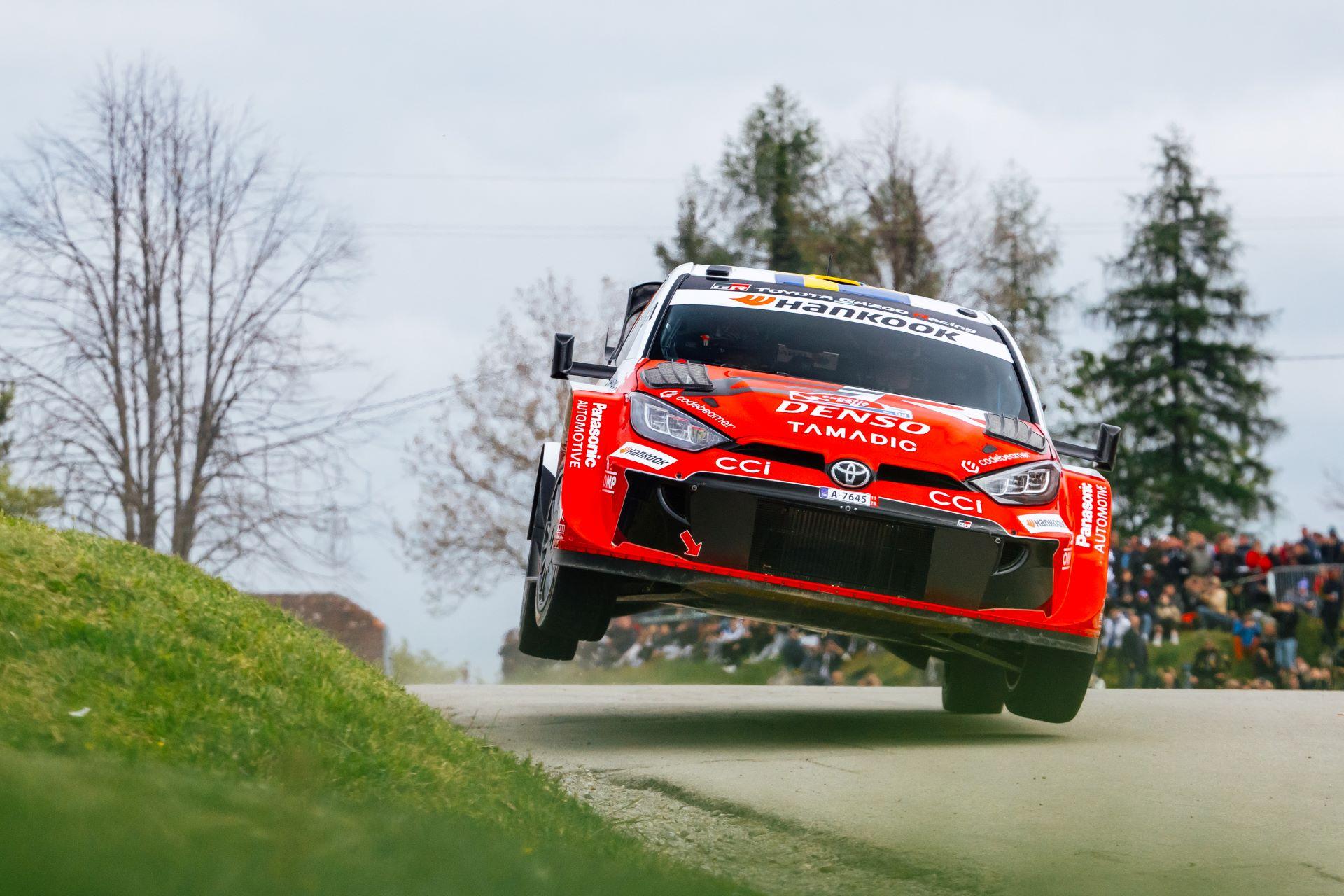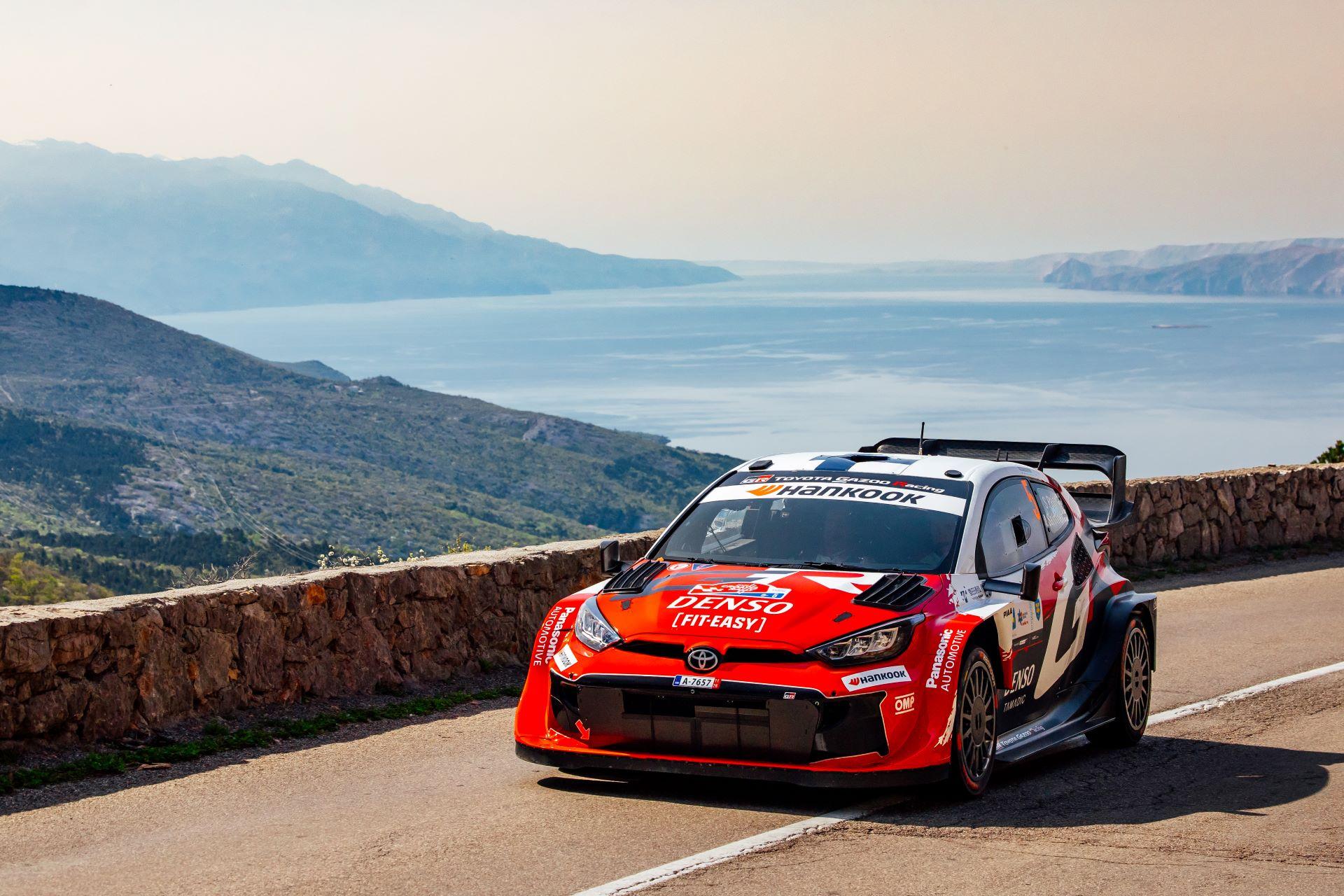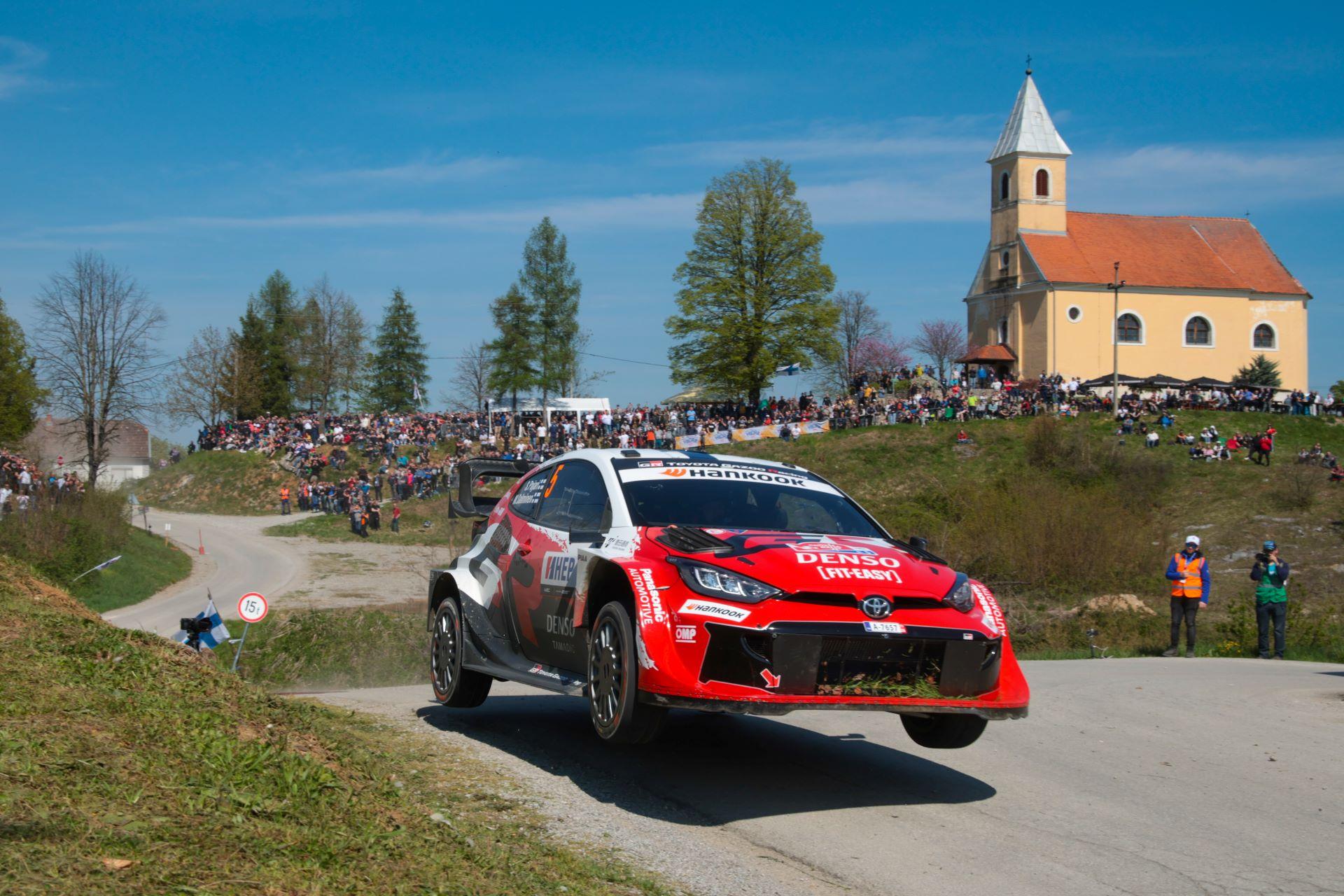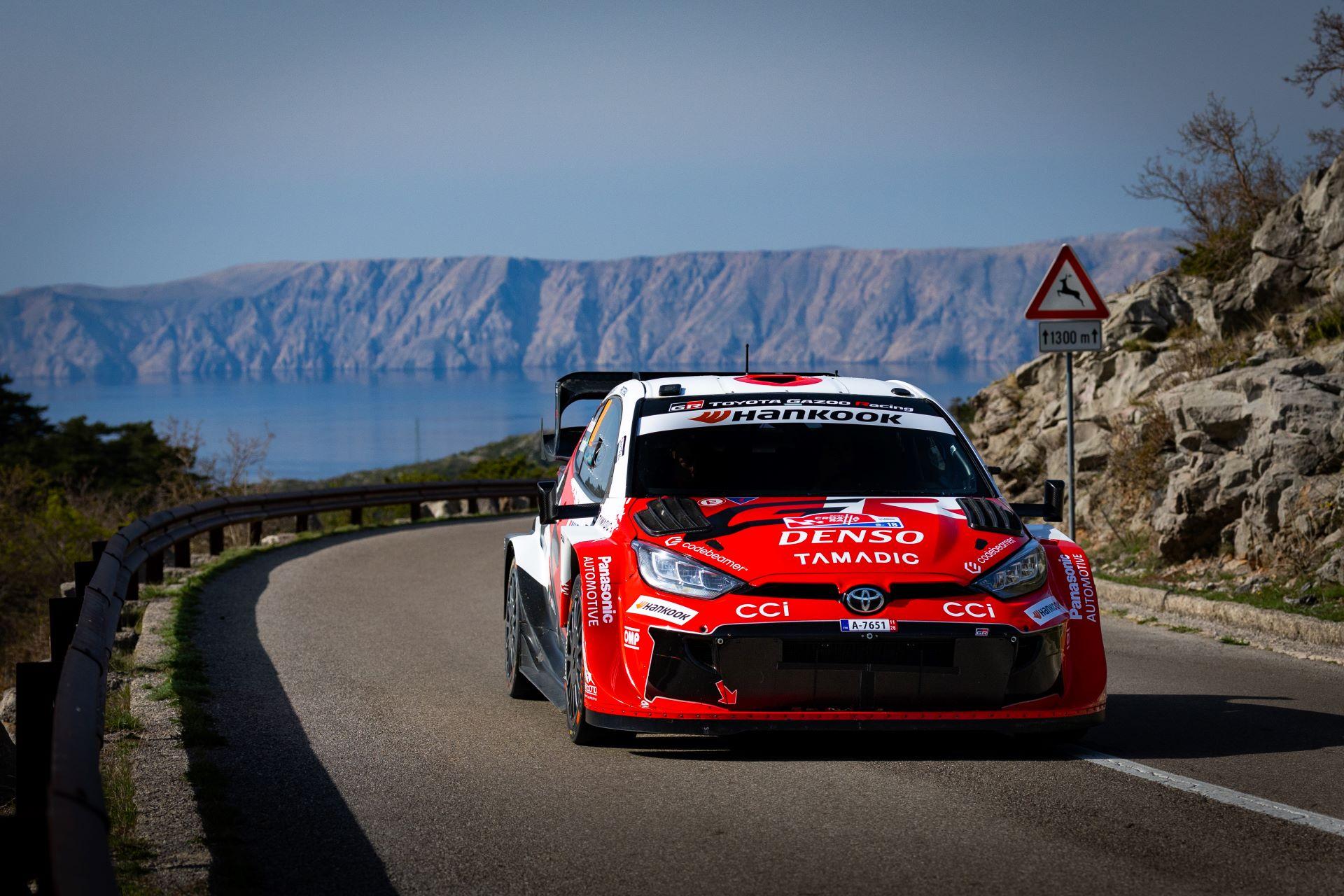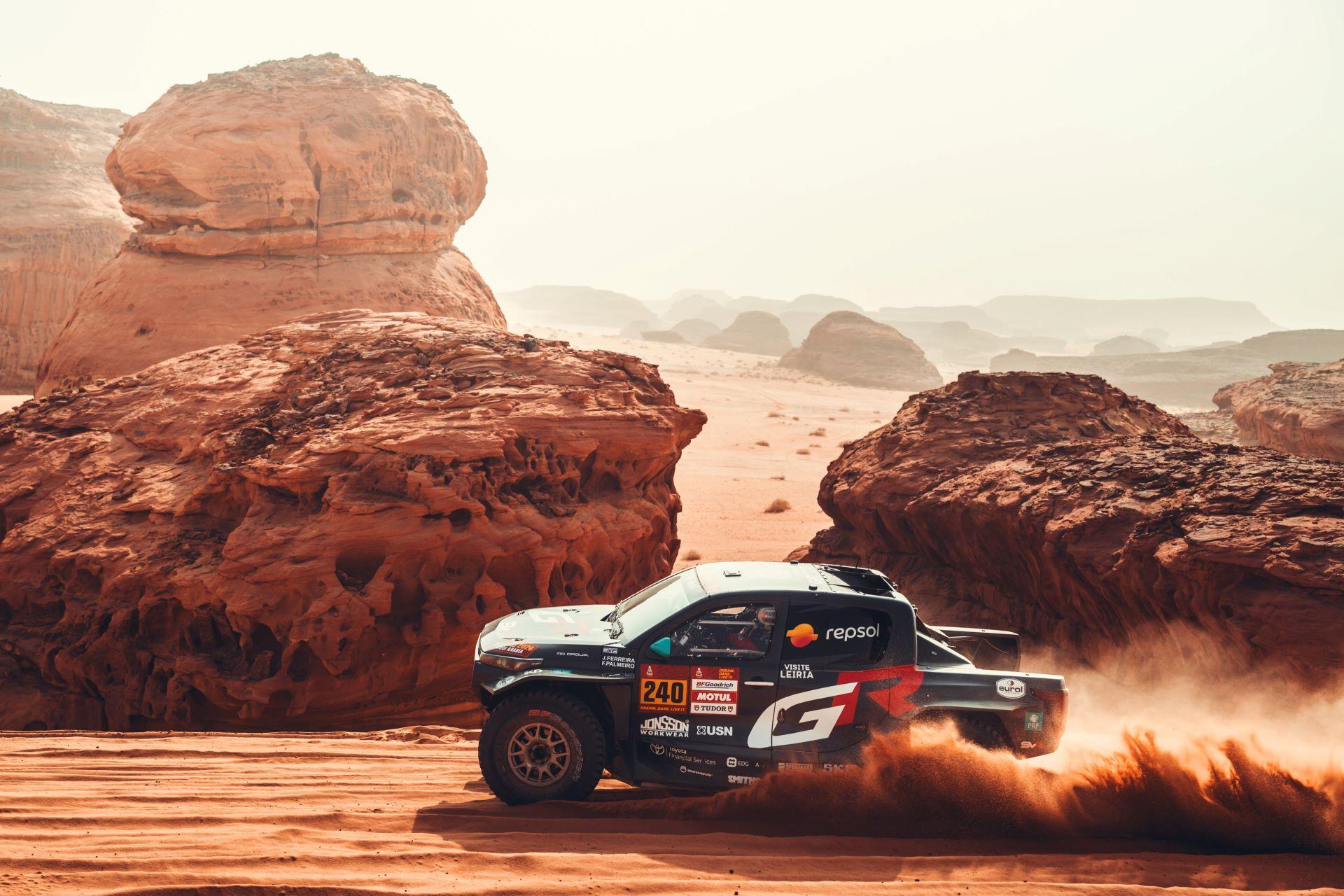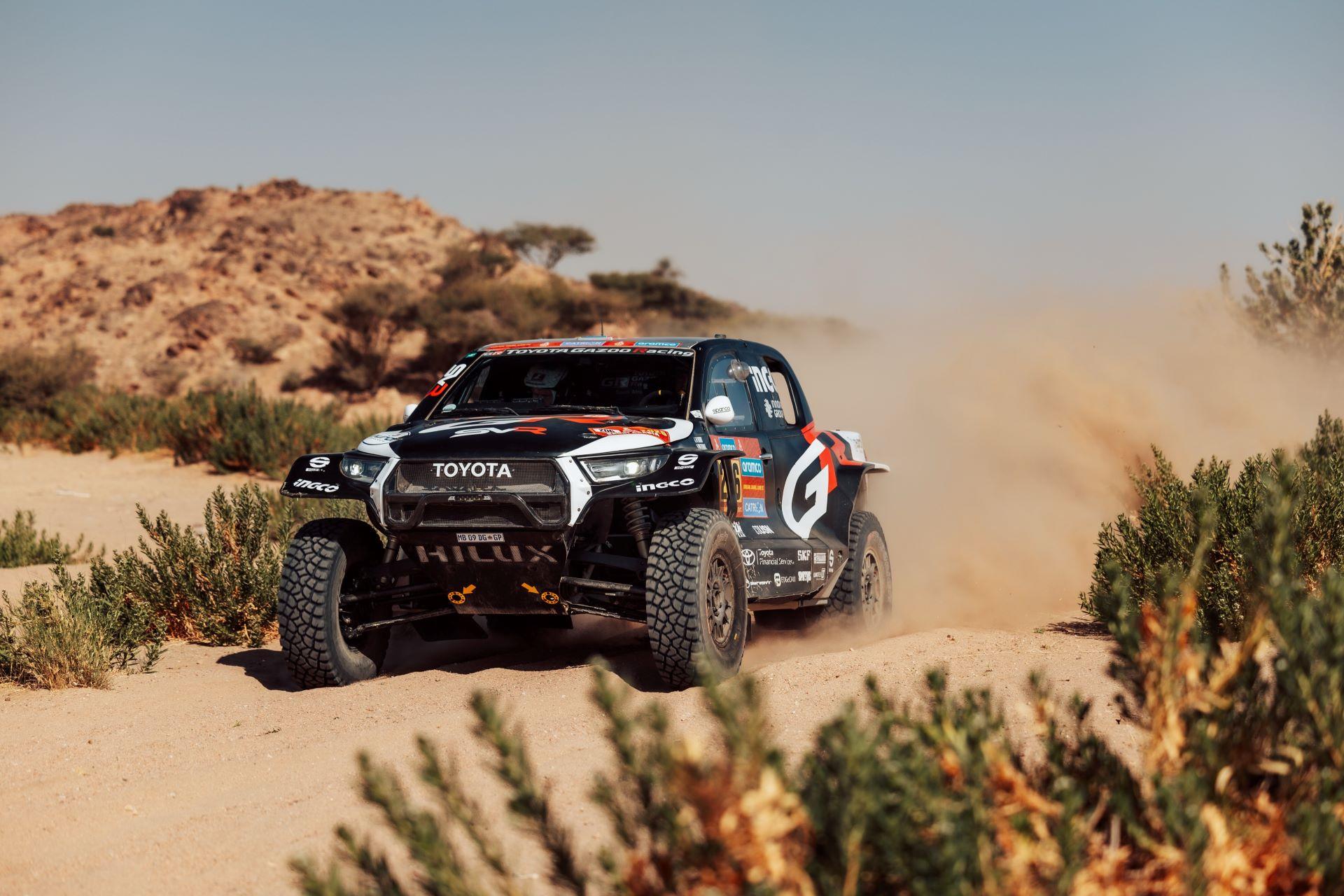
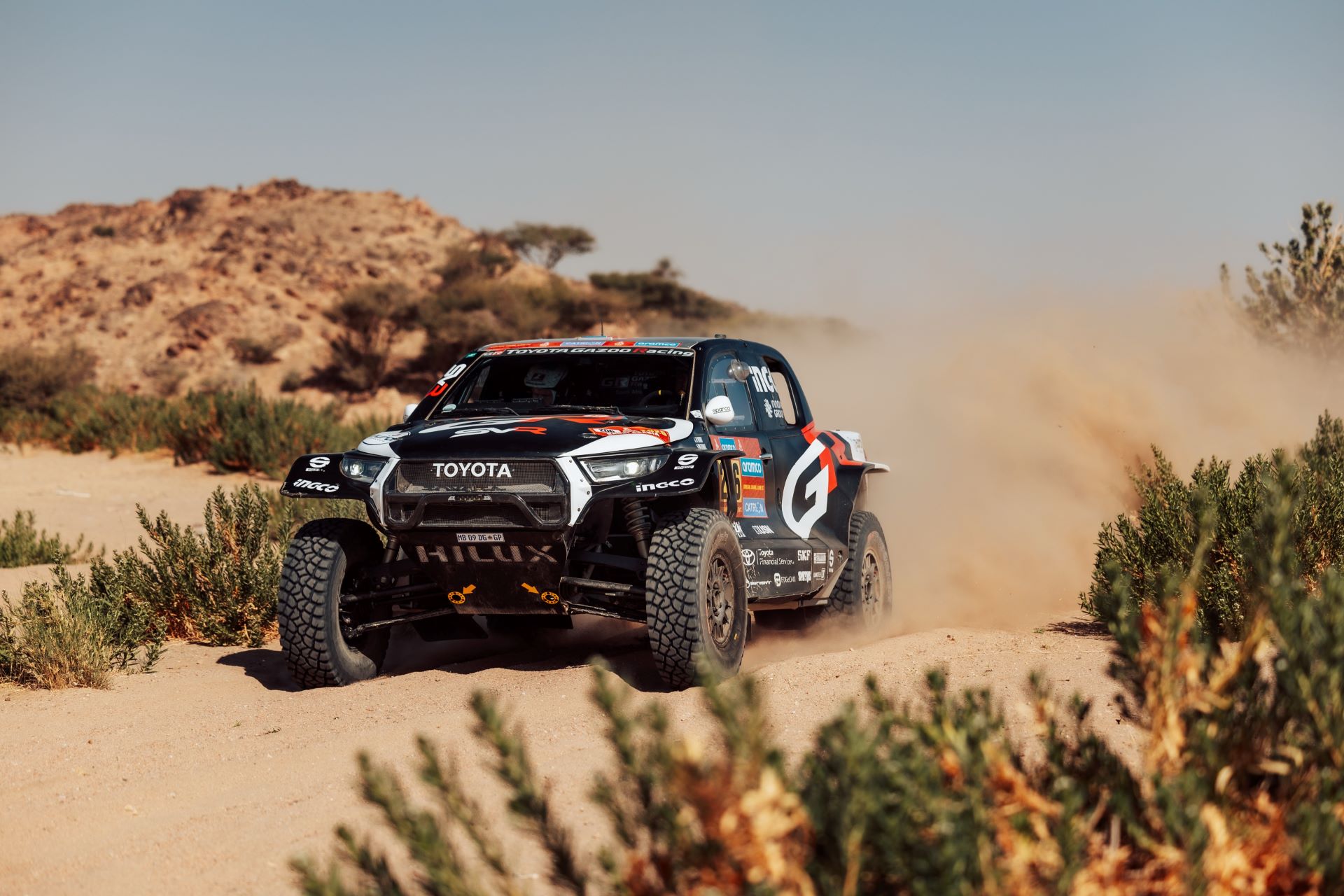
TOYOTA GAZOO Racing (TGR) kicked off the 2025 Dakar Rally with an impressive showing on the event’s opening stage, proving once again that their engineering and driver talent are ready for the challenge. The 413-kilometre stretch from Ha’il to Bisha, with its brutal mix of sand and rocks, saw all six GR Hilux EVOs finish without major issues. However, it was the exceptional performance of Seth Quintero and his co-driver Dennis Zenz that stole the limelight, as they clinched the fastest overall time and demonstrated both speed and strategy from the outset.
Quintero/Zenz Lead the Charge
The American driver, Quintero, with Zenz by his side, set the benchmark with a time of 4 hours 35 minutes and 8 seconds, finishing 45 seconds ahead of the second-placed crew. The duo decided to push for pure speed rather than engage in tactical maneuvers, making their intentions clear for the 48h Chrono Stage that follows. Despite a brief interruption caused by a fellow competitor’s crash midway through the stage—during which Quintero and Zenz stopped to offer assistance—the pair held firm and maintained their lead. The organisers later adjusted their stage time, officially crowning them as Stage 1 winners.
Quintero spoke candidly about the stage’s challenges, particularly the unsettling moment when they stopped to assist Laia Sanz, who had suffered a major crash. “We stopped and pulled her out and stayed with her for a while. She was okay, but we had a weird feeling, seeing all of this unfold. So, that kind of shook me up a little bit,” Quintero admitted. Despite the emotional toll, the team stayed focused and delivered a flawless stage performance.
Two TGR Crews on the Podium
TGR’s younger talents also shone brightly in the opening stage. South Africa’s Saood Variawa, at just 19 years old, showed maturity beyond his years by securing an impressive third place alongside his co-driver, Francois Cazalet. Variawa, in his second Dakar, finished only 1 minute 48 seconds behind Quintero/Zenz, a result that placed two TGR cars on the podium in the opening stage. The young driver’s commitment to gaining experience while managing a pace that balanced aggression and caution was evident throughout.
“We pushed, we had a bit of a different plan to the others,” Variawa explained. “We just wanted to sort of build a gap if we could… Even if we are at the head of the field, we’ll gain experience tomorrow also.”
Strategic Approach for the Rest of the TGR Teams
The remainder of the TGR teams also demonstrated impressive resilience, even if they did not finish at the very top. Lucas Moraes and Armand Monleon, in the #203 GR Hilux EVO, finished 8th after executing a calculated strategy to preserve their position ahead of the upcoming 48h Chrono. The Brazilian driver, Moraes, was effusive in his praise for the team’s strategic foresight: “The strategy went perfect. I think we are right there with Carlos [Sainz]. So, great start; thanks to the whole team for coming up with this plan.”
Meanwhile, Henk Lategan and Brett Cummings faced their own set of challenges. Starting in the dust of slower competitors and battling faulty navigation equipment, they lost valuable time but managed to secure a respectable 10th place. Despite the difficulties, Lategan was optimistic: “We’re well-positioned for Stage 2. We’ve got a good chance.”
For Guy Botterill and Dennis Murphy, the thick dust proved particularly troublesome as they began their stage further down the order. A malfunctioning tracking device added to their woes, but Botterill remained upbeat about their prospects: “That was a really tough stage. The dust was unbelievable and then about halfway through, our tracking device stopped working… We just couldn’t get any closer.”
De Villiers Faces Early Mechanical Challenges
Giniel de Villiers, one of the most experienced drivers in the field, encountered an early mechanical glitch that saw the GR Hilux EVO enter “limp mode,” reducing engine power by nearly half for over 100 kilometers. This technical setback cost them valuable time, with the pair finishing in 19th place, 10 minutes and 26 seconds behind Quintero. Nonetheless, de Villiers remained philosophical, stating, “It was very difficult with the dust, but we’ll see what happens next.”
Looking Ahead: The 48h Chrono Stage
With Stage 1 now behind them, the focus shifts to Stage 2—the 48h Chrono, a two-day special stage that will test both physical endurance and mental stamina. Spanning 957 kilometers of challenging terrain, including sand dunes, rocks, and the unknown, this stage promises to be pivotal in shaping the outcome of the race. Teams will camp overnight at mini bivouacs, resuming racing at sunrise the next day.
This stage caused upsets in its inaugural run at the 2024 Dakar Rally, and with nearly twice the distance this year, the results of the 48h Chrono could prove crucial in determining who will take the lead as the rally progresses. For TGR, executing a clean run through this stage is paramount, particularly given the strong positions their crews have secured so far.
As the Dakar Rally moves on to Al Henakiyah for Stage 3, followed by the Marathon Stage to Alula, the competition will intensify. With the first week of the rally still ahead, TGR’s experienced team is more than prepared to face the challenges that await.
The stage is set, and the world’s toughest motorsport event continues with all eyes on TOYOTA GAZOO Racing’s next move.