

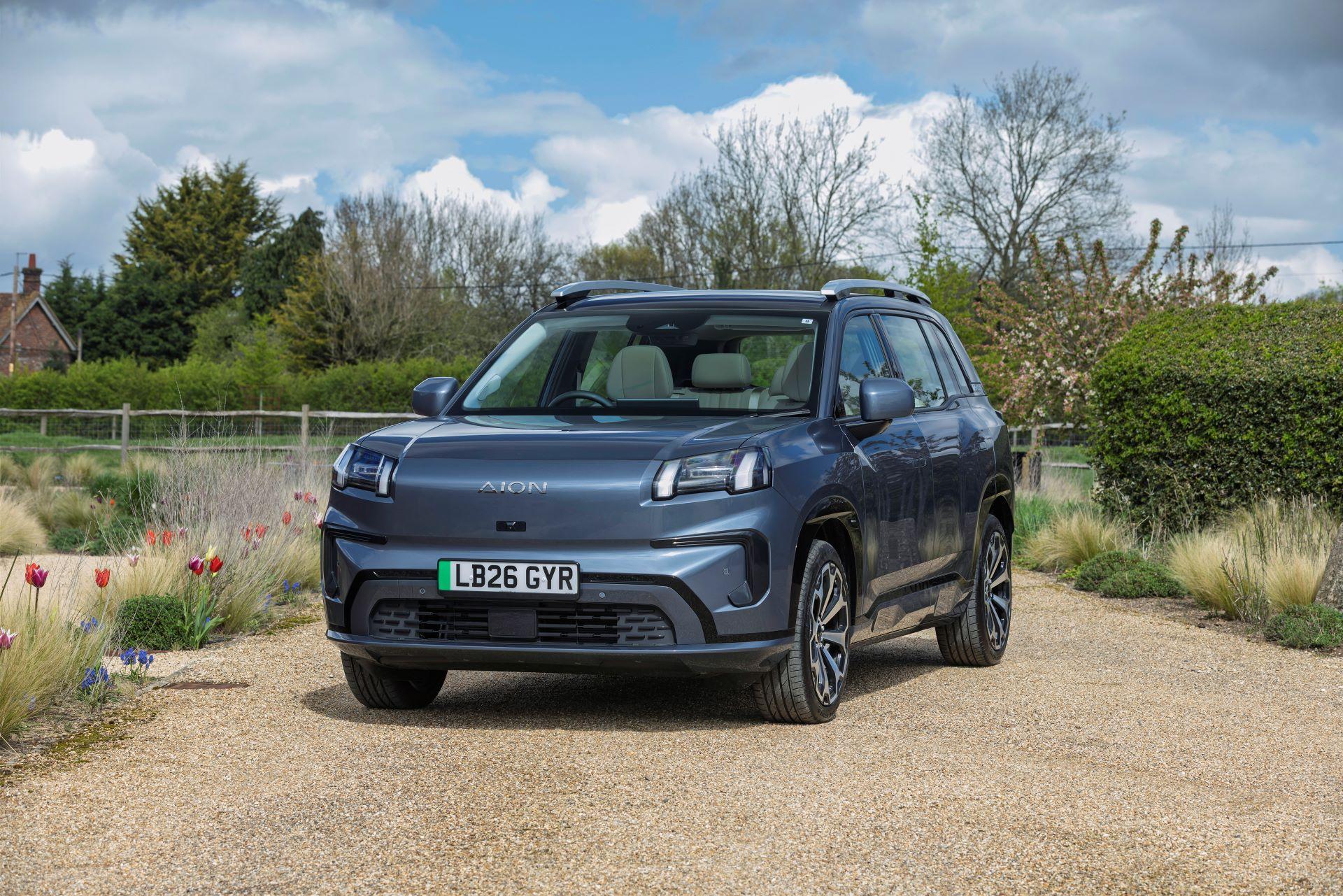
London’s electric vehicle landscape is about to gain a new contender with the arrival of the AION V, and it enters the market carrying an early badge of reassurance that will matter deeply to both buyers and insurers. The all-electric family SUV has been awarded a Group 32 insurance rating in the UK, placing it among the more favourable ratings for emerging brands in the highly competitive C-segment electric SUV category.
The result is not incidental. It follows a focused 12-month collaboration between AION Auto UK and Thatcham Research, the UK’s leading automotive risk intelligence authority. Together, the teams worked to refine the vehicle’s damage performance, repairability, safety considerations and security profile specifically for British roads, repair infrastructure and insurance frameworks.
For AION V, this rating arrives at a pivotal moment. As the brand’s debut model in the UK, it is set to launch later this month, carrying not only the responsibility of introducing AION to British customers but also establishing its credibility in a market where insurance costs are often a decisive factor in purchase decisions for electric SUVs.
At its core, the AION V is a C-segment battery electric SUV designed to balance visual distinction with everyday usability. It features a spacious, comfort-led cabin with a strong emphasis on convenience technology and premium interior finishes. On the road, it is positioned as a long-range performer with rapid charging capability, aligning with growing consumer expectations for EV practicality without compromise.
Insurance Group ratings in the UK are determined through detailed analysis of multiple risk factors, including likely damage in collisions, repair costs, vehicle performance, safety systems and security features. In practical terms, they help insurers set premiums and provide a clearer picture of long-term ownership costs for consumers.
In the case of the AION V, the collaboration with Thatcham Research extended beyond standard validation. Engineers and specialists engaged directly with AION’s R&D and manufacturing teams in China to optimise how the vehicle behaves in low and high-speed impact scenarios, with a specific focus on reducing repair complexity in the UK market.
This joint engineering approach also included consultation with UK bodyshop networks and repair organisations, ensuring that the vehicle was designed not only to protect occupants but also to be efficiently restored after damage. According to Thatcham Research, these refinements are expected to reduce repair times after accidents by around 50 percent, a significant improvement that carries implications for insurers, repairers and ultimately customers.
Ben Hurford, Aftersales Director at AION Auto UK, highlighted the strategic importance of this outcome, noting that preparation for the UK market began early in the brand’s planning phase. He explained that working with Thatcham Research from mid-2025 formed part of a broader effort to ensure the AION V would arrive fully aligned with local market expectations, particularly around operational readiness and aftersales support.
That aftersales strategy is set to become a key pillar of AION’s UK introduction. While full details are yet to be announced, the brand has confirmed that all AION V models will be supported by an extensive programme designed to provide long-term ownership confidence. This includes improved parts availability and stronger integration with retail and bodyshop partners, aimed at reducing downtime and controlling repair costs across the lifecycle of the vehicle.
From Thatcham’s perspective, the project demonstrates the value of early, open collaboration between manufacturers and risk assessment bodies. Ben Townsend, Head of Automotive at Thatcham Research, noted that access to engineering teams and willingness to act on recommendations played a central role in achieving the improved repair outcomes, and that the same methodology could deliver further gains on future models.
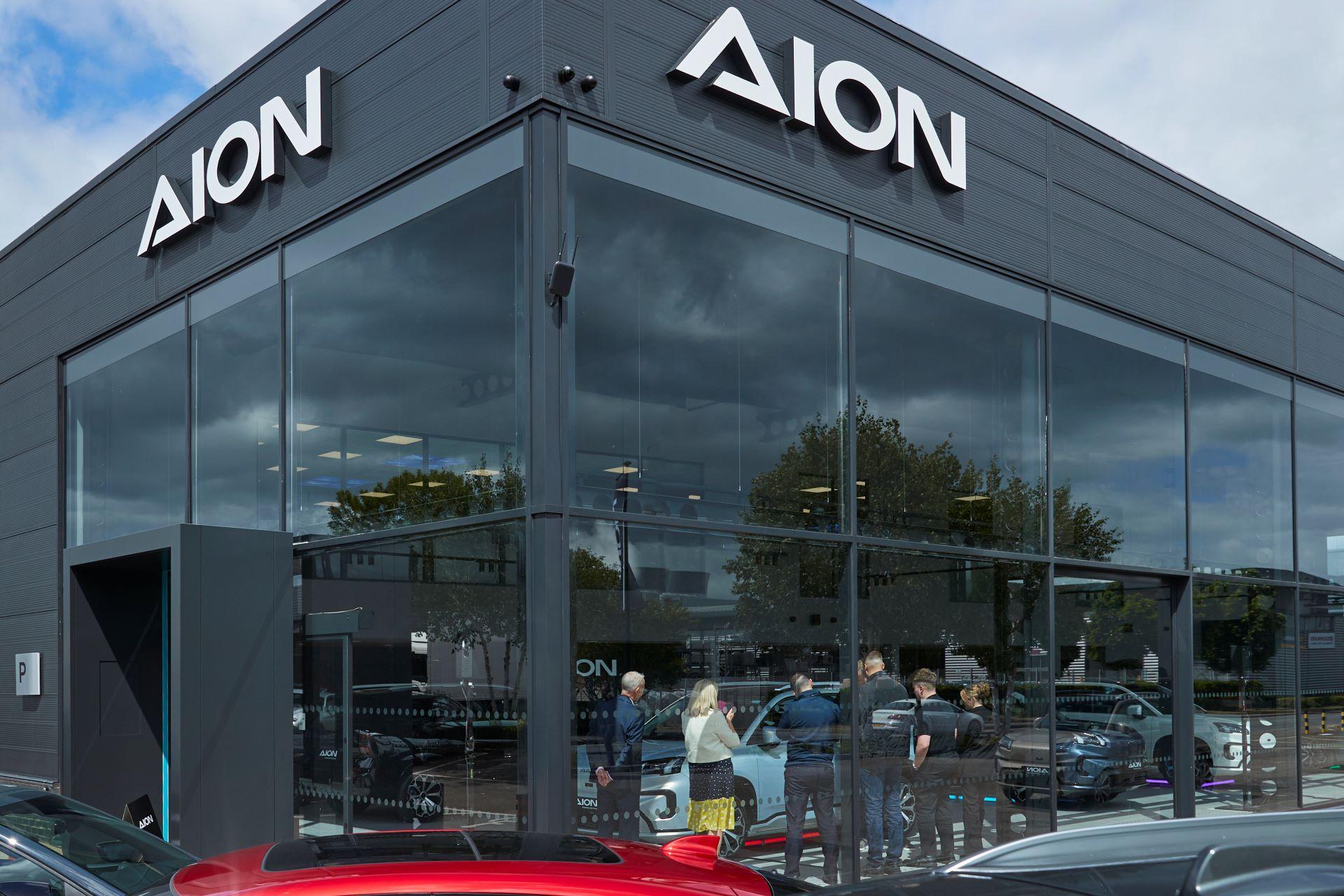
For AION, the AION V is only the beginning of a much larger UK strategy. The brand is preparing to introduce a total of seven models in the market by 2030, signalling long-term commitment rather than a limited entry. Following the imminent launch of the AION V, the AION UT compact electric hatchback is scheduled to arrive later this year, with a larger plug-in hybrid SUV expected to follow by the end of next year.
Pricing for the AION V will be confirmed closer to launch, with the first UK retail partners set to open during the second quarter of 2026. As anticipation builds, the Group 32 insurance rating offers an early indicator of how the model may position itself in the market, particularly for family buyers weighing up both running costs and long-term ownership security.
More than a technical milestone, the rating signals a deliberate effort by AION to integrate itself into the UK automotive ecosystem with precision, from engineering and manufacturing through to insurance alignment and aftersales readiness. For a debut model, it is less about entering the market and more about arriving prepared for it.