



Intercepting 20,000 tons of waste annually before it reaches the ocean, the collaborative project highlights how global partnerships and local action can deliver far-reaching environmental impact.
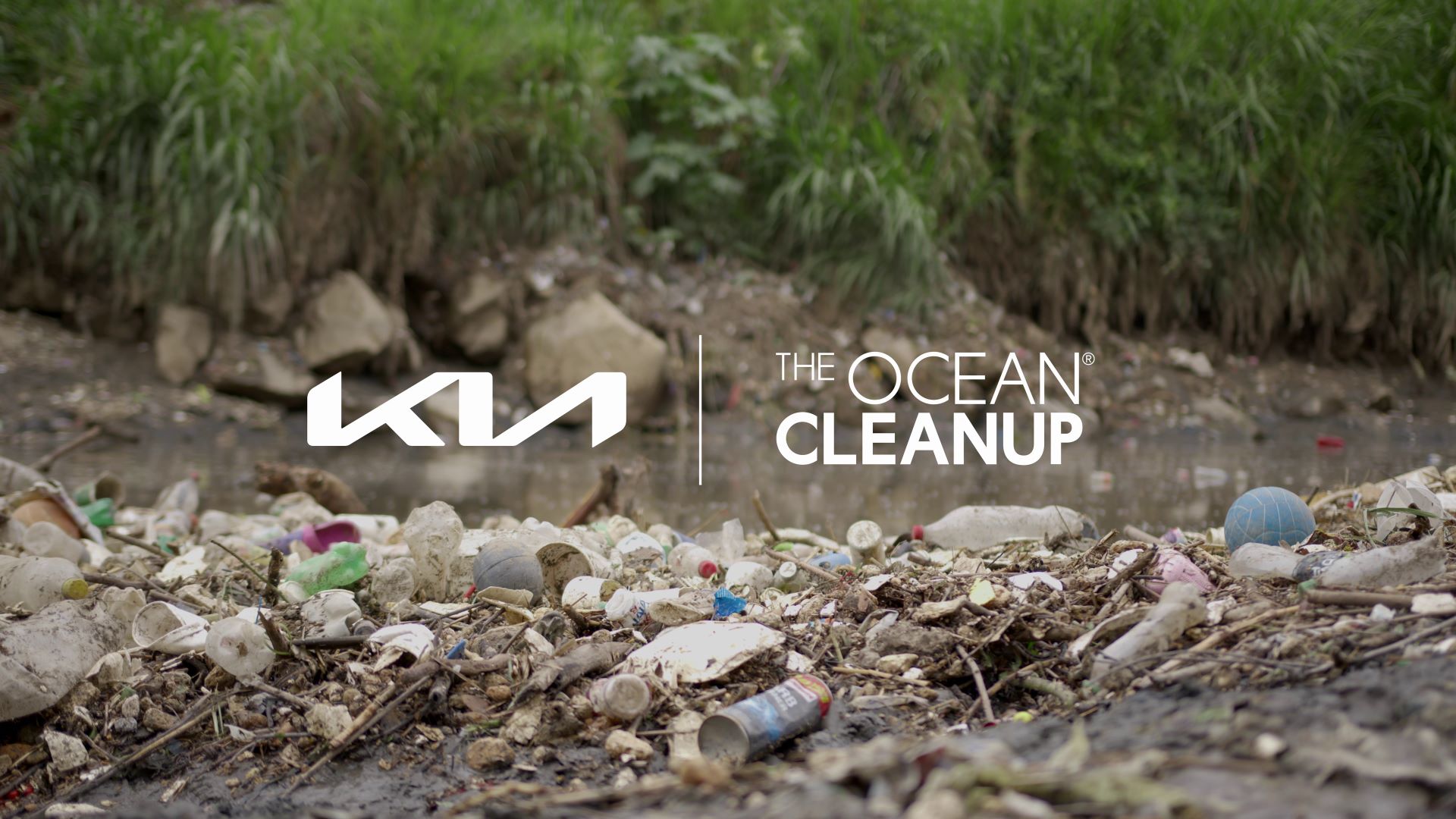
Kia, in collaboration with its global partner The Ocean Cleanup and Guatemala’s Ministry of Environment and Natural Resources (MARN), has taken a bold step in tackling one of the world’s most devastating sources of ocean plastic pollution. Together with local organisations and key stakeholders, they have deployed two advanced plastic capture systems to intercept an estimated 20,000 tonnes of waste that would otherwise be carried into the Caribbean Sea each year by Guatemala’s Motagua and Las Vacas rivers.
The Motagua River basin has long been identified as a major contributor to ocean plastic pollution, with waste travelling through waterways from urban and industrial centres before being discharged into the Gulf of Honduras. This influx has severely impacted biodiversity, damaged fragile marine ecosystems, and disrupted the lives of coastal communities in Guatemala and neighbouring countries such as Honduras.
In response, The Ocean Cleanup—an organisation known for its innovative approach to large-scale waste collection—has deployed two of its Interceptor systems with Kia’s strategic support: Interceptor 006 in the Las Vacas River, and Interceptor 021 in the lower Motagua basin near El Quetzalito. The latter is the largest system of its kind to date, spanning 158 metres, and serves as a critical final barrier preventing trash from reaching the Caribbean Sea.
Engineering Solutions for Environmental Recovery
The Interceptors work by using floating barriers to guide plastic waste from the river current into extraction zones, where it can be safely removed and sorted. To date, the systems installed in Las Vacas and El Quetzalito have successfully extracted 23,354 tonnes of waste—effectively halting further pollution of the Gulf of Honduras and marking a significant step forward in global conservation efforts.
This partnership goes beyond waste removal. It is a living example of how local action, guided by technological innovation and global cooperation, can deliver tangible benefits for communities and ecosystems alike.
A Strategic Partnership Aligned with Sustainable Values
Kia’s involvement in this landmark initiative is part of a broader sustainability commitment that has seen the brand emerge as a leader in environmental stewardship within the automotive sector. As a Global Mission Partner since 2022, Kia has supported The Ocean Cleanup’s efforts to remove close to 500,000 kilogrammes of waste from the Great Pacific Garbage Patch (GPGP)—the world’s largest accumulation of floating plastic debris, covering an area of roughly 1.6 million square kilometres.
The current operation in Guatemala signals a shift in focus: from cleaning the ocean to preventing pollution from entering it in the first place. This aligns with Kia’s mission to create sustainable, responsible mobility solutions and its increasing use of recycled materials—including waste plastics—in the manufacturing of its vehicles.
From River Waste to Consumer Innovation
Once extracted, the captured waste is sent to sorting facilities along the Las Vacas and Motagua rivers. Here, materials are either responsibly disposed of or recycled. In a circular nod to the value of reuse, some of the collected plastic has even been transformed into consumer products, such as limited-edition vinyl records produced in collaboration with British band Coldplay.
Kia has also integrated waste plastics into its vehicles, most recently in the EV3’s limited-edition trunk liner and throughout the EV9’s eco-conscious interior, which features carpet made from recycled fishing nets and seat fabric woven from plastic bottles.
Driving Collective Action Through Awareness
To accompany the project, Kia and The Ocean Cleanup have released a documentary-style film that showcases the technology in action, highlights the environmental and social stakes, and urges global audiences to play their part in tackling ocean plastic pollution.
The initiative underlines the importance of cross-sector collaboration in achieving climate goals, and reflects Kia’s evolving identity as not only a mobility provider, but also a proactive participant in the global environmental movement.
A Model for Scalable Impact
Ultimately, this ambitious river-to-ocean prevention project stands as a powerful reminder that meaningful environmental change can be achieved when governments, businesses, and communities unite around shared values and goals. For Kia, it is yet another demonstration of its vision for a cleaner, more sustainable future—driven by innovation, fuelled by partnership, and rooted in responsibility.


