


EcoVadis platinum rating underscores tiremaker’s commitment to environmental stewardship
Hanover, Germany, 25 June 2025 – Continental is accelerating its sustainability transformation with a significant boost in the use of renewable and recycled materials across its global tyre production. Building on its already industry-leading practices, the premium tyre manufacturer is set to increase the share of alternative raw materials from 26% in 2024 by a further two to three percentage points in 2025.
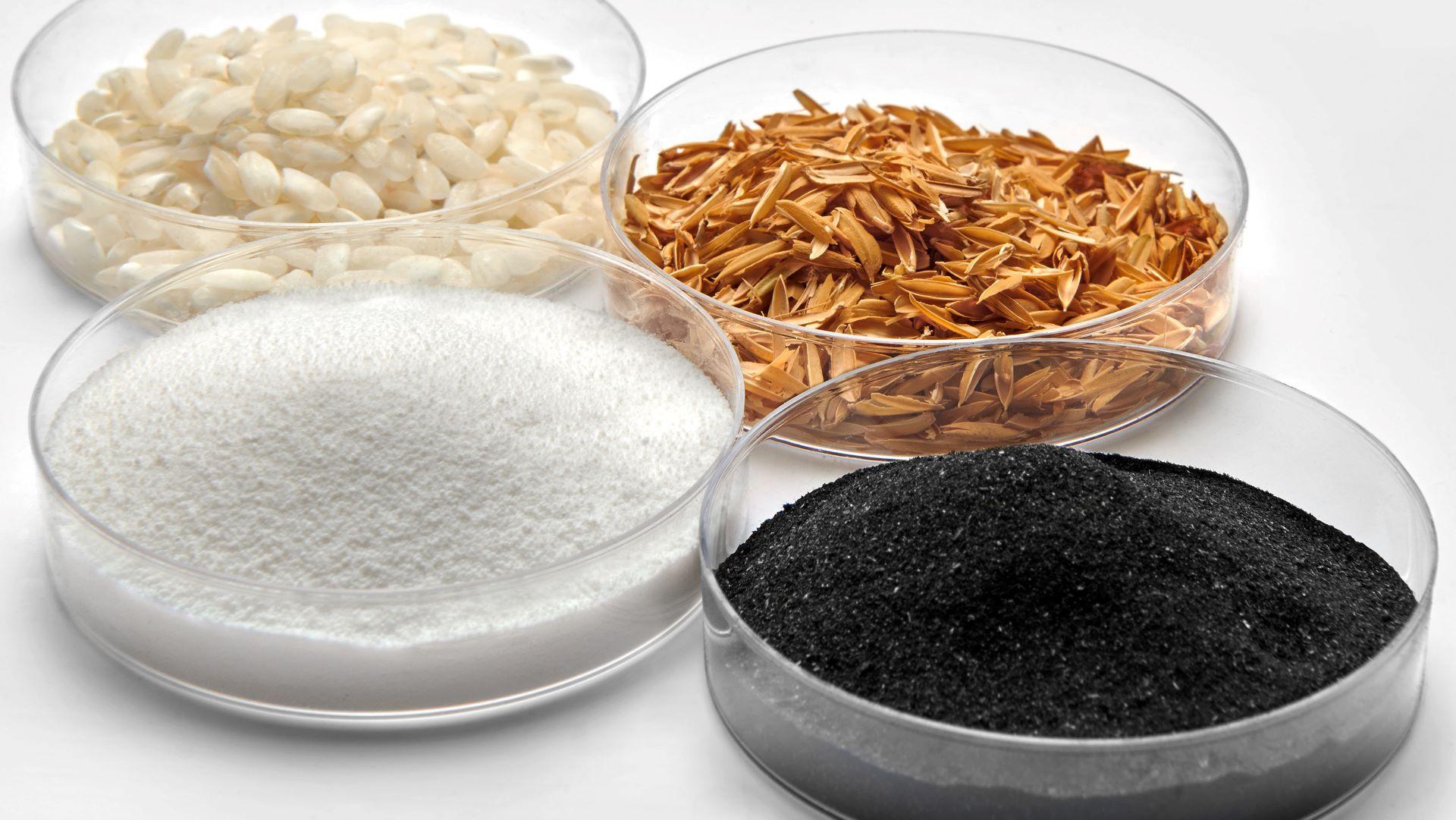
The move reflects Continental’s long-term ambition to exceed 40% usage of sustainable materials within five years. This includes a growing range of innovative raw materials – from synthetic rubber derived from renewable or circular oils to recycled PET, steel, and high-performance fillers such as silica produced from rice husk ash.
“We are systematically increasing the share of renewable and recycled materials in our raw material portfolio,” said Jorge Almeida, Head of Sustainability at Continental Tires. “To achieve sustainable mobility, we are constantly searching for even more environmentally friendly materials. After extensive testing, we integrate them into production as quickly as possible – without compromising safety or performance.”
Platinum-Rated Sustainability Leadership
Continental’s sustainability efforts have been recognised at the highest level by EcoVadis, one of the world’s leading providers of business sustainability ratings. The company has been awarded the coveted platinum medal, placing it among the top 1% of all tyre and supplier companies assessed globally. Continental’s overall score rose to 84 out of 100 points in 2025 – a 10-point improvement on the previous year.
The evaluation covered environmental practices, ethics, labour and human rights, and sustainable procurement, with Continental earning top marks in the latter two categories.
“This year’s platinum rating reflects our multifaceted commitment to sustainability,” added Almeida. “It shows that sustainability is embedded in all our business processes across the globe and throughout the entire value chain.”
Mass Balance Approach Ensures Traceability
At the heart of Continental’s strategy lies a mass balance approach – a method for integrating renewable and recycled materials into established manufacturing processes while maintaining full transparency and traceability. Certified by the globally recognised ISCC Plus system, this approach enables Continental to efficiently manage sustainable materials across multiple production sites and geographic markets.
Mass balance-certified inputs now include synthetic rubber and carbon blacks made from bio-based, bio-circular, and circular sources. Continental’s plants in Lousado (Portugal), Hefei (China), Púchov (Slovakia), and Korbach (Germany) have already received ISCC sustainability certification.
Innovation in Materials: From PET Bottles to Rice Husks
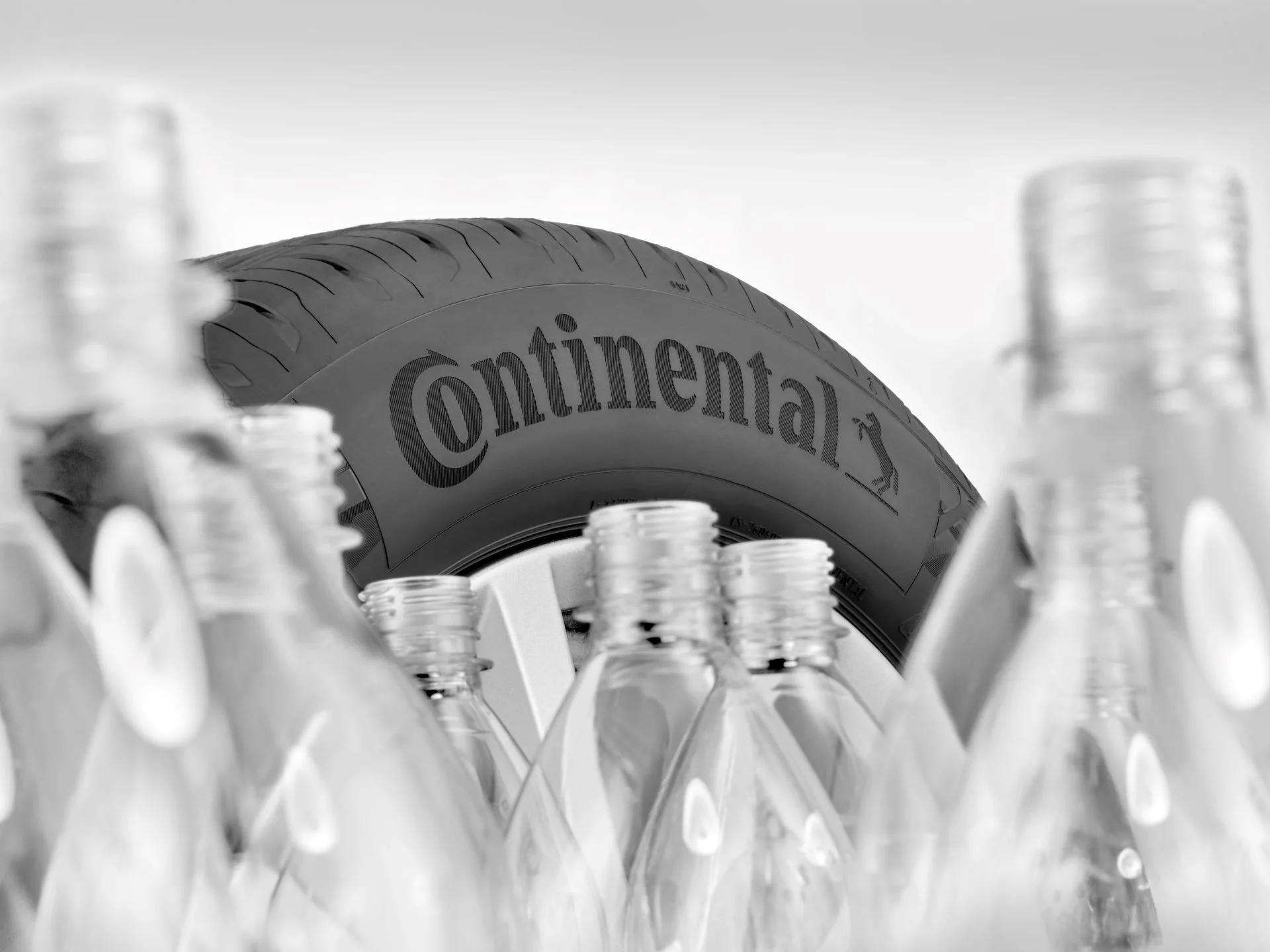
Natural rubber, one of the key components in tyres, is sourced responsibly using a combination of technology, digital tools, and partnerships with local suppliers. Meanwhile, Continental has pioneered the ContiRe.Tex process, which transforms recycled PET bottles directly into high-performance polyester yarns for use in tyre casings – without the need for intermediate chemical processing.
Recycled steel from scrap metal is also being used in components like bead cores, while alternative silica derived from rice husk ash is replacing traditional quartz-based fillers. These sustainable fillers contribute to excellent grip, low rolling resistance, and high mileage.
The company’s R&D teams continue to replace conventional adhesives and additives with environmentally friendly alternatives. Since 2019, Continental has used its proprietary COKOON textile coating technology to bond textile and rubber components without formaldehyde or resorcinol. New antioxidant systems made from renewable feedstocks are also being implemented to enhance rubber durability during vulcanization.
Commitment to Continuous Improvement
Continental’s sustainability roadmap spans the entire tyre lifecycle – from responsible sourcing and material innovation to end-of-life recycling solutions. With safety and performance non-negotiable, every new material undergoes rigorous testing before being introduced into production.
“We have developed a comprehensive portfolio of more sustainable materials and are integrating them across our product range,” concluded Almeida. “This is how we’re bringing our ambitious sustainability goals to life – step by step, without compromise.”
As Continental advances its material innovation strategy, its platinum EcoVadis rating reaffirms the company’s role as a leader in shaping the future of sustainable mobility.