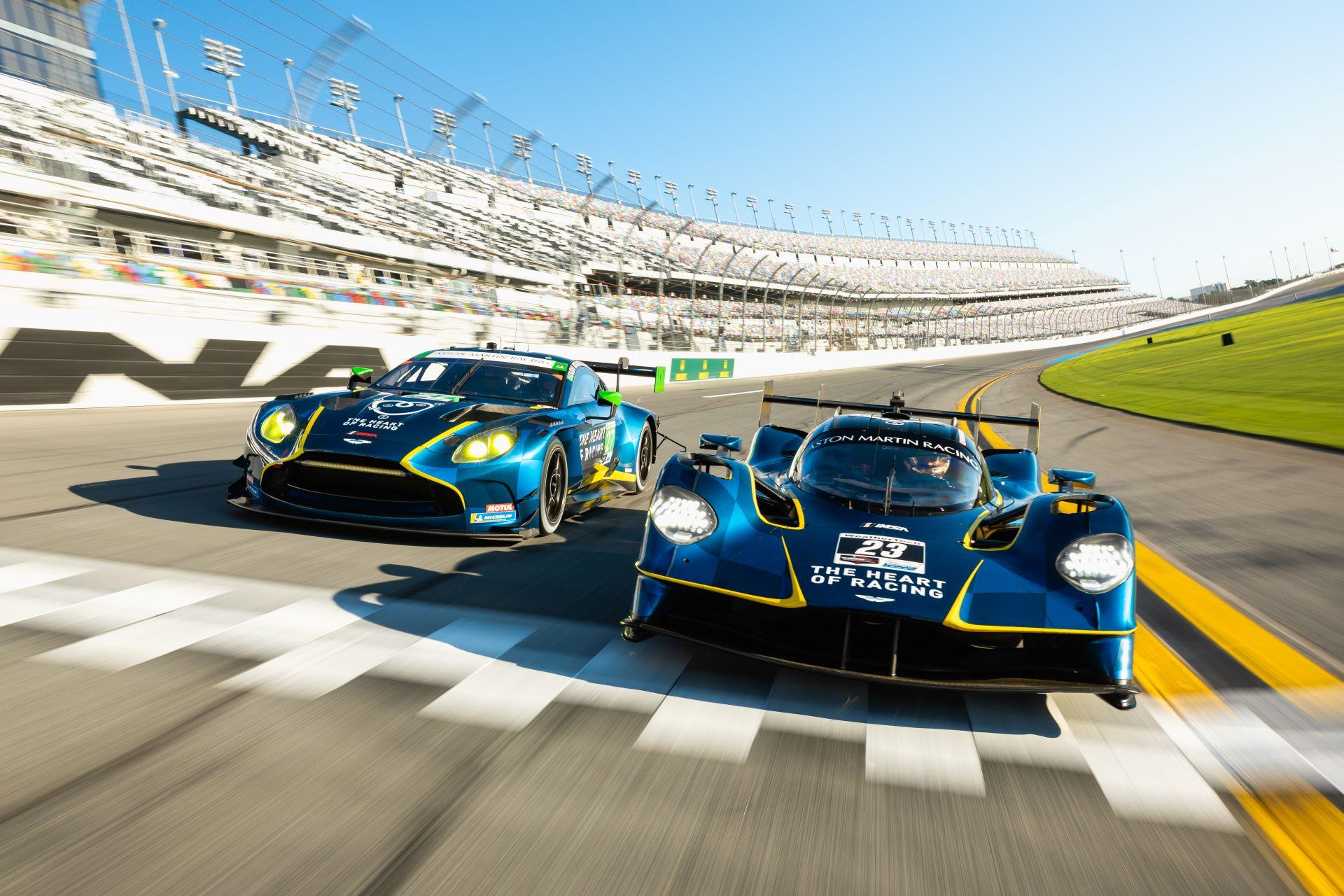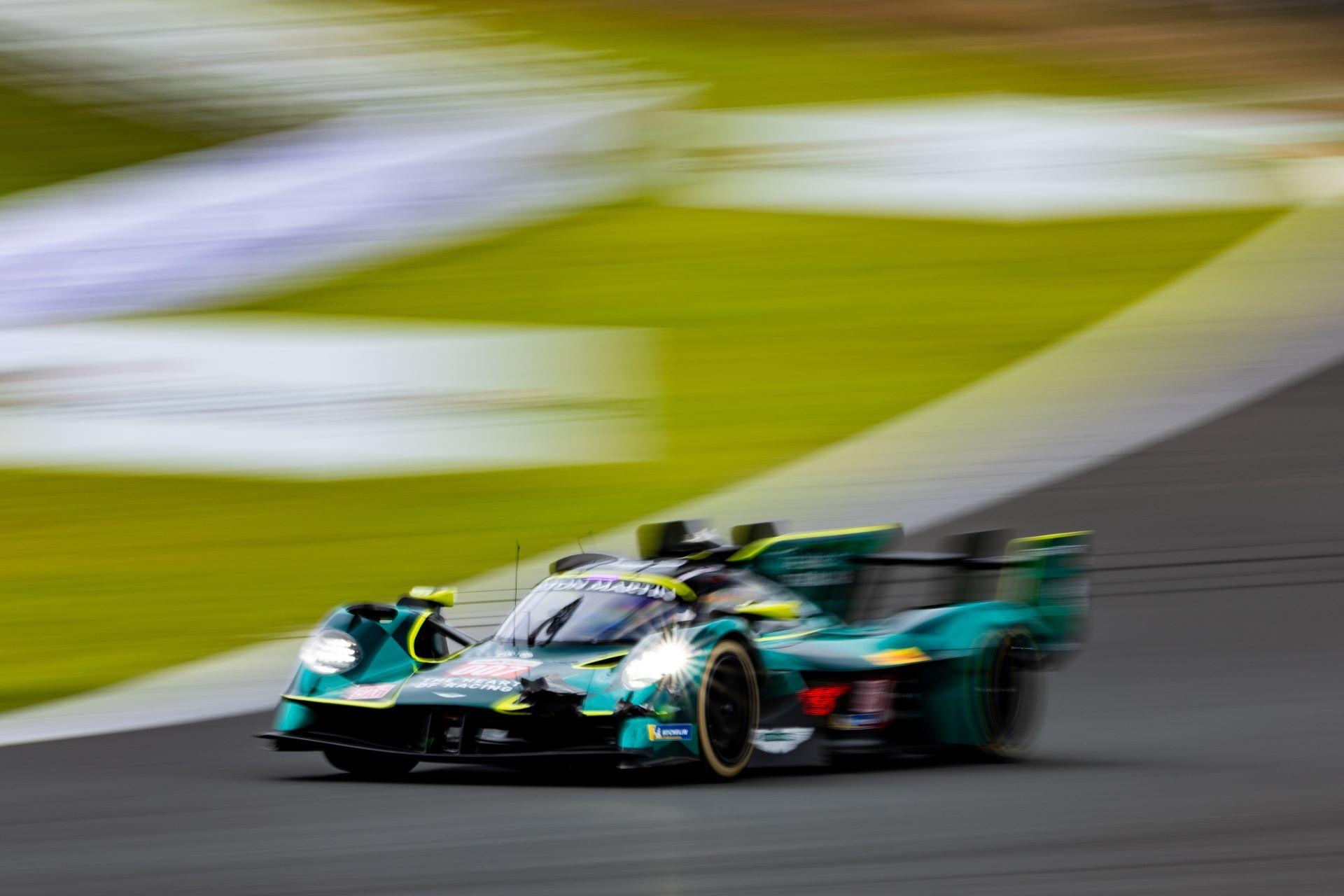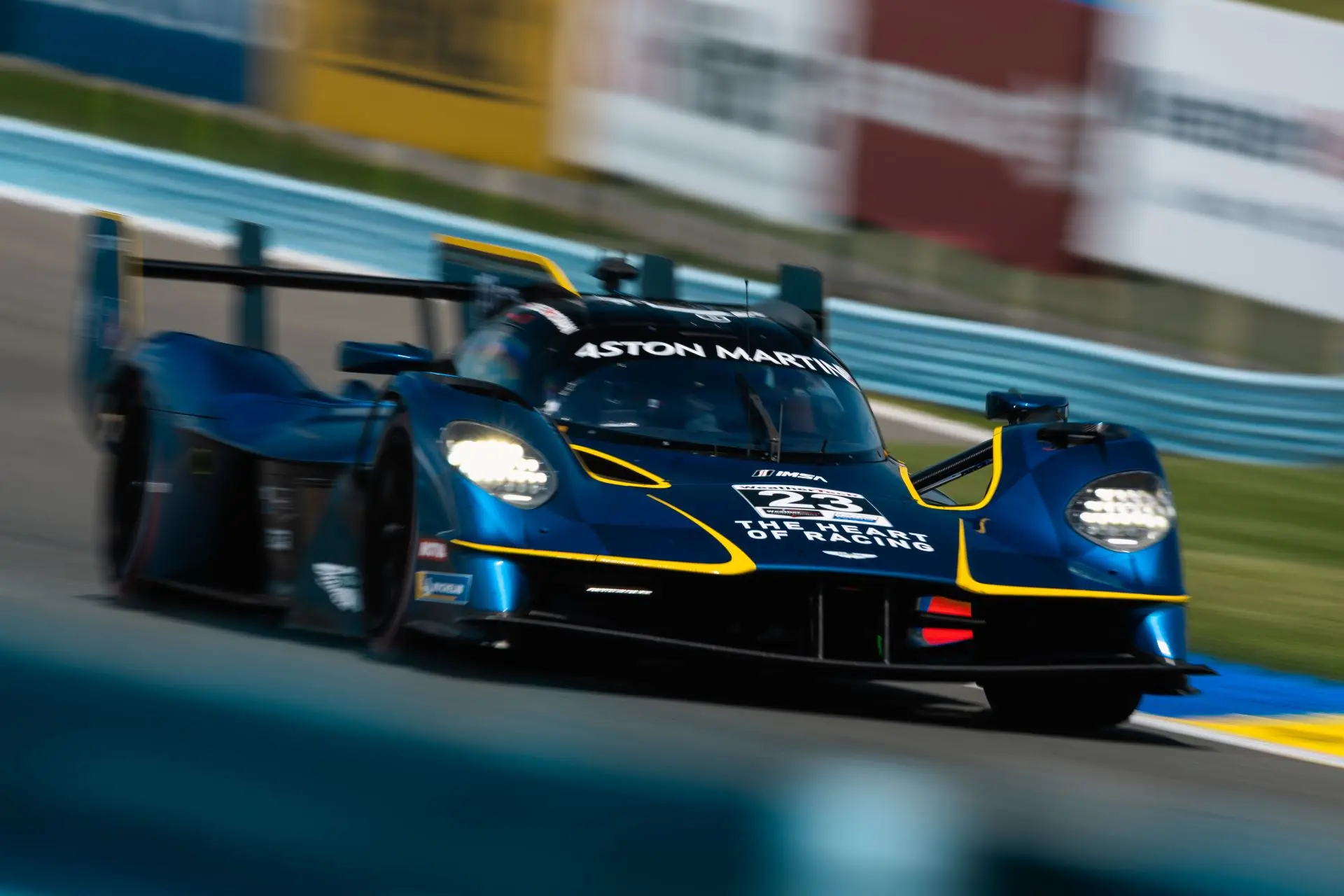



Aston Martin’s extraordinary Valkyrie hypercar has completed its first full FIA World Endurance Championship campaign with another milestone performance, securing a seventh-place finish at the Bapco Energies 8 Hours of Bahrain and leading a WEC race for the first time. It was a fitting crescendo to a season defined by rapid development, bold ambition and flashes of outright brilliance from the Aston Martin THOR Team.
A Hypercar That Refuses to Blend In
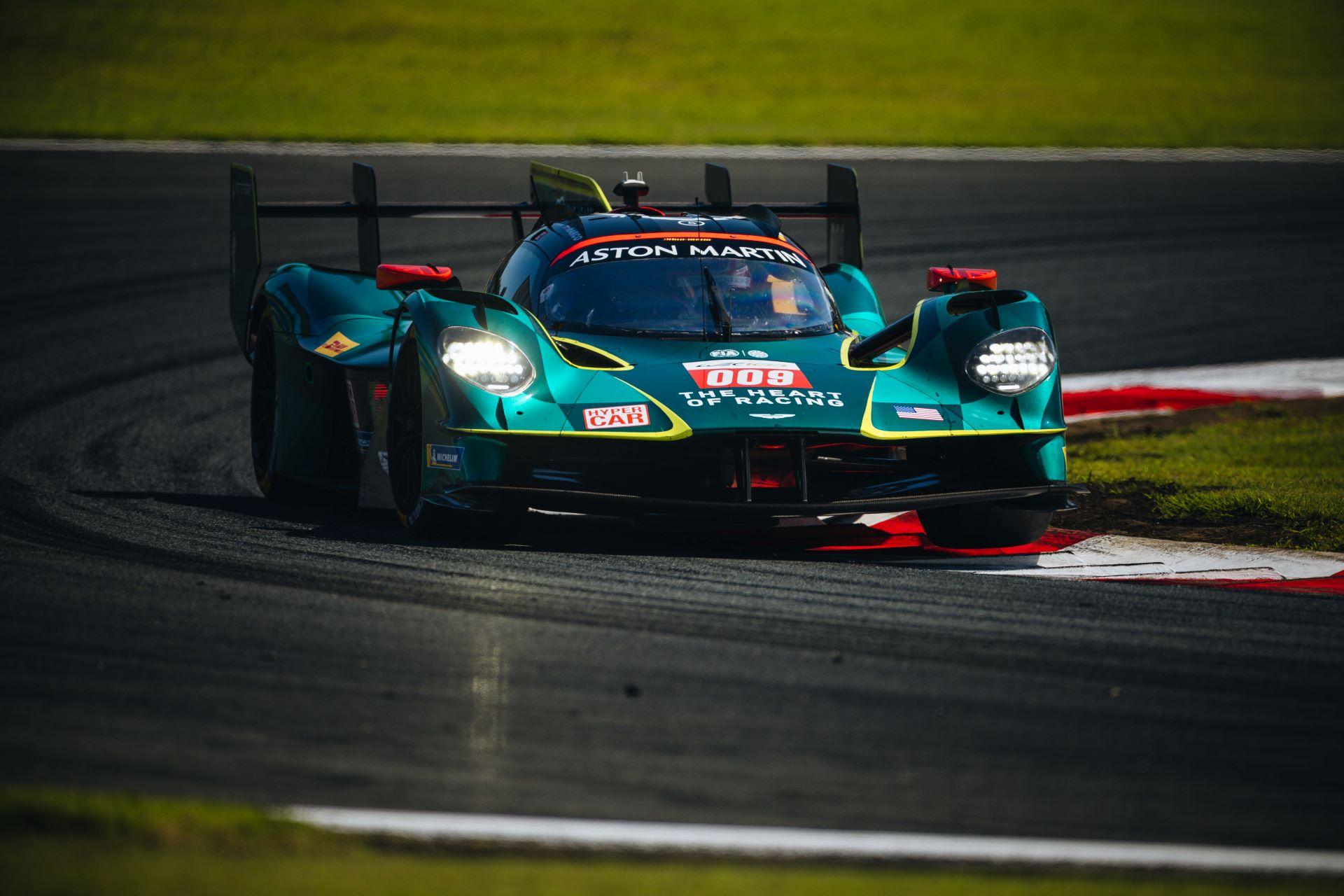
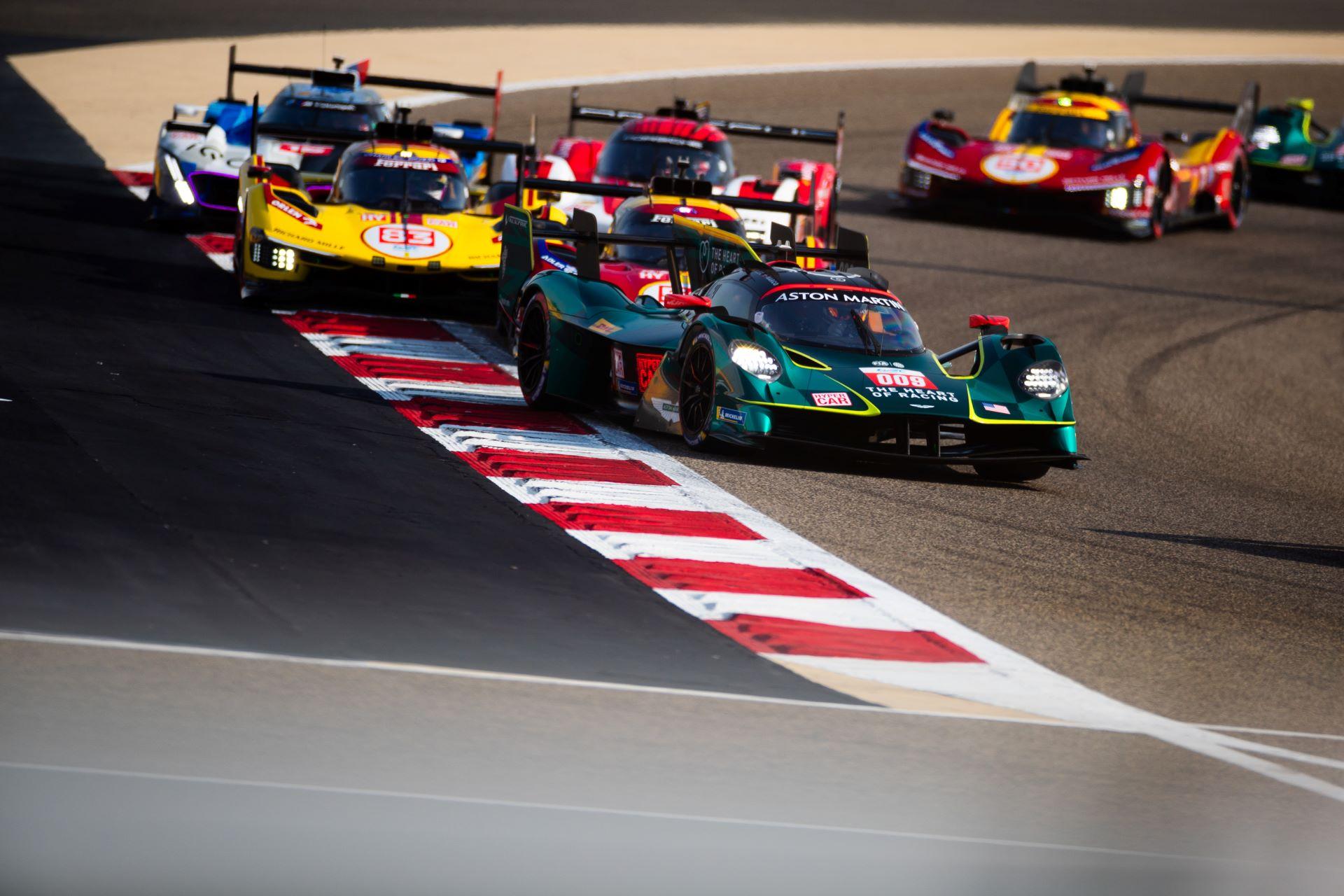
The #009 Valkyrie — piloted by Marco Sørensen, Alex Riberas and Roman De Angelis — delivered its second consecutive points haul, building on the team’s fifth-place finish in Japan. Yet Bahrain offered more than consistency: it showcased a hypercar finally unlocking its formidable potential.
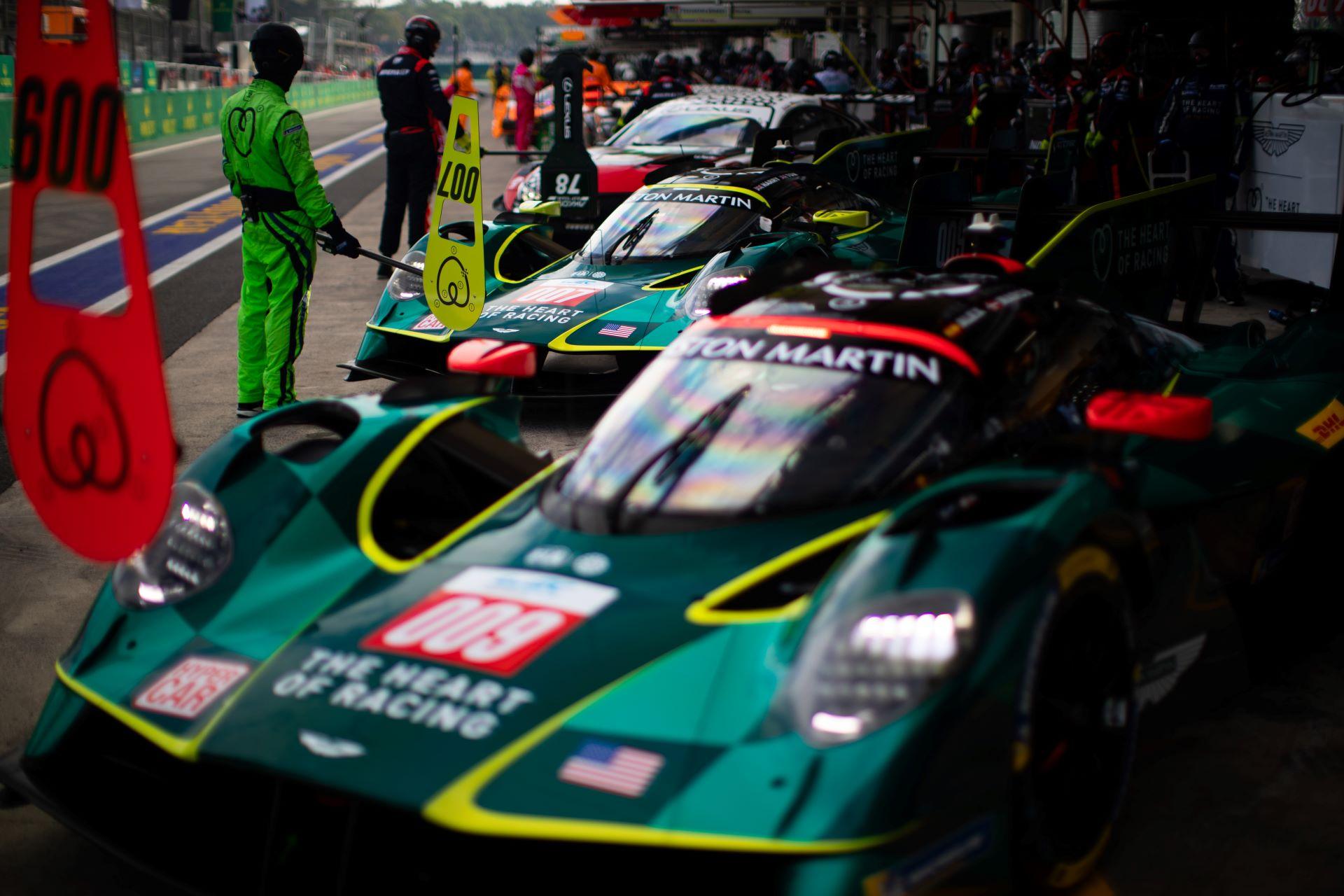
Qualifying was the first statement. For the first time, both Valkyries broke into the top ten, with the #007 entry of Harry Tincknell, Tom Gamble and Ross Gunn spearheading a remarkable one-two in Hypercar qualifying. Sixth and ninth on the grid marked the team’s strongest collective starting position of the season and signalled that the V12-powered machine had evolved far beyond its Qatar debut.
The Moment Valkyrie Arrived
The race itself delivered the highlight the programme has been building toward. When a mid-race safety car reshuffled the pack, Alex Riberas seized the opportunity with a fierce, confident charge—pushing from fifth to the lead of the race. For the first time, an Aston Martin Valkyrie headed the world’s top endurance racing series.
Although strategy misfortune later unsettled both entries, the achievement was unmistakable: the Valkyrie had proven it could lead on pace, on merit, against the world’s best.
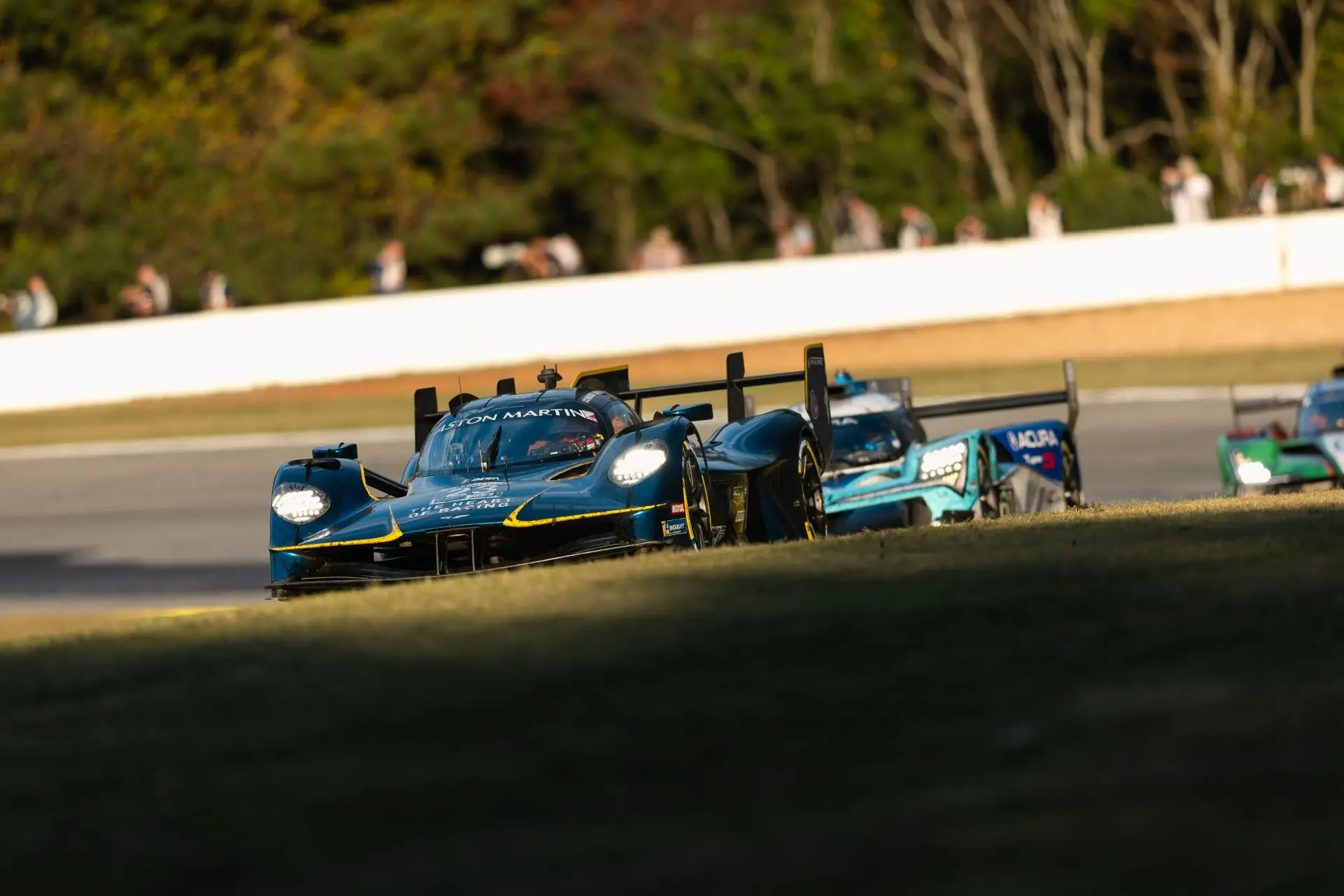
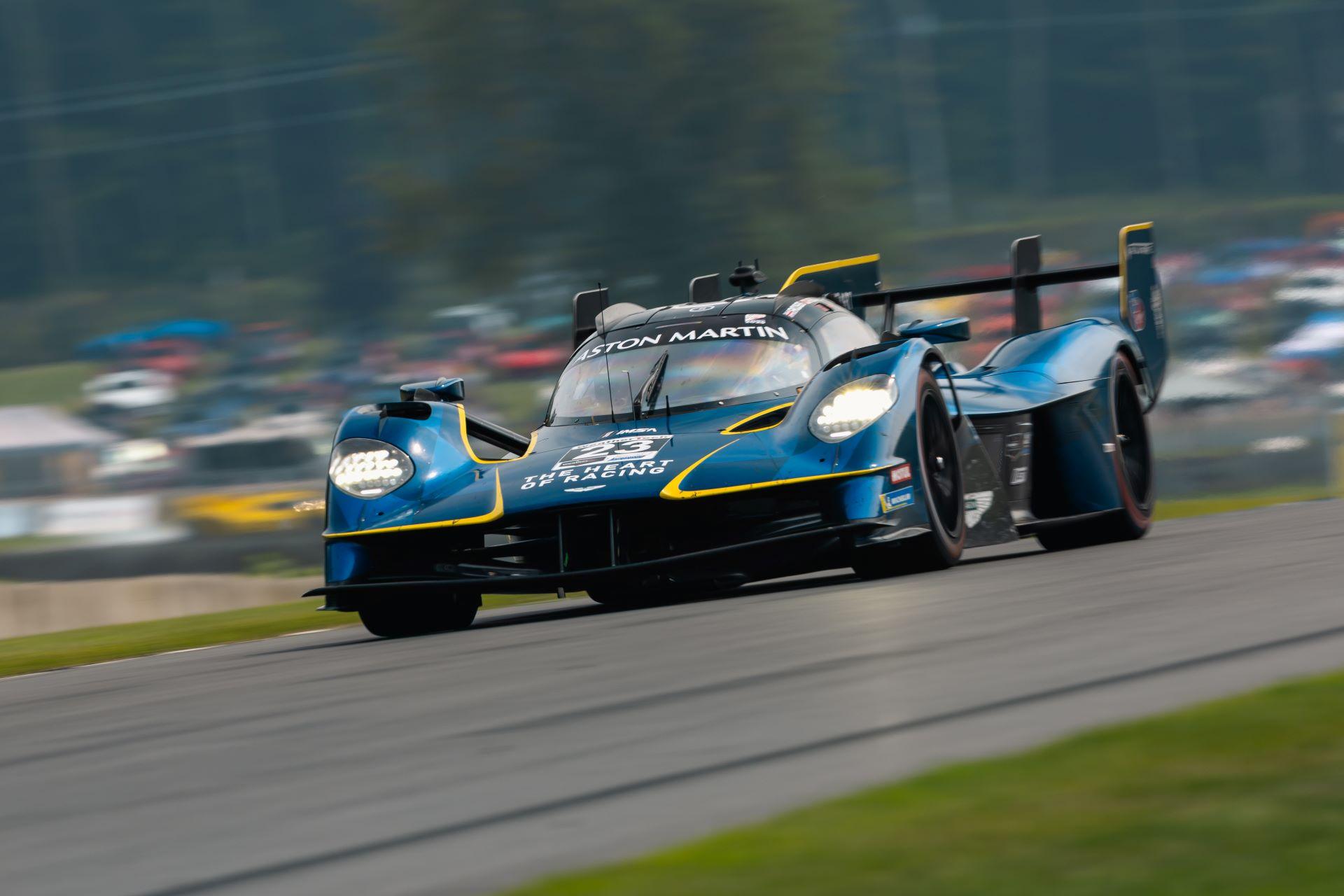
This progress mirrors the hypercar’s transatlantic performance in IMSA, where in October it secured its maiden podium at the gruelling Petit Le Mans. With full-season entries across both IMSA and WEC, Valkyrie is uniquely positioned as the only Hypercar contesting the world’s two premier sportscar series.
An Ambitious First Chapter
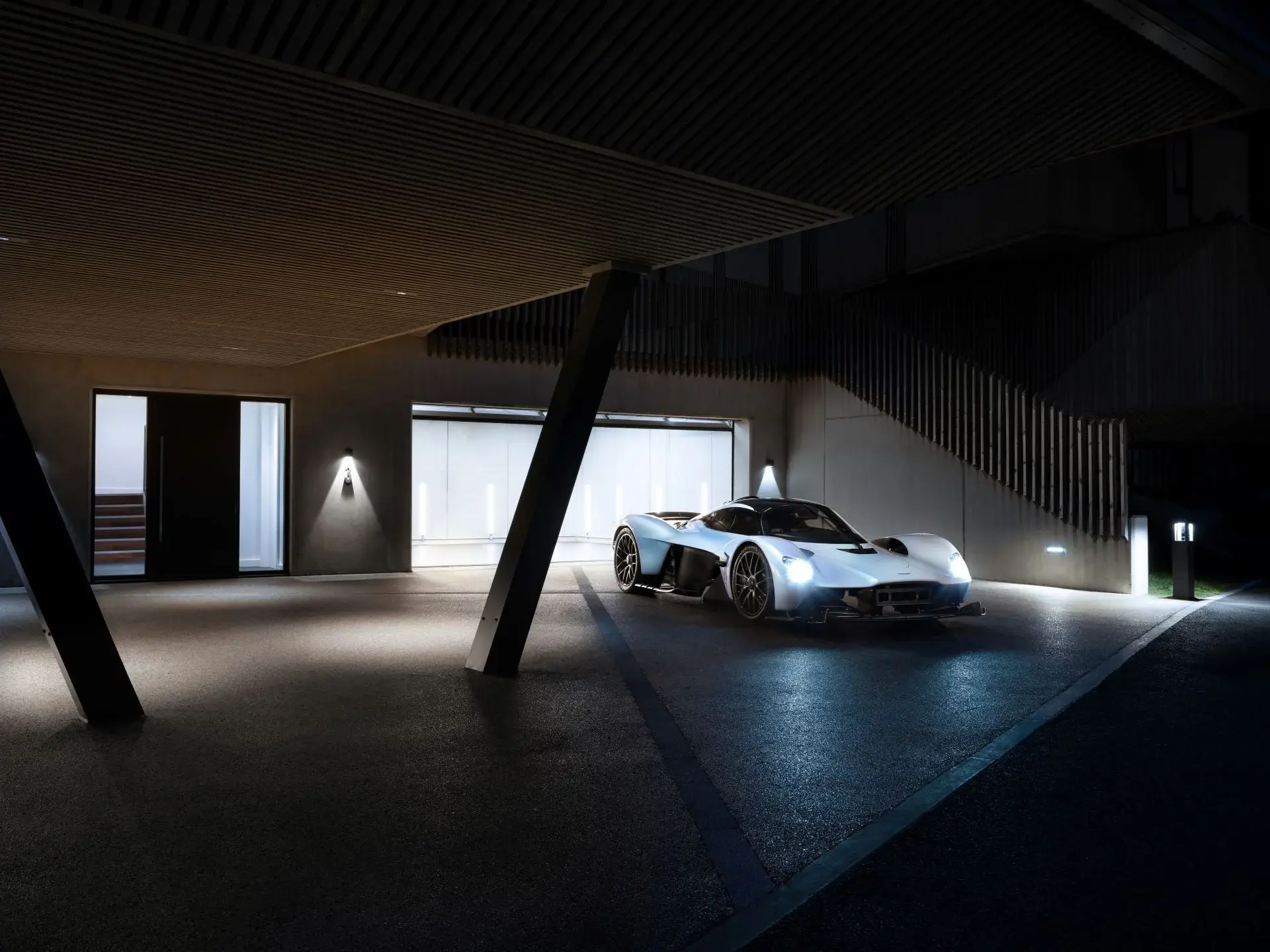
Aston Martin’s first-ever Le Mans Hypercar is a bold proposition in itself — a machine derived from a road-legal hypercar, equipped with a spine-tingling, 6.5-litre naturally aspirated V12 capable of revving to 11,000rpm. While regulations cap output at 500kW (680bhp), the engineering pedigree behind the Valkyrie remains unmistakable.
More importantly, the team’s trajectory has been unmistakable too.
“To consistently improve our performances to the point where we’ve come to the WEC finale in Bahrain and perform the way we have shows the ability and desire of everybody involved,” said Adam Carter, Aston Martin’s Head of Endurance Motorsport. “We have made satisfying progress in 2025 and will continue to build on this next season.”
Across eight WEC rounds — including the 24 Hours of Le Mans — the two-car programme logged over 22,000 racing miles, transforming a spectacular concept into a rapidly maturing competition platform.

Drivers Reflect on a Season of Transformation
The drivers echoed the sentiment: pride, progress and a touch of frustration for what might soon be possible.
- Tom Gamble called the finale “bittersweet”, noting how expectations had risen dramatically from Qatar to Bahrain.
- Ross Gunn highlighted the “really satisfying” development arc, with Bahrain’s qualifying pace a standout moment.
- Harry Tincknell enjoyed dicing at the sharp end, saying the car was “flying” at times.
- Roman De Angelis admitted he was disappointed not to finish higher — itself a sign of how far the team has come.
- Alex Riberas, who delivered the race-leading charge, said the day showcased the “progress we are making and the potential that is growing in the car.”
- Marco Sørensen concluded the season had brought “tremendous progress” and motivation heading into 2026.
Ian James, Team Principal, summed up the programme’s metamorphosis:
“In Qatar we were a couple of seconds off the pace. People were writing us off. Now we’re genuinely competing for pole positions and podiums.”
Vantage Closes the Season with a Bahrain Podium
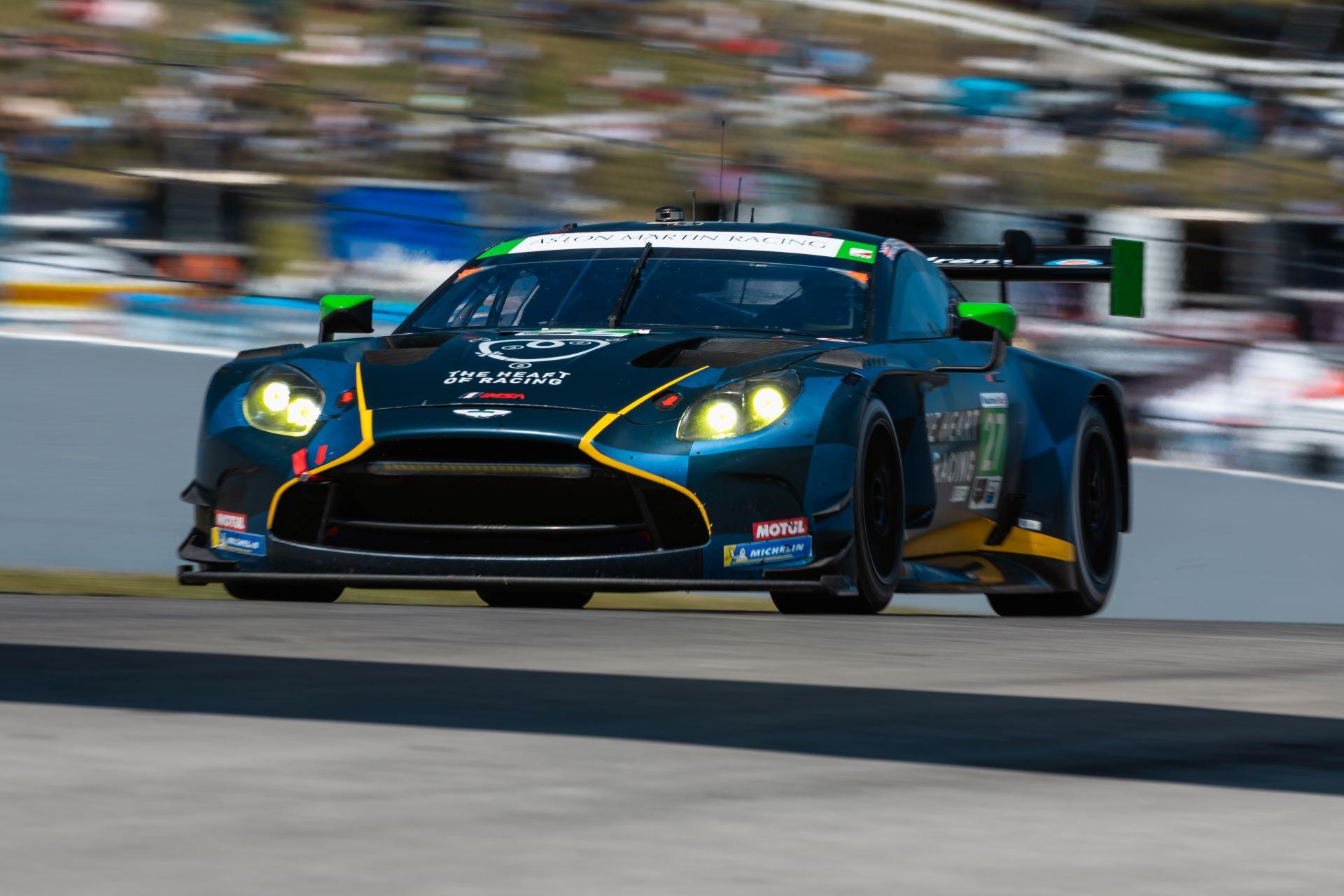
Aston Martin’s WEC campaign was further strengthened by the Vantage GT3’s impressive form in LMGT3. The Heart of Racing Team — Ian James, Zach Robichon and Aston Martin works driver Mattia Drudi — brought home third place after a spirited run that saw Drudi claw back a 30-second deficit in the final hours.
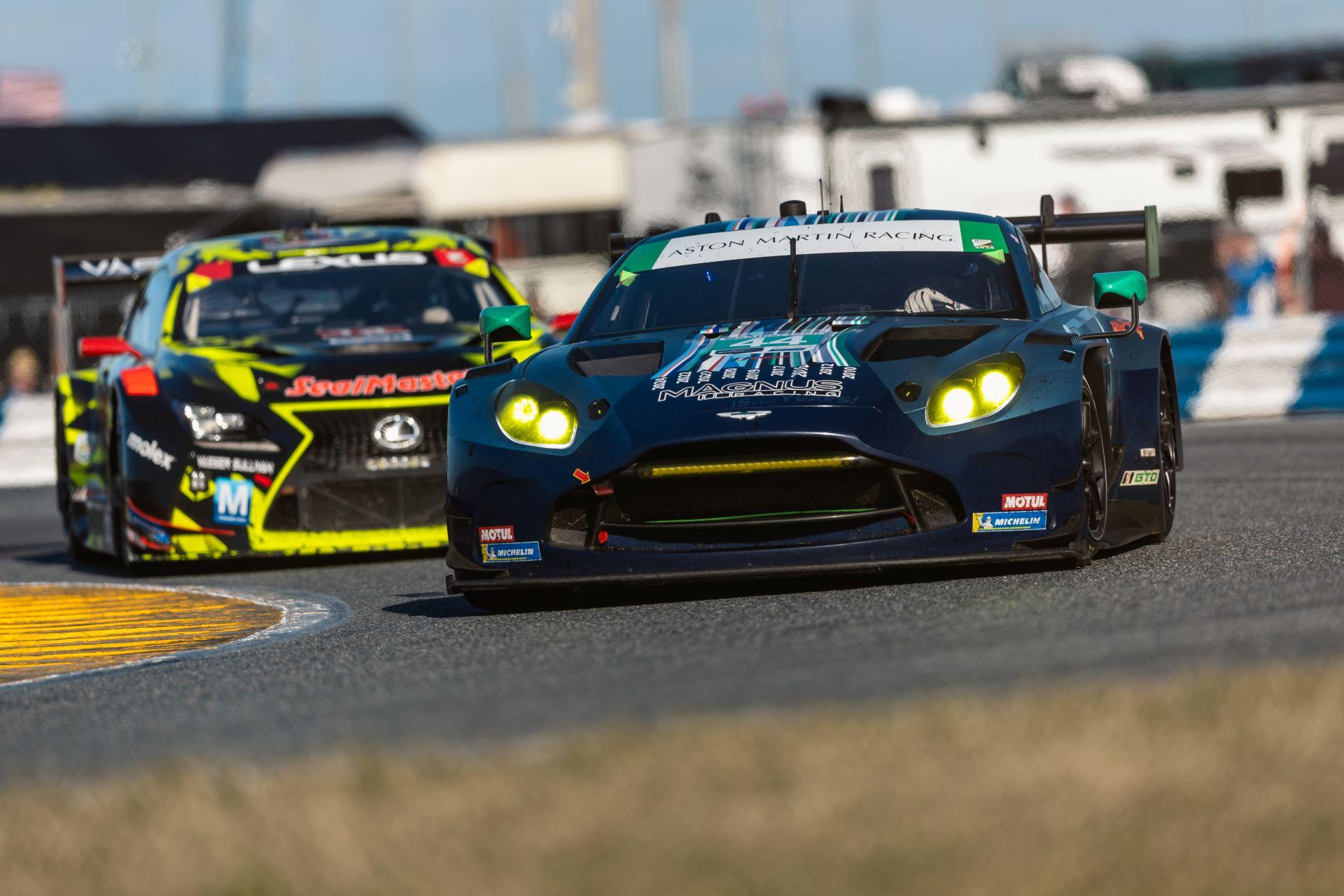
It marked Vantage’s second podium of the season following Racing Spirit of Léman’s result in Brazil, reinforcing the car’s reputation as Aston Martin’s most successful sportscar of all time. With class poles at Le Mans and Brazil, IMSA victories including Watkins Glen, and podiums at Spa and the Nürburgring 24 Hours, Vantage continues to demonstrate formidable longevity in the most competitive GT fields in the world.
A Launchpad for 2026
For Aston Martin, 2025 was the proof-of-concept year: take a radical hypercar, refine it relentlessly, and show the world that the Valkyrie could stand tall among the giants of endurance racing.
By Bahrain, the message was clear. This is no longer an outsider programme — it’s a contender in formation.
With momentum surging in both WEC and IMSA, and with drivers and engineers firmly aligned, Aston Martin now heads into 2026 with a sharpened toolset, a deeper understanding, and a machine that has shown flashes of race-winning potential.
The only question now is not if the Valkyrie will challenge for victories — but when.