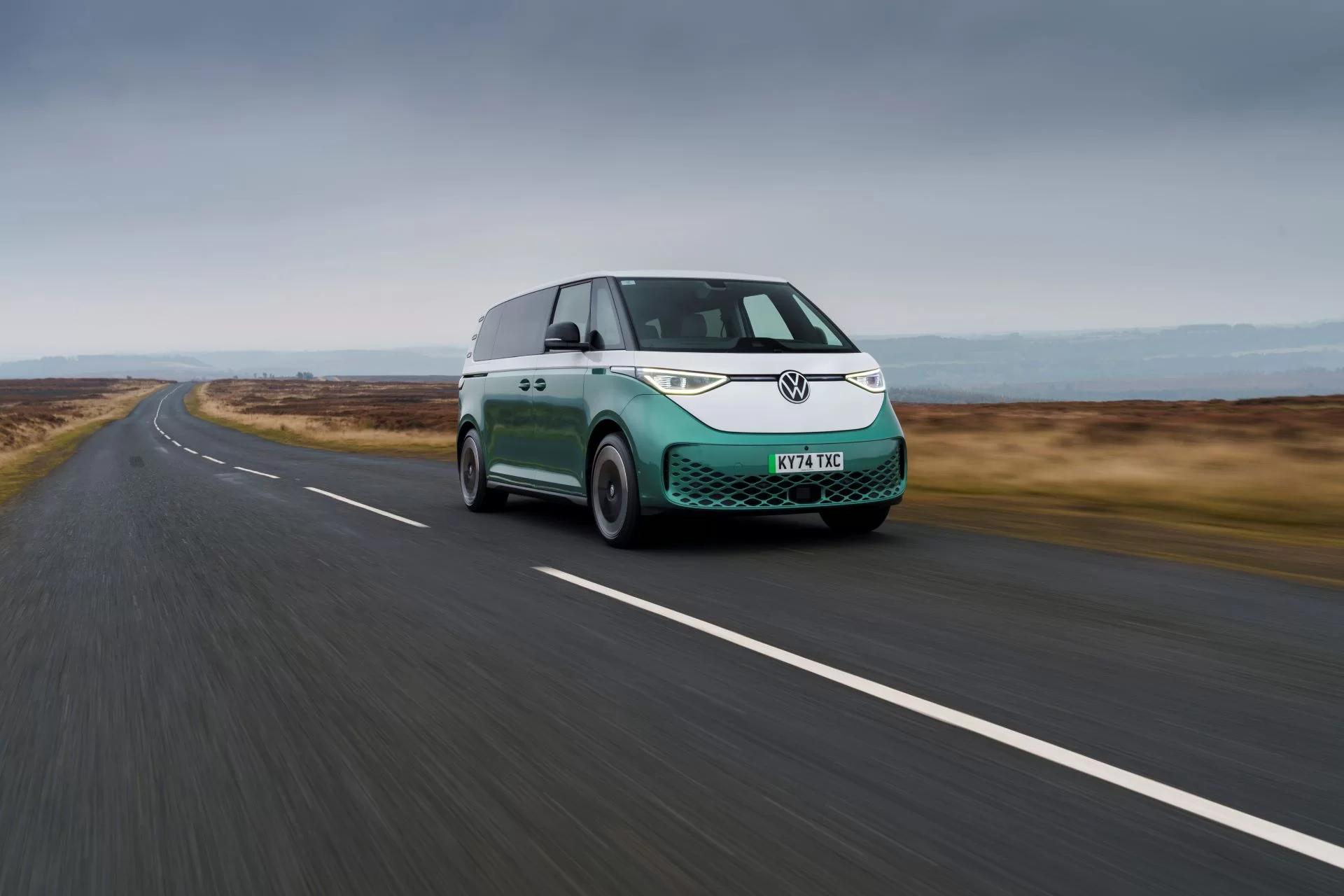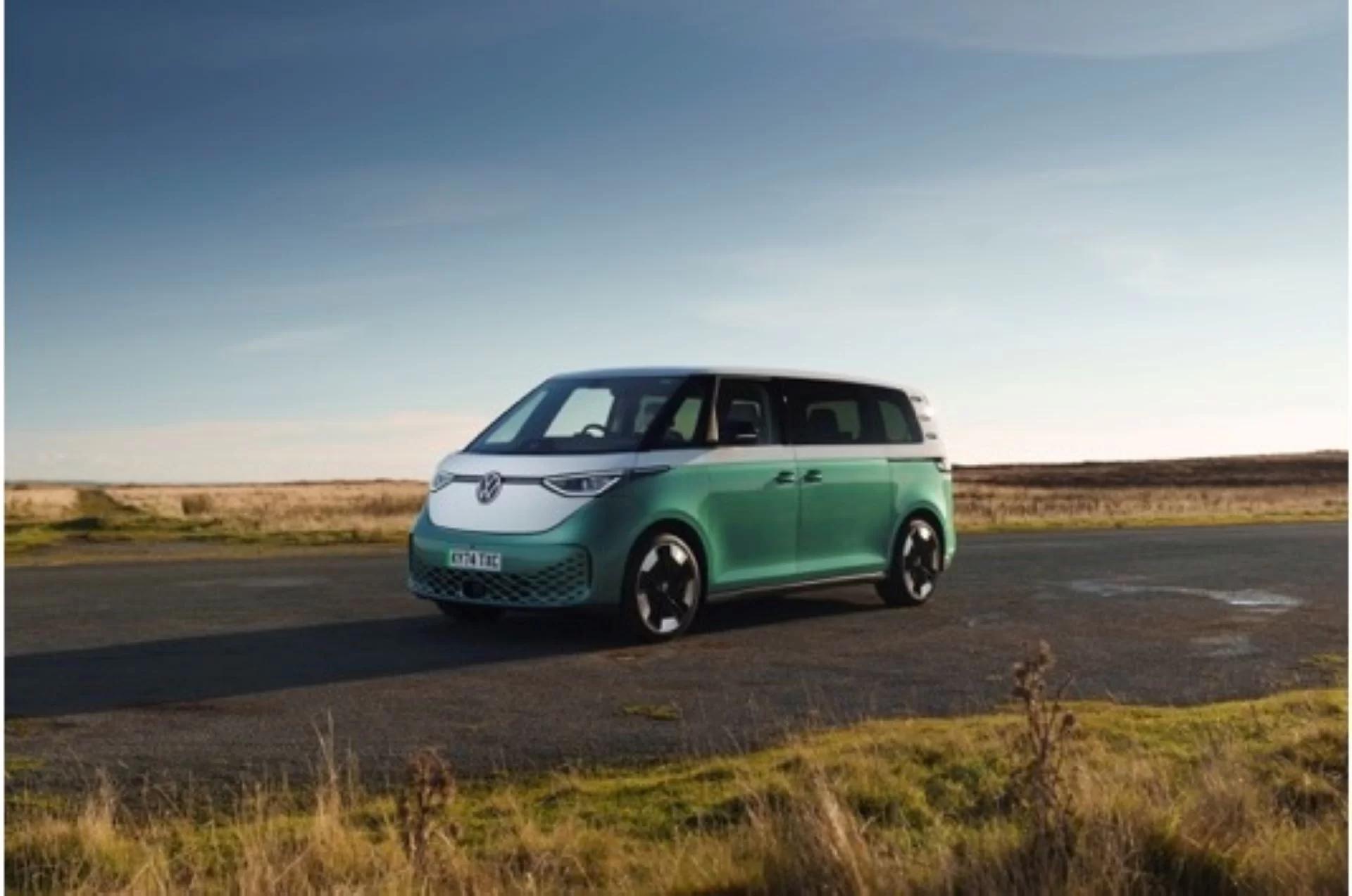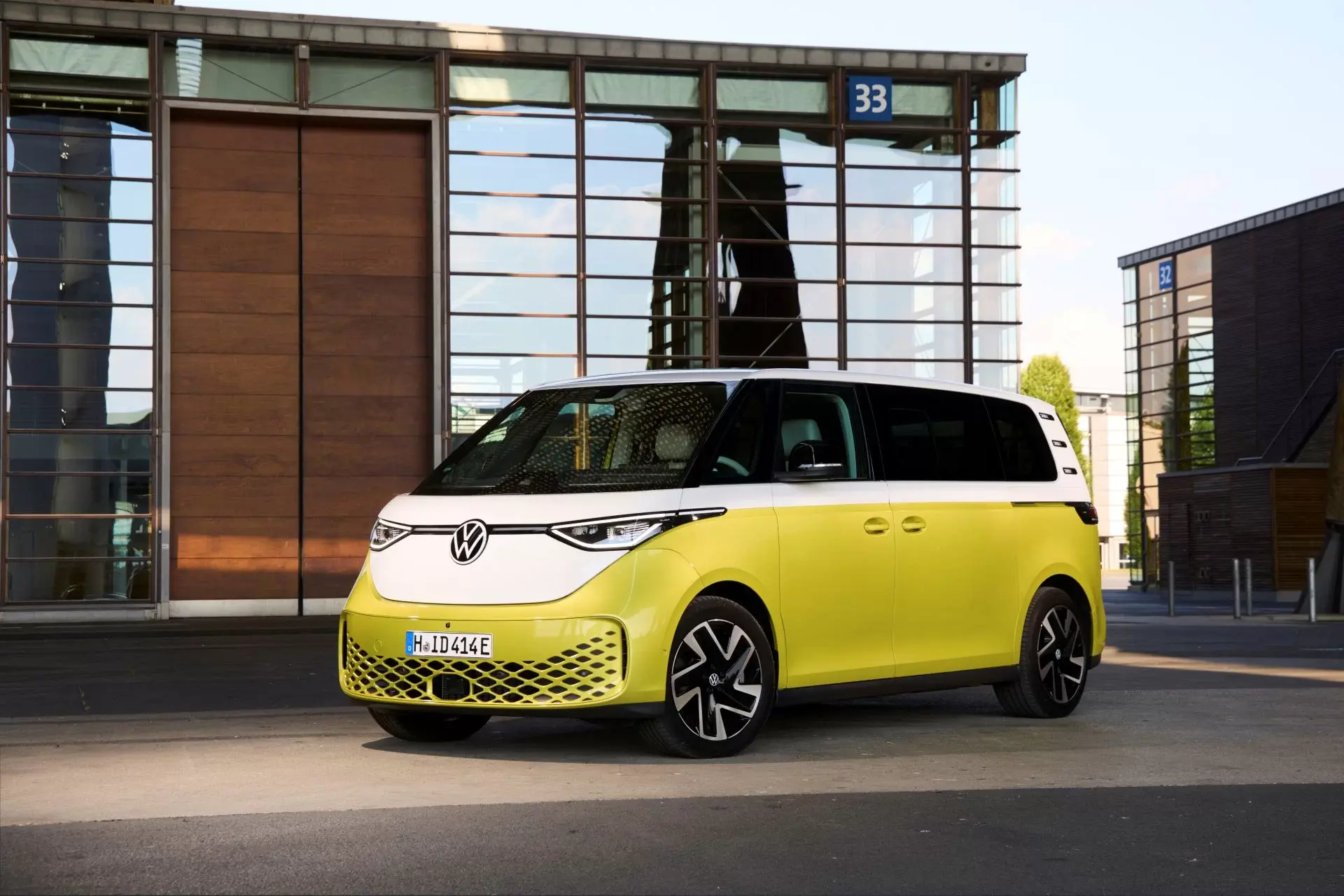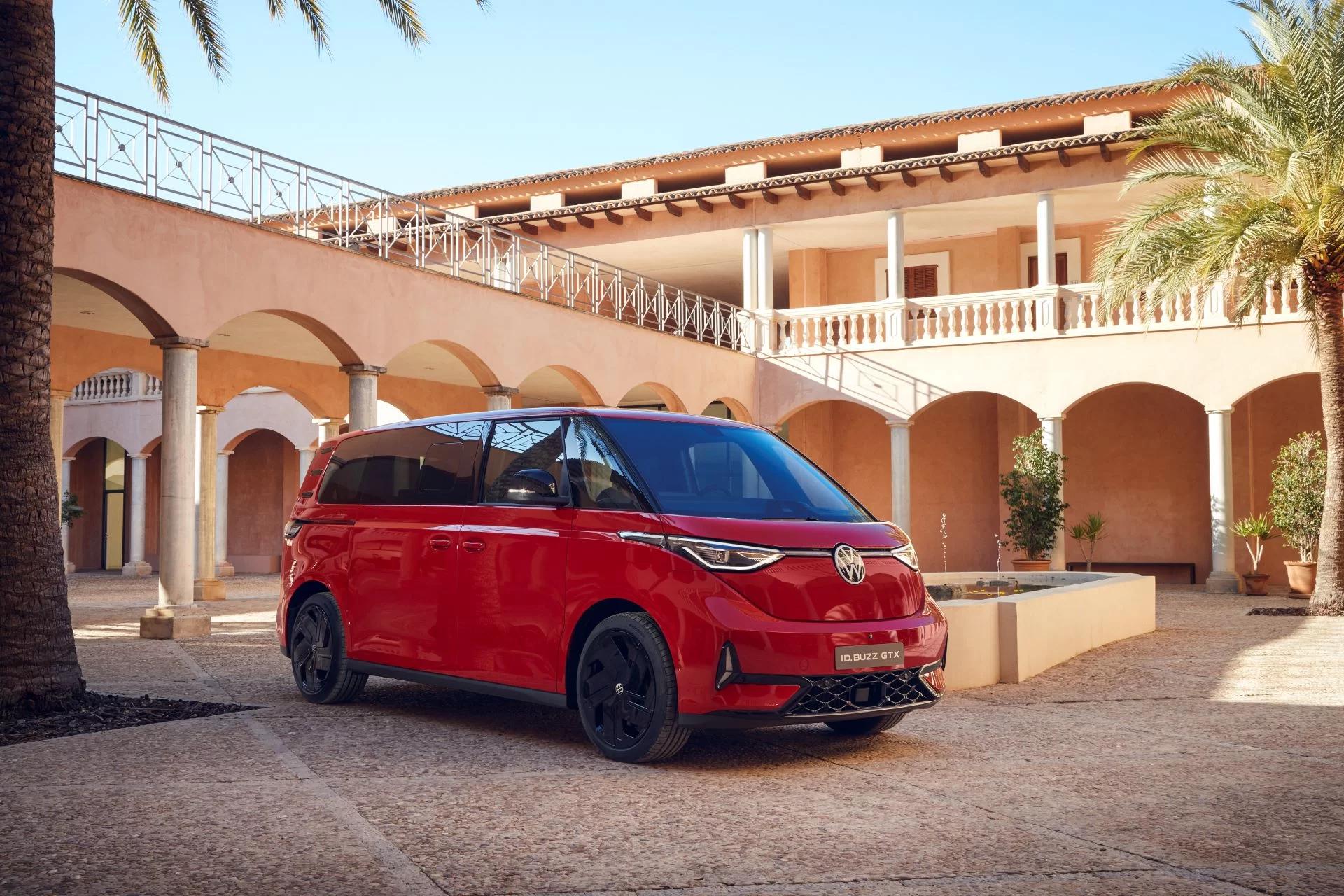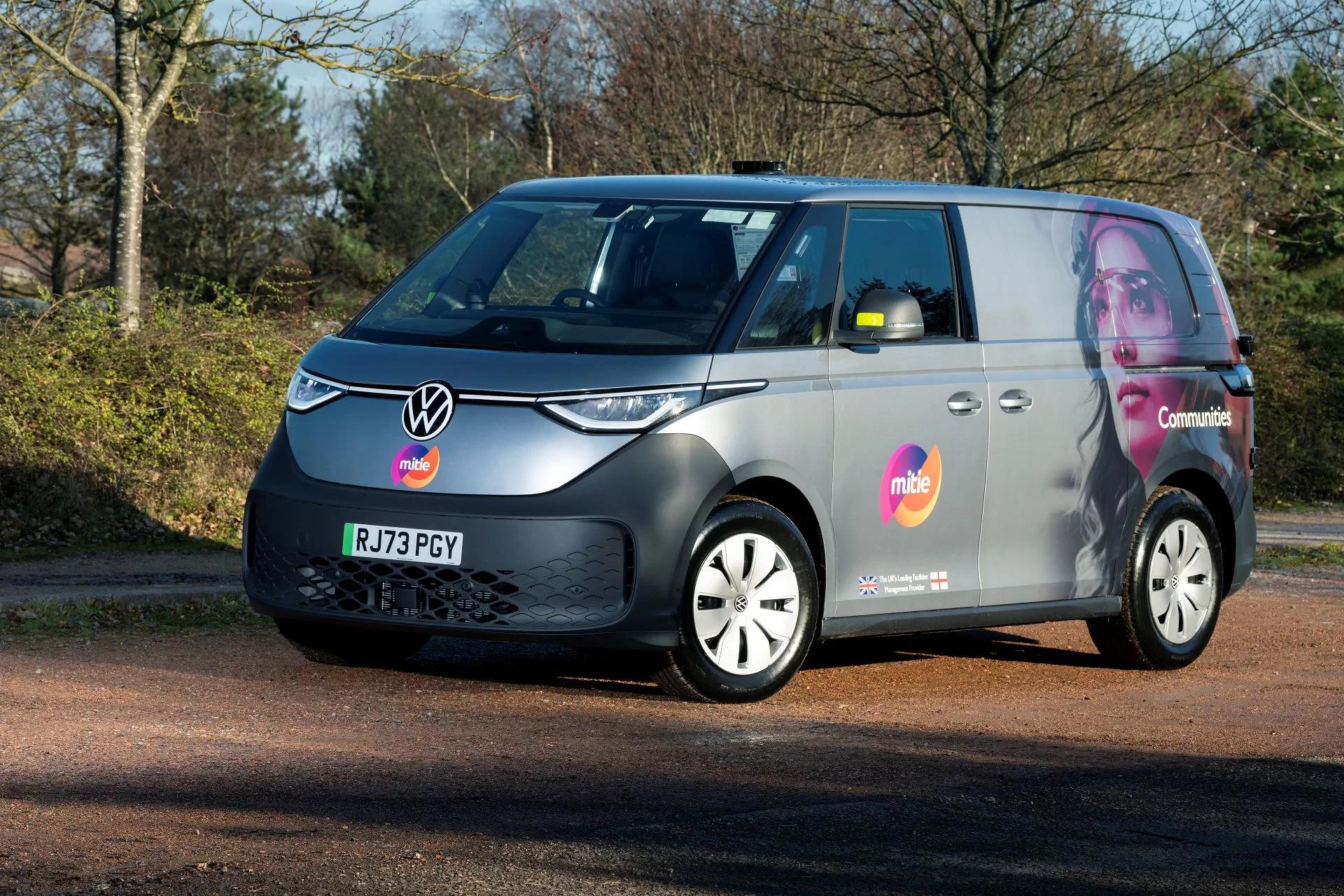




The Volkswagen ID. Buzz has always traded as much on emotion as it has on engineering, a modern electric reimagining of an icon that refuses to sit still. Now, with a substantial software-led update rolling out from mid-2026, Volkswagen is sharpening both sides of that identity, blending nostalgia with a quietly powerful dose of digital intelligence.
At the heart of the update is a shift in how the ID. Buzz interacts with the world beyond its cabin. The introduction of vehicle-to-load functionality turns the van into something more akin to a mobile power station, capable of supplying up to 2.0 kW of continuous energy to external devices. It is the sort of feature that feels almost poetic in context. A vehicle once synonymous with road trips and counterculture freedom now powers e-bikes, grills, or campsite essentials directly from its high-voltage battery. The journey does not end when the wheels stop turning; it simply changes form.
This expanded sense of utility is matched by a more intuitive driving experience. One-pedal driving joins the suite, allowing the driver to accelerate and decelerate using only the throttle. The system recuperates energy as the vehicle slows, bringing the ID. Buzz to a complete stop without the need to touch the brake pedal in most situations. It is a subtle recalibration of control, but one that quickly becomes second nature, smoothing the rhythm of urban driving while quietly improving efficiency.
Volkswagen’s driver assistance technology also takes a notable step forward. The newly evolved Connected Travel Assist leans more heavily on real-time online data, enabling a deeper awareness of the road environment. One of its most tangible upgrades is traffic light recognition. When the system detects a red light ahead, it can autonomously bring the vehicle to a standstill, adding another layer of ease to stop-start traffic conditions. It is less about removing the driver and more about reducing friction, allowing the technology to handle repetitive tasks while the human remains firmly in charge.
Inside, the digital ecosystem receives a meaningful expansion. The latest generation Innovision infotainment system introduces an integrated app store, reshaping how features and services are accessed within the vehicle. Much like a smartphone, the ID. Buzz can now be tailored through downloadable apps, spanning entertainment, navigation, charging services and even gaming. This modular approach signals a broader shift in how vehicles evolve over time, no longer fixed at the point of sale but continuously adaptable to the needs of their owners.
Ease of use, often a sticking point in increasingly digital cabins, has not been overlooked. Volkswagen has reworked the multifunction steering wheel with new physical buttons, offering a more tactile and immediate way to control key functions. It is a small but important correction, acknowledging that while touchscreens dominate, there is still value in the reassuring certainty of a button beneath your fingertips.
Taken together, these updates do not radically alter the character of the ID. Buzz, but they deepen it. The vehicle remains a symbol of freedom and practicality, now enhanced by a layer of intelligence that feels less intrusive and more enabling. It becomes not just a means of transport, but a companion that adapts, powers, assists and entertains.
In a segment where electric vehicles often chase numbers and specifications, the ID. Buzz continues to lean into something more human. This latest update simply ensures that behind its retro silhouette lies a thoroughly modern machine, one that understands that progress is not only about going further, but about making every moment along the way a little easier, and a little more connected.