


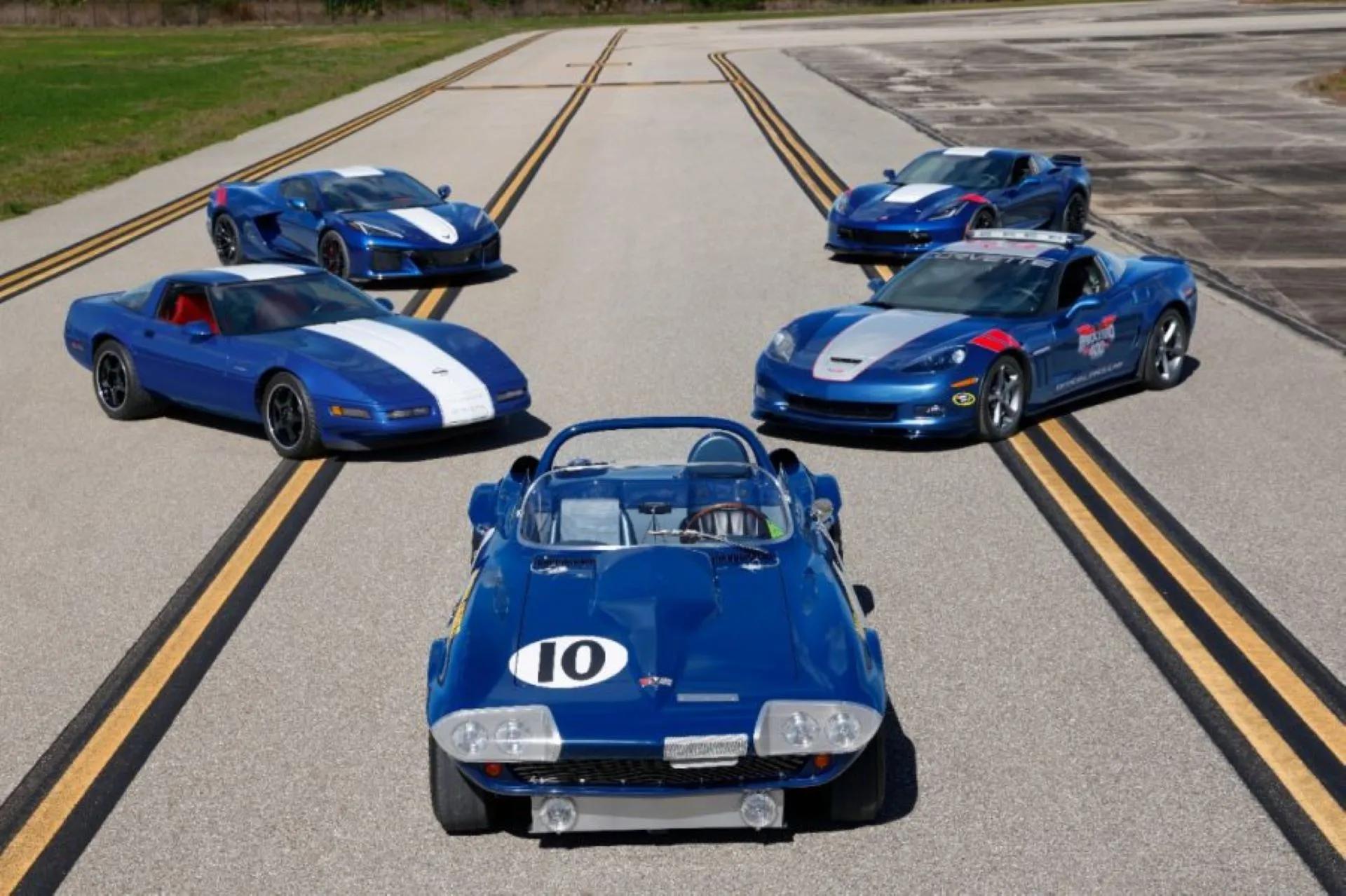
There are moments in motorsport that feel less like history and more like a pulse that never quite fades. The story of the Corvette Grand Sport is one of those rare currents, flowing from the raw ambition of the 1960s straight into the modern era with undiminished intent. At Sebring, a circuit etched into endurance racing folklore, that current surged once again.
Before he became one of the most influential figures in global motorsport, Roger Penske was a driver with a sharp instinct for opportunity and speed. On March 21, 1964, alongside Jim Hall, he piloted a Corvette Grand Sport to a Prototype GT class victory at the Twelve Hours of Sebring. It was not merely a win, but a statement of purpose for a machine designed to unsettle the established order.
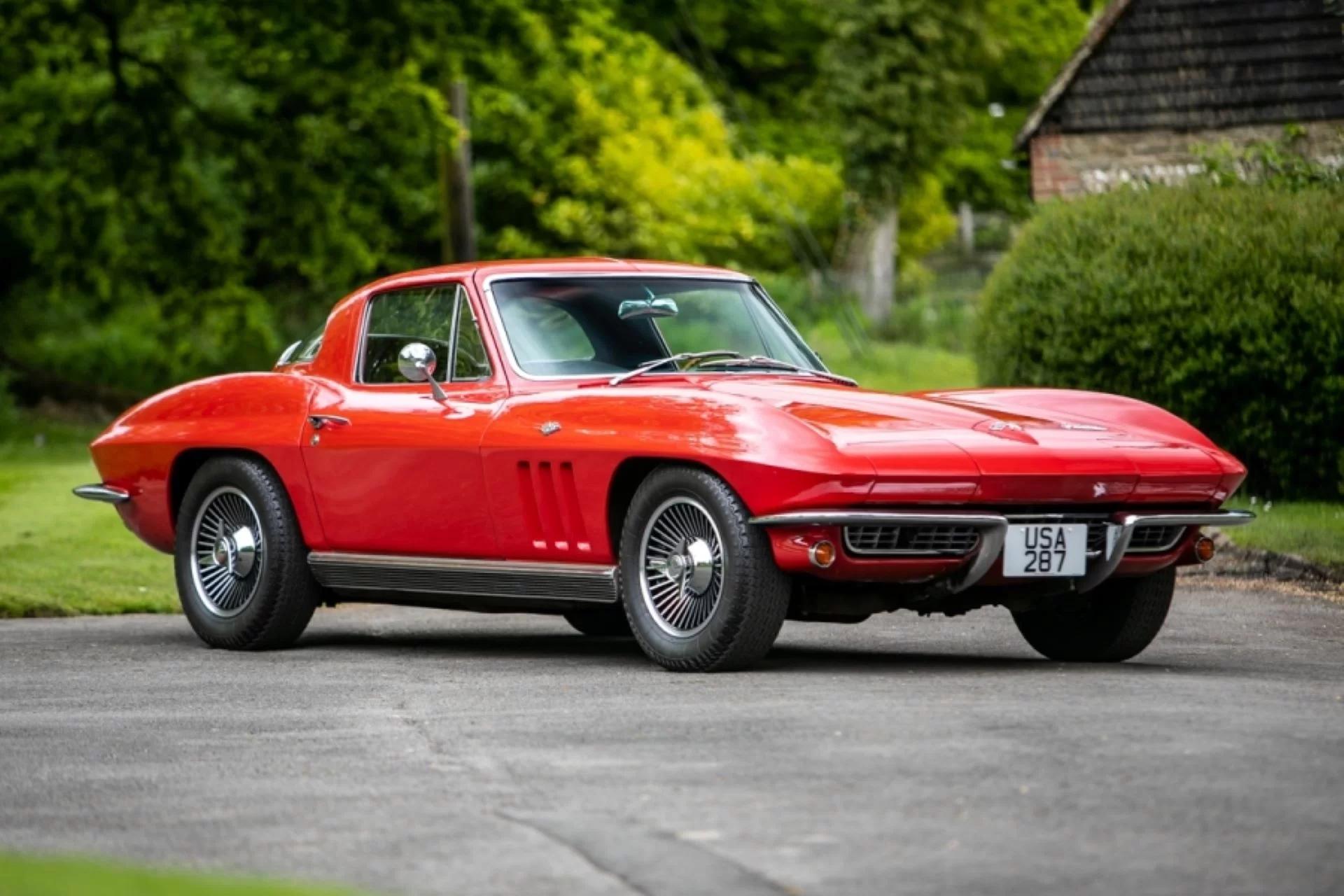
That original Grand Sport, born in 1963 under the direction of visionary engineer Zora Arkus-Duntov, was a rebellious creation. Lightweight, brutally powerful, and unapologetically focused, it carried a 377-cubic-inch V8 that delivered performance capable of challenging the world’s best. Only five were ever built, making it as rare as it was formidable. Yet its impact far exceeded its production run, carving a permanent mark into Corvette’s DNA.
Six decades later, Penske returned to Sebring not as a driver chasing victory, but as a titan of the sport marking 60 years as a team owner. Serving as Grand Marshal for the 74th Mobil 1 Twelve Hours of Sebring, he stood at the intersection of past and present, surrounded by the lineage that helped define his journey. The reunion with the C2 Grand Sport was more than nostalgic; it was deeply personal.
He reflected on those early days with clarity and pride, recalling not only the Sebring triumph but a run of three victories in just five races during the 1963 and 1964 seasons. It was a period where ingenuity and courage often outweighed resources, and where the Grand Sport proved its worth against formidable competition.
As the decades unfolded, the Grand Sport name evolved, shifting from pure racing prototype to a badge that signified a unique balance of performance and heritage. The 1996 C4 Grand Sport arrived as a farewell gesture, a limited-run tribute that paired enhanced power with unmistakable visual identity. Its Admiral Blue paint, white centre stripe, and Torch Red accents created a signature look that would echo through future generations.
The formula matured further with the C6 Grand Sport, which fused the accessible performance of the base model with the wider stance and mechanical sophistication of the Z06. It was a car engineered for drivers who wanted both everyday usability and track-ready capability, without compromise. The addition of features like a dry-sump oiling system in manual variants underscored its serious intent.
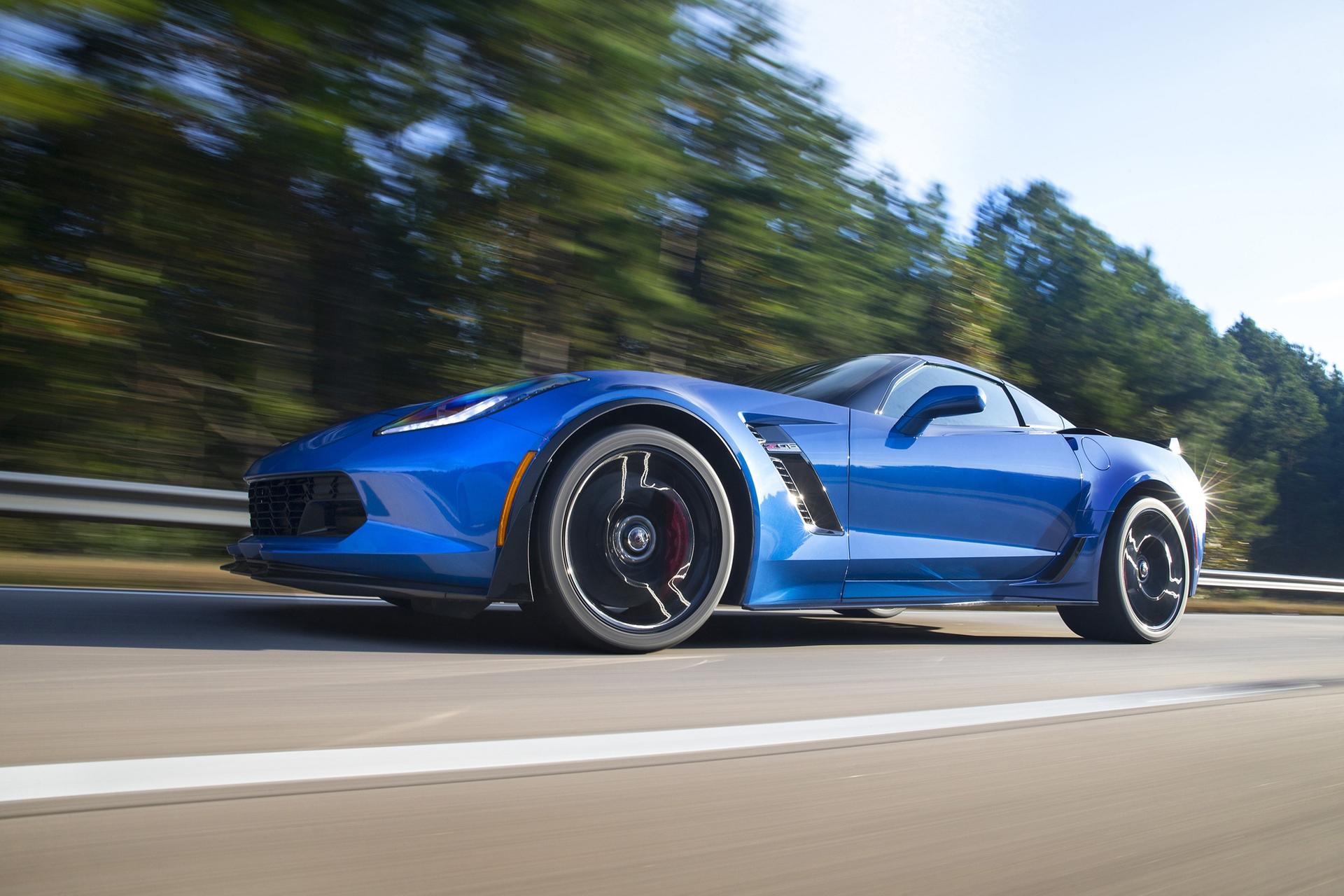
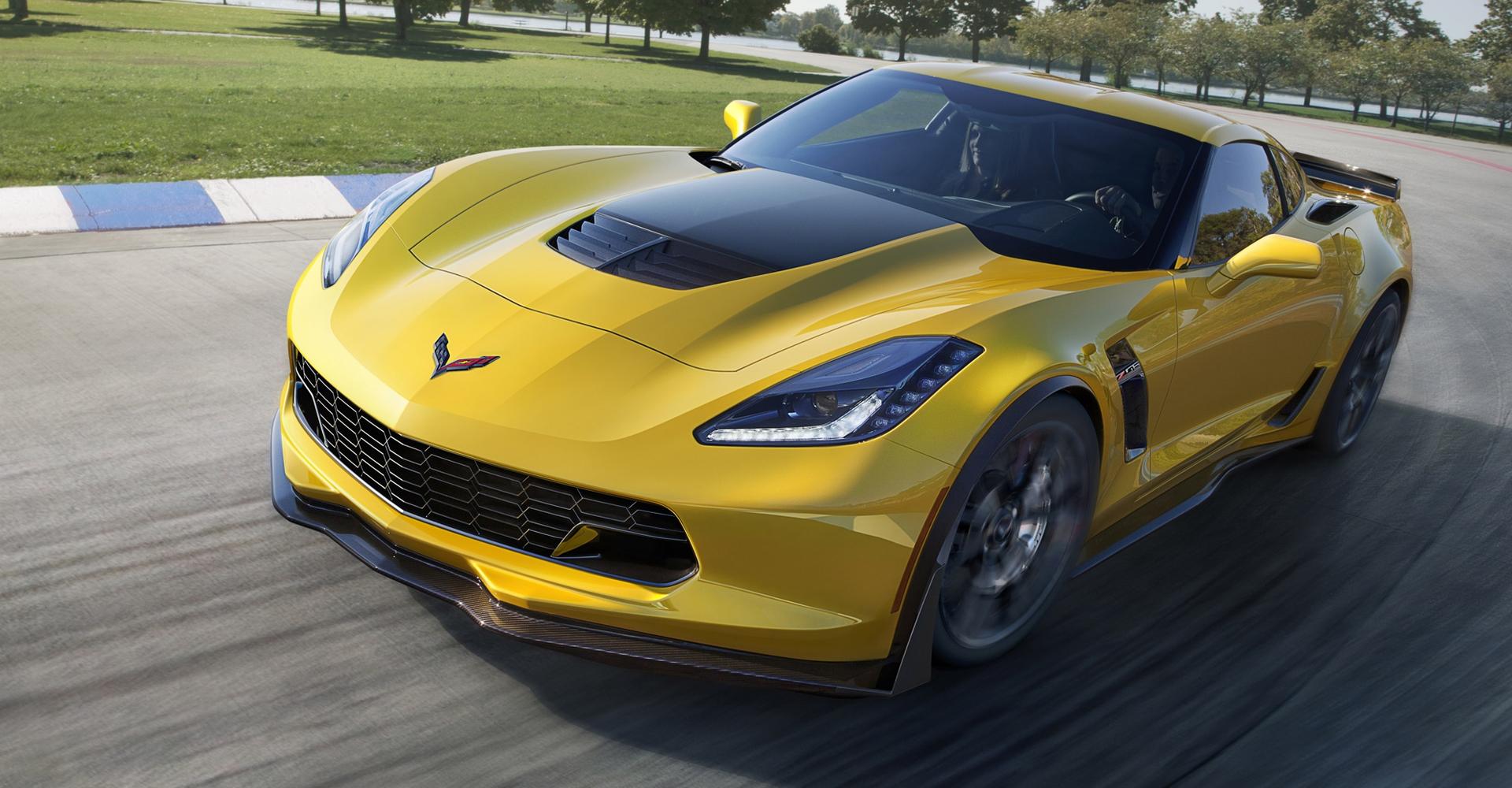
By the time the C7 Grand Sport arrived, the concept had been refined into a precise sweet spot within the Corvette range. With the naturally aspirated LT1 V8 at its core and a chassis enhanced by Z06-derived components, it delivered a driving experience that felt both visceral and composed. It also reintroduced the iconic livery that connected it visually to its predecessors, reinforcing the continuity of the Grand Sport identity.
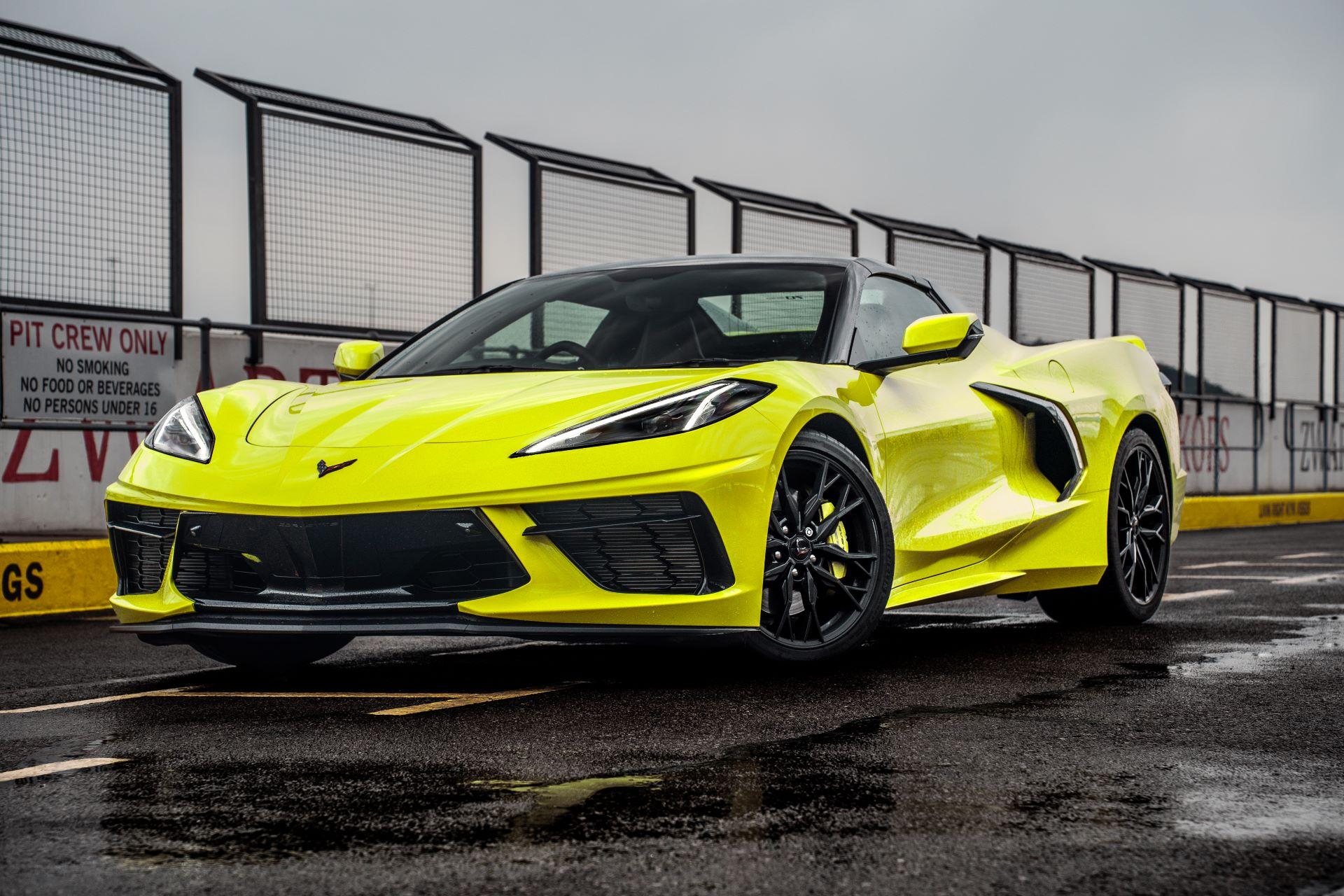
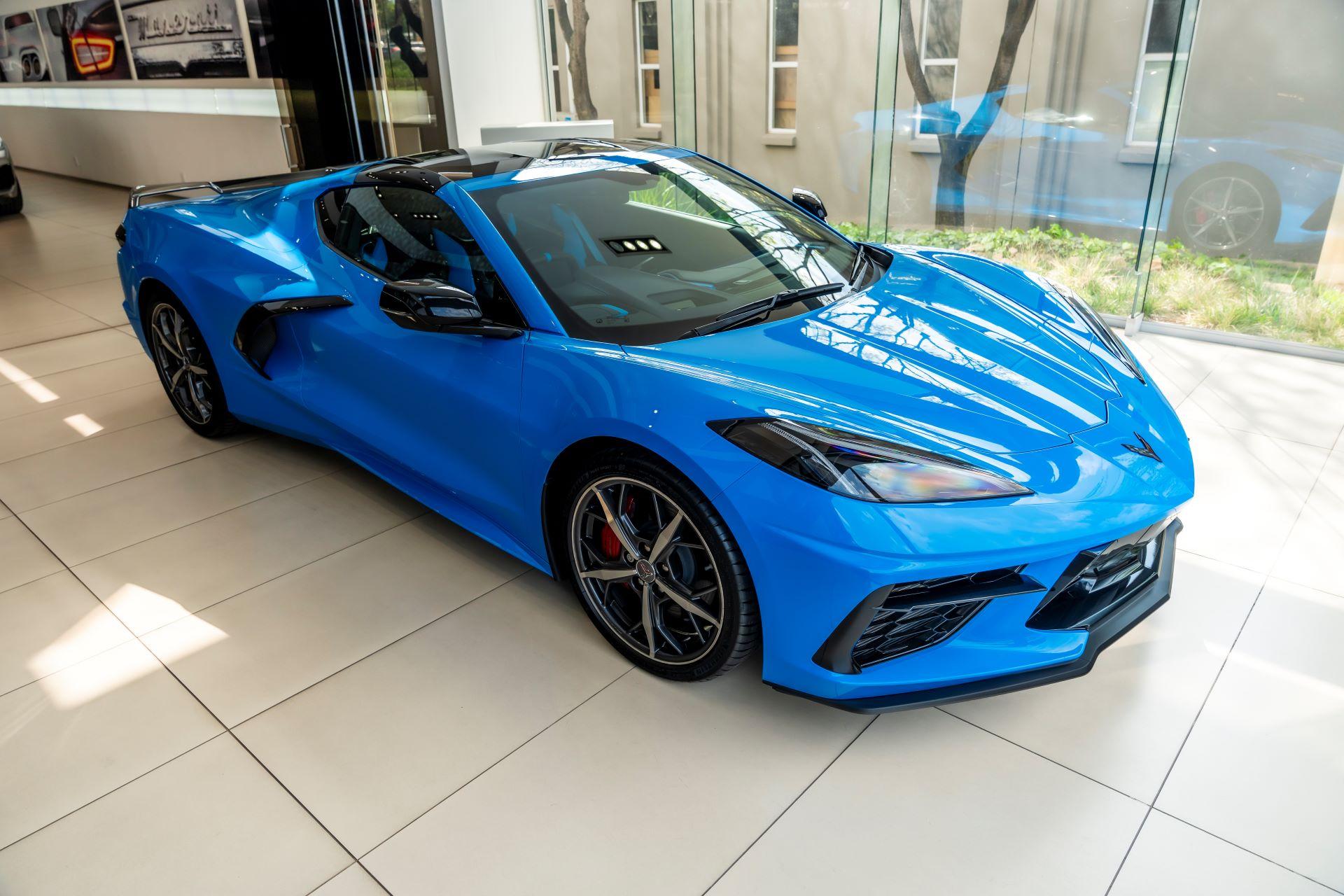
Now, the story turns to its next chapter. Chevrolet used the Sebring stage to introduce the forthcoming 2027 Corvette Grand Sport, a model that promises to carry forward the philosophy that has defined the name for over six decades. Built on the C8 platform, it represents a modern interpretation of a classic idea, one that blends cutting-edge engineering with a purist’s approach to performance.
While full details remain just out of reach, the intent is clear. This new Grand Sport is designed not as an exclusive rarity, but as a high-volume offering for enthusiasts who value connection, balance, and authenticity. It signals a commitment to keeping the spirit of the Grand Sport alive in a rapidly evolving automotive landscape.
At Sebring, where heat, endurance, and history collide, the unveiling felt entirely fitting. The same track that once served as a proving ground for a bold experiment now hosts its continuation. The lineage stands not as a static relic, but as a living narrative, shaped by those who drove it, engineered it, and believed in its potential.
For Penske, the moment was a convergence of memory and legacy. For Chevrolet, it was a declaration that the Grand Sport story is far from over. And for enthusiasts, it was a reminder that some ideas, when forged with enough conviction, never truly fade. They simply find new ways to accelerate.