



As the world accelerates toward a more sustainable future, the adoption of electric vehicles (EVs) continues to rise. However, a key challenge that still lingers in the minds of many potential buyers is the issue of range anxiety. While modern electric vehicles offer impressive ranges—often around 500 kilometers per charge—there remains a lingering concern about running out of power when charging stations are few and far between. This concern, particularly in regions with limited charging infrastructure, has prompted a significant development from ZF: the next-generation electric range extender systems. Set to begin production in 2026, these systems are poised to offer longer ranges and lower emissions, making electrified mobility even more accessible and appealing to a broader range of consumers.
A Game-Changing Solution for Range Anxiety
“Although the all-electric range of passenger cars is around 500 km on average, range anxiety still influences a wide range of buyers when choosing their next vehicle,” says Dr. Otmar Scharrer, Senior Vice President of R&D, Electrified Powertrain Technology at ZF. This apprehension is particularly acute in regions where charging infrastructure is not as robust, making the prospect of long-distance travel in an EV seem daunting.
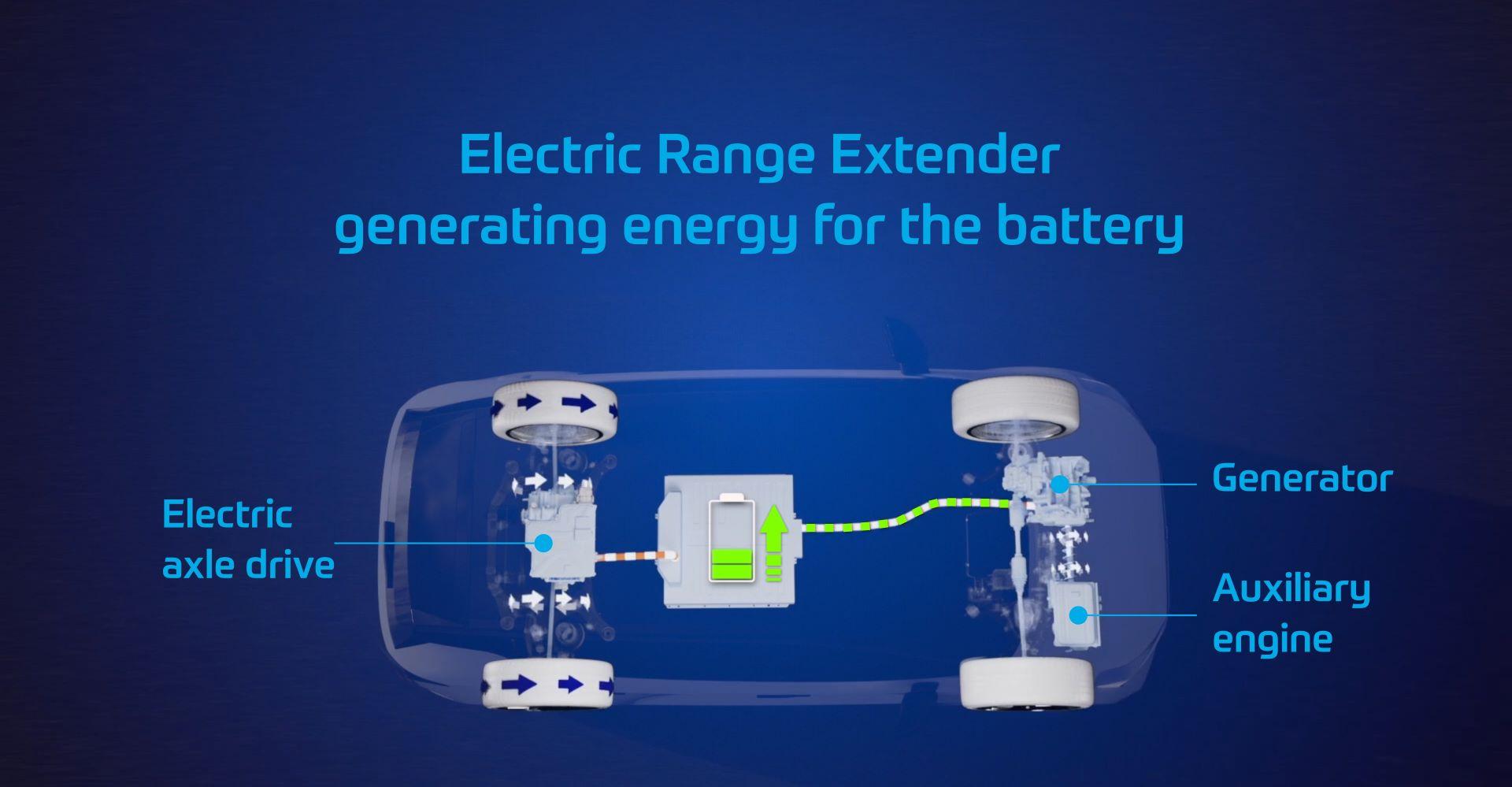
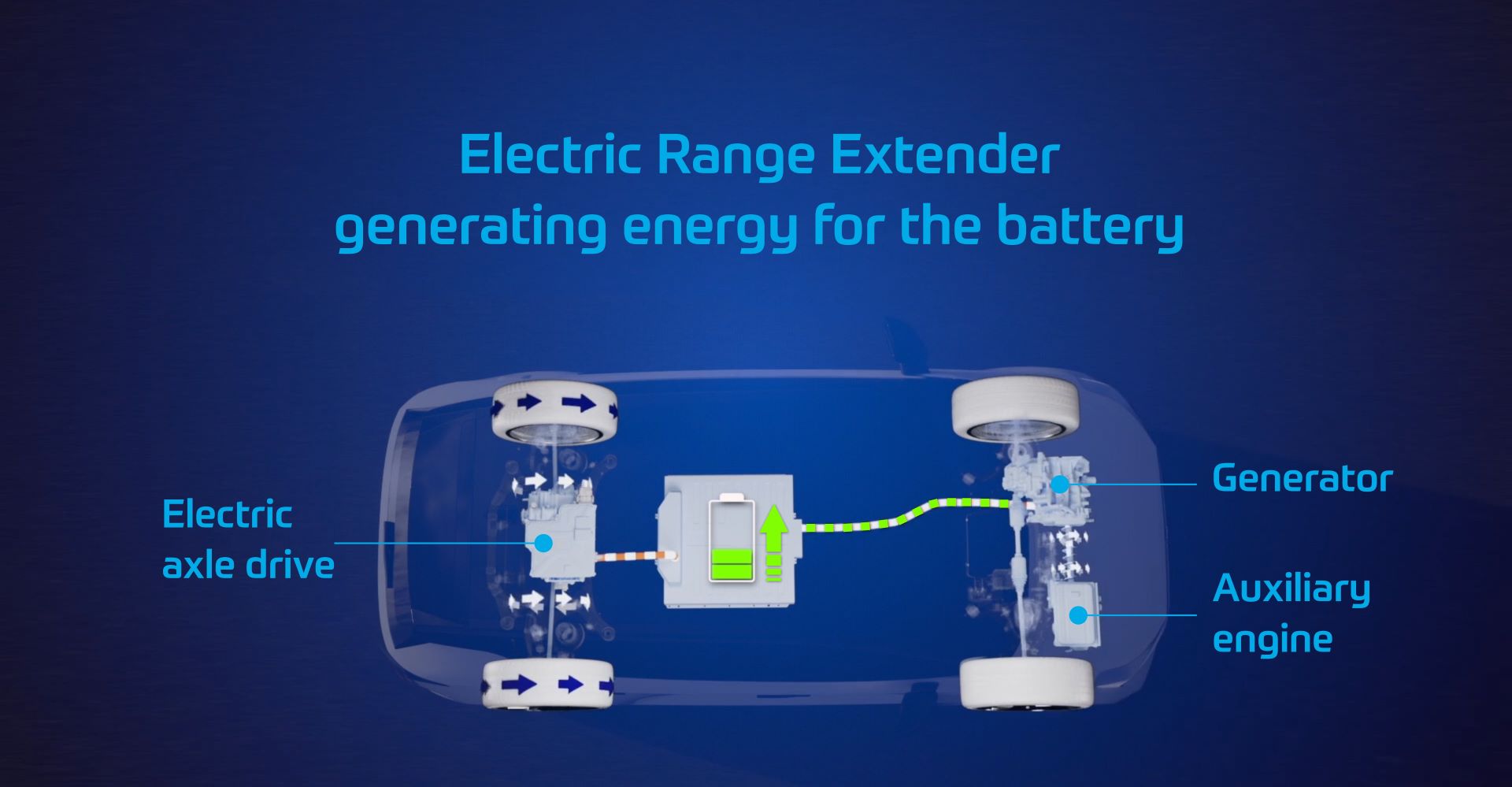
ZF’s range extenders offer a solution. These innovative systems incorporate a combustion-powered generator that is seamlessly integrated with an electric motor. When the vehicle’s battery reaches a certain low charge, the range extender kicks in to generate energy for the battery, thereby extending the vehicle’s electric range. This clever system increases the operational range of EVs without the need for larger, more expensive batteries or the added complexity of plug-in hybrid electric vehicles (PHEVs).
The Evolution of ZF’s Range Extender Technology
ZF’s electric range extender technology is not new to the market. The company already has a well-established track record, with its range extenders currently in production and deployed in vehicles like the iconic London taxi. However, ZF is now taking the next step with the development of two advanced versions: the electric Range Extender (eRE) and the electric Range Extender plus (eRE+).
These next-gen systems are designed with flexibility in mind, enabling automotive manufacturers to adapt to different performance needs and drive architectures. The eRE model integrates an electric motor with an inverter, software, and a planetary gearset, while the eRE+ adds an intelligent clutch and differential, offering even more versatility. The eRE system delivers power outputs ranging from 70 to 110 kW, while the eRE+ can go from 70 to 150 kW, enabling tailored solutions for a wide variety of electric vehicle platforms.
As Dr. Scharrer highlights, “The new interest and the increased demand for range extenders show that the potential of this technology is far from exhausted—especially for model platforms that are already designed for battery-electric drivelines.”
The Benefits for Manufacturers and Consumers
Beyond increasing the range of EVs, ZF’s range extenders present significant advantages for automotive manufacturers. One of the key selling points of this technology is its lower cost and shorter development cycle when compared to traditional PHEV solutions. Unlike parallel-hybrid drive systems, which require additional components and more complex integration, the range extender is highly integrated, simplifying the platform and reducing development time. This approach also leads to a simplified supply chain, making it easier for manufacturers to implement across different vehicle models.
ZF’s technology also holds appeal for automotive manufacturers that are new to the market and lack experience with traditional combustion engine drivetrains. China, in particular, is seeing a surge in the demand for Range Extended Electric Vehicles (REEVs). These vehicles, thanks to ZF’s range extender systems, can now cover distances of over 700 kilometers, making them highly attractive to buyers seeking both the flexibility of traditional vehicles and the environmental benefits of electromobility.
However, the appeal of range extenders extends beyond China. Dr. Scharrer notes, “The market for all-electric vehicles has not developed as much as predicted a few years ago. For this intermediate phase, range extenders can be the ideal solution.”
In regions like the USA and Europe, where the EV market has not reached the levels once forecasted, range extenders offer the perfect bridge between traditional internal combustion engines and fully electric solutions. They allow manufacturers to install smaller, more economical batteries while still offering the extended range that many consumers desire. Additionally, range extenders help manufacturers meet emission limit values for fleets, making them a practical and sustainable choice.
The Road Ahead: Greater Flexibility and Efficiency
Looking toward the future, ZF’s continued advancements in electric range extenders promise to redefine what is possible in electrified mobility. With flexible platforms that can be tailored to dynamic market requirements, manufacturers and customers alike can enjoy the benefits of EV technology without compromising on range, performance, or cost.
The modular nature of ZF’s range extender systems allows for the creation of a broad spectrum of solutions, from compact city cars to long-range, family-friendly vehicles. This flexibility, combined with lower emissions and reduced overall costs, ensures that the next generation of electrified mobility will be within reach for a greater number of consumers.
In summary, ZF is leading the way in the development of range extenders, offering a pragmatic solution to one of the biggest challenges in the electric vehicle market—range anxiety. With the launch of its new technology in 2026, ZF is not just pushing the boundaries of what electric mobility can achieve, but is also paving the way for a cleaner, more flexible automotive future.


