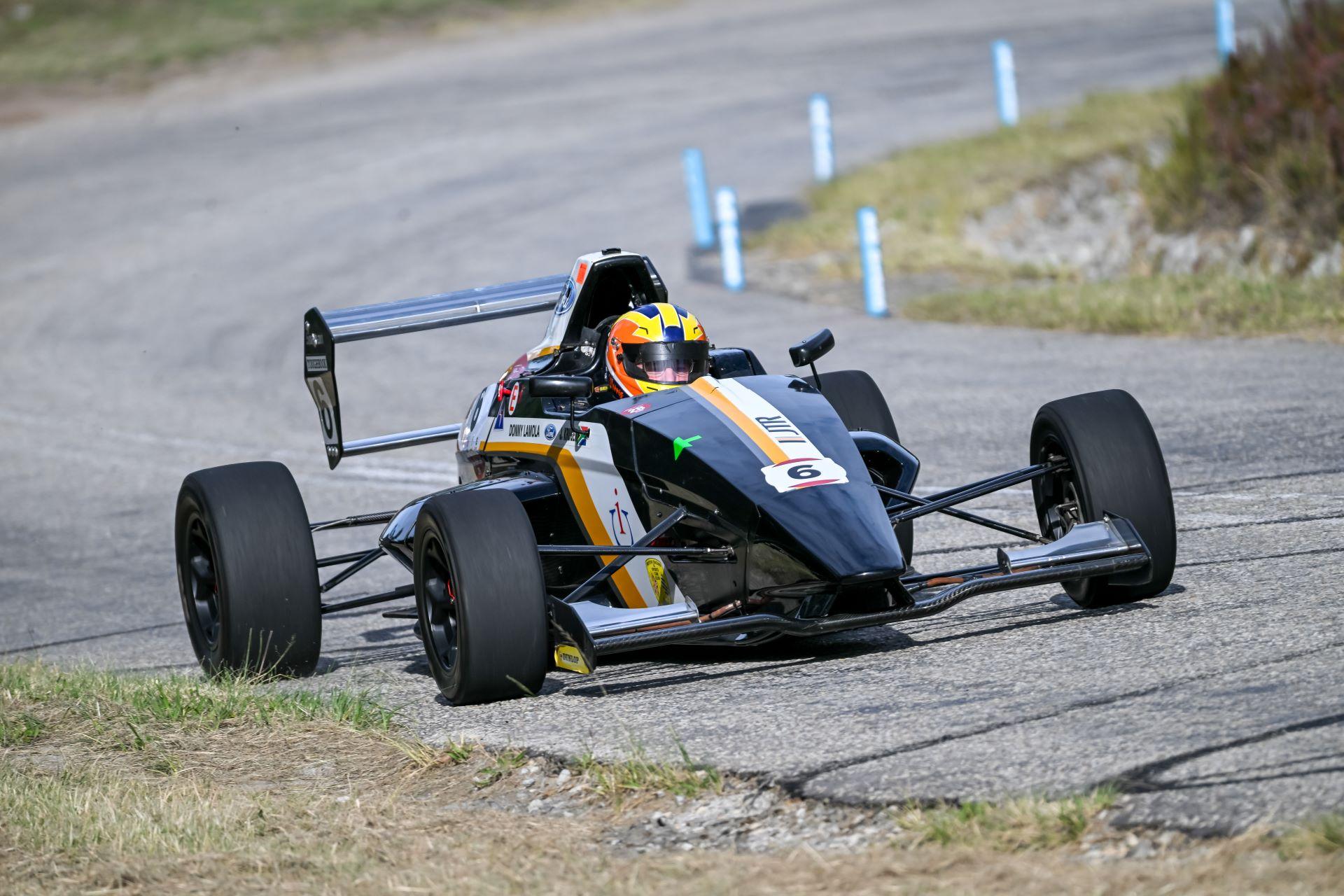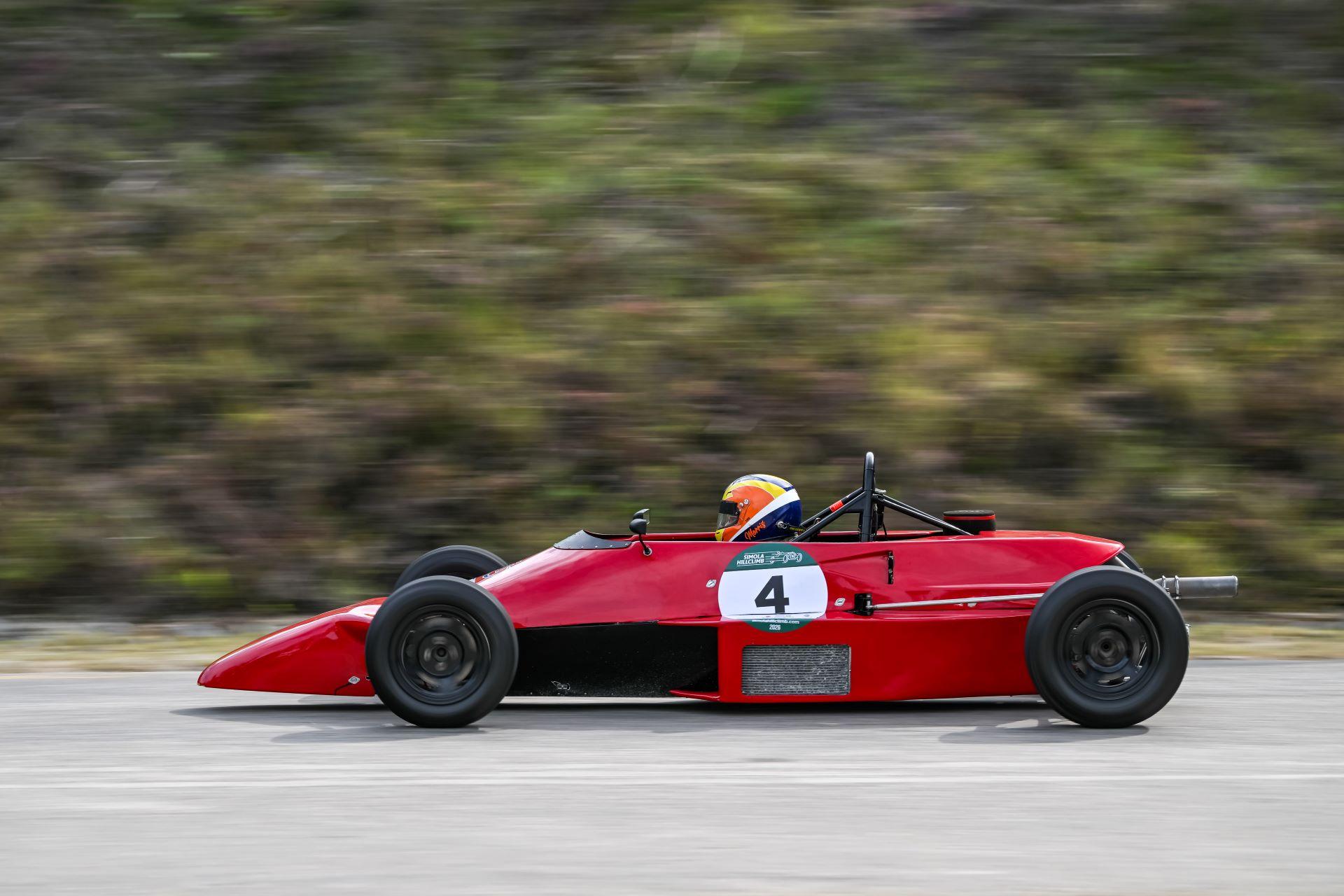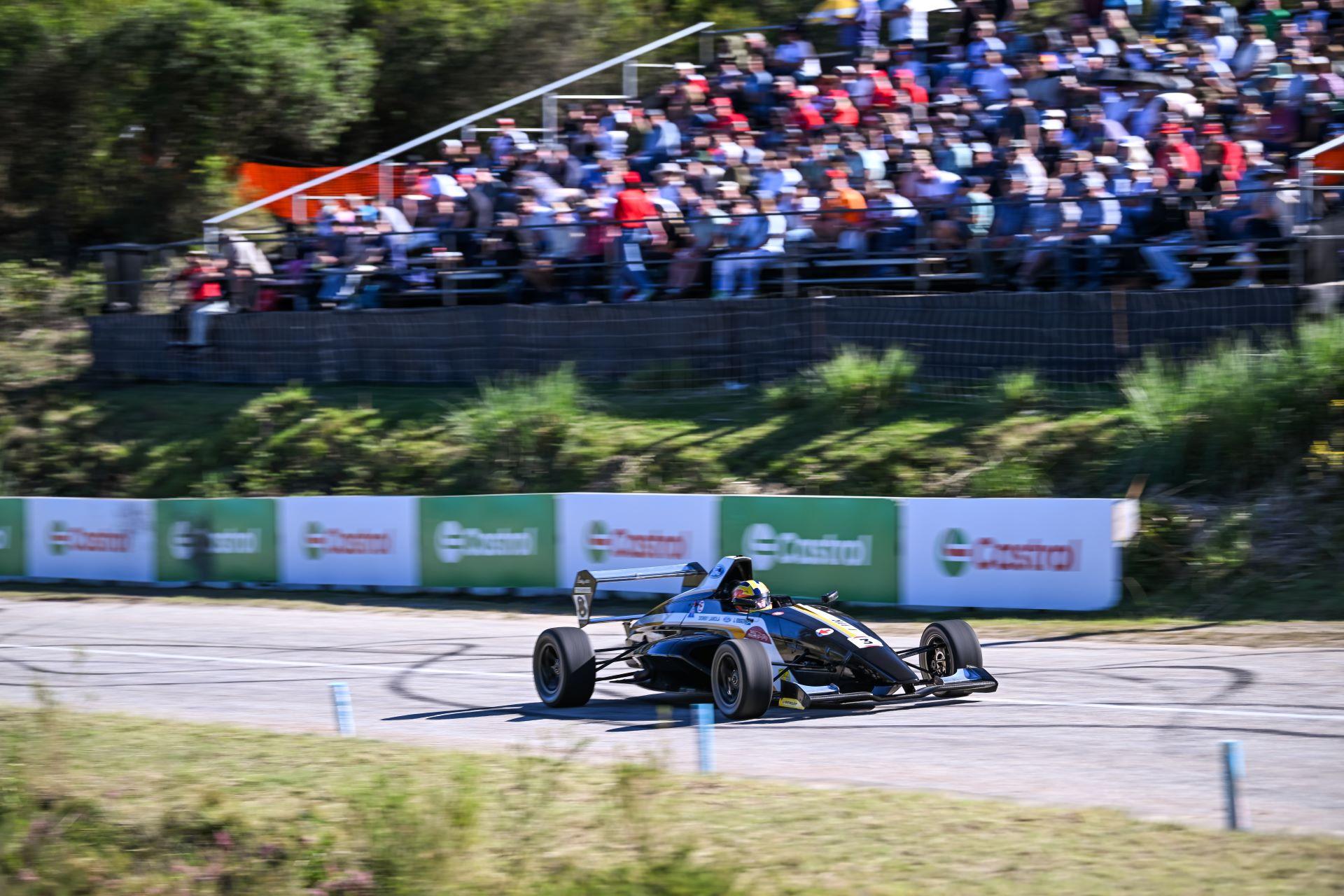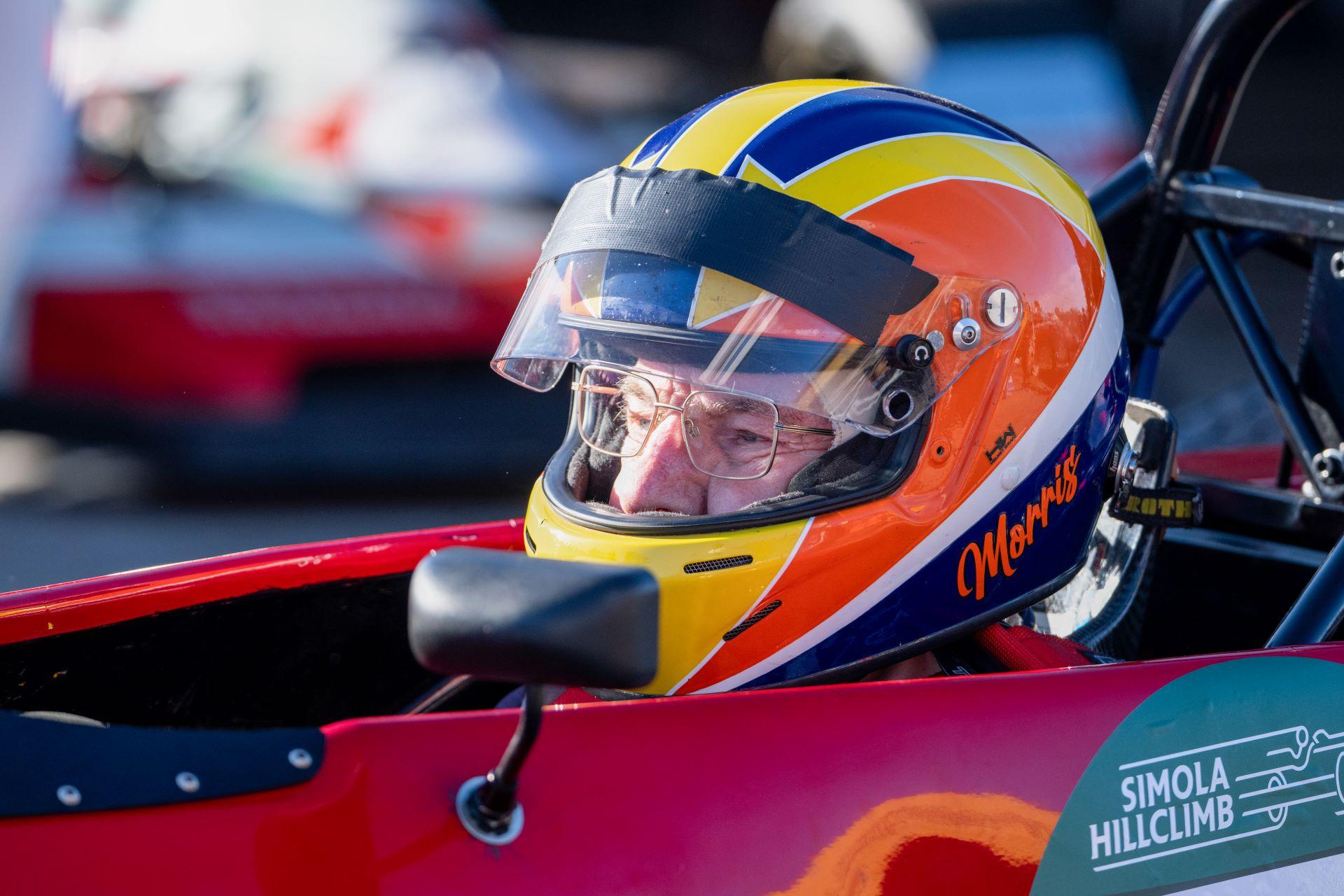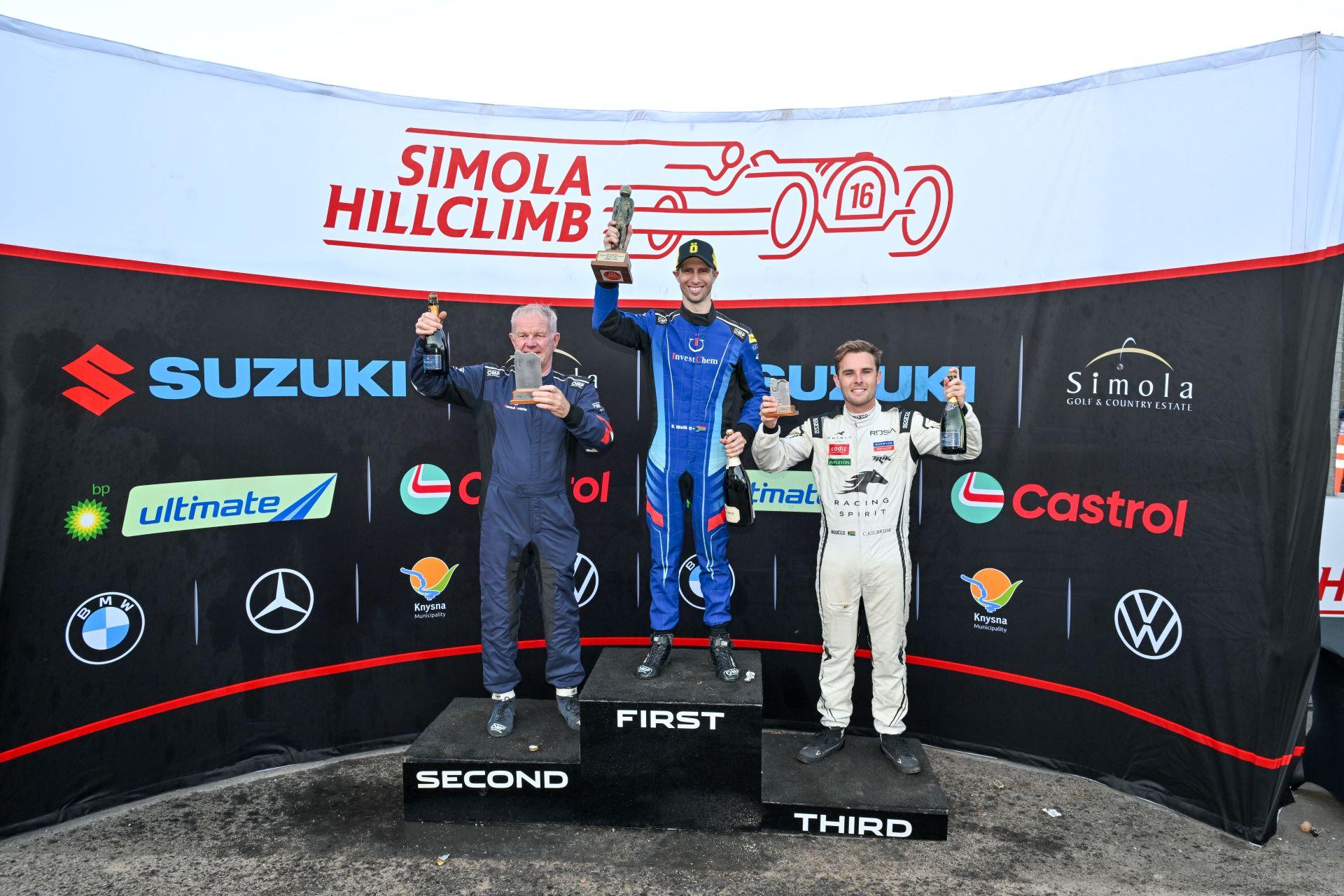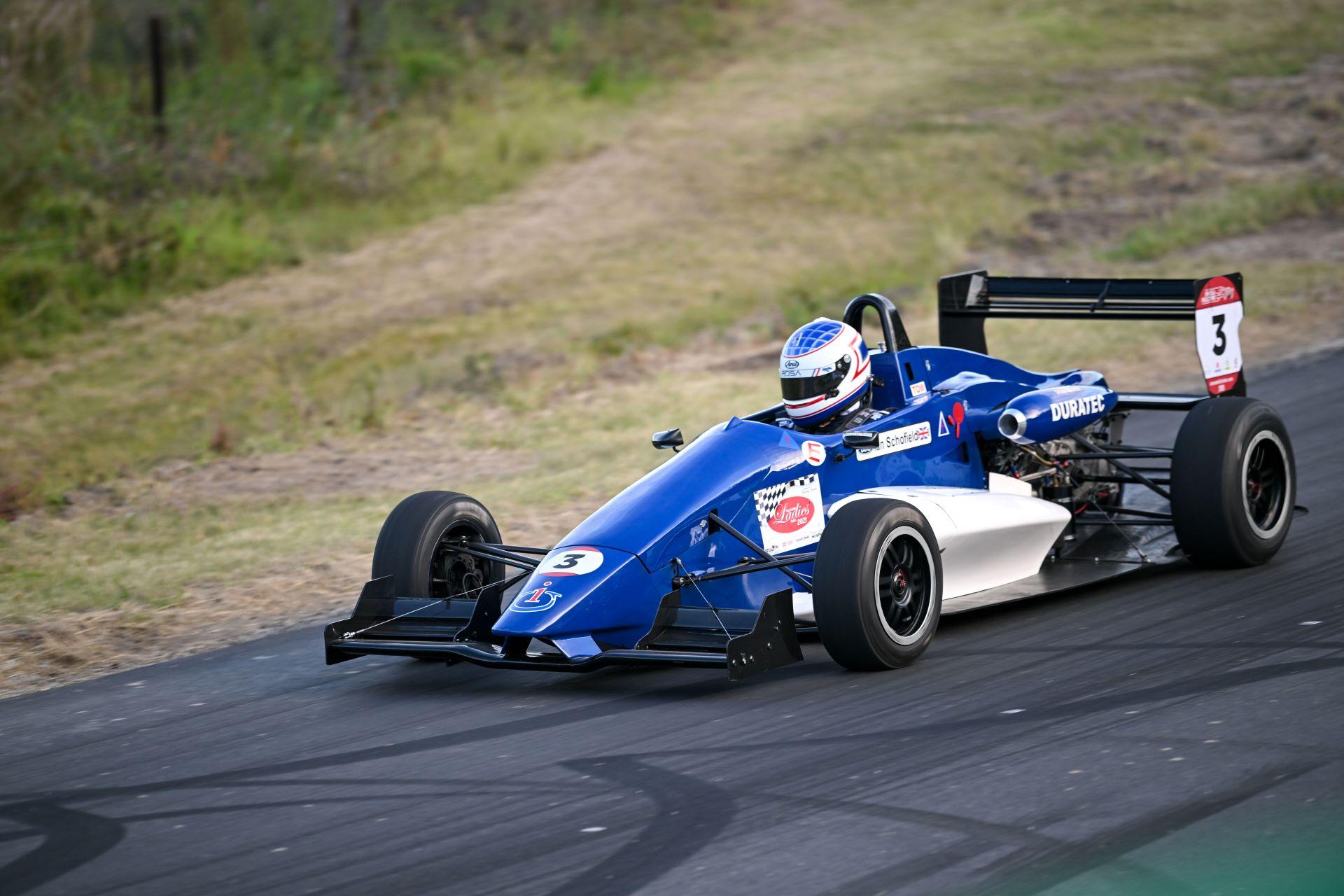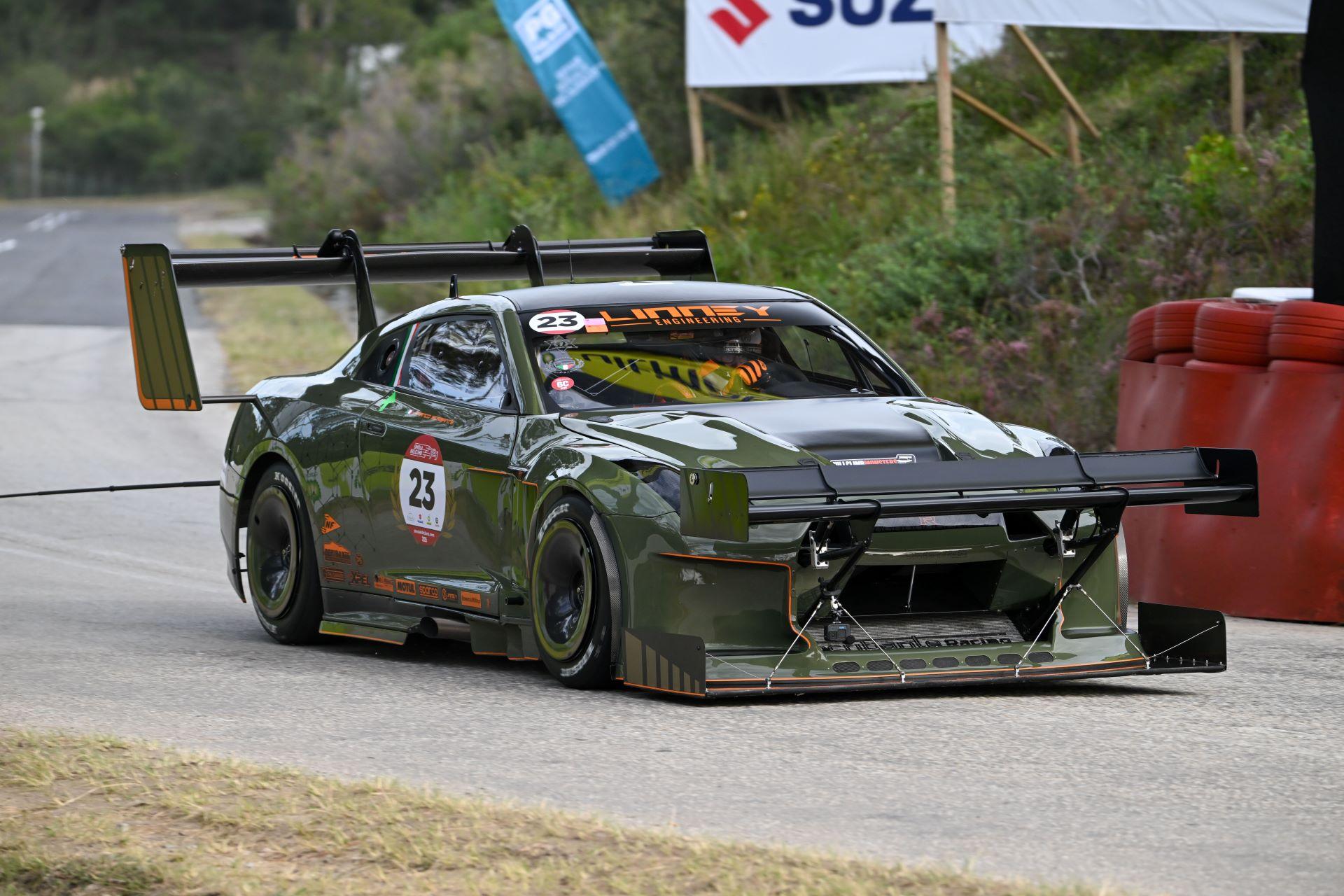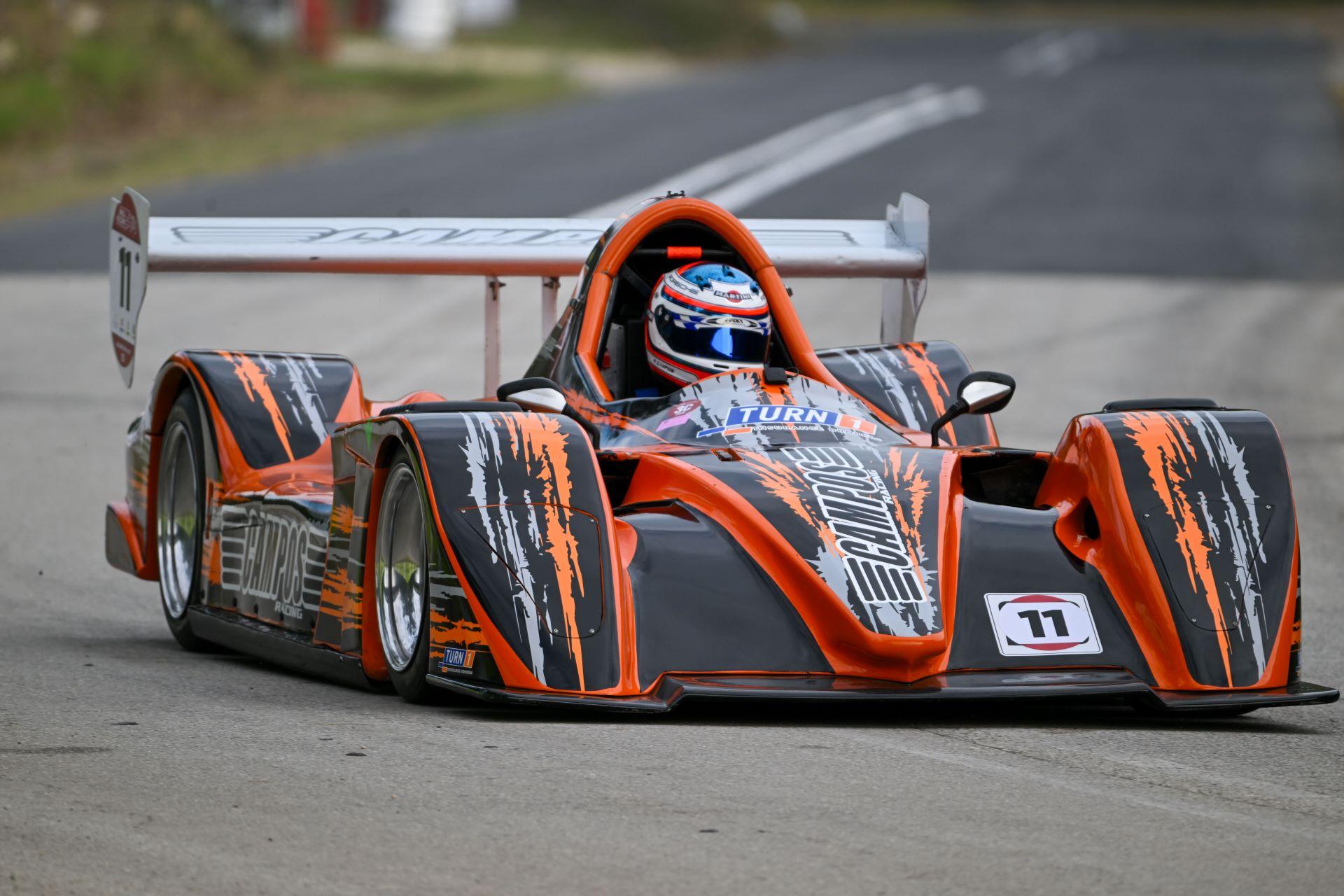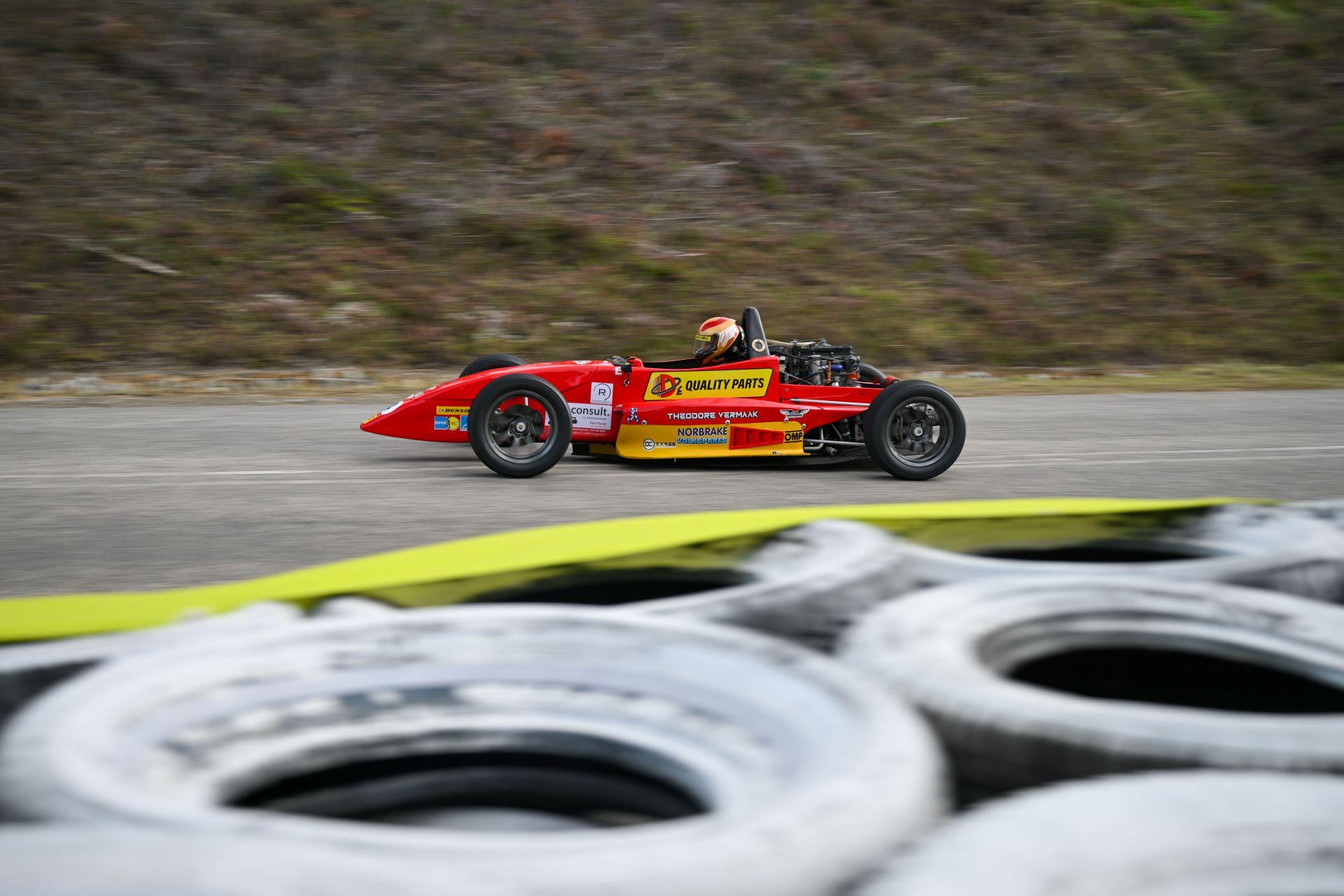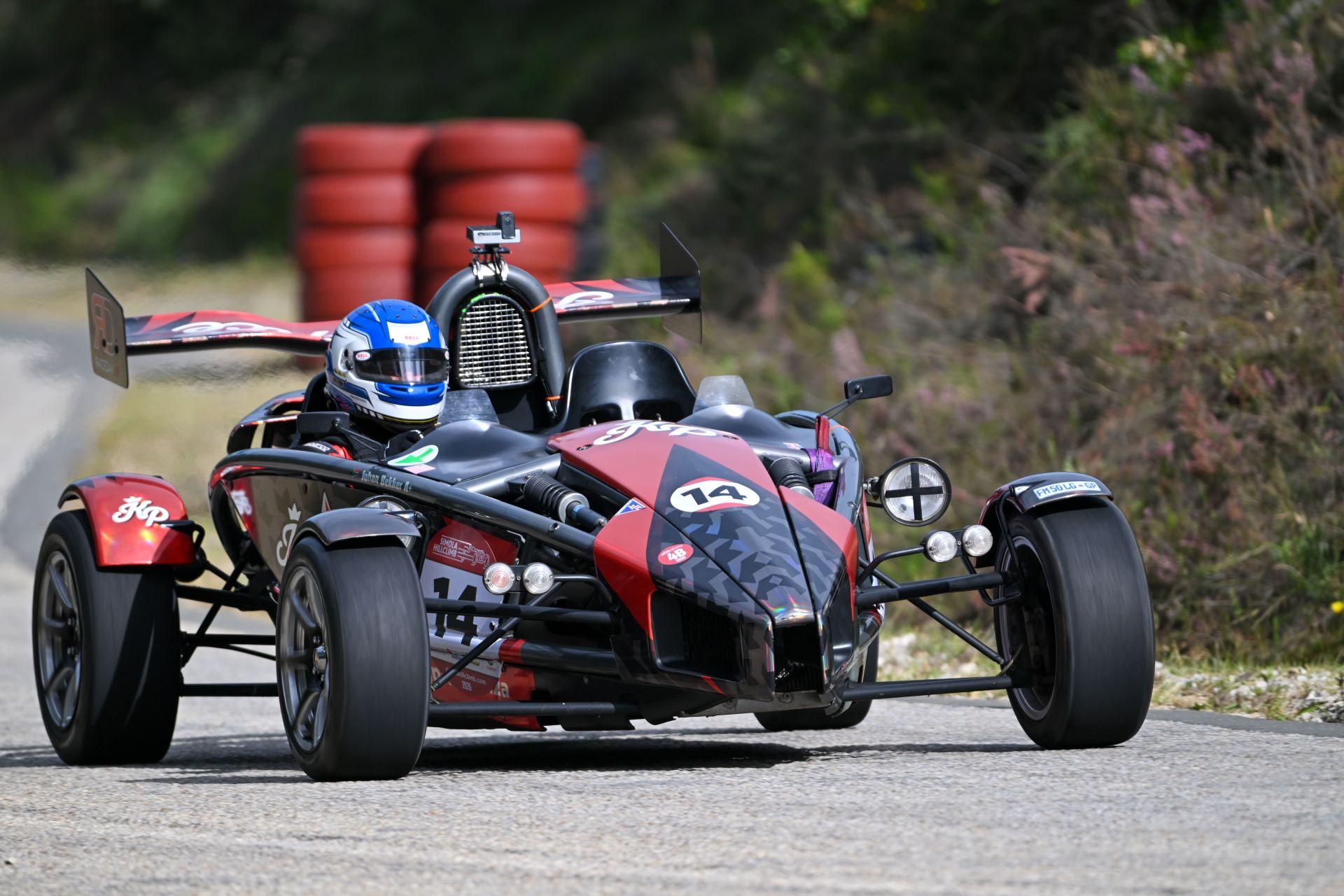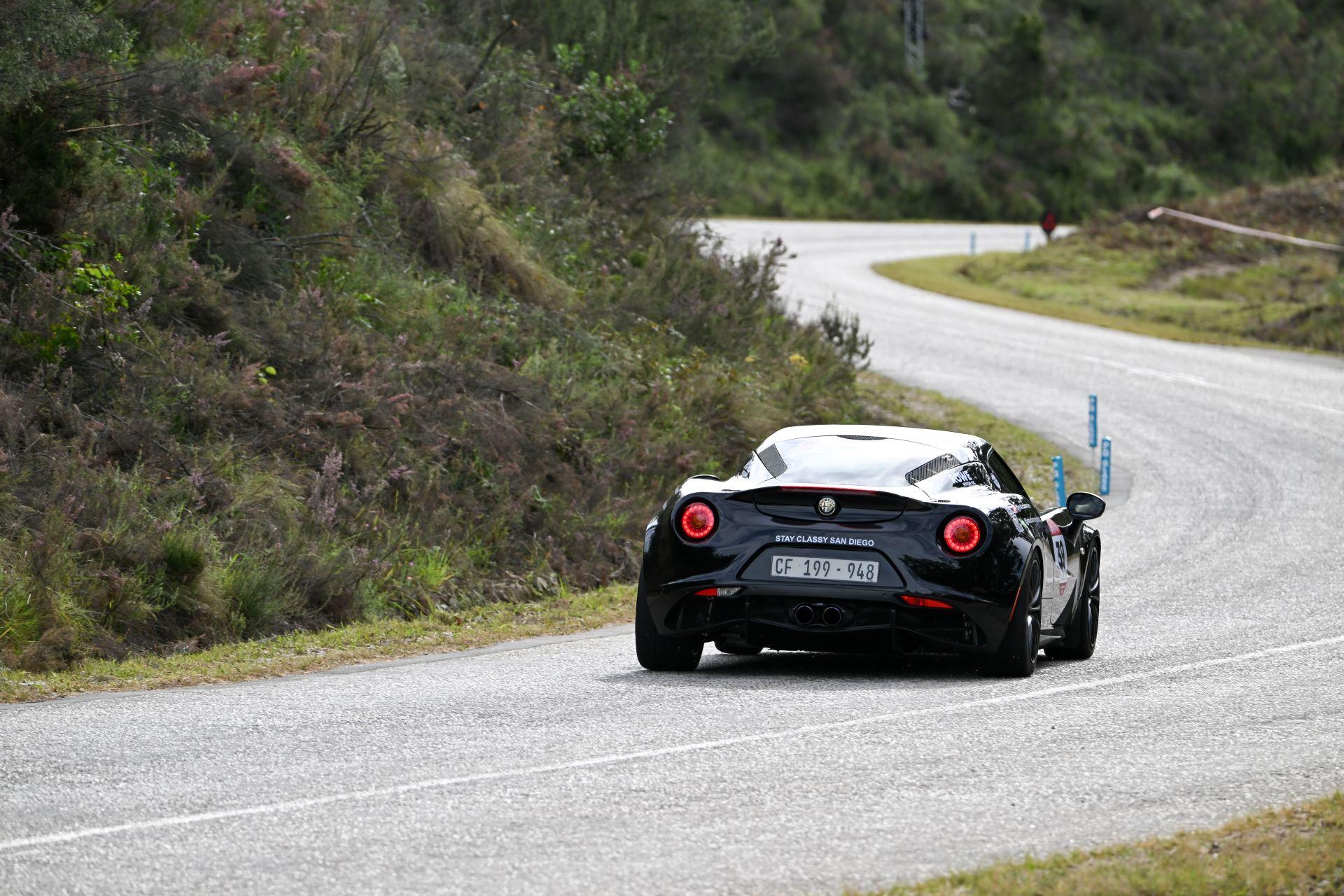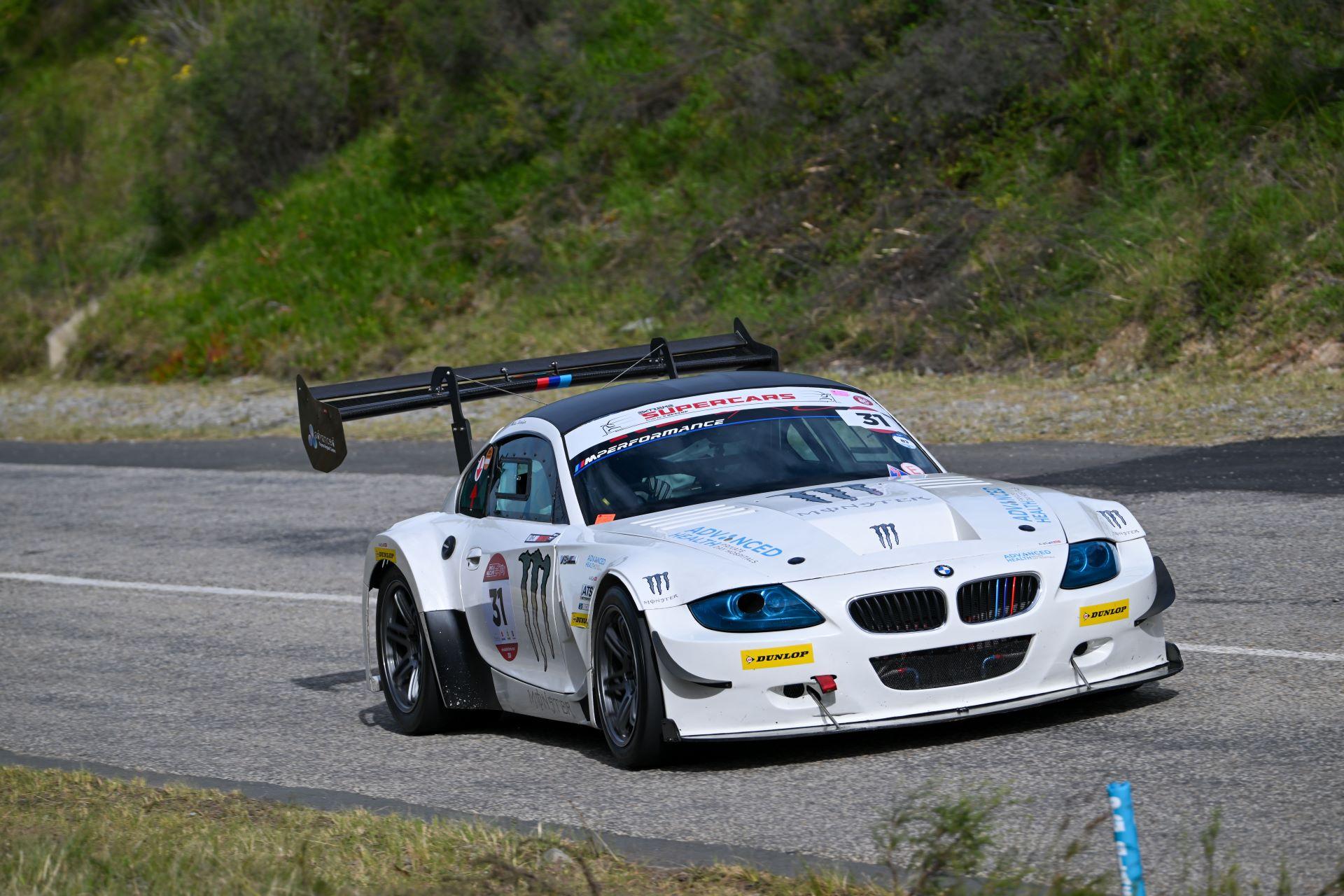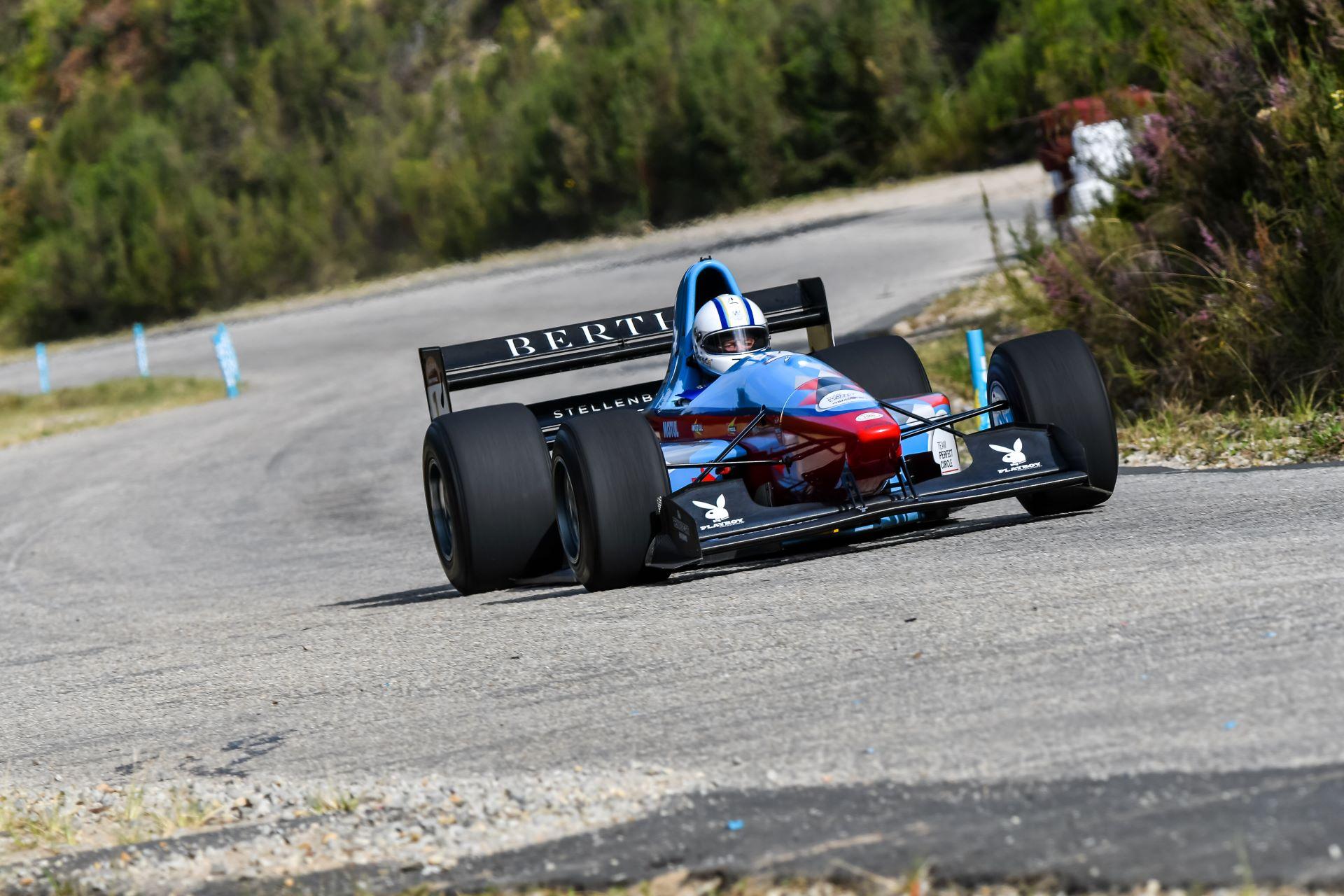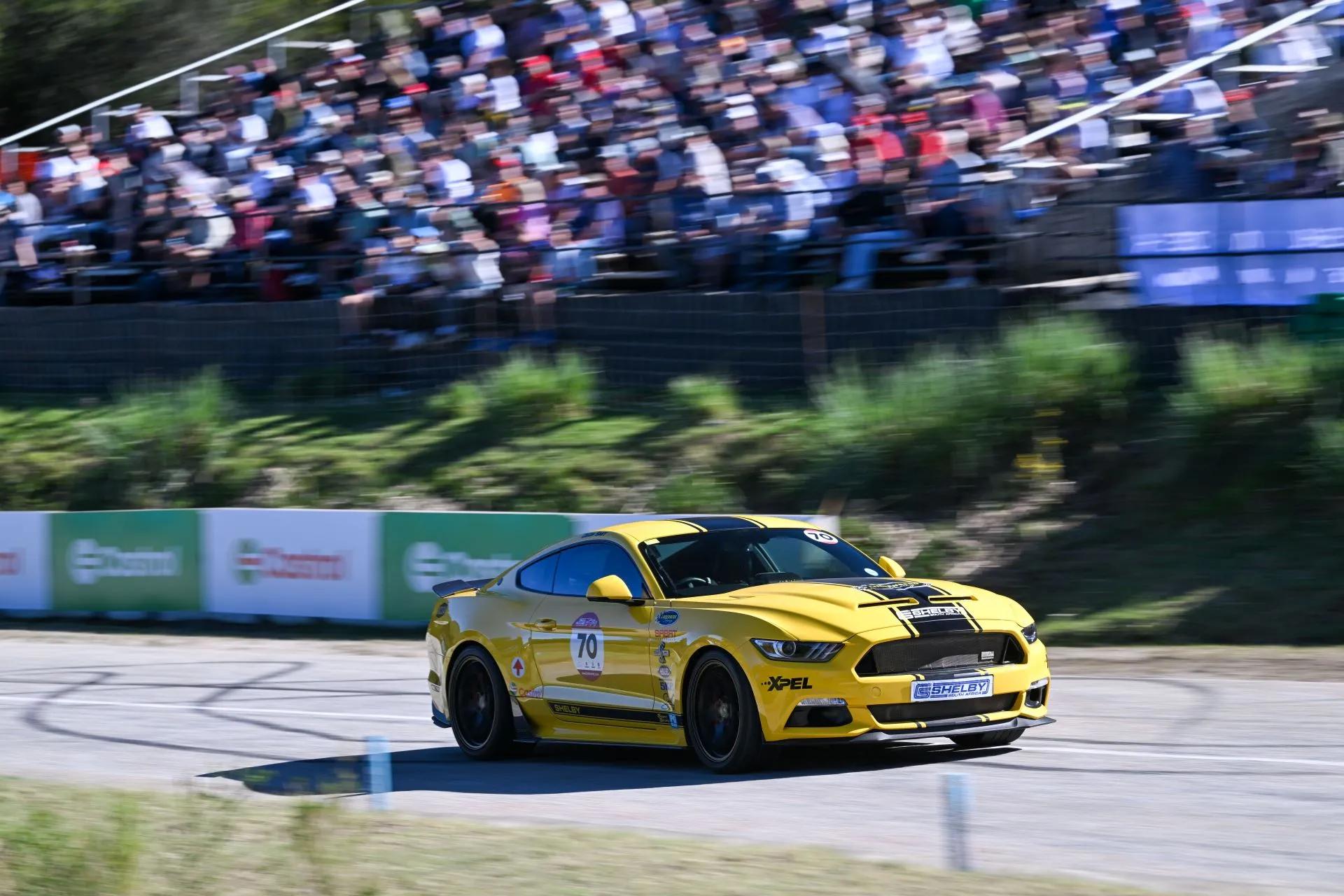





Knysna’s famed Simola Hillclimb is preparing to once again detonate into life as one of motorsport’s most extreme showcases, where engineering ambition meets raw nerve on a 1.9 km ribbon of asphalt that rewards bravery as much as horsepower. The 2026 edition, marking the 16th running of the event, arrives with the Modified Saloon Car category once again forming its explosive centrepiece, a class where machines exceeding 1 000 kW are no longer the exception but the baseline expectation.
At the heart of the narrative is Pieter Zeelie, the reigning King of the Hill in Modified Saloon Cars, returning with his rear-wheel drive Toyota MR2 Super GT. His second title win last year was not just a defence, but a statement of dominance carved into timing sheets with surgical precision. His record run of 37.090 seconds, achieved at an average speed of 184.416 km/h from a standing start, reset the benchmark and sent a clear message through the paddock: balance, agility and execution can still outmanoeuvre brute-force traction.
That performance also placed him ahead of the formidable four-wheel drive Nissan GT-R machinery that has long defined the upper limits of Simola’s straight-line violence. In particular, it eclipsed Franco Scribante’s previous record and underlined how development on the MR2, rather than sheer escalation in power, has become Zeelie’s most potent weapon. The car’s evolution has been shaped by international expertise, including aerodynamic refinement from Andrew Brilliant of AMB Aero in Japan, whose portfolio spans Formula 1, NASCAR and elite hillclimb and time attack programmes.
Zeelie’s philosophy remains rooted in clarity of purpose. The rear-wheel drive platform gives up the initial punch of 4WD launches, but compensates through reduced mass, sharper direction changes and superior efficiency through the technical middle and final sectors of the Simola course. It is in the tightening rhythm of the Esses and the final sprint to the line where the MR2 becomes less a machine and more a scalpel, slicing time where heavier rivals struggle to rotate and recover.
The contest behind him, however, is anything but static. Reghard Roets returns with renewed intent in his BB Motorsport Nissan GT-R, the machine known as “Armageddon”, a car capable of unleashing in excess of 1 200 kW when conditions allow. His 38.370-second run last year secured second place overall, but also exposed the recurring tension that defines the GT-R contingent at Simola: managing colossal power on a surface that punishes even the slightest disruption in traction. Gearbox and drivetrain fragility have repeatedly shadowed outright pace, turning mechanical endurance into as much of a deciding factor as driver commitment.
Franco Scribante, meanwhile, remains a constant presence in the upper echelon with his time attack–inspired R35 GT-R, “The Sheriff”. Despite finishing fourth last year, his performance of 39.631 seconds highlighted the ongoing search for suspension and chassis optimisation within a platform still evolving at the edge of its potential. The margins remain tight, and improvement is incremental rather than revolutionary, yet the intent is unchanged: to close the gap and challenge for supremacy in a class where thousandths can decide legacy.
Adding further intrigue to the 2026 narrative is Volkswagen Motorsport’s bold entry into the Modified Saloon Car battlefield. Their all-new Golf R-based contender, built locally in Kariega and powered by Audi’s turbocharged 2.5-litre five-cylinder engine, will make its competitive debut with SupaCup champion Jonathan Mogotsi at the wheel. It represents not just a new challenger, but a new philosophy entering the arena, combining OEM-backed engineering depth with a platform designed specifically to disrupt established hierarchies.
The Scuderia Scribante team continues its technical reinvention as well, with Aldo Scribante debuting a lightweight Audi TT replacing the long-running S4 V6 project, while Silvio Scribante returns in his Audi RS3 time attack machine. Across the paddock, the theme is clear: refinement through reinvention, as teams chase diminishing returns in the pursuit of outright pace.
Elsewhere in the field, Zeelie’s challenge extends beyond the overall title into class competition, where he will face strong opposition in B4 machinery such as the Noble M400 and a carbon-bodied BMW M4 DTM. In B3, Subaru Impreza WRX stalwart Anton Cronje returns in a significantly lightened package that may represent his final Simola appearance, while Honda-powered and Escort Mk2 entries ensure the four-cylinder 4WD and RWD battles remain fiercely contested.
The naturally aspirated V8 class adds its own theatre, including a father-and-son rivalry between Giacomo and Ricardo Giannoccaro in GT4 and GT3 machinery, alongside the thunderous LS7-powered BMW Z4M of Mike Verrier. At the other end of the spectrum, the SUV and bakkie category brings a different kind of spectacle, with Red-Lined Motorsport fielding multiple T1+ and VK50 rally-raid machines as they sharpen their form ahead of the national championship season opener.
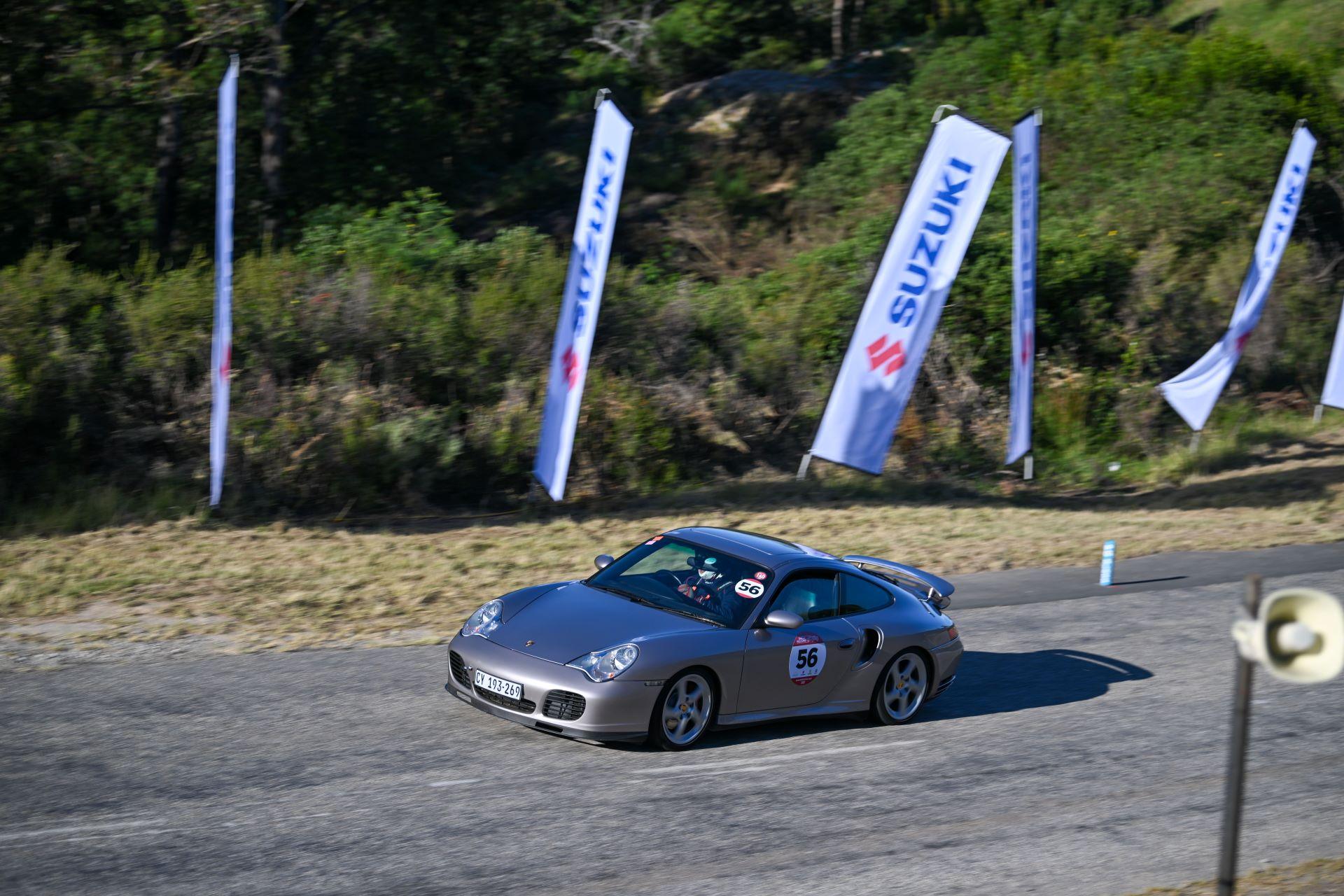
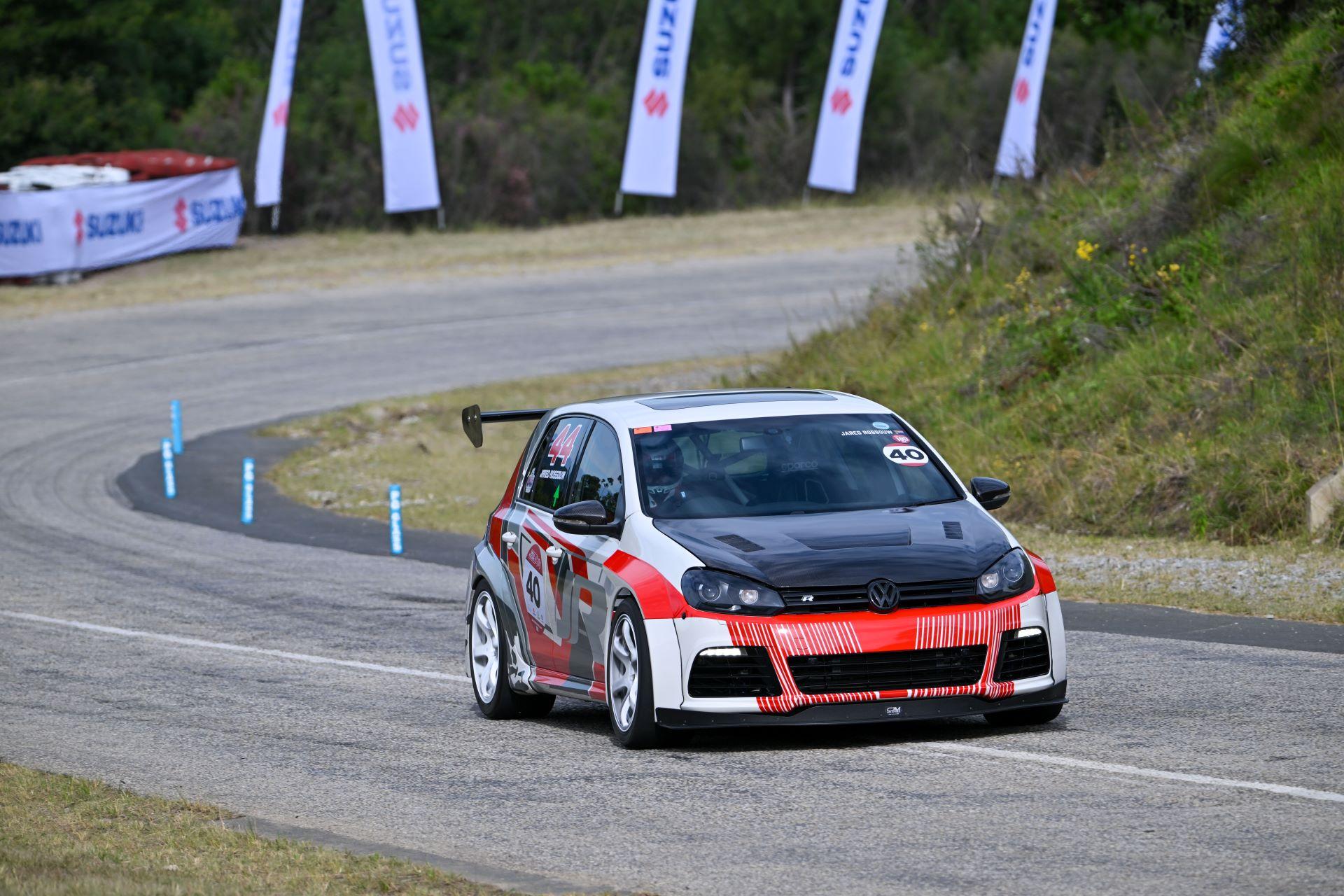
Even road-legal performance cars are set to play a role in the drama, with modified GT-Rs, Alfa Romeo Giulia Quadrifoglio and 4C models, and tuned Volkswagen Golf variants all converging in a class that bridges the gap between everyday performance and full competition engineering.
As Simola’s famous hill prepares to once again separate precision from bravery, the 2026 edition promises not just a defence of records, but a recalibration of expectations. Zeelie enters as the benchmark, but the field around him is richer, louder and more technologically ambitious than ever. With new manufacturers, evolving GT-R platforms and relentless development across all classes, the margin for dominance has never been narrower, nor the consequences of imperfection more immediate.
The hill will decide, as it always does, in seconds that feel like a lifetime.