




While electric vehicles (EVs) have been globally touted as the future of road travel – the replacement to the internal combustion engine (ICE) vehicles that we have been driving for over 100 years – the very mention of the subject raises polarising opinions, especially in the South African market. Common responses are either for or against them, and many motorists are still of the opinion that mass local adoption is not viable and will not happen.
Many naysayers cite our country’s electricity issues as a primary challenge, and then follow with arguments regarding the availability of public chargers, range anxiety, charging trauma and the relatively high cost of EVs in general. Allow me to address these and express some opinions of my own.
For the sales of EVs to become commercially viable in South Africa we need a few reforms at government level, and this is, in part, hinging on the advancement of South Africa’s new energy vehicle policy. There are two main factors that need to be addressed: stimulating local manufacture of electric vehicles and stimulating demand for them by reducing import costs.
Currently, EVs sourced from Europe are subject to import duties of 25 percent, while ICE vehicles only attain 18 percent tax. A reduction in EV tax to make prices comparable to ICE vehicles will go a long way in stimulating demand. Global case studies support this view.
For instance, the mainstream adoption of EVs in Europe, or Norway in particular, has largely been driven by a reduction in taxation. In 2022, Norway reached a new record with EVs totalling over 80 percent of all new cars sold. It can be noted that the country committed to having all new cars sold be zero emission by 2025. But the quick turnaround, from 2.9 percent of all cars sold a decade ago, was driven by government incentives such as lower fares for public parking and road tolls, and appetising tax exemptions.
The effect of taxation is also evident in Norwegian new car sales figures for January 2023, which were down 77 percent year-on-year. This was likely due to the introduction of VAT for new electric cars priced above 500,000 NOK (R887,000) and a new weight tax for all passenger cars. Electric car sales took the biggest knock, yet they still accounted for 76.3 percent of the total market.
The effect of reduced taxation on EV adoption in Mauritius is another example. The official JLR importer in Mauritius has shifted its entire business to offer mainly mild-hybrid, plug-in hybrid or electric vehicles, driven by a change in legislation and the needs of this market.
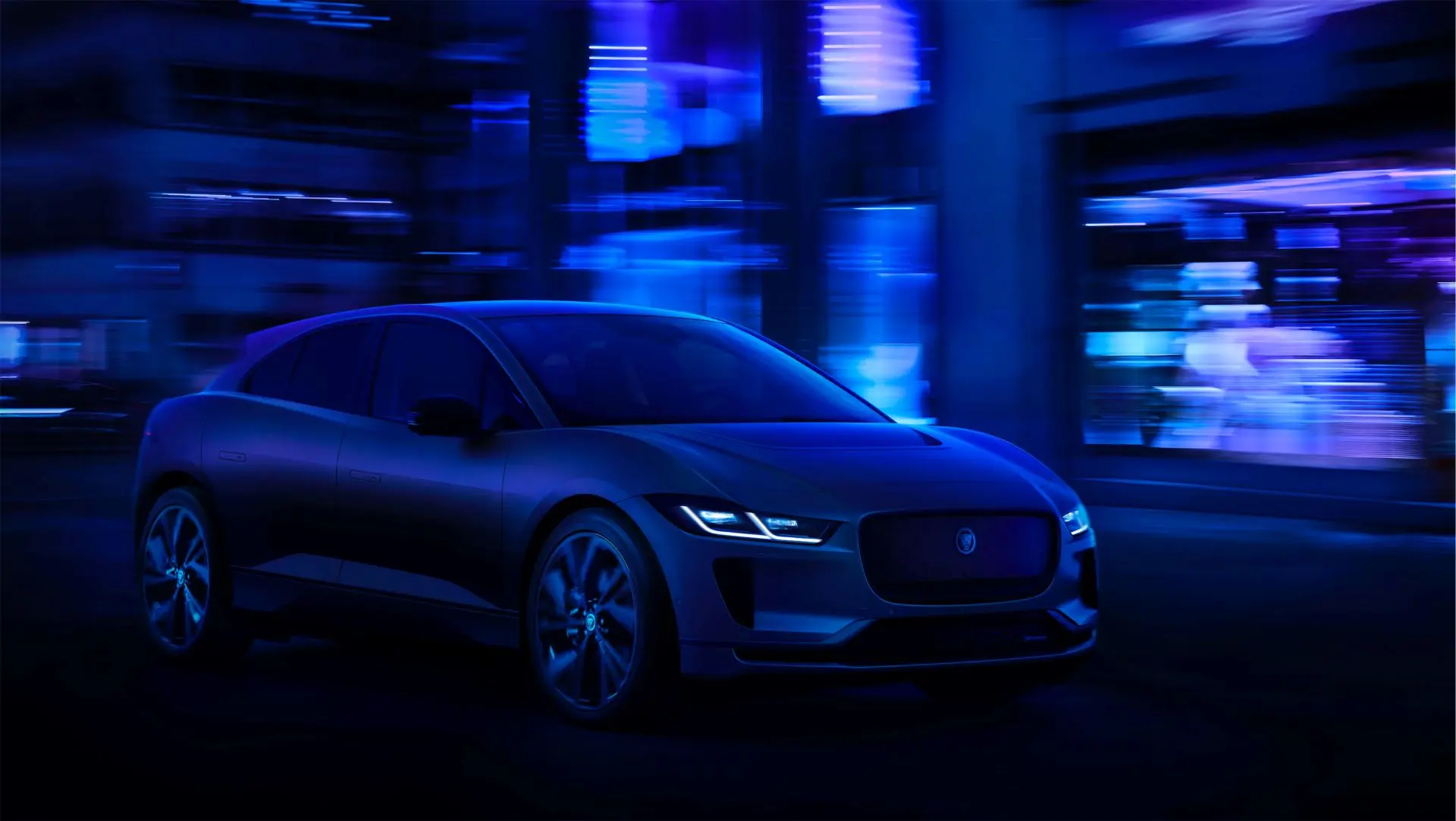
The Mauritian government offered a huge incentive to opt for an electric, plug-in hybrid or mild hybrid vehicle by removing import duties on these vehicles, while ICE vehicles are still taxed anywhere from 15 to 100 percent. The effect of the zero-rated import duties for JLR Mauritius is that EVs now account for a massive 64 percent of vehicles sales, up from 12 percent five years ago. Mauritius also accounts for half of the total Jaguar and Land Rover EV sales in sub-Sahara Africa and is therefore the best performing market in the region.
The significant change in demand based on duty adjustments in Norway and Mauritius can obviously be applied to South Africa. Since the local market, via the National Association of Automobile Manufacturers of South Africa (naamsa), is only calling for a 7 percent reduction in taxation, it might not be on the same scale as overseas, but it will certainly have a positive impact. Manufacturers could not only reduce current retail EV prices, but also be more compelled to bring new EVs to the local market.
As soon as there is appetite for it, global manufacturers can import immediately, as electric vehicles are much easier to calibrate to market-specific specifications than ICE vehicles. A more entry-level product with a cost closer to the average retail price of cars in South Africa will disrupt the market and significantly increase awareness and appetite for all EVs – from basic hatchbacks to ultra-premium luxury vehicles.
South Africa is ripe for EV adoption. From only a couple of EVs available five years ago, we now have access to 18 EV nameplates, with many derivatives within these nameplates. South Africa has seen a hefty 755 percent increase in EV sales over the past five years, though this figure still pales in comparison to total new vehicle sales.
As for infrastructure, there are now over 300 public chargers in South Africa, thanks to investment from JLR, BMW, Audi and a number of private network developers such as GridCars and Rubicon. There is still a misconception, however, that public charging is a requirement for electric mobility when the reality is charging at home is cheaper and far more convenient.
It’s difficult to argue that South Africa’s electricity crisis does not pose an inconvenience. But think about it this way: Have you not washed your clothes for more than a decade because we’ve had loadshedding and your washing machine runs on electricity? Just as we run electricity heavy appliances and charge our devices when the power is on, we can schedule our EV top-ups when the lights are on. It’s as simple as that.
Then there is the question of renewable energy. The South African government is now looking at renewable energy sources and more and more private households are considering solar installations to supplement inconsistent Eskom supplies. With a typical solar setup used to power your home and potentially recharge your EV, the payback period on a solar installation can be recouped up to a third quicker when the costs of diesel and petrol are factored into the household budget equations.
Ultimately, it’s just a matter of time before EVs are our main mode of road transport. Mass EV adoption in South Africa is not optional, and as I’ve said before, by the end of the decade many, if not all, of the barriers to EV entry will have toppled. I still predict that by 2030 the South African new car parc will be largely electrified.
- Janico Dannhauser is the Product and Pricing Manager for JLR South Africa, and he serves on the naamsa EV sub-committee.


