



When we think of keeping our cars in peak condition, we often focus on the obvious: regular oil changes, tyre checks, and scheduled services. But tucked away beneath the bonnet and behind the dash are four vital components quietly working overtime to protect your vehicle’s most critical systems — the filters.
Much like the lungs, kidneys, and liver safeguard your own body, your car’s filters are the frontline defenders of its internal health. “Think of your car as a highly tuned athlete, and filters as the kidneys, lungs and liver all rolled into one,” says Dylan Petzer, National Vice Chairman of the Tyre, Equipment and Parts Association (TEPA), a proud association of the Retail Motor Industry Organisation (RMI). “Each filter plays a vital role in keeping the vehicle running smoothly.”
Filters: Small Components, Big Impact
It’s tempting to leave the technicalities to your mechanic — and, often, you should. But Petzer believes a bit of filter know-how empowers car owners to spot issues early and make smarter maintenance choices.
“Knowledge is power,” he says. “If you understand what filters do, you’ll be able to ask the right questions and avoid unnecessary repairs. For example, if your car is sluggish, it could be the air filter. If it’s stalling, maybe the fuel filter.”
More importantly, he notes, regular filter maintenance can prevent costly breakdowns and extend the life of your engine. “Healthy filters are like exercise and a balanced diet for your car. They keep everything clean and functioning at their best.”
The Four Filters Every Driver Should Know
Air Filter: Your Engine’s Lungs
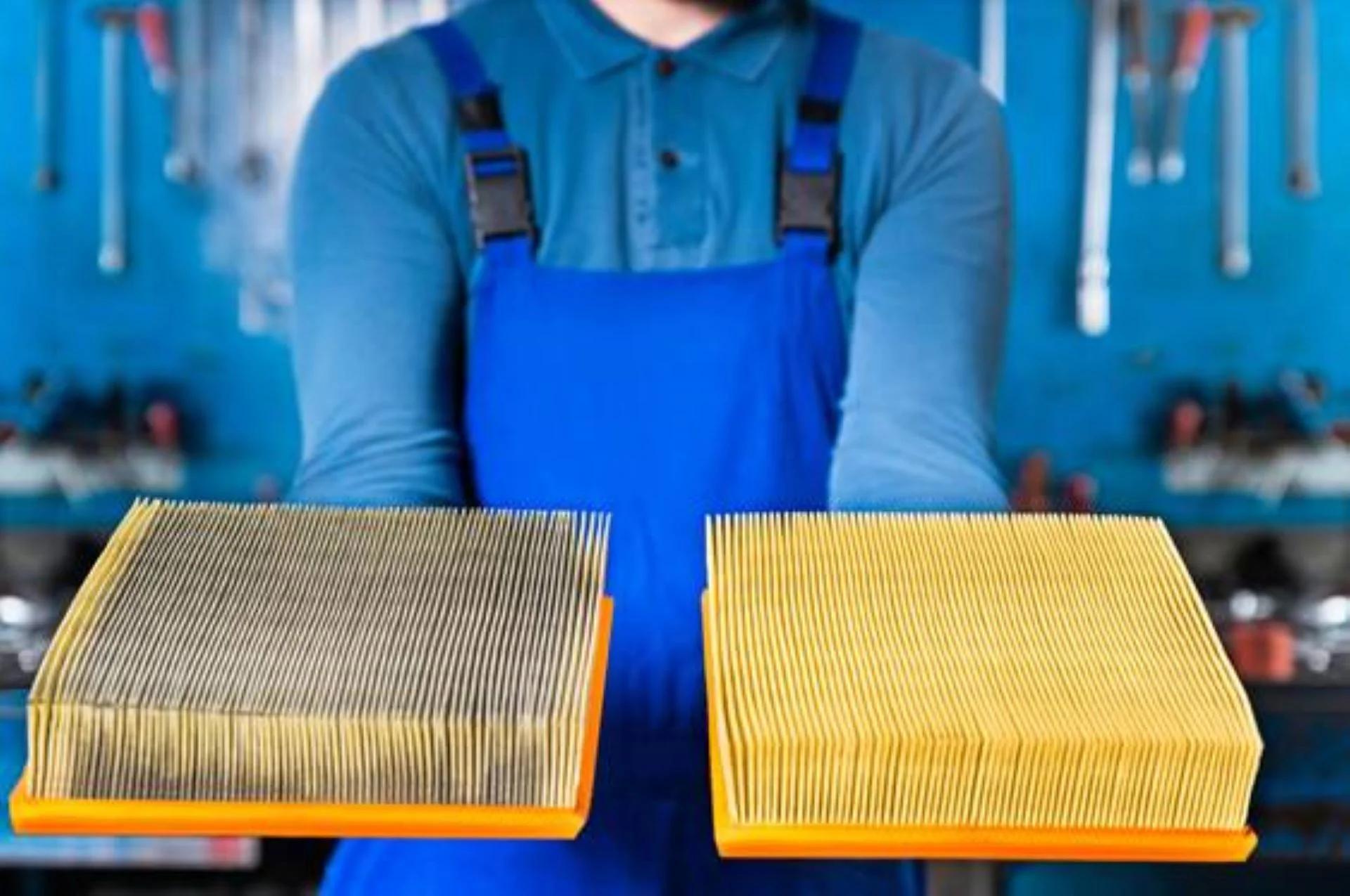
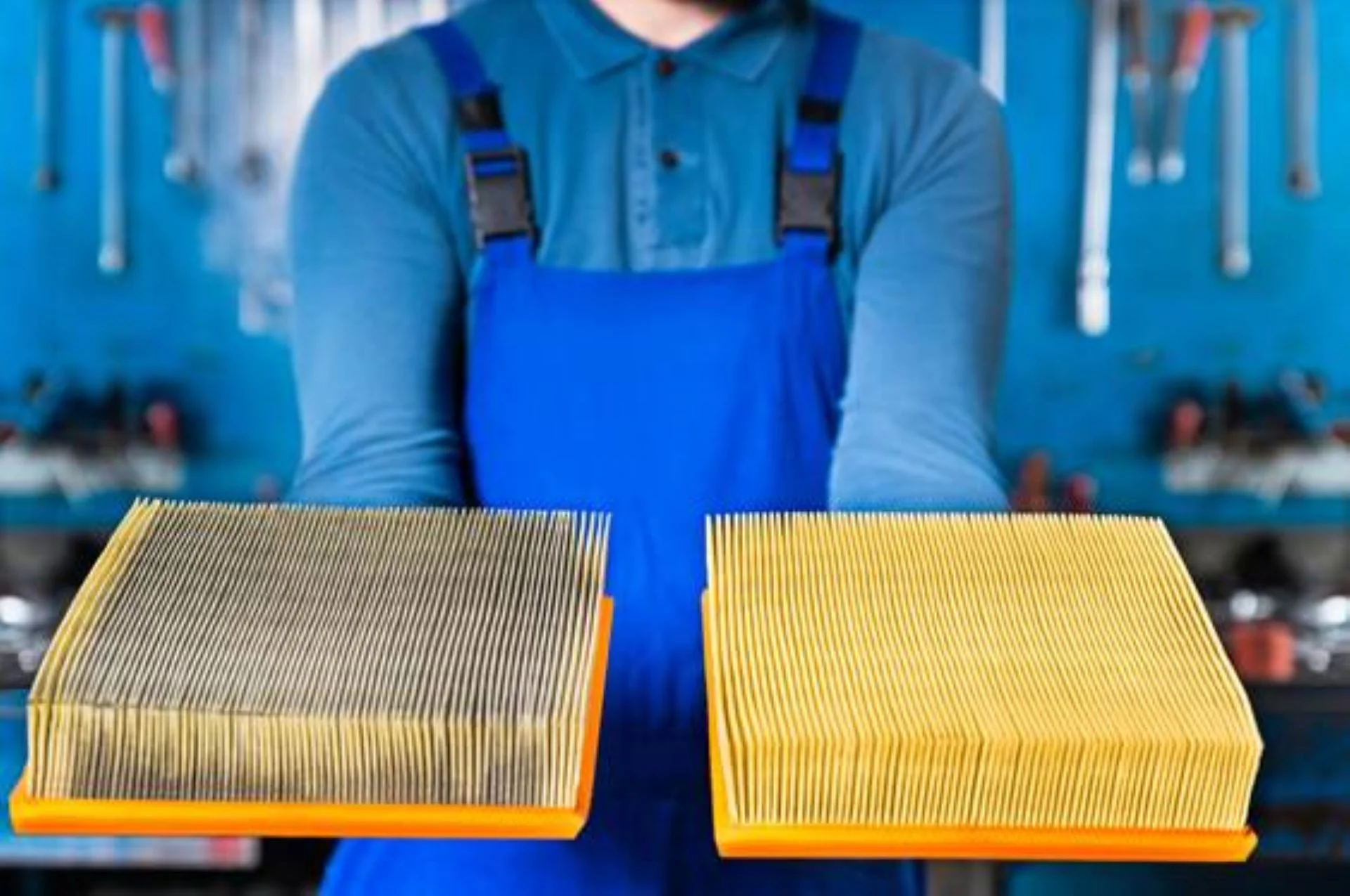
Your car inhales air through the air filter, which traps dust, pollen and other airborne particles before they reach the combustion chamber. A clogged air filter restricts airflow — leading to sluggish performance, lower fuel efficiency, and increased emissions.
“It’s like trying to run a marathon while breathing through a dusty sock,” Petzer explains.
Fuel Filter: The Gastric Gatekeeper
Fuel filters block contaminants like rust, dirt and debris from entering your engine via the fuel line. When this filter clogs, it can cause sputtering, stalling, or complete engine failure.
“Dirty fuel is like junk food for your car. The effects can be immediate and devastating,” says Petzer.
Oil Filter: The Blood Purifier
The oil filter cleans the engine oil, preventing grit and grime from recirculating through the system. A compromised oil filter increases engine wear and can ultimately lead to severe mechanical failure.
“A dirty oil filter is like washing dishes in muddy water. The damage adds up fast,” warns Petzer.
Cabin Air Filter: Your Personal Air Purifier
Unlike the others, this filter isn’t about performance — it’s about your comfort. Located behind the glovebox or under the dash, the cabin air filter removes dust, pollen and pollutants from the air you breathe inside the car.
“A neglected cabin filter won’t just affect your aircon’s performance — it can worsen allergies and make every drive uncomfortable,” he adds.
Maintenance Matters — Here’s Why
Skipping filter replacements might save you a few rand in the short term, but the long-term risks far outweigh the savings. “A clogged air filter can starve the engine. A neglected fuel filter can kill the fuel pump. And a dirty oil filter accelerates engine wear,” Petzer cautions.
So, when the time comes to replace a filter, should you just grab the cheapest option off the shelf? Not quite.
TEPA’s Guide to Smart Filter Buying
According to Petzer, not all filters are created equal. Here’s what to consider:
- OEM Filters (Original Equipment Manufacturer):
Designed specifically for your vehicle, these filters offer precision fit, top-tier materials, and reliability. “If you want peace of mind, OEM is the gold standard,” says Petzer. - Reputable Aftermarket Filters:
Trusted names like Mann, Bosch, Wix, Fram and Mahle provide high-quality alternatives that often meet or exceed OEM standards. “These can offer excellent performance at a more accessible price point,” he says. - No-Name Filters:
The low-cost wildcard. Often made from inferior materials, these filters can fit poorly and fail quickly — leading to restricted flow or leaks. “If the price seems too good to be true, it probably is,” Petzer warns. “Always check the warranty.”
For fuel and oil filters in particular, he stresses: “Don’t take chances. Choose OEM or a trusted aftermarket brand. The wrong filter might cost you a fortune down the line.”
Final Word: Filters Are More Than Just Maintenance
Your car is more than a machine — it’s an investment, and your gateway to freedom, convenience and safety. By giving attention to its filters, you’re protecting not just the engine, but your long-term driving experience.
“Understand your filters, choose quality parts, and stick to recommended service intervals at accredited workshops,” Petzer advises. “That’s the recipe for a longer-lasting, better-performing car and many miles of safe driving.”


