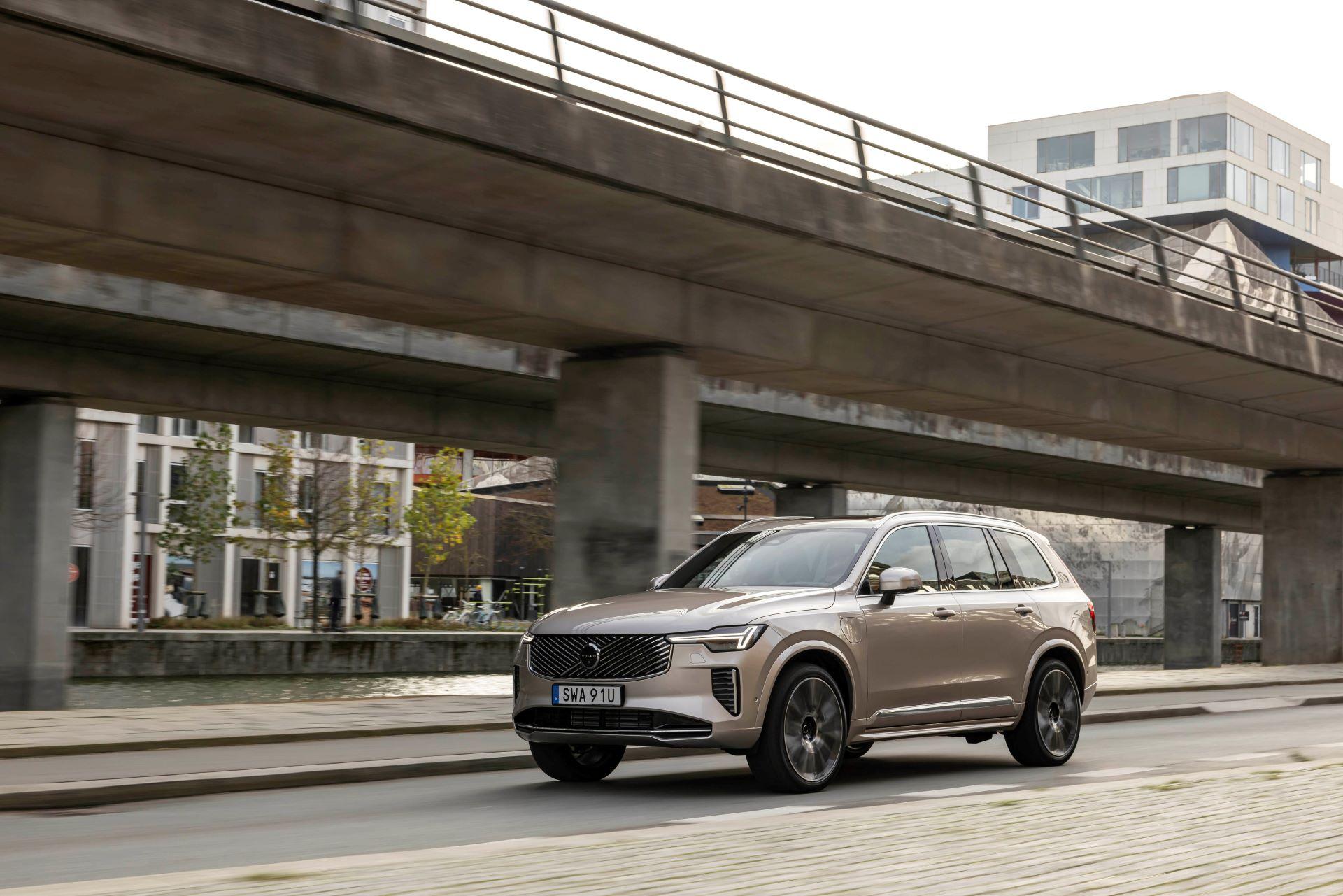



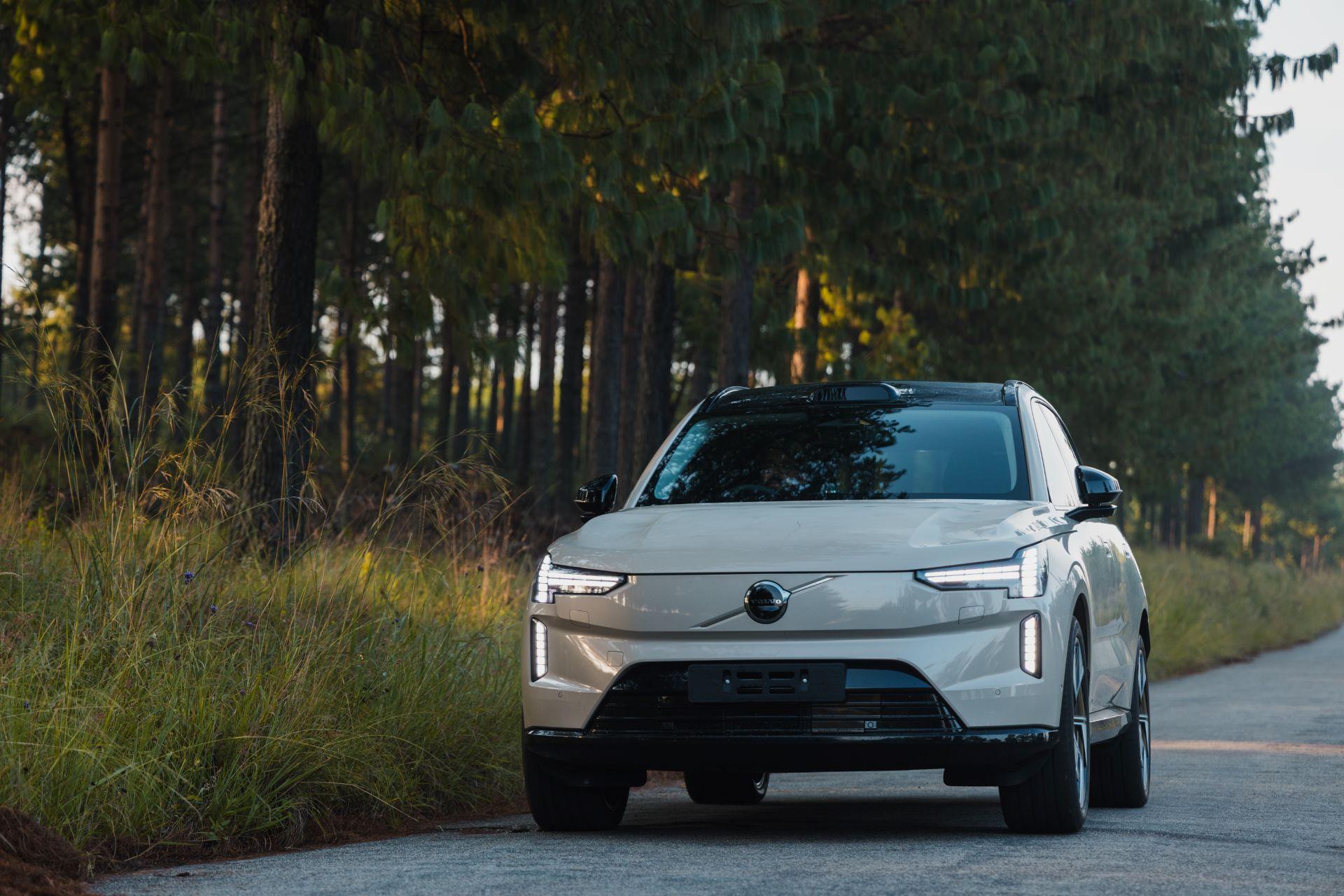
As the world marks Earth Day 2025 under the powerful theme “Our Power, Our Planet,” Volvo Car South Africa is reaffirming its unwavering commitment to a greener tomorrow. With sustainability now a cornerstone of innovation across industries, Volvo continues to lead the charge through electrification, resource circularity, and climate-conscious practices designed to leave a lighter footprint on the planet.
A Vision for Electrified Mobility
In alignment with Earth Day’s global mission to triple clean electricity generation by 2030, Volvo has set its own bold target: to ensure that between 90% and 100% of its global vehicle sales will be fully electrified by the start of the new decade. As Felipe Yagi, Head of Marketing & Communications at Volvo Car South Africa, puts it:
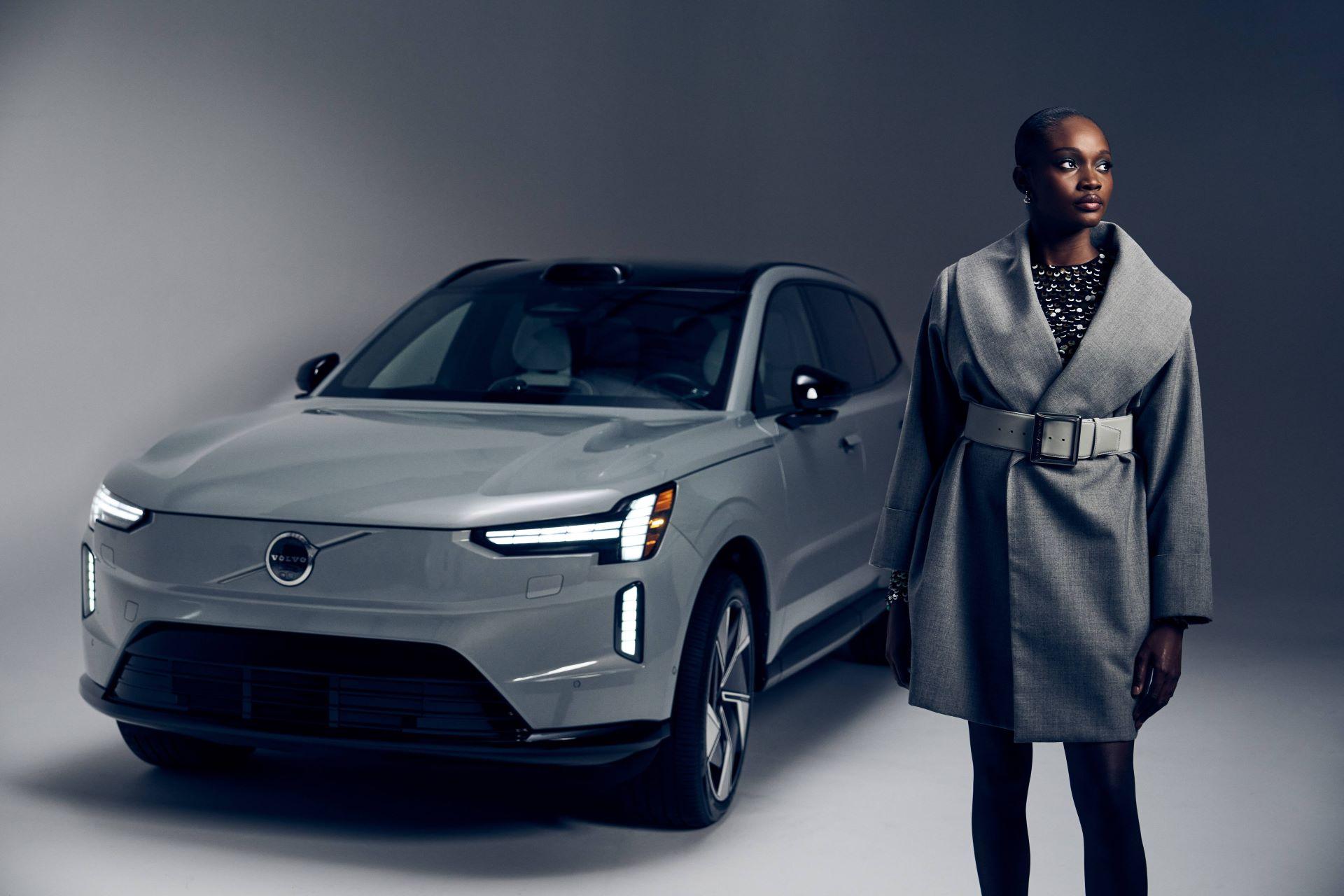
“Following the successful introduction of the C40 and XC40 Recharge, as well as the award-winning EX30, Volvo has expanded its fully electric lineup with the EX90. Later this year, we’re planning to introduce the ES90 luxury sedan and EX30 Cross Country, bringing electrification to an even wider range of customers.”
This expanding portfolio is more than a lineup—it’s a commitment to accessible and responsible mobility. In South Africa, where sustainable transport infrastructure is still growing, partnerships such as Volvo’s alignment with Zero Carbon Charge (CHARGE) are pivotal. With plans to deploy 120 off-the-grid charging stations spaced at 150 km intervals nationwide, CHARGE enables EV owners to recharge with zero emissions—amplifying the synergy between clean energy and electric mobility.
Beyond Emissions: A Circular Economy in Motion
While electric vehicles take centre stage in Volvo’s sustainability journey, the brand’s vision goes much deeper. By 2040, Volvo aims to become a fully circular business—an ambition that recognises the finite nature of Earth’s resources and reimagines how vehicles are built, maintained, and renewed.
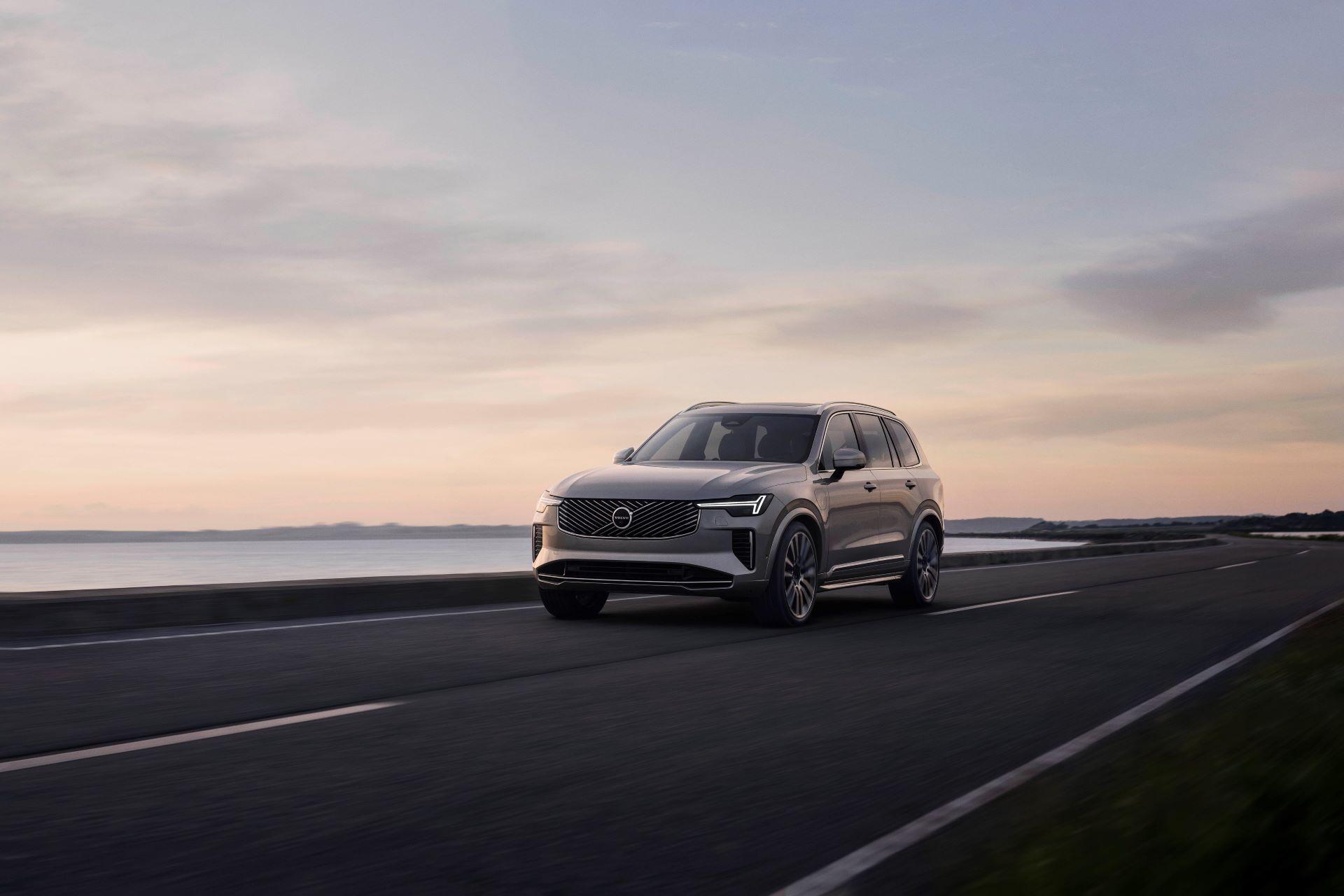
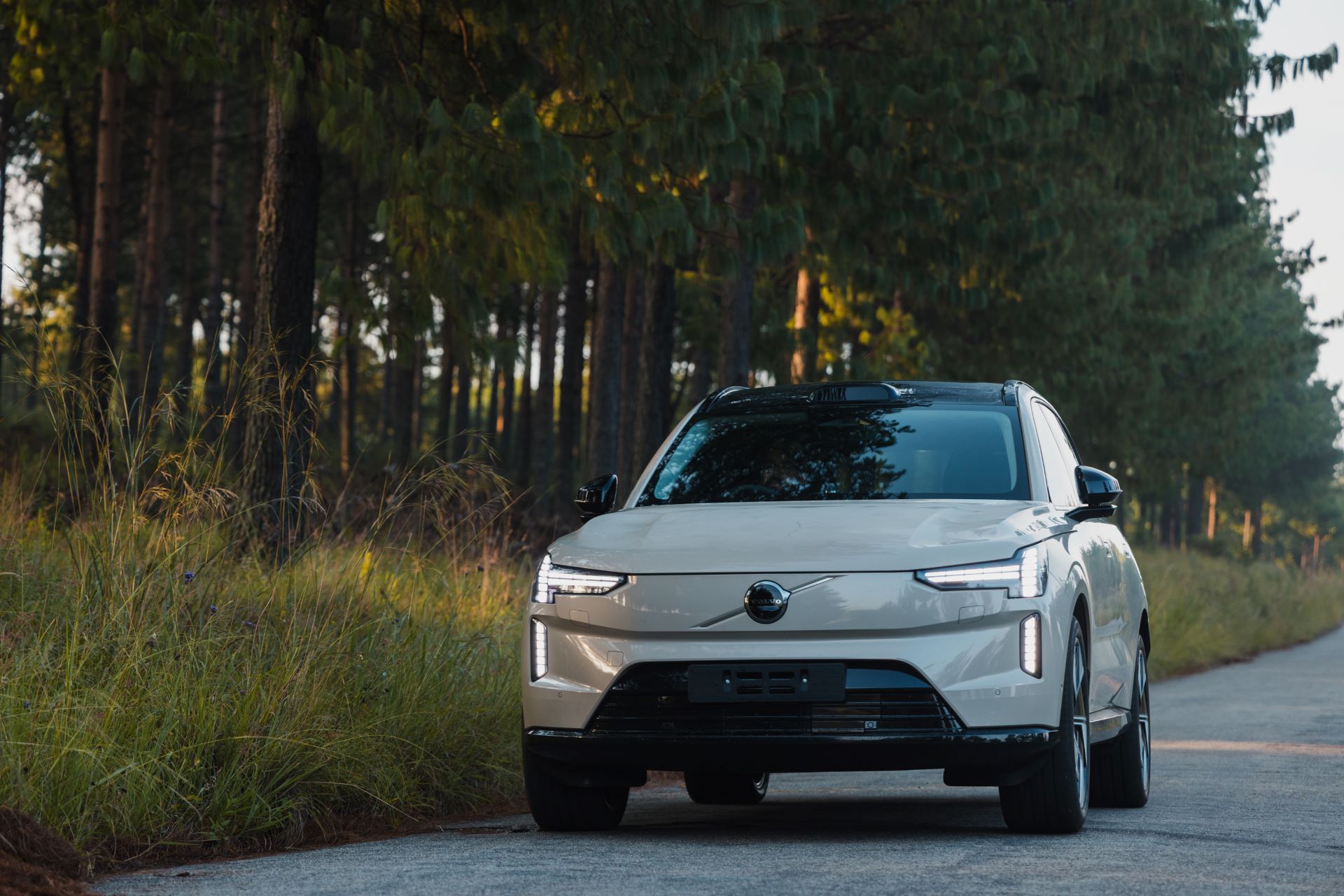
The EX90 exemplifies this philosophy. Constructed with approximately 15% recycled steel, 25% recycled aluminium, and nearly 50 kilograms of recycled plastics and bio-based materials, it is a rolling embodiment of resource responsibility. But Volvo doesn’t stop at materials; it’s transforming the entire value chain. The company currently remanufactures 36 different component groups, from engines to gearboxes—an effort that saved more than 4,800 tonnes of CO₂ in 2022 alone.
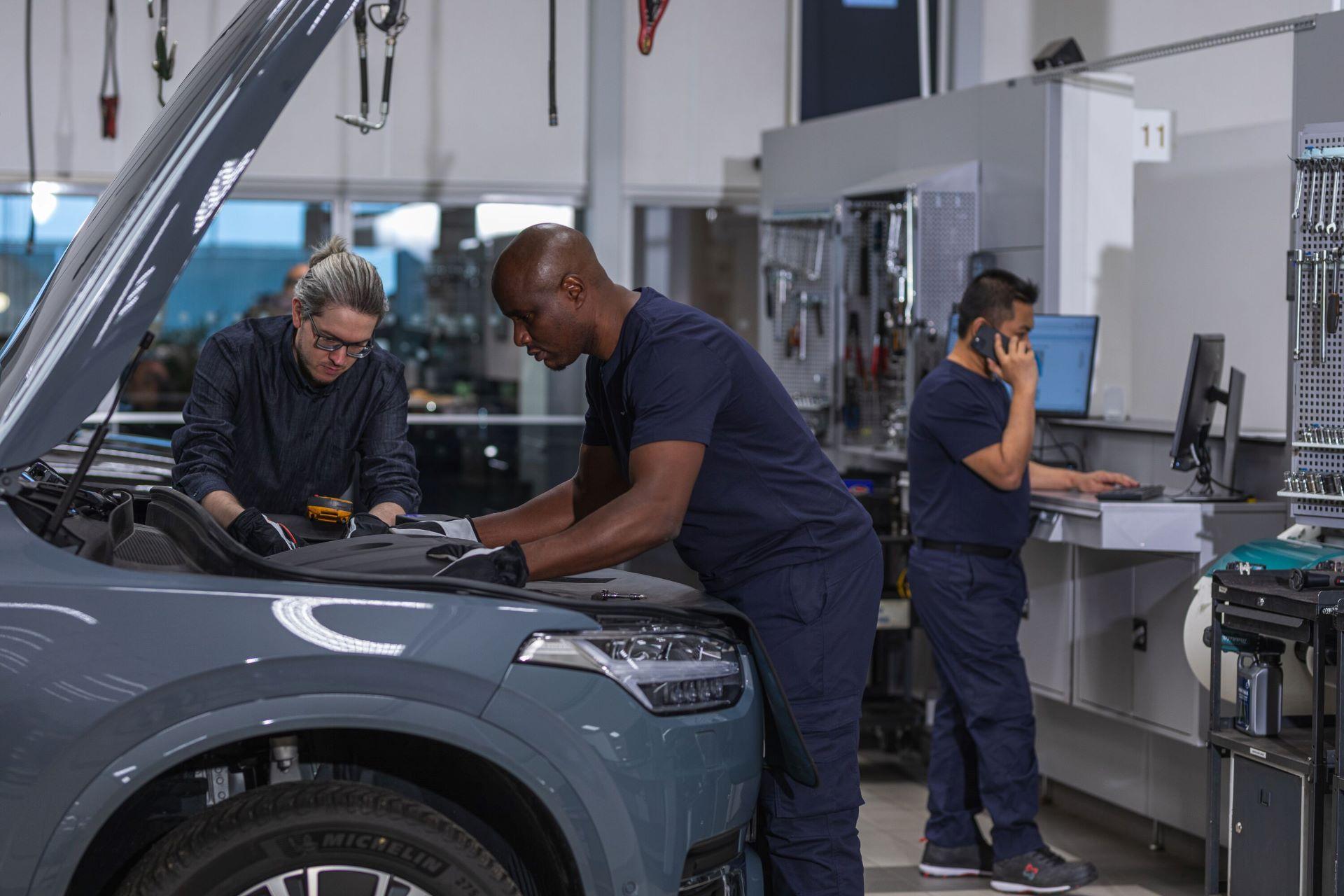
By remanufacturing instead of producing new parts, Volvo cuts raw material use by 85% and slashes energy consumption by 86%. It’s a legacy of foresight that stretches back to 1945, when Volvo first began remanufacturing gearboxes—a testament to the brand’s long-standing ethos of building cars that stand the test of time, and the planet.
Innovating With Purpose, Leading With Legacy
Sustainability is not new to Volvo. Decades before climate change became a household term, the automaker was shaping the future of cleaner driving. In 1978, it introduced the revolutionary three-way catalytic converter with a Lambda sensor—reducing harmful emissions by up to 90%. By 1993, every Volvo vehicle was free of ozone-depleting CFCs, setting benchmarks long before they became regulatory requirements.
This forward-thinking heritage is what underpins Volvo’s evolution into a sustainability pioneer today. As it continues to merge innovation with environmental stewardship, Volvo isn’t just producing vehicles—it’s empowering consumers to make greener choices and contribute to a more sustainable planet.
A Shared Journey to a Greener Future
On Earth Day 2025, Volvo reminds us that change is most powerful when it’s collective. Through its expanding EV lineup, commitment to circularity, and integration of renewable energy into everyday driving, the brand is redefining what it means to be a responsible automaker.
In South Africa and around the world, Volvo is offering more than mobility—it’s offering momentum toward a cleaner, brighter future.