



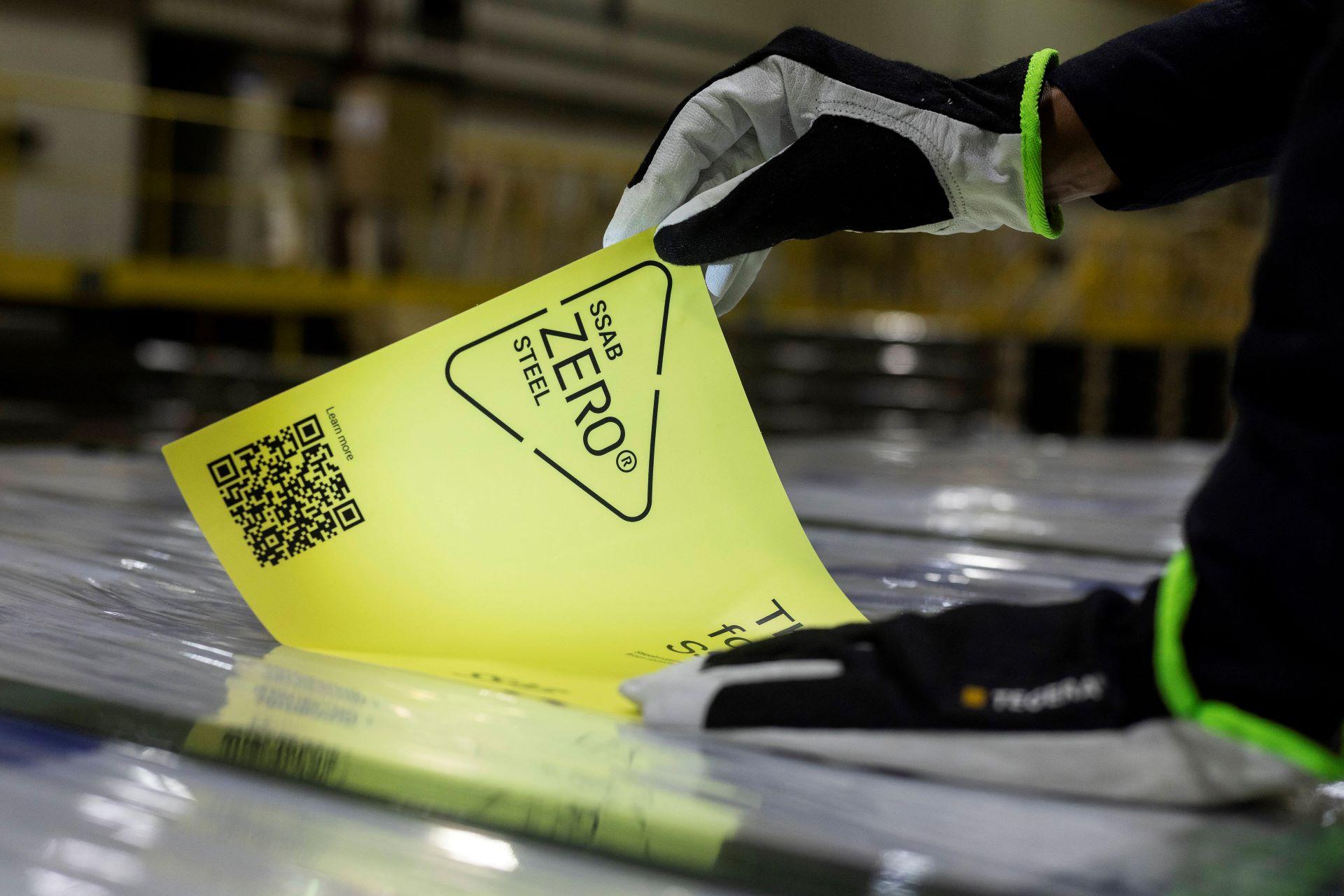
In a landmark step towards decarbonising automotive manufacturing, Volvo Cars has signed a new supply agreement with Swedish steelmaker SSAB for high-quality, recycled and near zero-emissions steel—set to enter serial production from 2025. This strategic move makes Volvo Cars the first global car manufacturer to secure such a contract, reaffirming its leadership in sustainable mobility.
The new agreement builds on a longstanding collaboration between the two Swedish firms, reinforcing their shared commitment to a more sustainable and circular industrial model. Central to this is a shift away from traditionally produced steel, which remains one of the most carbon-intensive materials in car production.
“One of the biggest sources of CO₂ emissions in our production process is the steel we use to build our cars, averaging 25 percent of all material-related emissions for a new Volvo car,” explains Francesca Gamboni, Chief Supply Chain and Manufacturing Officer at Volvo Cars. “We work towards achieving net-zero greenhouse gas emissions by 2040, and cutting steel-related emissions really has the potential to move the needle.”
Steel will remain indispensable to automotive safety, strength and longevity—but Volvo Cars is proving that performance and sustainability need not be at odds. The recycled, near zero-emissions steel will debut in selected components of the upcoming fully electric EX60 SUV and other models underpinned by Volvo’s next-generation SPA3 architecture. Crucially, this advanced steel matches the safety and durability benchmarks of conventional primary steel, ensuring that Volvo’s hallmark quality is uncompromised.
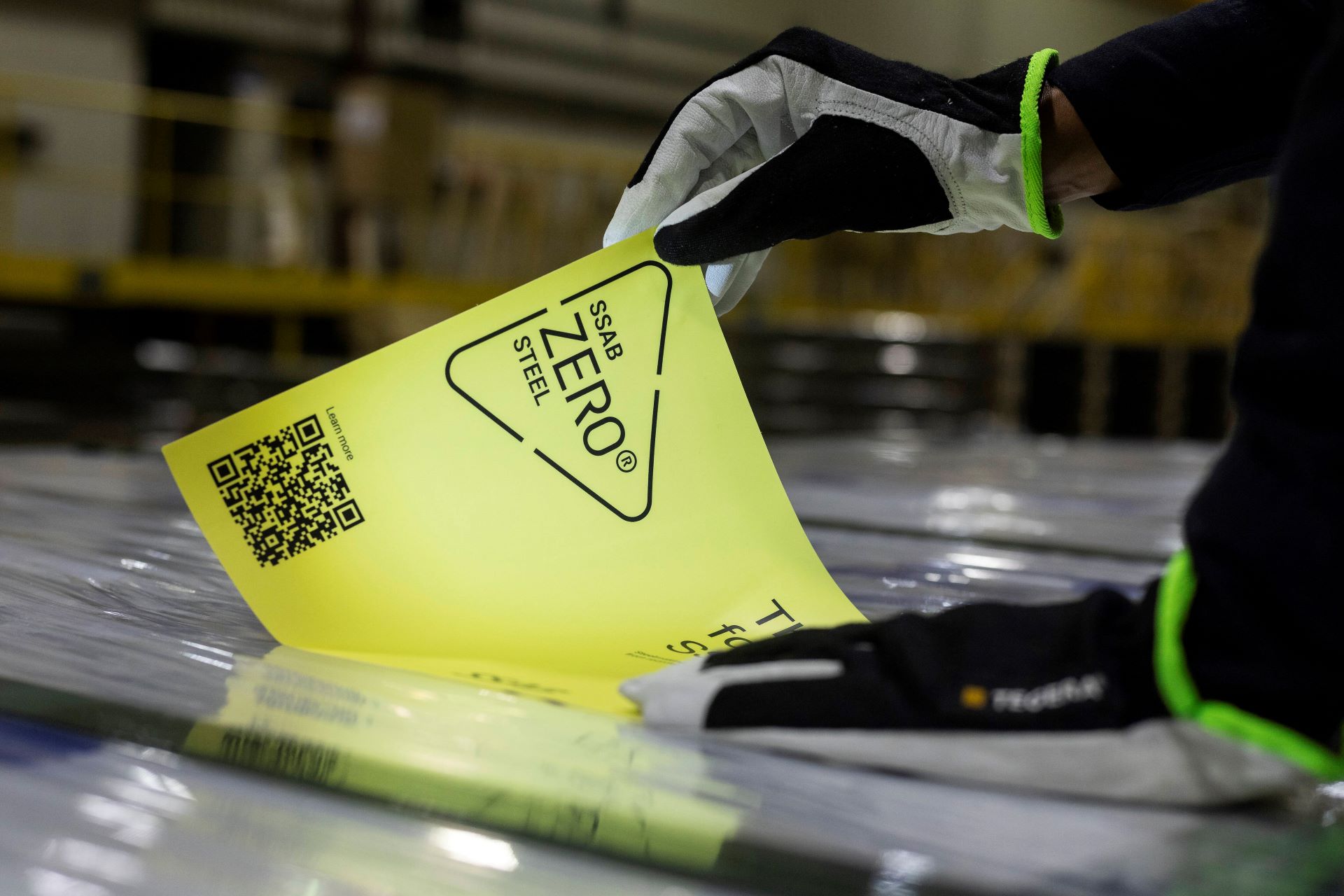
The deal also bolsters Volvo’s broader circular economy ambitions. Beyond sourcing recycled materials, the company is also feeding scrap steel back into SSAB’s closed-loop system—keeping materials in use at their highest value for as long as possible. SSAB’s process, which relies on nearly 100% recycled content, slashes operational CO₂ emissions by nearly 100% when compared to standard European steelmaking practices.
“By signing this agreement, we have taken an important step in reducing the impact on the environment and increasing awareness for using recycled materials within our supplier network,” Gamboni adds.
This initiative forms part of Volvo Cars’ wider strategy to become a fully electric car maker by 2030 and reach net-zero greenhouse gas emissions by 2040. To get there, the company is targeting a 65–75% reduction in CO₂ emissions per car by the end of the decade, measured against a 2018 baseline. By 2030, it also aims to have 30% recycled content across its vehicle fleet, and ensure that all new models from that point include at least 35% recycled or bio-based materials.
In an era where climate targets are no longer optional, Volvo Cars is once again showing the automotive world what leadership looks like—one recycled panel at a time.


