





Volvo Cars announced its January global sales figures, revealing a nuanced picture of performance. While overall unit sales dipped by 5% compared to the same period last year—totaling 50,820 vehicles—the automaker’s commitment to electrification shone through, with electrified models demonstrating robust growth.
Sales Overview: A Dip Amid Timing Challenges
The 5% decline in total sales is largely attributed to the timing of the Chinese New Year, which has traditionally impacted production and market activity. Despite this seasonal setback, Volvo Cars reported steady momentum in one of its most strategic segments: electrified vehicles. The timing issue underscores the challenges of operating in a global market where regional festivities can have ripple effects on sales figures.
Electrified Models: A Bright Spot in the Lineup
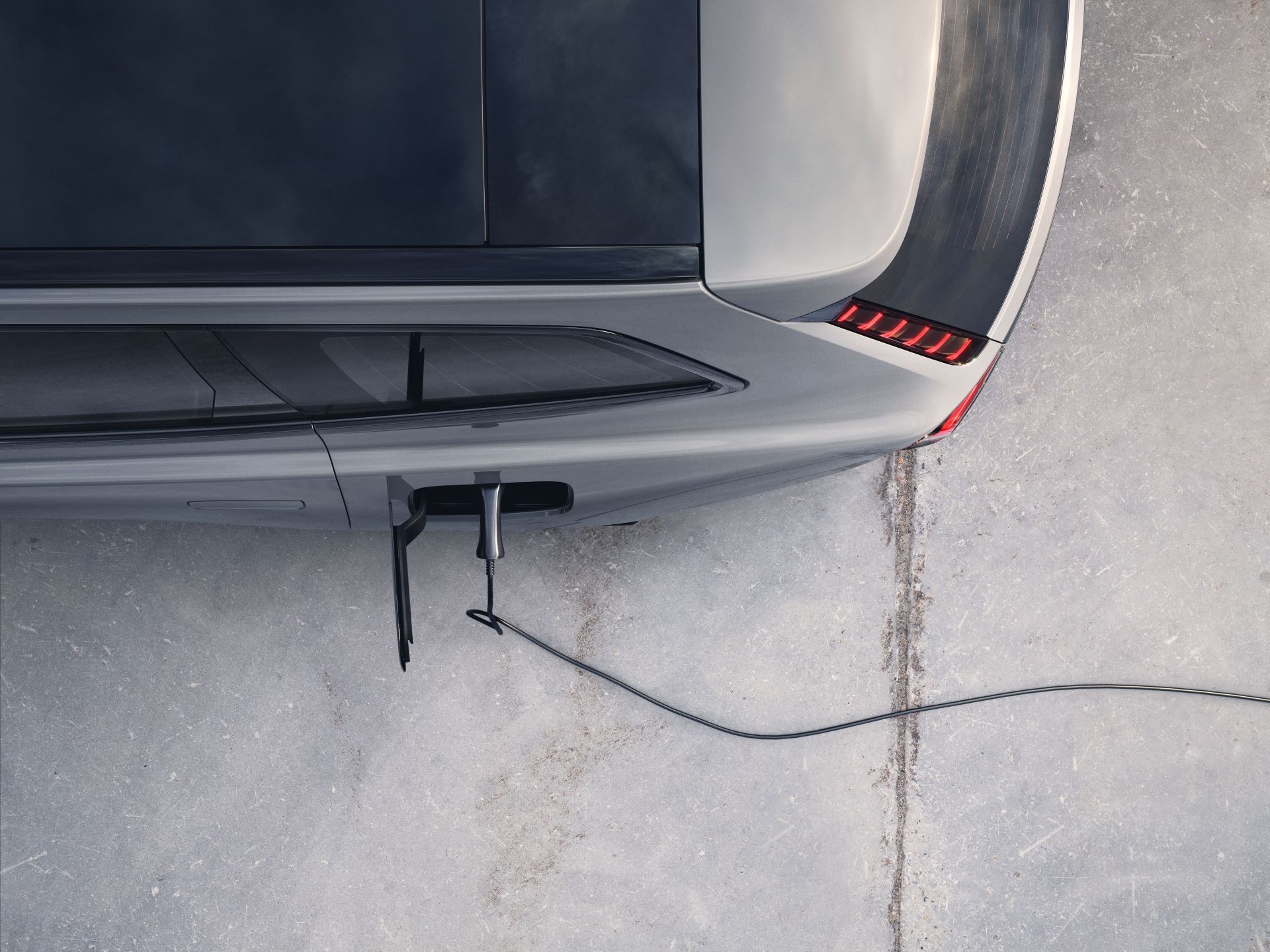
Electrification remains at the forefront of Volvo’s strategy. In January, sales of electrified models—including both fully electric and plug-in hybrid vehicles—grew by an impressive 17% year-on-year, reaching 22,398 units. This growth elevated electrified vehicles to account for 44% of the month’s total sales, marking a significant shift in consumer preference. Fully electric cars, in particular, made up 19% of all vehicles sold, signaling increased market acceptance and a potential trend towards zero-emission driving.
The strength in the electrified segment reflects Volvo’s broader commitment to sustainability and innovation. With an expanding range of electric and hybrid models, the automaker is positioning itself to capitalize on the global transition to cleaner, greener mobility.
Model Performance: Leaders and Laggards
In the competitive SUV market, Volvo’s models delivered mixed results. The XC60 emerged as the top-selling model in January, with 18,972 units sold—a modest improvement from 18,011 units in January 2024. This solid performance reinforces the XC60’s reputation as a balanced offering that blends luxury, safety, and performance.
Conversely, the XC40/EX40 saw a notable drop, with 8,736 vehicles sold in January 2025 compared to 12,628 in the same month last year. Similarly, the XC90 experienced a decline, registering 7,473 units versus 8,167 in the previous year. These declines in some segments contrast with the broader trend of growth in electrified vehicles, highlighting areas where Volvo may need to adjust its strategy or market positioning.
Shifting Trends in Powertrain Technologies
The overall reduction in mild hybrids and internal combustion engine (ICE) vehicles—down 17% from 34,231 units in January 2024 to 28,422 in January 2025—further underscores the market’s gradual shift towards electrification. This trend aligns with global regulatory changes and evolving consumer preferences, pushing manufacturers like Volvo to invest more heavily in electrified technologies.
Looking Ahead
Volvo Cars’ January figures illustrate a period of transition. While traditional sales faced headwinds due to external factors such as the Chinese New Year, the automaker’s electrification strategy is clearly gaining traction. With electrified models now constituting nearly half of all sales, Volvo appears well-positioned to navigate the evolving automotive landscape—balancing immediate challenges with long-term sustainability goals.
As the market continues to evolve, Volvo’s performance in electrified segments will be a key indicator of its ability to innovate and adapt. The company’s strategic focus on electric and hybrid technologies is not just a response to current trends but a proactive step towards shaping the future of mobility.
Comments
Newest firstLoading comments…