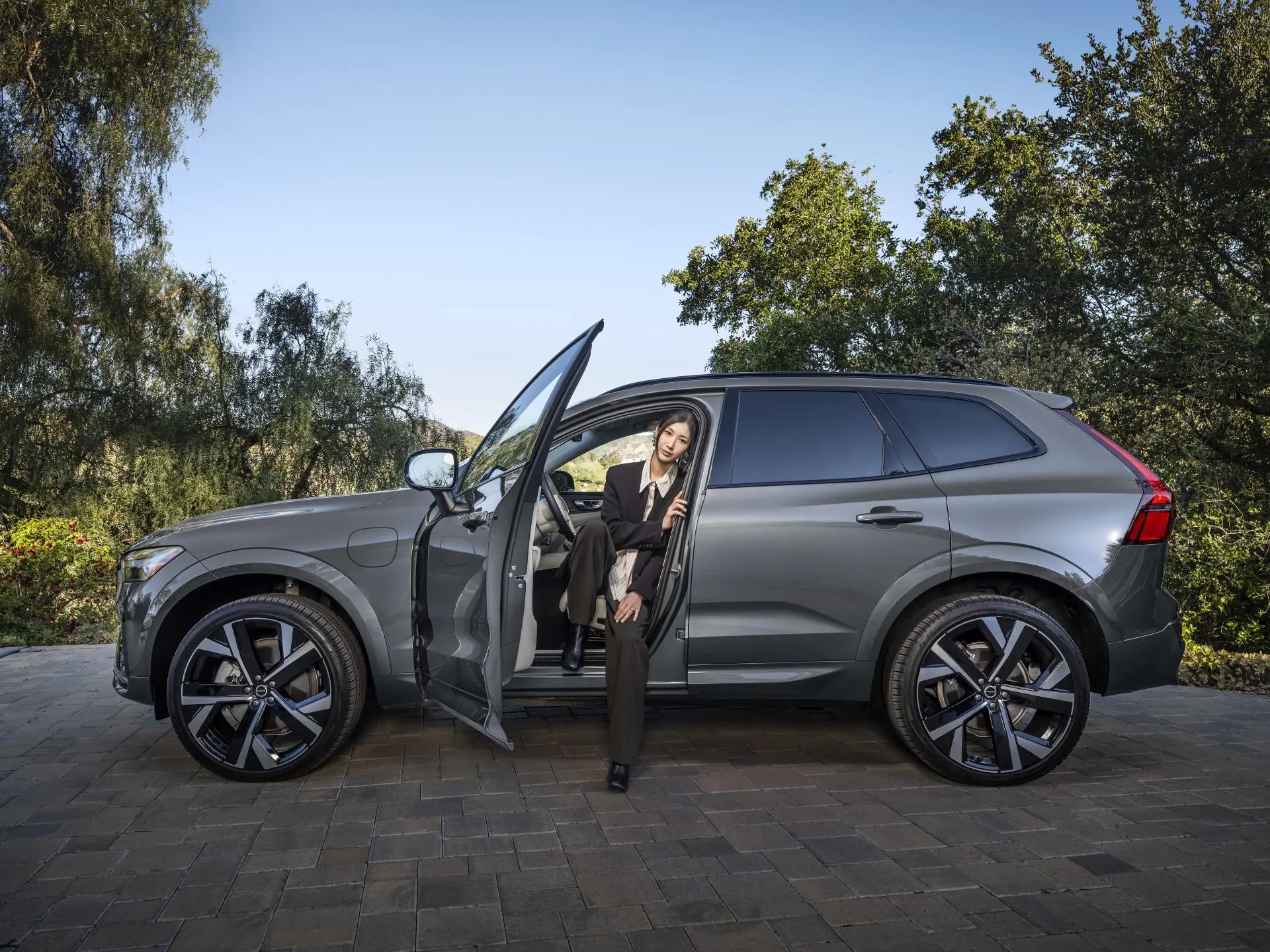



As the world unites to celebrate World Wildlife Day this March, Volvo Car South Africa reinforces its commitment to sustainability and conservation by championing electrified mobility in wildlife preservation. Recognising the intrinsic link between nature and responsible exploration, Volvo continues to lead the way in integrating eco-friendly mobility solutions into South Africa’s most treasured landscapes.
Sustainable Safaris: A Quiet Revolution
In a bid to showcase the advantages of electrified vehicles in safari and game-viewing environments, Volvo Ambassador and dedicated conservationist, Shandor Larenty, has taken the wheel in advocating for a more harmonious coexistence between humans and nature. By reducing emissions and noise pollution, electrified vehicles enhance the safari experience, allowing for closer and more authentic wildlife encounters.
“Switching to electrified vehicles in wildlife settings isn’t just about reducing emissions—it’s about preserving the natural balance,” said Larenty. “Without the noise and fumes of traditional engines, we can observe animals in their purest state while protecting the ecosystems we rely on for these experiences. It’s a step toward a future where conservation and exploration go hand in hand, ensuring that these landscapes remain untouched for generations.”
An Electrified Expedition: From City to Safari
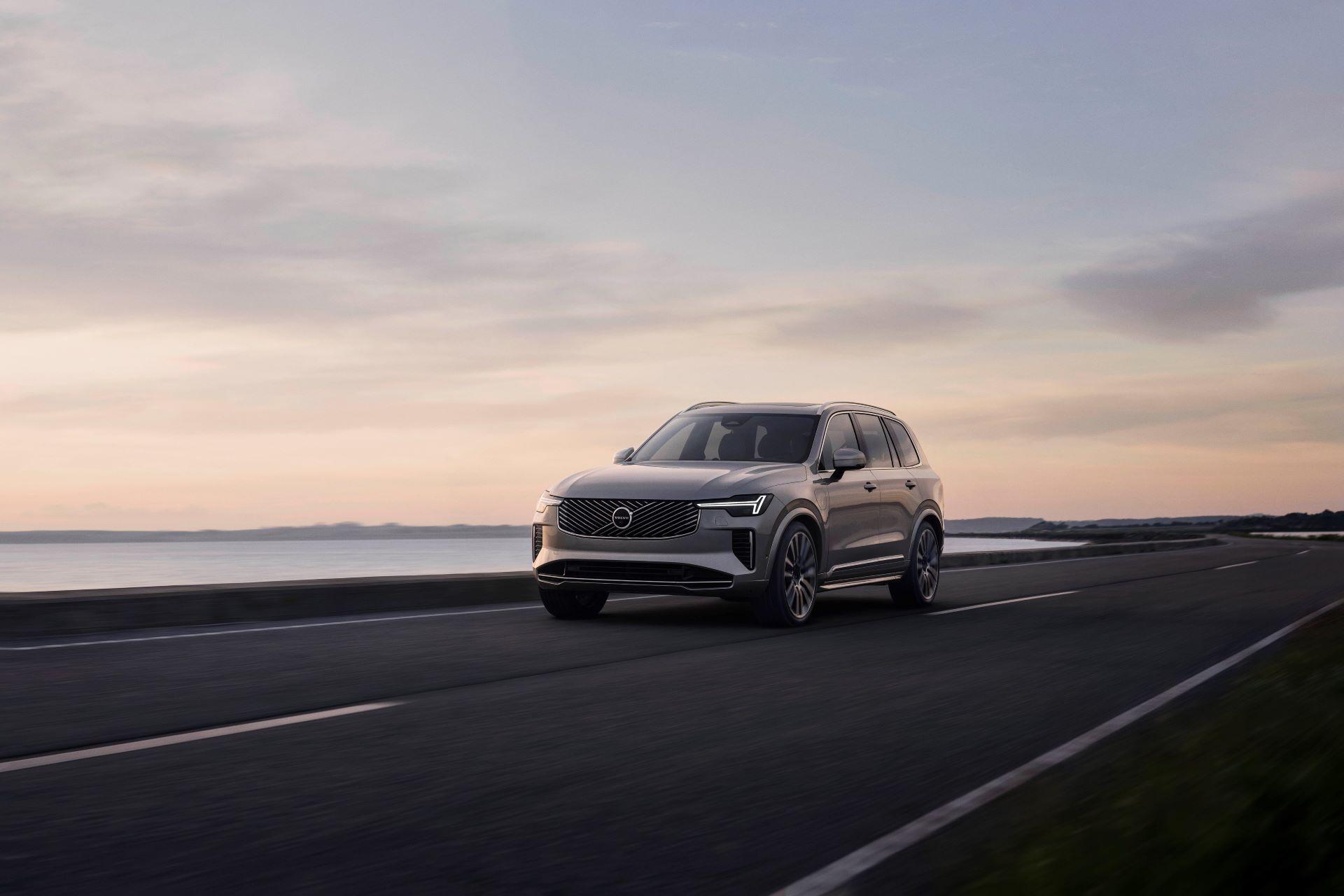
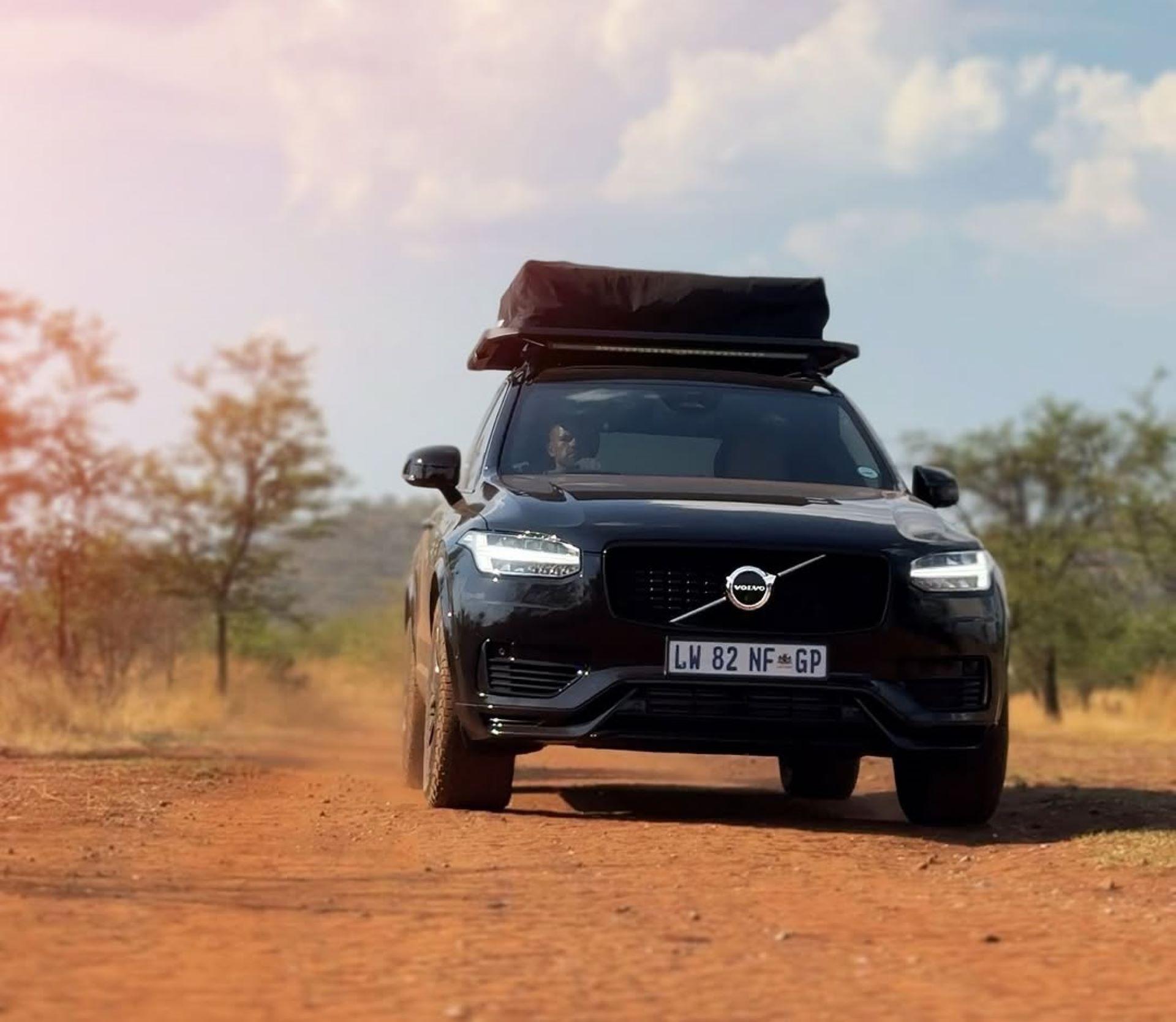
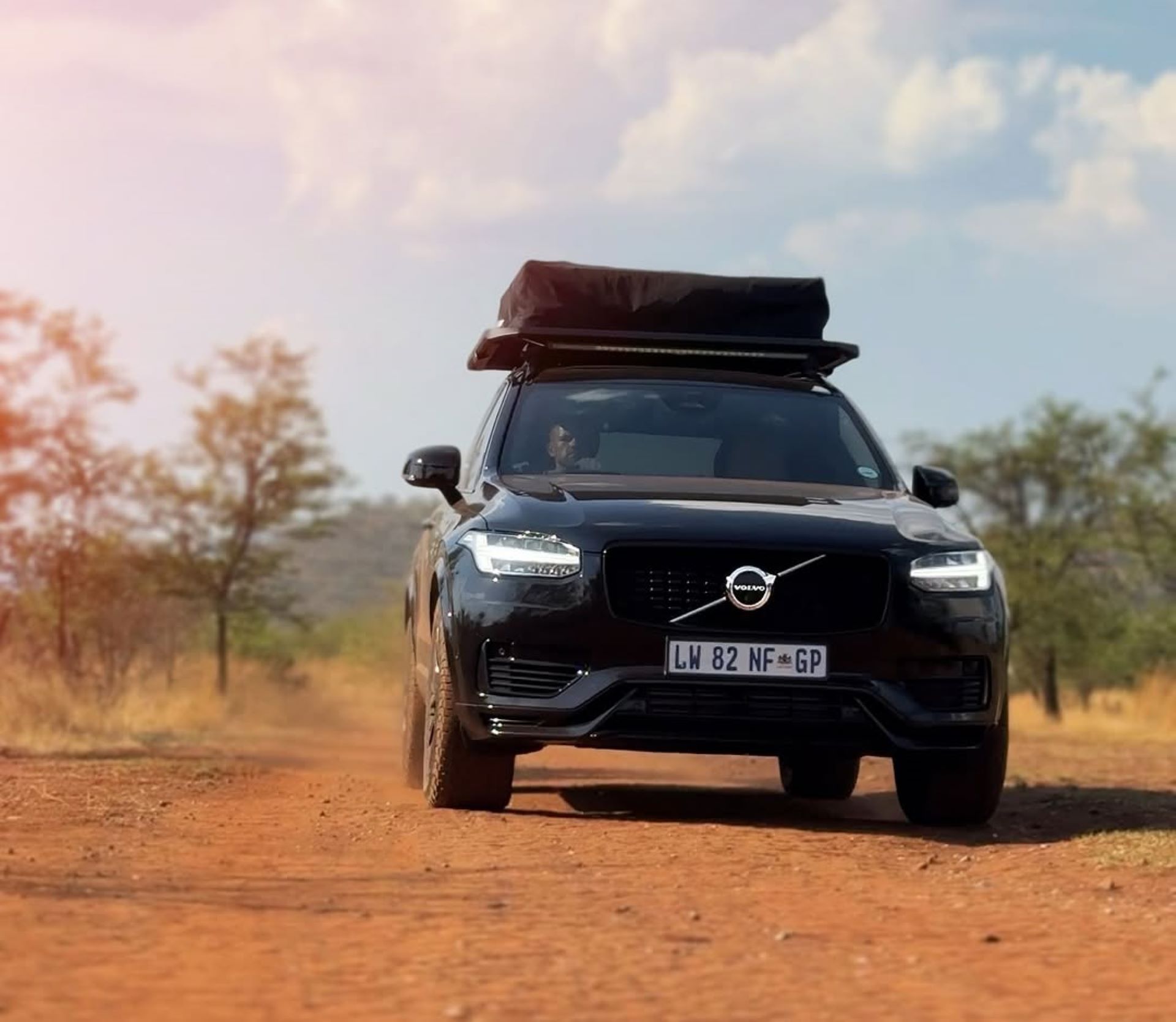
Demonstrating the real-world capabilities of electrified mobility, Larenty recently embarked on a 437 km journey from Johannesburg to the Botswana border in the Volvo XC90 T8 Recharge, the Swedish brand’s luxury seven-seat plug-in hybrid (PHEV). With a combined 340 kW and 709 N.m of torque, the XC90 T8 Recharge stands as a powerful yet efficient choice, boasting a remarkable fuel consumption figure of just 1.8L/100 km and CO2 emissions as low as 40 g/km.
Thanks to its 18.8 kWh battery, the XC90 T8 Recharge offers up to 77 km of pure electric driving range, enabling near-silent game drives with zero tailpipe emissions. Upon arriving at the game reserve, Larenty completed the safari experience entirely on electric power, with a remaining range of 24 km. A simple overnight AC charge ensured another full day of emission-free exploration.
Electrification as a Conservation Imperative
Volvo’s commitment to sustainability extends beyond efficiency—it is a responsibility to minimise human impact on natural ecosystems. “Wildlife conservation is inseparable from the choices we make in mobility,” said Felipe Yagi, Head of Marketing & Communications at Volvo Car South Africa. “As human activity expands, we must find ways to minimise our impact on the environment. Advancing electrified mobility isn’t just about efficiency—it’s about responsibility. The transition to cleaner transportation is one of the most immediate and effective ways we can contribute to the preservation of natural ecosystems.”
A Future of Electrified Exploration
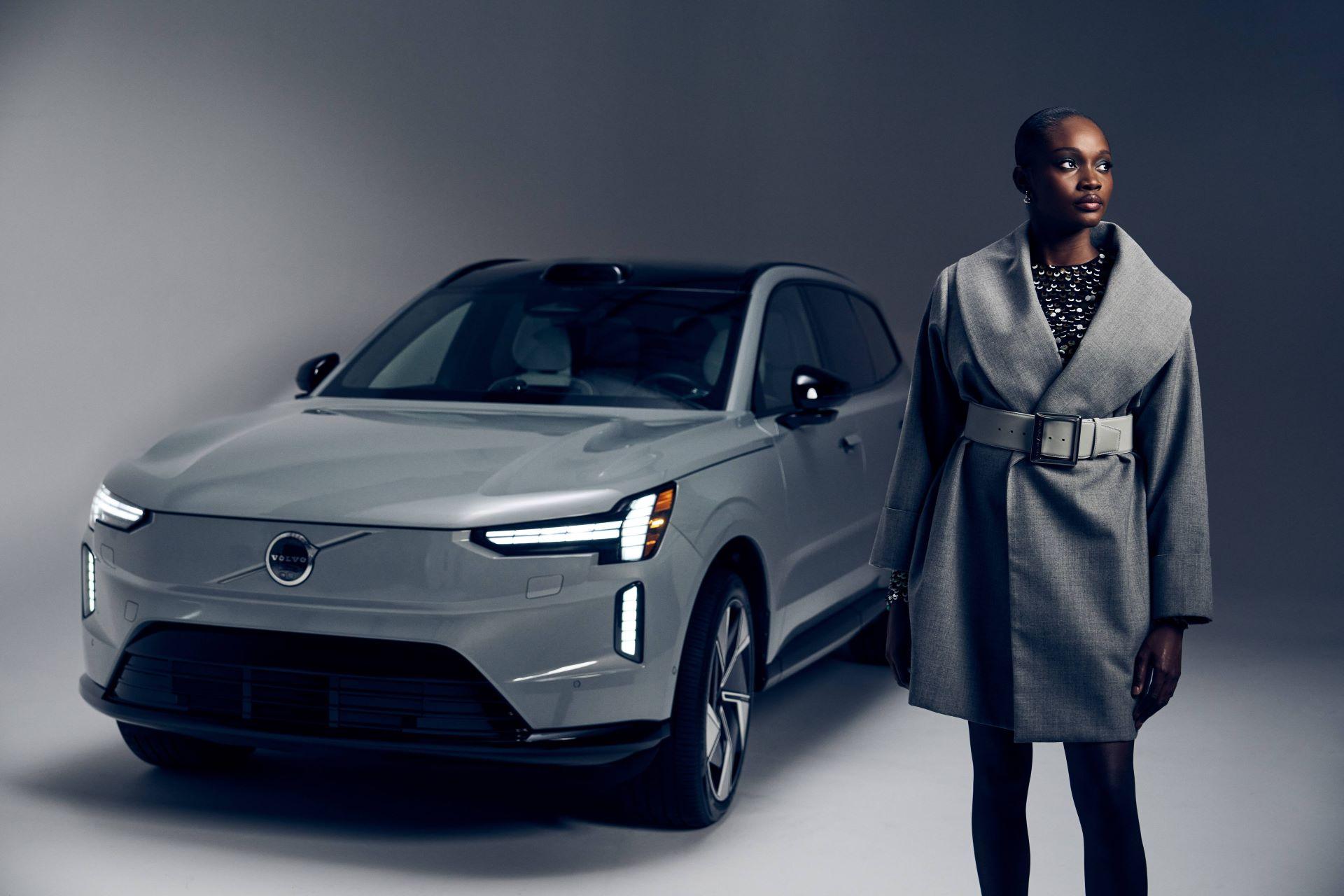
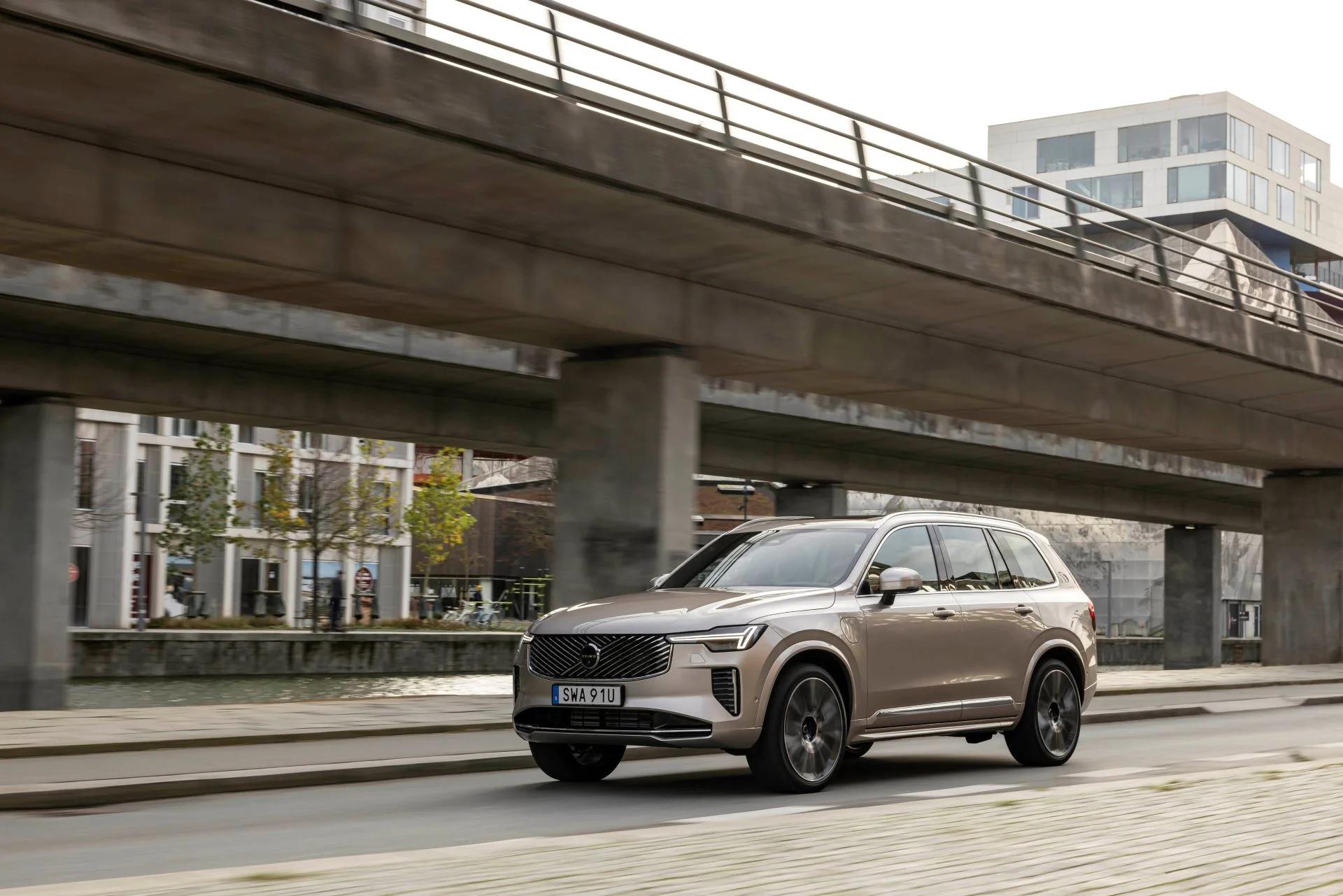
Volvo’s electrified portfolio in South Africa includes a diverse range of mild-hybrid (MHEV), plug-in hybrid (PHEV), and fully electric vehicles (EVs). The XC60 and XC90 Recharge models cater to hybrid enthusiasts, while the fully electric XC40 Recharge, C40 Recharge, award-winning EX30, and the soon-to-be-launched EX90 pave the way for a future defined by sustainable mobility.
By integrating electrification into conservation efforts, Volvo Car South Africa is not only redefining the safari experience but also reinforcing the necessity of sustainable mobility in protecting the world’s precious ecosystems. As the automotive industry continues its journey towards a greener future, Volvo stands at the forefront—driving change, one silent, emission-free adventure at a time.