





Volkswagen continues to lead the charge in decarbonization, making significant strides in renewable energy development across Europe. In 2024, the automaker’s green power projects delivered approximately 1.1 terawatt-hours (TWh) of electricity—enough to power 300,000 households annually. This achievement marks a pivotal step in Volkswagen’s ambitious commitment to sustainability, aligning with its goal of enabling ID. vehicle customers to drive in a net carbon-neutral manner.
A Visionary Approach to Renewable Energy
Volkswagen’s sustainability strategy extends beyond manufacturing electric vehicles. As a pioneer in supporting renewable energy expansion, the company has been instrumental in launching 26 green power projects across nine European countries. Since 2021, these initiatives have collectively fed about 3 TWh of electricity into the European grid, equating to the annual energy consumption of 800,000 households. By backing solar parks and wind farms, Volkswagen is directly reducing the carbon footprint of its ID. model lineup while contributing to Europe’s transition to renewable energy.
Andreas Walingen, Chief Strategy Officer of Volkswagen Passenger Cars, emphasized the company’s ongoing efforts:
“Through the large-scale development of European wind and solar farms, we intend to support our customers in the region in their efforts to always use their ID. vehicles in a net carbon-neutral way. This shows that our commitment to sustainability goes far beyond the electrification of vehicles.”
Flagship Projects Powering Progress
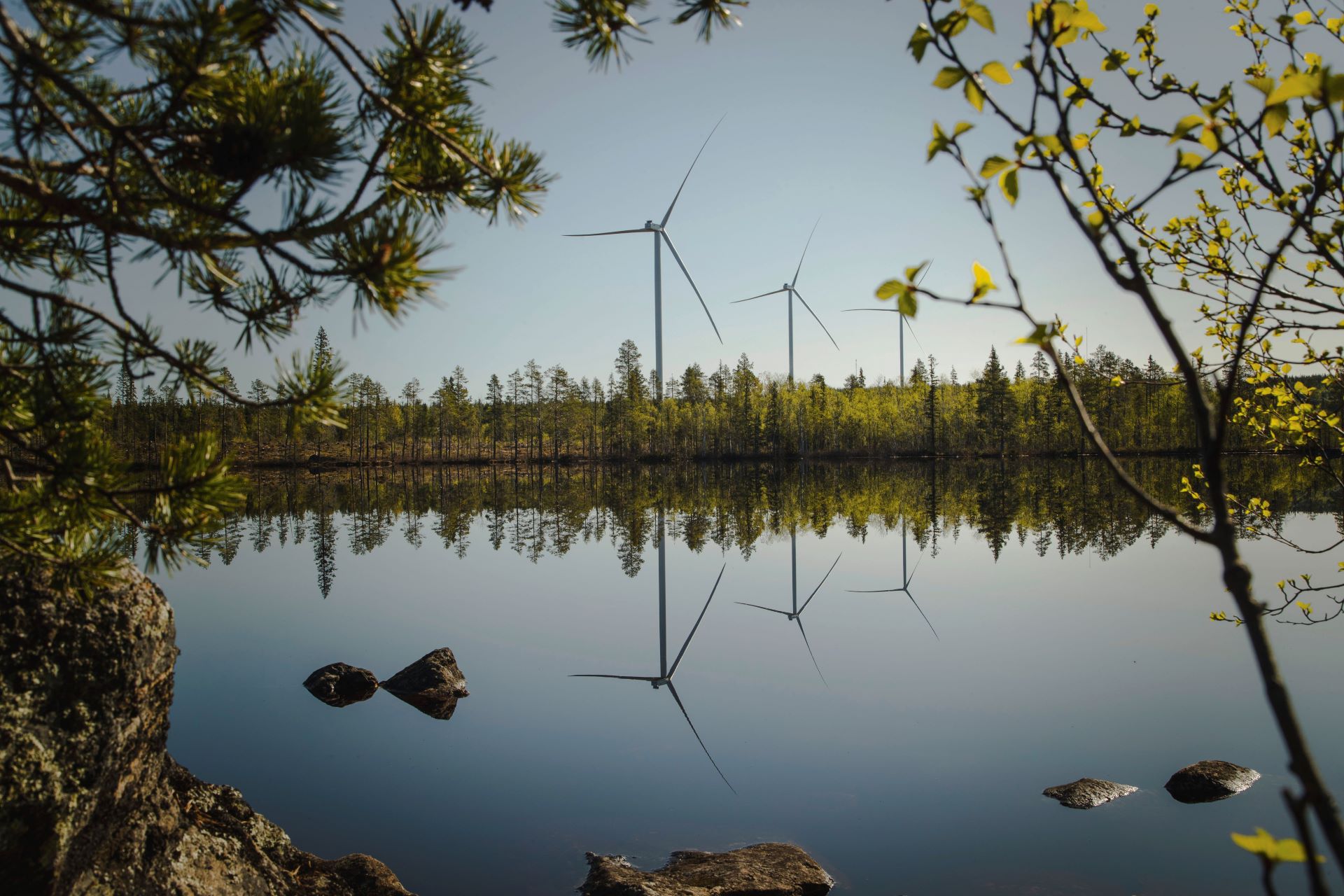
Volkswagen’s green energy investments include a solar park in northern Portugal near Vila Real, generating over 60 GWh annually, and a wind farm in Djupdal, Sweden, producing more than 1,000 GWh per year. These large-scale projects exemplify Volkswagen’s dedication to expanding renewable energy infrastructure. Currently, the company supports 18 photovoltaic plants and eight wind farms in Spain, Sweden, Finland, Portugal, the UK, Germany, Italy, the Netherlands, and Poland. Long-term support contracts, typically spanning 10 years, ensure stability and growth in renewable energy production.
Volkswagen also utilizes Energy Attribute Certificates to verify the renewable origin of the electricity supplied. These certifications align with its strategy to reduce reliance on ‘grey’ electricity, which still accounts for approximately 40% of the energy used for EV charging in Europe.
Impact on E-Mobility and Carbon Reduction
Volkswagen’s commitment to green power is fundamentally transforming the carbon profile of its ID. vehicles. A life cycle analysis of the ID.4 Pro, reviewed by TÜV NORD CERT, highlights the significant potential for CO2 reductions. Over a total mileage of 200,000 km, the ID.4 Pro produces 25% fewer emissions than a comparable diesel vehicle. When charged exclusively with green electricity, this reduction increases to 50%.
Moreover, the analysis underscores how green power usage offsets the initially higher production-phase emissions of electric vehicles. For the ID.4 Pro, the carbon footprint becomes smaller than that of a diesel model after just 66,000 km when charged with the EU green electricity mix. This milestone occurs even sooner when renewable energy sources are prioritized.
Accelerating Towards a Carbon-Neutral Future
Volkswagen’s green power projects form a critical component of its broader decarbonization strategy. The company plans to increase its investments annually in parallel with the growing sales of ID. models, aiming to shift the current share of ‘grey’ electricity used for EV charging to fully renewable sources.
By empowering customers to charge with green electricity, Volkswagen amplifies the environmental benefits of e-mobility. These efforts reinforce the automaker’s leadership role in sustainable innovation, setting a benchmark for the industry as it transitions to a carbon-neutral future.
As Volkswagen continues to expand its renewable energy initiatives, it is driving the European energy transition and proving that sustainability is not merely a goal but a practice deeply embedded in its corporate ethos.
Comments
Newest firstLoading comments…