



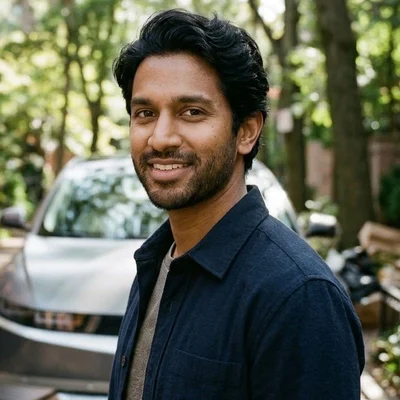
In an era where sustainability is no longer just a buzzword but a crucial business imperative, Volkswagen Group stands at the forefront of this transformative movement. The company’s commitment to sustainability is deeply embedded in its core values and strategic objectives, as articulated by Oliver Blume, CEO of Volkswagen Group. He highlights that the foundation of their values lies in responsible actions, supported by a robust sustainability framework aimed at creating lasting positive impacts for both nature and society.
The Vision of Regenerate+
Volkswagen’s sustainability strategy, known as regenerate+, is designed to navigate the complexities of today’s environmental challenges. It is characterized by a holistic approach that seeks to not only reduce the company’s ecological footprint but also to enhance the wellbeing of communities and ecosystems. As Dirk Voeste, Chief Sustainability Officer, emphasizes, the introduction of the new Sustainability Practice Groups signifies a pivotal step in fostering a constructive dialogue across various sectors, including academia, industry, and civil society. This collaboration is intended to elevate Volkswagen’s sustainability efforts by embracing innovative solutions that promote ecological and social wellbeing.
Sustainability Practice Groups: A New Framework
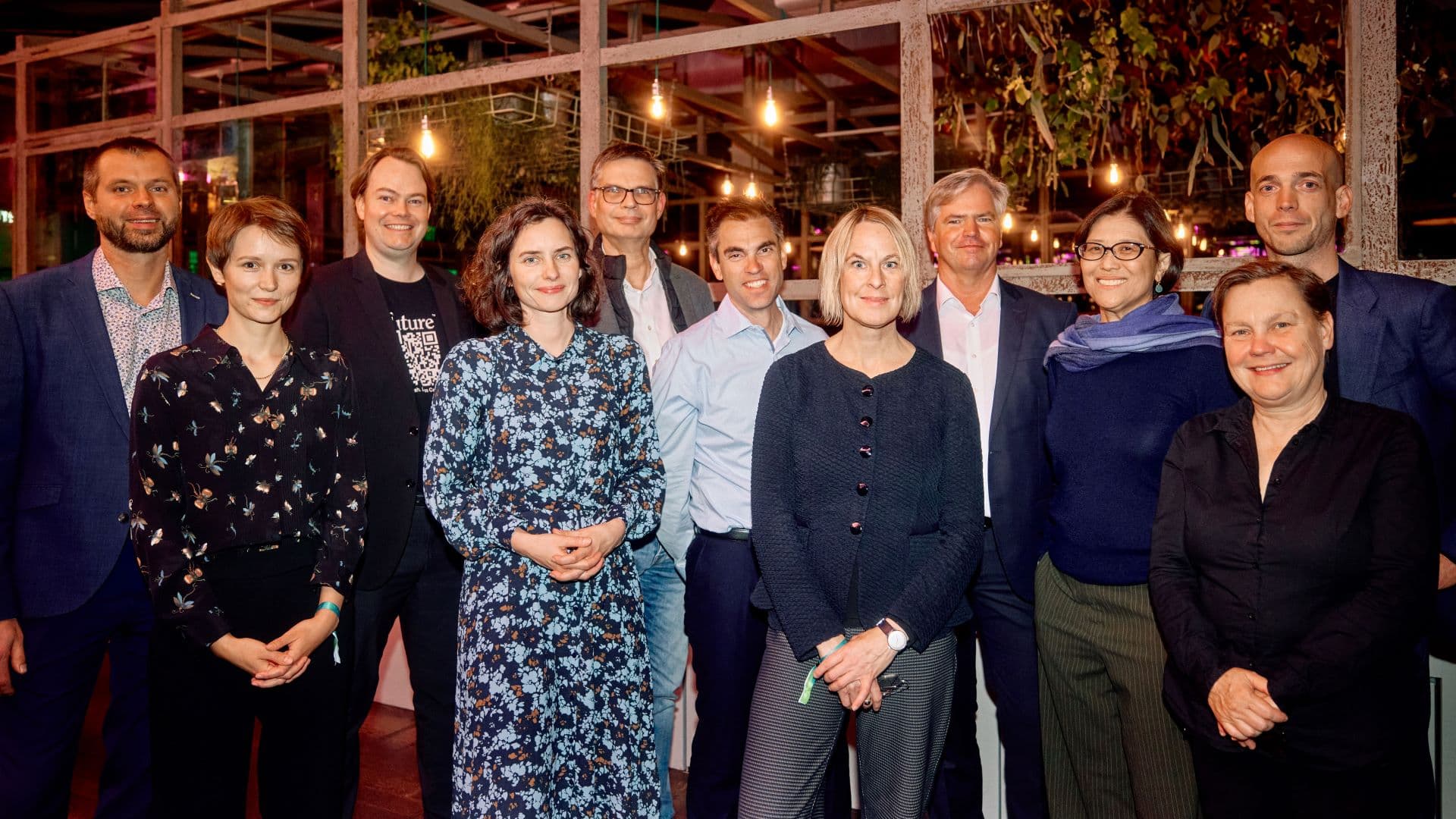
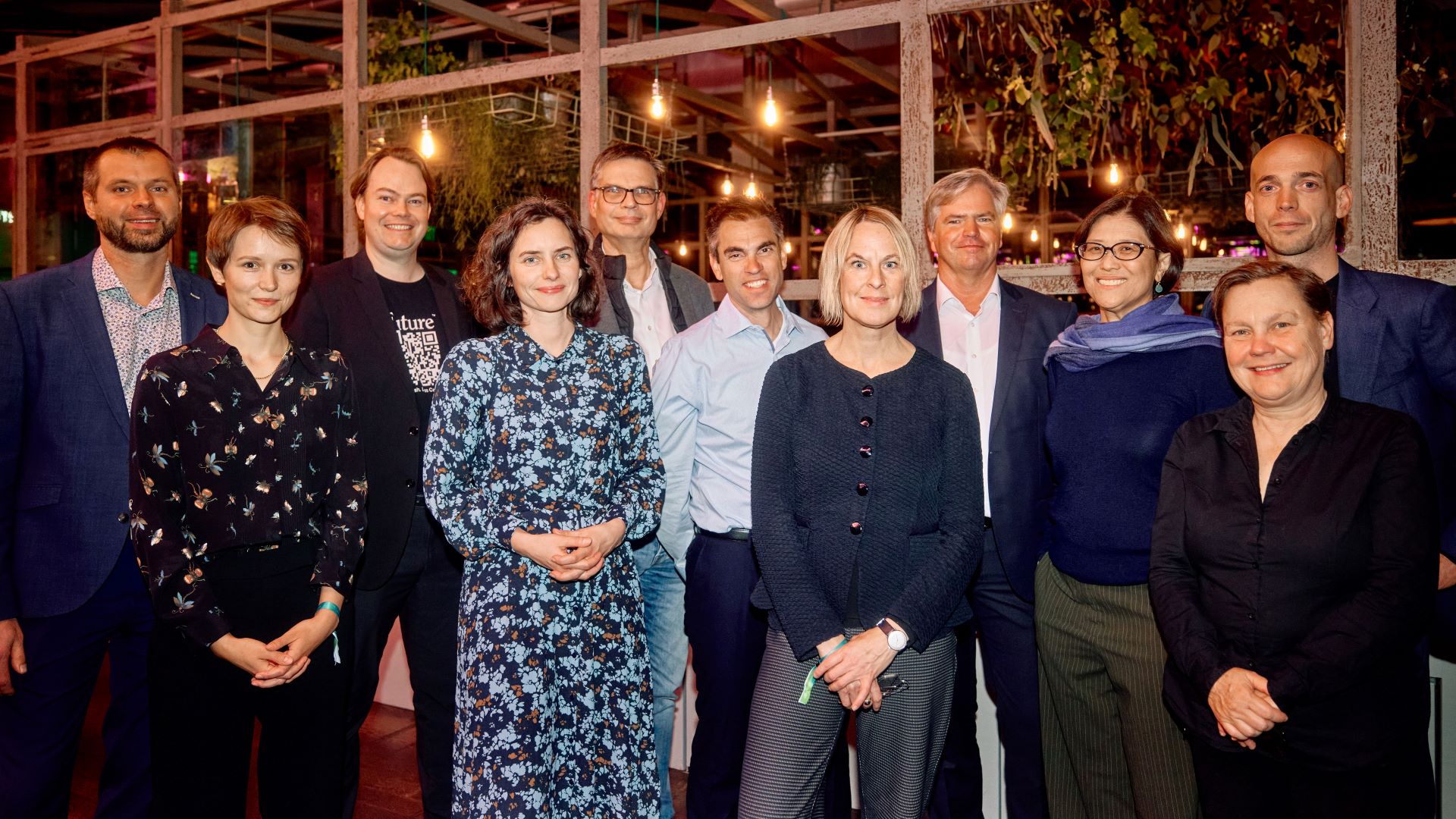
The establishment of the Sustainability Practice Groups is a critical development in Volkswagen’s sustainability journey. Comprising twelve distinguished experts from diverse fields, these groups are organized around four strategic dimensions of regenerate+: Nature, Our People, Society, and Business. Each group features three Volkswagen Group representatives collaborating with three independent advisory board members, ensuring a balanced exchange of ideas and perspectives.
Key Focus Areas
Nature: This group will concentrate on preserving and enhancing natural ecosystems. Experts such as Frauke Fischer from the University of Würzburg and representatives from WWF Germany and GermanZero e.V. will explore ways to mitigate the environmental impact of mobility.
Our People: Here, the focus will be on fostering a supportive work environment that prioritizes the well-being and development of employees. Scholars from institutions like the University of Colorado and the Hans-Böckler Foundation will contribute insights on workplace culture and employee engagement.
Society: This dimension will address Volkswagen’s role in broader societal issues, with experts from BSR, Yale University, and the Alliance for Responsible Mining shaping the dialogue on corporate social responsibility and ethical practices.
Business: The final group will explore sustainable business practices, with input from institutions like Rensselaer Polytechnic Institute and Transport & Environment, aiming to align economic growth with environmental stewardship.
Agility and Practicality
One of the defining features of the new Sustainability Practice Groups is their agile format, designed to facilitate direct and actionable outcomes. Unlike traditional advisory bodies, these groups will engage in discussions that have immediate implications for the implementation of the regenerate+ strategy. This structure not only promotes accountability but also ensures that the insights gathered lead to tangible actions within the Volkswagen Group.
The Role of the Sustainability Council
The Sustainability Council, redefined with this new framework, will be showcased at the Volkswagen Group Sustainability Forum in Berlin, where over 90 experts will convene to exchange ideas on pressing sustainability issues. Since its inception in 2016, the council has played a vital role in guiding Volkswagen’s sustainability initiatives, acting as a source of inspiration and critical engagement.
With a realigned focus that extends beyond executive advisement to include expert-level collaboration, the Sustainability Practice Groups aim to ensure that sustainability considerations are integrated at every operational level of the company. This strategic shift is crucial for the ongoing evolution of the regenerate+ framework, which is set to be fully unveiled at the beginning of 2024.
Volkswagen Group’s commitment to sustainability is a testament to its recognition of the interconnectedness of environmental health, social equity, and economic viability. By introducing the Sustainability Practice Groups, the company is poised to enhance its regenerative efforts and set new standards for sustainable mobility. As Volkswagen navigates this ambitious path, its innovative approach may serve as a blueprint for other organizations seeking to harmonize business success with environmental stewardship. In doing so, Volkswagen not only embraces its responsibility but also paves the way for a more sustainable future for all.
Comments
Newest firstLoading comments…